


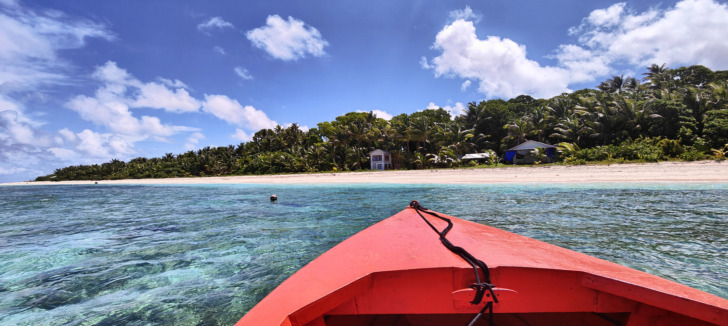
Tuvalu is one of those places that feels almost unreal on a map.
It is a tiny Polynesian nation in the Pacific made up of nine low-lying islands and atolls, with Funafuti serving as the capital and main gateway.
Most travelers are drawn here for the lagoon scenery, the slow pace, and the rare feeling that they have reached one of the world’s least visited countries.
That remoteness is part of the charm, but it also shapes the safety picture in a big way.
Tuvalu is not a place where most visitors worry much about violent crime or organized scams.
The bigger concerns are practical ones: limited transport, patchy services, water shortages, rough ocean conditions, and the country’s very real exposure to flooding, king tides, and climate-related disruptions.
For travelers who arrive prepared, Tuvalu is generally a calm and rewarding destination.
Warnings & Dangers in Tuvalu

OVERALL RISK: LOW
Tuvalu is generally a low-risk destination for travelers. Violent crime is rare, and most visits are trouble-free. The real challenge is not criminal danger but how isolated and lightly serviced the country is, especially if flights are disrupted or supplies run short.

TRANSPORT & TAXIS RISK: MEDIUM
Transport risk in Tuvalu is more about limited infrastructure than reckless traffic. Roads can be unpaved, poorly lit, and harder to navigate after dark. Commercial transportation to and from the country can also be sporadic, which matters more here than in most destinations. Getting around is usually straightforward, but travelers should stay flexible and avoid assuming everything will run on a tight schedule.

PICKPOCKETS RISK: LOW
Pickpocketing is not a major concern in Tuvalu compared with busier tourist destinations. Crime is generally low, and there is no strong reputation for theft targeting visitors. That said, low crime does not mean no crime, so it still makes sense to keep valuables secure, especially around ports, airport areas, and guesthouses with basic facilities.

NATURAL DISASTERS RISK: HIGH
Natural hazards are the biggest safety issue in Tuvalu. The islands are highly vulnerable to coastal flooding, storm surges, king tides, tropical cyclones, drought, and sea level-related erosion. Because the islands are low-lying and many people live close to the coast, bad weather can quickly become a serious safety problem, especially for water access, transport, and shelter.

MUGGING RISK: LOW
Mugging risk is low in Tuvalu. Violent crime is rare, and most serious incidents tend to be tied more to local disputes than to attacks on tourists. Visitors should still use common sense at night, but this is not a destination known for street robbery.

TERRORISM RISK: LOW
There is no major record of terrorism affecting Tuvalu, and it is not considered a practical concern for most visitors. For travelers planning a trip here, weather, logistics, and access to services are far more relevant than terrorism.

SCAMS RISK: LOW
Scam risk appears low, mainly because Tuvalu has very limited tourism infrastructure and does not attract the volume of opportunistic schemes seen in bigger travel markets. The more realistic issue is confusion around cash, flights, availability, and basic services. Confirm bookings carefully, carry enough money, and keep expectations realistic rather than worrying about elaborate tourist fraud.

WOMEN TRAVELERS RISK: LOW
Women travelers will usually find Tuvalu fairly calm, especially compared with higher crime destinations. Still, it is a conservative and small island society, so respectful dress, sensible boundaries, and avoiding isolated areas after dark are smart habits. The low general crime level helps, but limited resources on outer islands mean prevention matters more than response.

TAP WATER RISK: MEDIUM
Tap water is not the strongest point in Tuvalu. Fresh water shortages occur, bottled water can be in short supply, and flooding or saltwater intrusion can create added pressure on water availability and quality. Many travelers will feel safer using bottled or treated water, especially on longer stays or during dry periods.
Safest Places to Visit in Tuvalu
Funafuti
Funafuti is the safest and easiest place for most travelers to base themselves.
It is the capital, the transport hub, and the part of Tuvalu where you are most likely to find guesthouses, government services, and people who can help if plans suddenly change.
It also feels more manageable because you are not far from the airport and basic supplies.
Safety here comes from convenience.
If the weather shifts, if you need information, or if flights are delayed, this is the place where you have the best chance of sorting things out without too much drama.
Funafuti Conservation Area
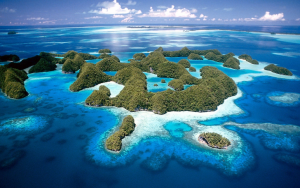
For nature lovers, the Funafuti Conservation Area is one of the most interesting spots in the country.
It offers reef and lagoon scenery that feels wonderfully untouched.
It is best enjoyed with local guidance and a close eye on sea conditions, since Tuvalu’s marine environment can look peaceful while still hiding strong currents.
When visited responsibly and with attention to the weather, this is one of the most rewarding parts of the country.
Vaiaku and the Lagoon Side
The built-up areas around Vaiaku and the calmer lagoon side of Funafuti tend to feel more comfortable than the exposed outer coasts.
This is where daily life happens, and being close to other people is an advantage in a destination with limited formal tourism infrastructure.
The lagoon side is generally more pleasant for casual exploring than rougher ocean-facing stretches, though travelers should remember that parts of the lagoon may have water quality concerns and are not risk-free.
Places to Avoid in Tuvalu
Exposed Ocean Side Beaches
The places to be most careful around in Tuvalu are not crime-ridden districts but exposed coastal areas.
The outer coasts of the atolls can have very strong currents, and that makes them poor choices for casual swimming or unsupervised water activities.
A beautiful shoreline here can still turn dangerous fast, especially for travelers who underestimate Pacific conditions.
Poorly Lit Roads After Dark
Roads are one of the few places where everyday caution really matters.
Some are unpaved and poorly lit, which makes night walking, cycling, or riding more awkward than visitors may expect.
Tuvalu is not a place for dramatic urban danger, but moving around after dark without a torch, a plan, or local awareness is not a great idea.
Remote Outer Islands Without Preparation
The outer islands are not inherently dangerous, but they are more difficult if something goes wrong.
Communication, transport, and emergency support are limited, and bad weather can complicate travel quickly.
For independent travelers, these are places to approach only with proper planning, local contacts, and flexibility.
In Tuvalu, remoteness itself is a risk factor.
Polluted or Questionable Water Areas
Travelers should also be cautious around areas where water quality is poor.
Some parts of the Funafuti lagoon may not be ideal for swimming, and water shortages can add another layer of difficulty.
That does not mean you need to fear the entire country, but it does mean being selective about where you swim and what water you drink.
Safety Tips for Traveling to Tuvalu
- Build flexibility into your travel plans. Flights to and from Tuvalu are limited, and transportation can be sporadic. Do not plan your whole trip with tight onward connections or no backup days. A delay that feels minor elsewhere can have a much bigger effect here.
- Carry enough cash for your whole stay. Tuvalu is a cash destination. Card acceptance is very limited, and access to money can be difficult. This catches travelers off guard more often than crime does. Bring enough Australian dollars for accommodation, food, transport, and a buffer for delays.
- Do not treat the ocean casually. Strong currents around the outer coasts can be dangerous even when the water looks inviting. Ask locals where it is safe to swim, avoid going out alone, and pay close attention to weather and tide conditions.
- Be careful with drinking water. Fresh water shortages happen, and bottled water may not always be abundant. Drink bottled or properly treated water when possible, especially if you are staying longer than a quick stopover.
- Pack for heat, rain, and sudden weather changes. Tuvalu is tropical year-round, with a wetter season and a drier season rather than dramatic temperature shifts. Lightweight clothing is essential, but so is rain protection and sun coverage. Weather preparedness is part of safety here, not just comfort.
- Avoid moving around in the dark without a reason. Poor lighting and basic road conditions make nighttime movement trickier than daytime travel. Even in a low-crime setting, a twisted ankle, vehicle issue, or wrong turn can become an unnecessary headache.
- Stay informed about tides and storm warnings. Tuvalu is highly exposed to king tides, flooding, storm surges, and cyclone-related impacts. Check local advice regularly, especially during the wetter months and storm-prone periods.
- Choose accommodation with practicality in mind. In Tuvalu, the safest place is often the one that is easiest to access and closest to help. Staying near services in Funafuti can make a huge difference if you need transport, medical assistance, or updates about flights and weather.
- Use ordinary personal security habits even though crime is low. Lock your room, keep your passport secure, and avoid leaving valuables unattended. Tuvalu is safer than many destinations, but basic caution is still smarter than blind trust.
- Buy travel insurance before you go. This is one destination where insurance really matters. The risk is not mainly theft. It is disruption, evacuation, limited medical support, and the cost of dealing with problems far from major transport hubs.
So... How Safe Is Tuvalu Really?
Tuvalu is genuinely one of the safer countries in the world if you are judging by crime, terrorism, and street-level harassment.
Violent crime is rare, and most travelers will find the country peaceful, quiet, and welcoming.
That is the good news, and it matters.
But Tuvalu’s safety story is also unusual because the biggest risks are environmental and logistical, not criminal.
The country is highly vulnerable to flooding, storm surges, king tides, drought, and coastal erosion.
Roads and services are basic, fresh water shortages occur, and transport links can be inconsistent.
In other words, a traveler is much more likely to be inconvenienced by weather, limited cash access, or disrupted flights than by a mugger.
So the honest answer is this: Tuvalu is safe for travel, but only for travelers who prepare well.
If you arrive expecting a polished, easy beach destination, you may struggle.
If you arrive with patience, cash, flexibility, and respect for the environment, Tuvalu can feel remarkably peaceful.
How Does Tuvalu Compare?
| Country | Safety Index |
|---|---|
 Tuvalu Tuvalu | 89 |
 Kazakhstan Kazakhstan | 72 |
 Marshall Islands Marshall Islands | 88 |
 Kenya Kenya | 45 |
 Japan Japan | 89 |
 Belize Belize | 43 |
 Guatemala Guatemala | 53 |
 Egypt Egypt | 38 |
 Equatorial Guinea Equatorial Guinea | 48 |
Useful Information

Visas
Many travelers can get a tourist visa on arrival for a short stay, though entry rules depend on nationality. Your passport should usually be valid for at least six months beyond your trip. Since Tuvalu is remote and rules can change, checking entry requirements before departure is essential.

Currency
The Australian dollar is used in Tuvalu. This matters because access to money is limited, and card payments are not always reliable. Bring enough cash for your full stay and a bit extra in case the weather or flight delays stretch your trip longer than planned.

Weather
Tuvalu has a tropical climate with a wetter season and a drier season, but it stays warm year-round. Pack lightweight clothes, sandals, sun protection, and rain gear. Because humidity can be intense and weather can shift quickly, breathable clothing is the most practical choice.

Airports
Funafuti International Airport is the country’s main gateway and the airport used by almost all international visitors. It is close to the main populated area of Funafuti, so getting to your accommodation is usually simple. The bigger issue is limited flight frequency, not airport complexity.

Travel Insurance
Travel insurance is a very smart idea for Tuvalu. Low crime does not remove the need for coverage. Delayed flights, limited medical services, weather disruption, and the cost of getting help from a remote island nation are the real reasons insurance belongs on your checklist.
Tuvalu Weather Averages (Temperatures)
Average High/Low Temperature
| Temperature / Month | Jan | Feb | Mar | Apr | May | Jun | Jul | Aug | Sep | Oct | Nov | Dec |
|---|---|---|---|---|---|---|---|---|---|---|---|---|
| High °C |
31 | 31 | 31 | 31 | 31 | 31 | 30 | 30 | 31 | 31 | 31 | 31 |
| Low °C |
26 | 25 | 25 | 26 | 26 | 26 | 26 | 26 | 26 | 26 | 26 | 26 |
| High °F |
88 | 88 | 88 | 88 | 88 | 88 | 86 | 86 | 88 | 88 | 88 | 88 |
| Low °F |
79 | 77 | 77 | 79 | 79 | 79 | 79 | 79 | 79 | 79 | 79 | 79 |














After a week on Funafuti wading through a king tide and worrying about the daily water shortage, are you seriously calling the place calm?
Anyone else get that peaceful yet worried feeling when the lagoon at sunrise is stunning but the king tide floods the path to the shop?