


 China : Safety by City
- Beijing
- Chengdu
- Guangxi Guilin
- Guangzhou
- Hangzhou
- Hong Kong
- Lhasa
- Macau
- Shanghai
- Shenzhen
- Suzhou
- Tianjin
- Tibet
- Xian
- Xinjiang
- Yangshuo
Xian is one of China’s great history-heavy cities, the kind of place where you can eat noodles in a neon-lit street at night and then spend the next morning staring at life-sized warriors buried more than 2,000 years ago.
Located in Shaanxi Province in north-central China, Xian was once the eastern starting point of the Silk Road and served as a capital for several Chinese dynasties.
Today, it is a major city with ancient walls, pagodas, museums, markets, metro lines, and one of the most famous archaeological sites in the world: the Terracotta Army.
For travelers, Xian is generally safe, organized, and easy to enjoy, but it still comes with practical risks like tourist scams, summer heat, crowded transport, air quality, and language barriers.
Warnings & Dangers in Xian

OVERALL RISK: LOW
Xian is a low-risk destination for most tourists. Violent crime is uncommon, public areas are generally orderly, and major attractions are used to handling large numbers of visitors. The main safety concerns are petty theft, traffic, scams near tourist areas, summer heat, and navigating local systems without much Mandarin

TRANSPORT & TAXIS RISK: MEDIUM
Public transportation in Xian is generally safe, and the metro is one of the easiest ways to move around the city. Taxis and ride-hailing are usually reliable, but tourists should avoid unlicensed drivers, especially around train stations, airports, and major attractions. Traffic can feel chaotic if you are not used to Chinese cities.

PICKPOCKETS RISK: LOW
Pickpocketing is not a major danger in Xian, but it is possible in crowded places. Be more alert around the Muslim Quarter, metro stations, train stations, Bell Tower, Drum Tower, and Terracotta Army tour areas. Keep your phone secure, especially when taking photos, checking maps, or walking through dense crowds.

NATURAL DISASTERS RISK: MEDIUM
Xian is not one of China’s highest-risk disaster destinations, but weather can still affect travel. Summers can be very hot, and heavy rain may cause delays, slippery paths, or local flooding. Winter can be cold and occasionally icy. Heat exhaustion is probably the most realistic weather-related concern for tourists.

MUGGING RISK: LOW
Mugging is rare in Xian. Most visitors can walk around the central districts, main shopping streets, and popular tourist areas without feeling unsafe. Still, avoid empty streets late at night, do not wander into poorly lit construction zones, and use taxis or ride-hailing after dark if you are far from your hotel.

TERRORISM RISK: LOW
The terrorism risk for tourists in Xian is low. The city is not typically viewed as a high-risk target for international visitors. As with any large city, it is sensible to stay aware in major public spaces, transport hubs, and crowded attractions, but this is not a leading concern for most trips.

SCAMS RISK: MEDIUM
Scams are one of the more realistic risks in Xian. Tourists may encounter overpriced tours, unofficial Terracotta Army transport, fake guides, tea-house invitations, inflated taxi fares, or souvenir pressure in tourist-heavy zones. The easiest protection is to book through reputable channels and confirm prices before agreeing to anything.

WOMEN TRAVELERS RISK: LOW
Xian is generally safe for women travelers, including solo travelers. Public areas are busy, transport is organized, and serious harassment is not common. Normal precautions still apply: avoid isolated late-night walks, be cautious around nightlife, keep control of your drink, and arrange transport back to your hotel in advance.

TAP WATER RISK: MEDIUM
Do not drink tap water in Xian unless it has been boiled or properly filtered. Bottled water is cheap and easy to find, and hotels usually provide kettles. Be cautious with ice in small local places and stick to sealed drinks if your stomach is sensitive.
Safest Places to Visit in Xian
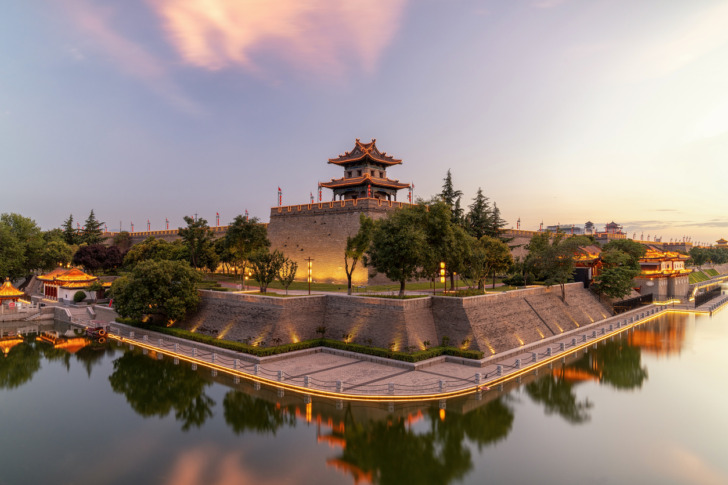
Xian City Wall
The ancient City Wall is one of the safest and most enjoyable places in Xian.
It is organized, ticketed, well-maintained, and popular with visitors during the day and evening.
You can walk or cycle along parts of the wall, with great views over the old city.
The main safety concern is simple: watch your step, especially when biking or visiting after rain.
Bell Tower and Drum Tower Area
This central area is busy, bright, and convenient, with hotels, shops, restaurants, metro access, and lots of tourists.
It is one of the easiest places to base yourself because you can walk to several major sights.
Crowds can be intense, especially in the evening, so keep your phone and wallet secure.
The Terracotta Army Museum
The Terracotta Army is outside the city center, but the site itself is very safe and heavily managed.
It has ticketing, security, organized visitor flow, and clear tourist infrastructure.
The risk is less about the museum and more about getting there.
Use official buses, booked tours, or reputable drivers, not random transport offers.
Giant Wild Goose Pagoda and Datang Everbright City
This is one of the most tourist-friendly areas in Xian, especially in the evening when the lights, fountains, and pedestrian areas come alive.
It is clean, popular, and family-friendly.
It can get packed during holidays, so the usual crowd precautions apply.
Shaanxi History Museum
The Shaanxi History Museum is a strong choice for travelers who want a safe, structured cultural visit.
It is popular, controlled, and located in an accessible part of the city.
Book ahead when needed, arrive early, and keep your belongings close in lines and crowded exhibition rooms.
Places to Avoid in Xian
Unofficial Tour Desks Near Major Attractions
Avoid random tour sellers around hotels, train stations, the Terracotta Army route, and major sightseeing areas.
Some may be harmless, but others push overpriced packages, unnecessary shopping stops, or unclear transportation.
For Xian, the biggest tourist headache is often not danger, but wasting money and time on a bad tour.
Xian Railway Station Surroundings Late at Night
The area around large train stations is not usually dangerous, but it can be confusing, crowded, and full of taxi touts or unofficial drivers.
If you arrive late with luggage, use the metro if it is still running, book a ride-hailing car, or go to the official taxi queue.
Do not follow strangers offering “cheap” rides.
Empty Backstreets After Dark
Central Xian is lively, but side streets can become quiet quickly, especially away from the Bell Tower, Muslim Quarter, and main hotel zones.
Most are not dangerous, but they are not ideal for tourists who do not know the area.
Stay on lit streets and use transport if you are tired or turned around.
Overcrowded Holiday Attractions
Chinese public holidays can turn Xian’s top attractions into shoulder-to-shoulder crowds.
The Terracotta Army, the Muslim Quarter, the City Wall gates, the Bell Tower area, and the Giant Wild Goose Pagoda can become overwhelming.
Crowds increase pickpocket risk, make transport harder, and can turn a simple visit into a stressful one.
Poorly Reviewed Restaurants or Street Food Stalls
Xian is an incredible food city, but tourists with sensitive stomachs should be selective.
Avoid stalls that look unhygienic, food that has been sitting out too long, or places with very low turnover.
This is especially true in hot summer weather.
The food is part of the fun, but choose busy, clean-looking places.
Safety Tips for Traveling to Xian
- Use the metro whenever possible. Xian’s metro is one of the simplest ways to move around the city. It avoids traffic, removes the risk of taxi overcharging, and connects many useful areas. For first-time visitors, staying near a metro station makes the whole trip easier. It is especially helpful around the Bell Tower, Giant Wild Goose Pagoda, and main transport hubs.
- Book Terracotta Army transport carefully. The Terracotta Army is outside central Xian, so transportation matters. Use official buses, a reputable tour, hotel-arranged transport, or a trusted ride-hailing service. Avoid random drivers who approach you at stations or tourist areas. Before you leave, confirm the price, pickup point, waiting time, and whether the ride is one-way or round-trip.
- Keep your phone secure in crowded areas. Your phone is one of your most important travel tools in China because you may rely on it for maps, translation, payment, hotel addresses, and ride-hailing. Keep it zipped away when not using it. Be extra careful in the Muslim Quarter, metro stations, ticket lines, and busy night streets where crowds can press tightly around you.
- Prepare for the heat in summer. Xian summers can be brutally hot, with high temperatures that make outdoor sightseeing exhausting. Carry water, wear breathable clothing, use sunscreen, and plan indoor breaks at museums, malls, or restaurants. Try to visit exposed outdoor sites early in the morning or later in the afternoon. Heat exhaustion can sneak up faster than people expect.
- Do not drink tap water. Stick with bottled water, boiled water, or filtered water. Most hotels provide kettles, and convenience stores are easy to find. When eating at small local places, think twice about ice or drinks that may use untreated water. This is not about panic; it is just one of the easiest ways to avoid ruining your trip.
- Save your hotel address in Chinese. Before going out, save your hotel name, address, and phone number in Chinese characters. Take a screenshot too, in case mobile data is weak. This helps taxi drivers, police, station staff, and locals help you faster. English is not always enough, even in a city that receives many tourists.
- Be cautious with overly friendly invitations. If someone you just met invites you to a tea house, art gallery, private shop, or “local student exhibition,” slow down. These scams are less common than in some places, but they still exist in Chinese tourist cities. The safest answer is a polite no and a quick walk away.
- Watch your step at historic sites. Xian is full of old stone, steps, walls, uneven paths, and crowded platforms. Wear comfortable shoes and be careful when climbing, biking the City Wall, or walking around older districts after rain. Ancient cities are charming, but they were not designed with modern tourist ankles in mind.
- Avoid peak holiday travel if you dislike crowds. Xian is a major domestic tourism destination, and Chinese public holidays can bring enormous crowds. Attractions, trains, hotels, restaurants, and streets can all become packed. If your schedule is flexible, avoid the biggest holiday periods. If you cannot, book tickets early and start sightseeing in the morning.
- Set up payment and translation before arrival. China is much easier when your phone is ready. Install a translation app, prepare offline maps or screenshots, and set up accepted payment options where possible. Carry backup cash as well. Many small problems in Xian come from communication or payment friction, not real danger. Solve those early, and the city becomes much easier.
So... How Safe Is Xian Really?
Xian is very safe for the average traveler, especially when it comes to violent crime.
It is a major Chinese city with strong public order, a busy tourist infrastructure, and a steady flow of domestic and international visitors.
You are much more likely to deal with practical annoyances than anything truly dangerous.
The real safety profile of Xian looks like this: low violent crime, low mugging risk, low terrorism concern, medium scam risk, medium transport confusion risk, and medium weather-related discomfort depending on the season.
Summer heat is a serious factor, especially if you plan to spend long days outdoors at the City Wall, the Terracotta Army, or open plazas.
Crowds can also be intense during holidays and weekends.
For tourists, the safest strategy is simple.
Stay in a central area, use the metro, book major excursions through reliable channels, keep your valuables secure in crowds, and avoid unofficial drivers or tour sellers.
Xian rewards travelers who plan just a little.
It is not a city where you need to be nervous, but it is a city where being prepared makes the trip much smoother.
I would comfortably call Xian a low-risk destination with a few medium-risk travel logistics.
How Does Xian Compare?
| City | Safety Index |
|---|---|
| Xian |
73 |
| Yangshuo |
77 |
| Shenzhen |
64 |
| Guangxi Guilin |
76 |
| Macau |
85 |
| Hong Kong |
75 |
| Tianjin |
67 |
 Podgorica Podgorica | 51 |
 Great Falls Great Falls | 72 |
| Berea | 82 |
 Byron Bay Byron Bay | 85 |
 Cuernavaca Cuernavaca | 60 |
 Novosibirsk Novosibirsk | 76 |
Useful Information

Visas
Most foreign tourists need a Chinese tourist visa before visiting Xian, though some travelers may qualify for visa-free entry or transit policies depending on nationality and itinerary. Requirements can change, so check your passport rules before booking. Visa fees vary by country and processing option.

Currency
Xian uses the Chinese yuan, also called renminbi. Mobile payments are extremely common, but tourists should carry some cash for backup, especially at smaller shops or markets. Exchange money at banks, airports, or official counters, and avoid informal street exchanges.

Weather
Xian has four clear seasons. Summers are hot and sometimes rainy, while winters can be cold and dry. Spring and autumn are usually the most comfortable times to visit. Pack breathable clothing for summer, warm layers for winter, and comfortable shoes year-round.

Airports
Xian Xianyang International Airport is the main airport serving the city. It is located northwest of central Xian and connects to the city by metro, airport bus, taxi, and ride-hailing. If arriving late at night, arrange your route in advance to avoid confusion.

Travel Insurance
Travel insurance is a smart idea for Xian, especially if your trip includes multiple cities in China. Look for coverage for medical care, cancellations, delays, lost luggage, and emergency assistance. If you plan cycling, hiking, or long day trips, check that those activities are included.
Xian Weather Averages (Temperatures)
Average High/Low Temperature
| Temperature / Month | Jan | Feb | Mar | Apr | May | Jun | Jul | Aug | Sep | Oct | Nov | Dec |
|---|---|---|---|---|---|---|---|---|---|---|---|---|
| High °C |
5 | 8 | 14 | 21 | 27 | 31 | 32 | 31 | 25 | 19 | 12 | 6 |
| Low °C |
-4 | -1 | 4 | 9 | 14 | 19 | 22 | 21 | 16 | 10 | 3 | -2 |
| High °F |
41 | 46 | 57 | 70 | 81 | 88 | 90 | 88 | 77 | 66 | 54 | 43 |
| Low °F |
25 | 30 | 39 | 48 | 57 | 66 | 72 | 70 | 61 | 50 | 37 | 28 |
China - Safety by City
| City | Safety Index |
|---|---|
| Beijing | 75 |
| Chengdu | 74 |
| Guangxi Guilin | 76 |
| Guangzhou | 64 |
| Hangzhou | 78 |
| Hong Kong | 75 |
| Lhasa | 72 |
| Macau | 85 |
| Shanghai | 70 |
| Shenzhen | 64 |
| Suzhou | 79 |
| Tianjin | 67 |
| Tibet | 87 |
| Xian | 73 |
| Xinjiang | 80 |
| Yangshuo | 77 |
















Had a blast sweating through those crowded buses while trying to spot a decent noodle stall without getting lost in translation.
I did not expect the mix of neon lights and ancient warriors to feel so surreal, especially wandering the crowded streets right after visiting the Terracotta Army.
I never thought walking along the ancient city walls in the evening would feel so peaceful despite the summer heat buzzing around.
Sure, those warriors are cool and all, but trying to find a spot to actually sit down for noodles without getting pushed around in the summer heat is another story.