


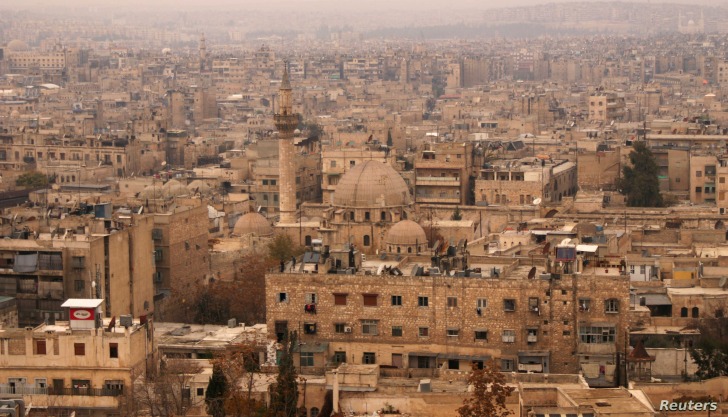
Aleppo is one of the oldest continuously inhabited cities in the world, located in northern Syria near the Turkish border.
For centuries, it served as a major trading hub along the Silk Road, connecting the Middle East with Europe and Asia.
Its historic architecture, ancient markets, and cultural landmarks once made it one of the most fascinating destinations in the region.
The city is famous for the historic Aleppo Citadel, its traditional covered souks, and centuries-old mosques and churches.
Before the Syrian civil war began in 2011, Aleppo attracted thousands of tourists interested in history, archaeology, and Middle Eastern culture.
However, the past decade dramatically changed the city’s situation.
Years of conflict caused extensive damage to infrastructure and historic sites, and the security situation remains complex.
While some reconstruction efforts are underway, travelers considering a visit should carefully understand the risks involved before planning a trip.
Warnings & Dangers in Aleppo

OVERALL RISK: HIGH
Aleppo currently carries a high safety risk for travelers. Years of armed conflict severely damaged infrastructure and security systems. Although large-scale fighting has declined compared to earlier years of the Syrian civil war, instability, unexploded ordnance, and military presence remain concerns. Most governments strongly advise against all travel to Syria, including Aleppo.

TRANSPORT & TAXIS RISK: HIGH
Transportation systems in Aleppo are limited and unreliable. Public transportation infrastructure was heavily damaged during the conflict, and road conditions can be poor. Checkpoints are common in the region, and travelers may face delays or restrictions. Taxi services exist but are inconsistent, and safety standards may vary significantly.

PICKPOCKETS RISK: MEDIUM
Pickpocketing exists in crowded areas such as markets and transportation hubs. However, compared with the larger security concerns facing the city, petty theft is not the primary risk for travelers. Visitors should still protect valuables, avoid displaying expensive items, and remain aware of their surroundings in busy areas.

NATURAL DISASTERS RISK: MEDIUM
Aleppo lies in a region that can experience occasional earthquakes. Northern Syria also experienced significant seismic activity in recent years, including earthquakes that affected parts of the region. Additionally, damaged infrastructure from years of conflict may increase vulnerability during natural disasters.

MUGGING RISK: MEDIUM
Muggings can occur in areas with limited law enforcement presence, especially after dark or in poorly lit neighborhoods. Economic hardship following years of conflict has increased poverty levels, which can contribute to crime. Travelers should avoid isolated areas and limit nighttime movement.

TERRORISM RISK: HIGH
The risk of terrorism in Aleppo remains high due to the broader instability in Syria. Various armed groups have operated in different parts of the country, and security conditions can change quickly. Explosions and attacks have occurred in several Syrian cities over the past decade, making this one of the most serious risks for travelers.

SCAMS RISK: MEDIUM
Tourist scams are not as common as in major tourist destinations, mainly because international tourism remains extremely limited. However, visitors may encounter inflated prices, unofficial guides, or misleading services. It is best to rely on verified transportation providers and official services whenever possible.

WOMEN TRAVELERS RISK: HIGH
Female travelers may face additional risks due to both security conditions and cultural expectations. Conservative social norms apply in many areas, and women traveling alone could attract unwanted attention. Dressing modestly and avoiding isolated areas are essential precautions for women visiting the region.

TAP WATER RISK: HIGH
Tap water in Aleppo is generally not considered safe for drinking. Damage to water infrastructure during the years of conflict has affected water quality in some areas. Visitors should rely on sealed bottled water for drinking and brushing teeth and avoid consuming untreated water.
Safest Places to Visit in Aleppo
Despite the difficult circumstances, Aleppo still holds remarkable historical and cultural significance.
The most recognizable landmark is the Aleppo Citadel, a massive medieval fortress rising above the city.
This UNESCO World Heritage site has stood for centuries and remains a symbol of the city’s resilience.
Restoration efforts continue, and the surrounding area is gradually being stabilized.
Another notable location is the Old City of Aleppo, which historically contained one of the largest covered markets in the Middle East.
Portions of the historic souks have begun reconstruction, and some local businesses have reopened.
Visitors interested in history may find this area fascinating, though conditions vary and access may be restricted.
Religious landmarks also remain important cultural sites.
The Great Mosque of Aleppo, also known as the Umayyad Mosque, dates back to the 8th century and has undergone rebuilding after significant war damage.
Several historic churches and traditional neighborhoods also showcase Aleppo’s multicultural heritage.
Travelers who visit Aleppo typically do so as part of organized tours or humanitarian visits rather than casual tourism.
When visiting any location in the city, it is essential to follow local guidance, remain within approved areas, and travel with knowledgeable local contacts.
Places to Avoid in Aleppo
Large portions of Aleppo still contain damaged buildings, unstable infrastructure, and areas that have not been fully cleared of unexploded ordnance.
Travelers should avoid heavily damaged neighborhoods where reconstruction has not yet begun, as these areas may contain structural hazards or unexploded remnants from past fighting.
Certain districts that experienced intense conflict remain unsafe due to building collapse risks.
Areas on the outskirts of the city may also have limited security oversight and fewer emergency services.
Travelers should also avoid remote areas outside the main urban zones.
Rural areas around Aleppo may still contain military checkpoints or unexploded landmines from the years of conflict.
Border regions between Syria and neighboring countries can also be sensitive security zones.
Movement near these borders is often restricted and monitored by authorities.
In general, visitors should only travel within areas recommended by local authorities or trusted guides and avoid exploring unknown neighborhoods independently.
Safety Tips for Traveling to Aleppo
- Check Government Travel Advisories. Before planning any trip, review travel advisories from your home country. Most governments currently warn against travel to Syria due to ongoing security concerns.
- Travel with Local Guidance. Independent travel in Aleppo is not recommended. If visiting, arrange trusted local guides or organized groups who understand the current security environment.
- Register with Your Embassy. If your country maintains diplomatic services nearby, register your travel plans. This allows authorities to contact you during emergencies.
- Avoid Political Discussions. Political topics can be sensitive in Syria. Avoid discussing politics or military matters with strangers or in public places.
- Carry Identification at All Times. Security checkpoints are common. Travelers should carry identification and travel documents at all times in case authorities request verification.
- Stay in Secure Accommodation. Choose accommodations with good security measures and reliable infrastructure. Local contacts or reputable organizations can recommend safe places to stay.
- Limit Night Travel. Movement after dark increases safety risks. It is best to remain indoors at night unless necessary and avoid poorly lit areas.
- Keep Emergency Supplies. Power outages and service disruptions can occur. Carry essentials such as bottled water, a flashlight, and a portable phone charger.
- Dress Conservatively. Respect local customs by wearing modest clothing. This helps avoid unwanted attention and shows respect for cultural norms.
- Maintain Communication. Stay in regular contact with friends or family and inform them of your location and travel plans. Reliable communication is important in uncertain environments.
So... How Safe Is Aleppo Really?
Aleppo’s safety situation is complex and continues to evolve.
While the large-scale battles that once devastated the city have largely ended, the aftermath of years of conflict still shapes daily life.
Infrastructure damage, economic hardship, and ongoing political tensions contribute to an uncertain environment.
Security forces maintain control in many areas of the city, and reconstruction projects have begun restoring parts of Aleppo’s historic center.
Some residents have returned, businesses are reopening, and restoration of cultural landmarks is slowly progressing.
However, many countries continue to classify Syria as a high-risk destination due to security concerns.
Explosive remnants of war, sporadic violence in certain regions, and limited emergency services all contribute to the ongoing risk.
For most travelers, Aleppo is not currently considered a typical tourist destination.
Those who do visit generally have professional, journalistic, or humanitarian reasons for traveling there.
Until infrastructure, political stability, and security conditions improve significantly, Aleppo should be approached with caution and careful planning.
How Does Aleppo Compare?
| City | Safety Index |
|---|---|
 Aleppo Aleppo |
28 |
| Damascus |
15 |
 Arvada Arvada | 87 |
| Germantown & Gaithersburg | 72 |
| Lexington | 78 |
| Shelbyville | 86 |
 Balkh Balkh | 26 |
 Kampong Thom Kampong Thom | 67 |
Useful Information

Visas
Most foreign travelers require a visa to enter Syria. Visa requirements vary by nationality and may involve applying through Syrian embassies or approved travel agencies. Entry restrictions can change frequently, so travelers should verify requirements in advance and ensure their passport remains valid for at least six months.

Currency
The currency used in Aleppo is the Syrian pound (SYP). Credit card usage is extremely limited, so travelers typically rely on cash. Currency exchange services may be available in larger cities, but bringing widely accepted foreign currency, such as US dollars or euros can make exchanging money easier.

Weather
Aleppo has a Mediterranean climate with hot, dry summers and mild winters. Summer temperatures often exceed 35°C (95°F), while winters are cooler with occasional rainfall. Lightweight clothing is suitable for summer, while a jacket or layers are useful during winter evenings.

Airports
Aleppo International Airport historically served the city but has experienced closures during periods of conflict. Travelers sometimes use airports in other Syrian cities or neighboring countries and continue by road. Transportation arrangements should be confirmed carefully before arrival.

Travel Insurance
Travel insurance is strongly recommended for anyone considering travel to Syria. Comprehensive policies can cover medical emergencies, trip cancellations, and evacuation if necessary. Because of the elevated risk in the region, travelers should confirm that their insurance provider covers destinations with higher security concerns.
Aleppo Weather Averages (Temperatures)
Average High/Low Temperature
| Temperature / Month | Jan | Feb | Mar | Apr | May | Jun | Jul | Aug | Sep | Oct | Nov | Dec |
|---|---|---|---|---|---|---|---|---|---|---|---|---|
| High °C |
10 | 12 | 16 | 22 | 28 | 32 | 35 | 35 | 32 | 26 | 18 | 11 |
| Low °C |
2 | 3 | 5 | 9 | 13 | 17 | 21 | 21 | 18 | 13 | 7 | 3 |
| High °F |
50 | 54 | 61 | 72 | 82 | 90 | 95 | 95 | 90 | 79 | 64 | 52 |
| Low °F |
36 | 37 | 41 | 48 | 55 | 63 | 70 | 70 | 64 | 55 | 45 | 37 |
Syria - Safety by City
| City | Safety Index |
|---|---|
| Aleppo | 28 |
| Damascus | 15 |









Exercise caution
Unfortunately the whole craziness that is happening in Syria has deterred me from traveling to Aleppo again anytime soon. If you plan to visit this city I would check the safety recommendation before booking a trip, even before boarding the plane, as things move quite fast there.
The first time I was there I took the bus from Damascus to Aleppo. Be warned, there will be a lot of military checkpoints on the road but that is to be expected, they need to keep everything in check.
Since you’re visiting a former war zone, caution, respect and empathy are essential. Visit the local spots as usual but avoid opening painful and unwanted conversations.
These people are doing the best they can to survive and to find a glimmer of hope through the rubble that’s around them so if you can, support them, Leave a tip, buy souvenirs, whatever you can, everything matters.
In the Old City you will find areas where things are slowly being rebuilt but a big part of the city is unscathed. Walking around the town you will feel a deep contrast between the remains of the conflict and the people that are just passing by.
I stayed at the Aleppo Palace Hotel, a hotel that has been in renovations quite a lot. It’s affordable, close to the square and the hotel staff is just lovely, friendly and eager to help.
All the women I saw were dressed appropriately, with no skin showing so I’m guessing this is the norm, Aleppo being quite a conservative city.
If you follow the protocol and the recommendations available on your country’s embassy website you will be fine. This is not the type of city you can explore while mindlessly looking at your phone. Be careful and enjoy your time there.
Reading about Aleppo really makes you feel for the people who have been through so much; it’s heartbreaking to think about the rich history and how it’s all been affected by the conflict there.
Can’t believe how quiet the old covered souk was when I walked through last month, dust thick on the stalls and this weird mix of grief and stubborn hope hanging in the air.
Walking past the Citadel at dusk the old stones still felt warm under my hand and I had this strange mix of sadness seeing the damage and a quiet hope watching people work on a shop down the lane.
Did you get that oddly cheerful buzz from the tiny spice stall by the citadel even with the shattered stones around?
Have you been back to the Aleppo Citadel since the war, because the memory of those spice-scented souks at dusk still hits me hard?
Walked by the Citadel the other day and the dust in your throat plus the half-rebuilt souks really sell the whole “timeless city” vibe, huh?
Can’t believe the citadel still stands, the dust-covered souks left me feeling really sad.
Seeing the Citadel’s damaged stones in these photos makes me ache, I can still smell the spices from the covered souk and it feels strange to think those alleys are so quiet now.
Did you come across any signs of how the locals are coping day to day amid all the rebuilding?