


 China : Safety by City
- Beijing
- Chengdu
- Guangxi Guilin
- Guangzhou
- Hangzhou
- Hong Kong
- Lhasa
- Macau
- Shanghai
- Shenzhen
- Suzhou
- Tianjin
- Tibet
- Xian
- Xinjiang
- Yangshuo
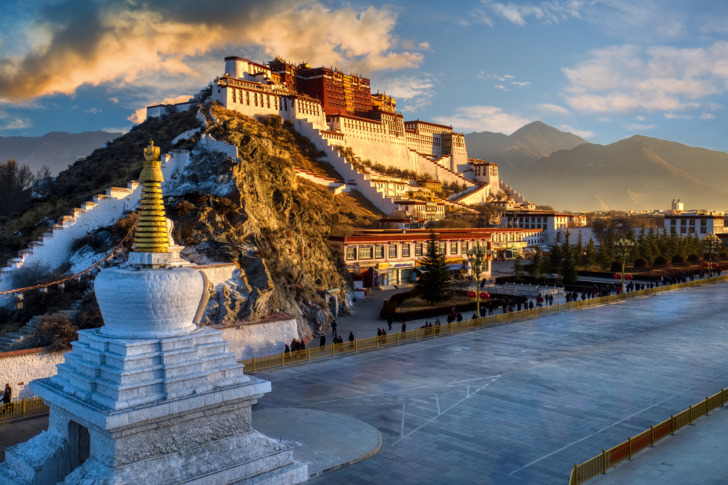
Lhasa is one of the most fascinating and unusual cities in Asia, sitting high on the Tibetan Plateau at around 3,650 meters above sea level.
It is the capital of Tibet Autonomous Region in China and a deeply important spiritual center, known for the Potala Palace, Jokhang Temple, Barkhor Street, monasteries, prayer wheels, mountain views, and a rhythm of daily life shaped by Tibetan Buddhism.
Lhasa is visually stunning, culturally rich, and unlike almost anywhere else, but it is not the easiest destination to visit casually.
Travel is highly regulated, altitude is a serious factor, and cultural sensitivity matters.
From a crime perspective, Lhasa is generally safe.
The main risks are altitude sickness, travel restrictions, political sensitivity, weather, scams in tourist zones, and health issues caused by the thin air.
Warnings & Dangers in Lhasa

OVERALL RISK: MEDIUM
Lhasa is generally safe from violent crime, but the overall risk is medium because of altitude, strict travel rules, political sensitivity, language barriers, and limited flexibility for independent movement. Most visitors travel safely through organized tours, but this is not a destination where you can improvise freely.

TRANSPORT & TAXIS RISK: MEDIUM
Transport is usually safe, but logistics can be complicated. Visitors often travel with guides, drivers, or arranged tours. Roads outside Lhasa can be long, remote, high-altitude, and weather-affected. Taxis within the city are generally safe, but language barriers and unclear fares can create confusion.

PICKPOCKETS RISK: LOW
Pickpocketing is not a major problem in Lhasa, but it can happen in crowded areas like Barkhor Street, markets, temple entrances, transport hubs, and busy tourist sites. Keep bags zipped, avoid back-pocket wallets, and watch your phone while taking photos or walking in crowds.

NATURAL DISASTERS RISK: MEDIUM
Natural hazard risk is medium because Lhasa sits in a high-altitude, mountainous region. Earthquakes, landslides, snow, sudden weather changes, intense sun, cold nights, and road closures can affect travel. Altitude sickness is the most common natural health risk for tourists.

MUGGING RISK: LOW
Mugging is rare in Lhasa. The main tourist areas, temples, hotels, and central streets are generally calm and safe. Travelers should still avoid quiet areas late at night, especially when disoriented from altitude, tired, or unfamiliar with the city.

TERRORISM RISK: LOW
The terrorism risk for ordinary travelers in Lhasa is low, but the wider security environment is sensitive. There may be police presence, checkpoints, restrictions, and rules around certain areas or events. Visitors should avoid political discussions, protests, and photographing security personnel or sensitive sites.

SCAMS RISK: MEDIUM
Scams are possible in tourist areas. Watch for overpriced souvenirs, fake antiques, unofficial guides, vague tour pricing, prayer-bead sales pressure, and inflated transport costs. Use reputable tour operators, confirm what is included, and avoid buying anything marketed as a rare cultural artifact without proper knowledge.

WOMEN TRAVELERS RISK: LOW
Lhasa is generally safe for women travelers, including solo women traveling within permitted arrangements. The main risks are not gender-specific but related to altitude, transport, and remote travel. Women should still use normal caution at night, choose reputable accommodation, and avoid isolated streets alone after dark.

TAP WATER RISK: MEDIUM
Tap water in Lhasa is not recommended for most travelers to drink untreated. Use bottled, boiled, or properly filtered water. This is especially important because dehydration can worsen altitude symptoms. Avoid ice if unsure, and be cautious with raw foods during the first few days.
Safest Places to Visit in Lhasa
Potala Palace
The Potala Palace is one of the safest and most important sites in Lhasa, but it requires preparation.
Visits are controlled, tickets and timing matter, and the climb can be tiring at altitude.
Move slowly, drink water, and do not rush the stairs.
The palace is structured and well visited, but photography rules and cultural expectations should be respected.
Jokhang Temple
Jokhang Temple is a spiritual heart of Tibetan Buddhism and one of the most powerful places to visit in Lhasa.
It is generally safe, busy, and deeply meaningful.
The surrounding area can be crowded with pilgrims and tourists, so keep valuables secure and move respectfully.
Dress modestly and follow your guide’s instructions.
Barkhor Street
Barkhor Street is one of the best places to experience daily life in Lhasa, with pilgrims walking the kora route, shops, stalls, tea houses, and traditional architecture.
It is safe during the day, but crowded.
Walk in the same direction as pilgrims, be careful with photos, and avoid blocking religious movement.
Sera Monastery
Sera Monastery is a safe and fascinating place to visit, especially for travelers interested in Tibetan Buddhist study and debate traditions.
The grounds are peaceful, and guided visits help explain the setting.
As with all religious sites, dress respectfully, keep your voice low, and avoid photographing monks without permission.
Norbulingka
Norbulingka, the former summer palace area, is a calmer and safer place for a more relaxed visit.
Gardens, historic buildings, and open spaces make it less physically intense than Potala Palace.
It is a good option if you are still adjusting to the altitude and want a gentler sightseeing day.
Places to Avoid in Lhasa
Politically Sensitive Areas or Gatherings
Avoid any political demonstrations, arguments, public debates, or gatherings.
Lhasa is a highly sensitive destination, and visitors should not photograph police, military personnel, checkpoints, or security installations.
Even casual political comments can create problems.
Stay focused on culture, history, landscapes, and permitted sightseeing.
Long Walks on Your First Day
Do not push yourself when you first arrive.
Lhasa’s altitude is serious, and many travelers feel headaches, fatigue, breathlessness, poor sleep, or nausea.
Avoid long walks, stair-heavy attractions, alcohol, and intense sightseeing on the first day.
Acclimatization is not optional here.
Remote Areas Without Proper Permits
Travel outside Lhasa often requires permits, guides, and arranged transport.
Avoid trying to visit restricted or remote areas independently.
Besides legal issues, remote plateau travel involves altitude, weather, long distances, limited medical access, and road risks.
Dark Backstreets Late at Night
Lhasa is generally safe, but unfamiliar dark streets are not ideal late at night.
Altitude fatigue can make navigation and judgment worse.
Stick to main areas near your hotel or use arranged transport if returning after dinner.
Unregulated Tour or Souvenir Offers
Avoid unofficial guides or sellers who offer special access, secret routes, rare antiques, or unusually cheap trips.
Travel in Tibet is regulated, and cutting corners can cause problems.
Use reputable providers and make sure permits, routes, hotels, and transport are properly arranged.
Safety Tips for Traveling to Lhasa
- Take altitude seriously. Lhasa is high enough to affect almost everyone at least a little. Headache, tiredness, breathlessness, poor sleep, and nausea are common in the first days. Move slowly, drink water, avoid alcohol, and keep your first day light. Do not treat altitude like a minor inconvenience. It can become serious if ignored.
- Arrive with the right permits. Lhasa is not like most city breaks. Foreign travelers usually need a Chinese visa plus a Tibet Travel Permit, and travel is commonly arranged through an authorized tour operator. Rules can change, so confirm requirements before booking flights or trains. Showing up unprepared can ruin the trip before it begins.
- Build in acclimatization time. Do not land in Lhasa and immediately plan Potala Palace, monastery visits, shopping, and a long evening walk. Give your body time. Spend the first day resting, eating lightly, and walking slowly near your hotel. If going to higher places outside Lhasa, acclimatize in the city first.
- Dress respectfully at religious sites. Lhasa is not just a tourist destination. It is a living religious center. Dress modestly, remove hats where appropriate, avoid loud behavior, and follow instructions at temples and monasteries. Do not touch religious objects unless invited, and do not interrupt pilgrims for photos.
- Be careful with photography. Ask before photographing people, especially monks, pilgrims, and inside religious areas. Some temples prohibit photography or charge separate fees. Never photograph police, soldiers, checkpoints, or security facilities. In Lhasa, camera etiquette is both respectful and practical.
- Drink safe water and stay hydrated. Use bottled, boiled, or filtered water. Dehydration can make altitude symptoms worse, and the dry plateau air can sneak up on you. Carry water during sightseeing, especially around Barkhor Street, Potala Palace, and monastery visits. Skip heavy alcohol until you know how your body is handling the altitude.
- Avoid political conversations in public. Lhasa has deep history and sensitive politics, but travelers should be careful. Avoid political debates, public criticism, protests, or sensitive conversations with strangers. Do not assume a casual comment is harmless. Keep your visit focused on culture, landscapes, food, architecture, and approved sightseeing.
- Use reputable tour operators. A good operator makes Lhasa much safer and smoother. They handle permits, hotels, transport, route planning, guide services, and timing. This matters because travel restrictions can be complex, and distances outside the city are huge. Cheap, vague arrangements are not worth the risk.
- Protect yourself from sun and cold. At high altitude, the sun is strong even when the air feels cool. Use sunscreen, sunglasses, lip balm, and a hat. Temperatures can drop sharply, especially at night or outside the city. Pack layers so you can handle strong sun, wind, cold shade, and changing mountain weather.
- Know when to seek medical help. Altitude sickness can become dangerous. If symptoms worsen, especially severe headache, confusion, difficulty walking, persistent vomiting, chest tightness, or serious shortness of breath, seek help immediately. Do not “tough it out” because you want to finish the itinerary. The mountain does not care about your schedule.
So... How Safe Is Lhasa Really?
Lhasa is safe in the sense that violent crime is rare, street crime is limited, and tourists are generally not targeted for serious criminal activity.
The main sites are organized, the city has experience with visitors, and most travelers who follow the rules visit without major problems.
But Lhasa is not an easy, carefree destination.
It is medium risk because of altitude, regulation, political sensitivity, and the challenges of traveling in a remote highland region.
You need permits, patience, flexibility, and respect for local rules.
This is not a place where travelers should wander into restricted areas, photograph anything they like, or treat regulations as suggestions.
The biggest physical risk is altitude sickness.
Even healthy travelers can feel it, and it can affect sleep, appetite, energy, and judgment.
The second major issue is cultural and political sensitivity.
Respectful behavior is essential, especially around temples, monasteries, pilgrims, police presence, and public spaces.
Overall, Lhasa is low risk for crime but medium risk as a travel destination.
It is extraordinary, spiritual, visually unforgettable, and deeply rewarding, but it requires preparation, humility, and a slower pace than most city trips.
How Does Lhasa Compare?
| City | Safety Index |
|---|---|
| Lhasa |
72 |
| Xian |
73 |
| Tianjin |
67 |
| Shenzhen |
64 |
| Hong Kong |
75 |
| Tibet |
87 |
| Yangshuo |
77 |
 Clinton Clinton | 82 |
| Newport Beach | 84 |
 Zihuatanejo Zihuatanejo | 72 |
| Tombstone | 93 |
| Natchitoches | 76 |
| Santa Clarita | 76 |
Useful Information

Visas
Lhasa is in Tibet Autonomous Region, China. Foreign travelers usually need a Chinese visa and a Tibet Travel Permit, often arranged through an authorized tour operator. Independent travel is restricted, and requirements can change. Confirm all documents before booking flights, trains, or hotels.

Currency
Lhasa uses the Chinese yuan. Cards and mobile payments are common in China, but foreign visitors may still need cash in some situations, especially for smaller shops, markets, tips, and remote travel. Carry some yuan in small notes and use official banks or ATMs.

Weather
Lhasa has strong sun, dry air, cool nights, and large temperature differences between day and night. Winters are cold, while summers are milder but can still feel intense because of altitude and sun exposure. Pack layers, sunscreen, sunglasses, lip balm, and comfortable walking shoes.

Airports
Lhasa is served by Lhasa Gonggar Airport, located outside the city and connected by road. Many travelers also arrive by train, which can help with gradual altitude adjustment but still requires preparation. Transfers are usually arranged through tour operators or hotels.

Travel Insurance
Travel insurance is strongly recommended for Lhasa, especially because of altitude, medical access, permit-based travel, flight or train disruptions, and remote excursions. Choose coverage for medical care, emergency evacuation, cancellations, delays, lost luggage, and high-altitude travel where applicable.
Lhasa Weather Averages (Temperatures)
Average High/Low Temperature
| Temperature / Month | Jan | Feb | Mar | Apr | May | Jun | Jul | Aug | Sep | Oct | Nov | Dec |
|---|---|---|---|---|---|---|---|---|---|---|---|---|
| High °C |
7 | 9 | 12 | 16 | 20 | 23 | 23 | 22 | 20 | 17 | 12 | 8 |
| Low °C |
-10 | -7 | -3 | 1 | 5 | 9 | 11 | 10 | 8 | 3 | -4 | -8 |
| High °F |
45 | 48 | 54 | 61 | 68 | 73 | 73 | 72 | 68 | 63 | 54 | 46 |
| Low °F |
14 | 19 | 27 | 34 | 41 | 48 | 52 | 50 | 46 | 37 | 25 | 18 |
China - Safety by City
| City | Safety Index |
|---|---|
| Beijing | 75 |
| Chengdu | 74 |
| Guangxi Guilin | 76 |
| Guangzhou | 64 |
| Hangzhou | 78 |
| Hong Kong | 75 |
| Lhasa | 72 |
| Macau | 85 |
| Shanghai | 70 |
| Shenzhen | 64 |
| Suzhou | 79 |
| Tianjin | 67 |
| Tibet | 87 |
| Xian | 73 |
| Xinjiang | 80 |
| Yangshuo | 77 |







Did you feel any headache or breathlessness from the high altitude while walking around the city?