


 Bhutan : Safety by City
Bhutan - safety as a country
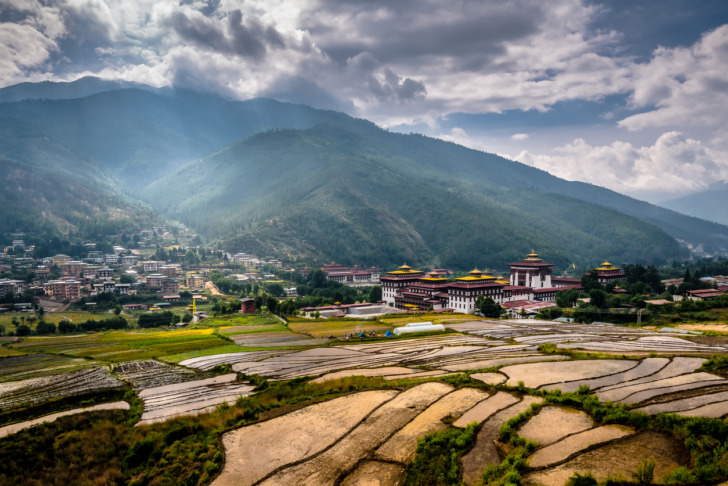
Thimphu is one of the world’s most unusual capitals, sitting in a high Himalayan valley at roughly 2,300 meters above sea level.
It is the capital of Bhutan, but it does not feel like a typical capital city.
There are no huge skyscrapers, traffic lights are famously absent, traditional architecture is protected, and the rhythm of life is shaped by monasteries, government offices, mountain air, prayer flags, markets, and a strong Buddhist cultural identity.
Thimphu is generally very safe from a crime perspective, and Bhutan remains one of Asia’s calmer travel destinations.
Still, it is not a place to visit without preparation.
The main risks are altitude, road travel, strict entry rules, weather, dogs, cultural misunderstandings, limited nightlife, and the logistics of traveling in a regulated Himalayan country.
Warnings & Dangers in Thimphu

OVERALL RISK: LOW
Thimphu is a low-risk destination for most travelers. Violent crime is rare, the city is calm, and visitors usually travel through organized arrangements. The bigger concerns are altitude, road conditions, weather, dogs, limited emergency access compared with larger countries, and respecting Bhutan’s rules and customs.

TRANSPORT & TAXIS RISK: MEDIUM
Transport risk is medium because Bhutan’s roads can be narrow, winding, mountainous, and affected by fog, rain, landslides, or roadwork. Taxis in Thimphu are generally safe, and visitors often use arranged drivers. Long drives outside the city require patience, daylight planning, and a driver who knows mountain roads.

PICKPOCKETS RISK: LOW
Pickpocketing is uncommon in Thimphu. The city is not a high-theft destination, and crowded tourist pressure from crowds is much lower than in many Asian capitals. Still, keep valuables secure around markets, festivals, bus areas, shops, and popular sights. Low risk does not mean no risk.

NATURAL DISASTERS RISK: MEDIUM
Natural hazard risk is medium because Thimphu sits in the Himalayas. Earthquakes, landslides, heavy rain, cold winters, road closures, and sudden weather changes can affect travel. Altitude can also bother some visitors, especially those arriving quickly from lower elevations. Mountain conditions deserve respect.

MUGGING RISK: LOW
Mugging is rare in Thimphu. Visitors can generally walk around central areas, hotel zones, markets, cafes, and main streets comfortably during the day and early evening. Use normal caution after dark on quiet roads or poorly lit areas, especially if walking alone or far from your hotel.

TERRORISM RISK: LOW
The terrorism risk in Thimphu is low. Bhutan is generally peaceful, and Thimphu is not a major international security target. Travelers should still use normal awareness around public events, government buildings, and crowded festivals, but terrorism is not a leading concern for most visitors.

SCAMS RISK: LOW
Scams are not common in Thimphu. Tourism is regulated, and most visitors travel with approved arrangements, hotels, guides, or drivers. The more realistic issues are misunderstandings about costs, inclusions, tipping, permits, or itinerary limits. Confirm what your package includes before arrival.

WOMEN TRAVELERS RISK: LOW
Thimphu is generally safe for women travelers, including solo women traveling through proper arrangements. The city feels calm and respectful compared with many larger cities. Women should still use standard caution at night, avoid isolated walks alone after dark, and choose well-reviewed hotels or tour providers.

TAP WATER RISK: MEDIUM
Tap water in Thimphu is not recommended for most travelers to drink untreated. Use bottled, boiled, or properly filtered water. The mountain air can be dry, and mild altitude effects can make dehydration worse. Carry water during sightseeing, hikes, monastery visits, and long drives.
Safest Places to Visit in Thimphu
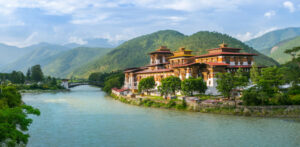
Tashichho Dzong
Tashichho Dzong is one of Thimphu’s most important and safest landmarks.
It houses government and monastic offices and is a major symbol of Bhutanese architecture and identity.
Visits are usually structured, and the area is orderly.
Dress respectfully, follow your guide’s instructions, and do not photograph restricted areas.
Buddha Dordenma
The giant Buddha Dordenma statue above Thimphu is one of the safest and most impressive places to visit.
The area is open, scenic, and popular with both locals and travelers.
The main cautions are altitude, sun exposure, wind, and stairs.
Take your time and bring a light layer.
Memorial Chorten
The National Memorial Chorten is central, peaceful, and safe during the day.
It is an active religious site where locals walk clockwise, pray, and spin prayer wheels.
Visitors should move respectfully, avoid blocking worshippers, and dress modestly.
It is one of the best places to experience everyday spiritual life in Thimphu.
Centenary Farmers’ Market
The farmers’ market is safe and interesting, especially for seeing local produce, dried chilies, cheese, spices, and daily Bhutanese shopping life.
It can be busy, so keep bags close and walk patiently.
It is a good place to explore with a guide if you want help understanding local foods.
Motithang Takin Preserve
The Motithang Takin Preserve is a safe and easy nature stop where visitors can see Bhutan’s national animal, the takin.
Paths are manageable, and the visit is not physically demanding.
Wear comfortable shoes, keep children close, and avoid feeding or disturbing the animals.
Places to Avoid in Thimphu
Quiet Roads After Dark
Thimphu is safe, but some roads become very quiet at night, especially away from central hotels and restaurants.
Avoid long solo walks in poorly lit areas after dark.
Use a taxi or hotel-arranged transport if your accommodation is outside the center.
Remote Trails Without Guidance
Short walks near Thimphu can be lovely, but avoid wandering onto remote trails without knowing the route, weather, distance, and daylight conditions.
Bhutan’s terrain can change quickly, and trails may be steeper or quieter than expected.
For longer hikes, use a guide.
Areas Around Stray Dogs at Night
Thimphu has stray and free-roaming dogs, and they can be noisy or intimidating at night.
Most are not aggressive, but groups of dogs can make late walks uncomfortable.
Avoid provoking them, do not feed them randomly, and use transport if dogs gather along your route.
Restricted Government or Religious Areas
Do not enter restricted buildings, monastery areas, government compounds, or private spaces without permission.
Bhutan is welcoming, but rules around religious and official sites matter.
If a sign, guide, or local tells you not to enter or photograph, take it seriously.
Mountain Roads During Bad Weather
Avoid unnecessary road travel during heavy rain, fog, snow, or poor visibility.
Roads into and out of Thimphu can be winding and affected by weather or roadwork.
If your driver, guide, or hotel advises waiting, listen.
The mountains are not impressed by tight itineraries.
Safety Tips for Traveling to Thimphu
- Understand Bhutan’s entry rules before booking. Bhutan is not a destination where you simply book a cheap flight and improvise. Most foreign visitors need proper visa arrangements, and Bhutan also charges a Sustainable Development Fee as part of its tourism system. The official tourism site lists a visa application process and the SDF details, including a US$100 per adult per day fee. (bhutan)
- Take the altitude seriously. Thimphu is not extremely high compared with places like Lhasa, but it is still high enough that some travelers feel headaches, fatigue, shortness of breath, or poor sleep. Drink water, avoid heavy alcohol on arrival, and do not overplan the first day. Let your body settle into the elevation.
- Use experienced local drivers. Roads in Bhutan are scenic but winding, and travel between towns can take longer than distances suggest. Use experienced drivers, especially for trips to Paro, Punakha, Dochula Pass, or mountain viewpoints. Avoid rushing, avoid night drives when possible, and build in extra time for weather or road delays.
- Dress respectfully. Bhutan is deeply traditional, and respectful clothing matters, especially at dzongs, monasteries, temples, and official sites. Cover shoulders and knees, avoid revealing outfits in religious places, and remove hats or shoes where required. Dressing respectfully makes the visit smoother and shows you understand where you are.
- Follow photography rules. Some places allow photos outside but not inside temples, shrine rooms, or administrative areas. Do not photograph monks, officials, police, religious ceremonies, or government buildings without permission. When in doubt, ask your guide. A good photo is not worth creating an awkward or disrespectful moment.
- Carry cash for small purchases. Cards may work in larger hotels and some shops, but cash is still useful for markets, small cafes, tips, handicrafts, taxis, and rural stops. Carry smaller notes rather than only large bills. Thimphu is more modern than many expect, but it is still smart to have backup cash.
- Be careful around dogs at night. Dogs are common in Thimphu and can bark loudly after dark. Most are harmless, but packs can feel intimidating. Avoid walking through groups of dogs; do not run or tease or feed them. Use a taxi if your route feels uncomfortable at night.
- Check the weather before day trips. Weather can change quickly in the mountains. Fog, rain, snow, landslides, and road conditions can affect plans. Before visiting Dochula Pass, hiking trails, or nearby valleys, ask your guide or driver about conditions. A flexible day in Thimphu is better than forcing a dangerous mountain drive.
- Respect local customs and pace. Bhutan is not built around high-speed tourism. Things may move slowly, ceremonies may affect access, and some sites may have rules that feel strict to outsiders. Lean into the slower pace. Being patient and respectful makes the trip safer, smoother, and much more rewarding.
- Get travel insurance with mountain coverage. Travel insurance is important for Bhutan because medical facilities are more limited than in major international hubs, and travel involves mountain roads, altitude, weather disruption, and prepaid arrangements. Choose coverage for medical care, evacuation, cancellations, delays, lost luggage, and outdoor activities if you plan to hike.
So... How Safe Is Thimphu Really?
Thimphu is very safe from a crime perspective.
Street crime is low, violent incidents involving tourists are rare, and the city feels calm, orderly, and respectful.
Visitors are more likely to worry about the logistics of Bhutan travel than about personal safety.
The U.S. State Department’s Bhutan page lists normal travel precautions and notes that tourist visas are required, which matches the general picture of Bhutan as safe but administratively structured. (Travel.state.gov)
The real safety issues are mountain-related and rule-related.
Thimphu sits at altitude, and trips outside the city involve winding roads, passes, valleys, and weather that can slow everything down.
Landslides, fog, rain, road closures, and winter conditions can affect plans.
Travelers should not treat Bhutan like a spontaneous backpacking destination.
Cultural safety also matters.
Bhutan is deeply religious and traditional, and visitors should behave respectfully at dzongs, monasteries, temples, and public spaces.
The country is welcoming, but it expects travelers to follow local rules.
Overall, Thimphu is low risk for crime and medium risk for road travel, altitude, weather, and logistical complexity. It is peaceful, fascinating, and highly rewarding, but it works best for travelers who prepare properly and move at Bhutan’s pace.
How Does Thimphu Compare?
| City | Safety Index |
|---|---|
| Thimphu |
88 |
| Phobjikha |
89 |
| Trongsa |
90 |
| Paro |
90 |
| Bumthang |
92 |
| Punakha |
91 |
 Gabala Gabala | 87 |
 Joliet Joliet | 81 |
| Terrytown | 57 |
 Graz Graz | 89 |
| Clive | 76 |
 Rumonge Rumonge | 54 |
Useful Information

Visas
Thimphu is in Bhutan. Most foreign travelers need a visa before arrival, while travelers from India follow a separate permit system. Bhutan’s official tourism site states that visitors can apply online or through a tour operator or hotel, and a separate visa application fee applies.

Currency
Thimphu uses the Bhutanese ngultrum, which is pegged to the Indian rupee. Indian rupees are also widely accepted in many situations, though smaller denominations are easier to use. Cards work in some hotels, shops, and restaurants, but cash is important for markets, taxis, tips, and small purchases.

Weather
Thimphu has cool winters, mild summers, and a monsoon-influenced rainy season. Spring and autumn are usually the best times for clear skies, festivals, and comfortable sightseeing. Pack layers, a warm jacket, rain protection, sunscreen, sunglasses, and comfortable walking shoes.

Airports
Thimphu does not have an international airport. Most travelers fly into Paro International Airport, then drive to Thimphu, usually in about 1 to 1.5 hours, depending on road and weather conditions. The route is scenic but winding, so travelers prone to motion sickness should prepare.

Travel Insurance
Travel insurance is strongly recommended for Thimphu and Bhutan overall. Choose coverage for medical care, emergency evacuation, cancellations, delays, lost luggage, mountain road disruption, and hiking or outdoor activities. Because Bhutan travel often involves prepaid arrangements, cancellation and delay coverage can be especially useful.
Thimphu Weather Averages (Temperatures)
Average High/Low Temperature
| Temperature / Month | Jan | Feb | Mar | Apr | May | Jun | Jul | Aug | Sep | Oct | Nov | Dec |
|---|---|---|---|---|---|---|---|---|---|---|---|---|
| High °C |
12 | 14 | 16 | 20 | 23 | 24 | 26 | 25 | 23 | 21 | 18 | 14 |
| Low °C |
-3 | 0 | 3 | 7 | 11 | 15 | 16 | 16 | 14 | 9 | 4 | -1 |
| High °F |
54 | 57 | 61 | 68 | 73 | 75 | 79 | 77 | 73 | 70 | 64 | 57 |
| Low °F |
27 | 32 | 37 | 45 | 52 | 59 | 61 | 61 | 57 | 48 | 39 | 30 |
Bhutan - Safety by City
| City | Safety Index |
|---|---|
| Bumthang | 92 |
| Paro | 90 |
| Phobjikha | 89 |
| Punakha | 91 |
| Thimphu | 88 |
| Trongsa | 90 |












If you think skipping skyscrapers means no stress, try catching your breath after a stroll up those steep streets at 2,300 meters and tell me how chill that really is.
I wasn’t expecting to feel so out of breath just walking around the market at that elevation.