


 Bhutan : Safety by City
Bhutan - safety as a country
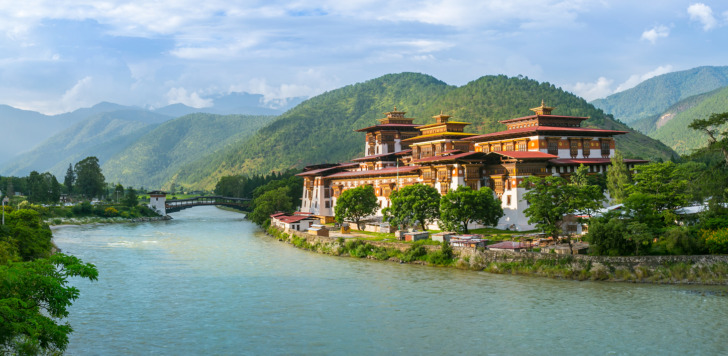
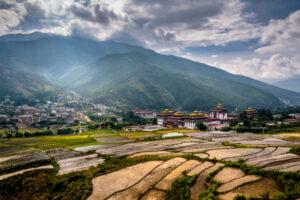
Paro is one of Bhutan’s most beautiful and important towns, sitting in a wide valley surrounded by forested hills, rice fields, traditional houses, monasteries, and dramatic Himalayan scenery.
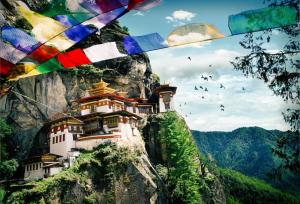
It is best known as the home of Paro Taktsang, the Tiger’s Nest Monastery, one of the most iconic religious sites in Asia.
Paro also has Bhutan’s only international airport, which makes it the main entry point for many visitors.
Safety-wise, Paro is very calm, orderly, and low-crime.
Bhutan has a peaceful atmosphere, strong cultural traditions, and a tourism system that keeps travel fairly structured.
The main risks are not urban crime.
They are altitude, mountain roads, hiking fatigue, weather changes, flight delays, stray dogs, cultural mistakes, and underestimating how physically demanding even a short Bhutan itinerary can feel.
Warnings & Dangers in Paro

OVERALL RISK: LOW
Paro is a low-risk destination for most travelers. Violent crime is rare, locals are generally respectful, and the town feels calm and safe. The main concerns are altitude adjustment, road conditions, hiking safety, weather, limited medical facilities, and respecting religious and cultural rules. With planning, Paro is very safe.

TRANSPORT & TAXIS RISK: MEDIUM
Transport is generally safe, but roads in and around Paro can be narrow, winding, and affected by weather. Most tourists use arranged drivers, guides, hotel transfers, or tour vehicles. Self-driving is not common for visitors. Mountain roads require patience, especially in rain, fog, winter conditions, or when traveling between valleys.

PICKPOCKETS RISK: LOW
Pickpocketing is uncommon in Paro. The town is quiet compared with major Asian tourist hubs, and crime against tourists is rare. Still, keep phones, wallets, passports, and cameras secure in markets, festivals, airport areas, monasteries, and busy viewpoints. Most loss is more likely from carelessness than theft.

NATURAL DISASTERS RISK: MEDIUM
Paro has a medium natural risk because of its Himalayan location. Earthquakes, landslides, heavy rain, snow, flooding, road closures, and sudden weather changes can affect travel. Mountain conditions can change quickly, especially on hikes and roads outside town. Flight delays are also possible because of weather and valley landing conditions.

MUGGING RISK: LOW
Mugging is very rare in Paro. The town center, hotels, monasteries, airport area, and main tourist sites are generally safe during the day and evening. Still, avoid isolated roads or dark areas late at night if alone. The bigger risks are weather, dogs, and transport logistics rather than violent crime.

TERRORISM RISK: LOW
The terrorism risk in Paro is low. Bhutan is generally peaceful, and Paro is not a typical target for terrorism. Travelers should use normal awareness in airports, festivals, and crowded public areas, but terrorism is not a practical concern for most visitors. Cultural respect and outdoor safety matter much more.

SCAMS RISK: LOW
Scams are uncommon in Paro, partly because tourism is more regulated than in many countries. The main issues are unclear souvenir prices, misunderstandings over tour inclusions, or paying too much for handicrafts. Confirm what your tour package includes, ask prices before buying, and use reputable hotels, guides, and drivers.

WOMEN TRAVELERS RISK: LOW
Paro is generally safe for women travelers, including solo women within organized travel arrangements. Harassment is uncommon, and public areas feel calm. Normal precautions still apply: avoid isolated areas at night, dress modestly around religious sites, use trusted transport, and choose well-reviewed accommodation.

TAP WATER RISK: MEDIUM
Tap water in Paro is not recommended for most travelers unless boiled, filtered, or treated. Bottled water is widely available, and hotels often provide safe drinking water. Use bottled or filtered water for drinking, and if you have a sensitive stomach, for brushing teeth too. Staying hydrated is especially important at altitude.
Safest Places to Visit in Paro
Paro Taktsang, Tiger’s Nest Monastery
Tiger’s Nest Monastery is Paro’s most famous attraction and one of Bhutan’s most sacred sites.
It is safe to visit with proper preparation, but the hike is physically demanding.
The trail involves altitude, steep sections, stairs, uneven ground, and changing weather.
Start early, wear proper shoes, carry water, and go slowly.
Visitors should dress respectfully and follow photography restrictions around religious areas.
Rinpung Dzong
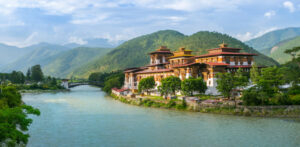
Rinpung Dzong is one of Paro’s most important fortress-monasteries and a safe, peaceful place to visit during opening hours.
It has traditional architecture, courtyards, religious spaces, and excellent views over the valley.
The main safety issues are stone steps, uneven surfaces, and cultural etiquette.
Dress modestly, speak quietly, and follow your guide’s instructions.
National Museum of Bhutan
The National Museum, located above Rinpung Dzong, is a safe and worthwhile stop for understanding Bhutanese culture, religion, art, textiles, and history.
It is calmer than outdoor attractions and a good option if the weather is poor.
The road up can be winding, so use arranged transport and take your time if walking.
Paro Town Center
Paro’s town center is small, safe, and easy to explore.
It has shops, cafes, restaurants, handicraft stores, hotels, and traditional buildings.
During the day and early evening, it feels comfortable and low-stress.
The main things to watch are traffic on narrow roads, souvenir pricing, and stray dogs after dark.
Kyichu Lhakhang
Kyichu Lhakhang is one of Bhutan’s oldest and most revered temples.
It is generally safe, quiet, and deeply atmospheric.
Visitors should dress respectfully, remove shoes where required, and follow temple rules.
The area is peaceful and suitable for a slower cultural visit, especially with a guide who can explain its significance.
Places to Avoid in Paro
Tiger’s Nest Trail in Bad Weather
The Tiger’s Nest hike should not be attempted in heavy rain, snow, strong wind, poor visibility, or icy conditions.
The trail can become slippery, and the final stair sections require care.
If the weather is bad, delay the hike or choose a lower-level cultural visit instead.
The monastery will still be there tomorrow.
Remote Roads After Dark
Avoid unnecessary travel on rural or mountain roads after dark.
Roads around Paro and between Bhutanese valleys can be narrow, winding, and poorly lit.
Weather, animals, landslides, and limited roadside services can make night travel more stressful.
Daylight travel is safer and much more scenic.
Religious Sites Without Following Etiquette
Paro’s temples, monasteries, and dzongs are active sacred places.
Avoid entering restricted areas, taking photos where prohibited, pointing feet toward altars, touching religious objects, or wearing revealing clothing.
These mistakes are not usually dangerous, but they are disrespectful and can create uncomfortable situations.
Isolated Areas With Stray Dogs at Night
Stray dogs can be common in Bhutanese towns, including Paro.
Most are harmless during the day, but groups of dogs can be noisy or intimidating at night.
Avoid walking alone through quiet streets, empty roads, or unlit areas late at night.
Use hotel transport if needed.
Hiking Routes Without a Guide or Proper Gear
Most visitors travel with guides, and that is helpful in Bhutan.
Avoid trying to improvise hikes without route knowledge, weather awareness, water, proper shoes, and altitude preparation.
Trails can be more tiring than expected, and help may not be immediately available in remote areas.
Safety Tips for Traveling to Paro
- Take altitude seriously. Paro sits at a high elevation, and many travelers feel the altitude even if they are reasonably fit. Symptoms can include headache, fatigue, poor sleep, nausea, and shortness of breath on climbs. Take your first day slowly, drink water, avoid heavy alcohol, and do not rush into the Tiger’s Nest hike immediately if you feel unwell.
- Wear proper shoes for Tiger’s Nest. The Tiger’s Nest hike is not technical, but it is not a casual city walk either. The trail has dirt paths, stone steps, slopes, dust, mud, and exposed sections depending on weather. Wear shoes with grip and support. Fancy travel shoes may look nice in photos, but your ankles may file a complaint halfway up.
- Listen to your guide. Bhutanese guides are useful for more than history. They help with etiquette, route timing, weather decisions, temple rules, transport, and local expectations. If your guide suggests slowing down, skipping a road, delaying a hike, or dressing differently for a monastery, listen. Local knowledge is one of your best safety tools in Bhutan.
- Dress modestly at religious sites. Paro has many temples, monasteries, and dzongs, so respectful clothing matters. Cover shoulders and knees, avoid hats inside religious spaces, and remove shoes when required. Some places may have stricter rules. Dressing properly makes visits smoother and shows respect for Bhutanese culture.
- Carry water during hikes and sightseeing. Altitude, sun, dry air, and walking can dehydrate you faster than expected. Carry water for Tiger’s Nest, valley walks, and long sightseeing days. Use bottled, boiled, filtered, or properly treated water. Even if the weather feels cool, dehydration can still make altitude symptoms worse.
- Build flexibility into your flight plans. Paro’s airport is famous for its dramatic valley approach, but mountain weather can affect flights. Delays, rescheduling, or visibility issues are possible. Avoid planning tight same-day international connections if you can. Give yourself buffer time, especially if your Bhutan trip connects through another country.
- Avoid rushing between valleys. Bhutan looks small on a map, but mountain roads make travel slower. Drives between Paro, Thimphu, Punakha, and other areas can involve curves, elevation changes, weather delays, and scenic stops. Do not pack too much into one day. Slower travel is safer and fits Bhutan’s pace much better.
- Be cautious with stray dogs at night. Dogs are common in and around Paro. Most are not aggressive, but groups may bark or follow at night. Avoid running, shouting, or provoking them. If you feel uncomfortable walking after dark, ask your hotel for transport or walk with someone else. This is a small but real nighttime concern.
- Protect yourself from weather changes. Paro can have strong sun, cool evenings, sudden rain, wind, or chilly mountain air. Dress in layers, bring a light rain jacket, and carry sunscreen. Weather can feel different between the valley floor, monastery trails, and higher roads. A layered outfit is boring advice until it saves your day.
- Respect local customs and pace. Bhutan is not a destination to rush through loudly. Speak respectfully, ask before photographing people, follow rules at sacred sites, and avoid public behavior that would feel normal elsewhere but rude here. Safety in Paro is partly social: the more respectfully you travel, the smoother and more welcoming the experience becomes.
So... How Safe Is Paro Really?
Paro is very safe from a crime perspective.
Violent crime is rare, theft is uncommon, and the town has a calm, orderly feeling that many travelers find refreshing.
The structured nature of Bhutanese tourism also helps reduce many common travel problems, such as aggressive touts, chaotic transport, and constant scams.
The real risks are environmental and physical.
Altitude can affect visitors soon after arrival.
The Tiger’s Nest hike is rewarding but tiring.
Mountain roads can be slow, winding, and weather-dependent.
Flights can be delayed by visibility.
Religious sites require respectful behavior.
Stray dogs can be an issue at night, and tap water should be treated or avoided for drinking.
I would rate Paro as low risk overall, with medium risk for altitude, hiking, mountain roads, and weather-related travel disruption.
The safest visitors move slowly, use good guides, dress respectfully, drink safe water, and avoid overpacking the itinerary.
Do that, and Paro is one of the safest and most spiritually memorable destinations in the Himalayas.
How Does Paro Compare?
| City | Safety Index |
|---|---|
| Paro |
90 |
| Bumthang |
92 |
| Punakha |
91 |
| Trongsa |
90 |
| Phobjikha |
89 |
| Thimphu |
88 |
 Eureka Springs Eureka Springs | 82 |
| Santa Clara | 82 |
| Orangeburg | 62 |
| Sunapee | 82 |
| Bryce Canyon City | 82 |
 San Salvador San Salvador | 60 |
Useful Information

Visas
Paro is in Bhutan. Most international travelers need to arrange entry through Bhutan's official tourism system before arrival, including visa approval and payment of required tourism fees. Entry rules can vary by nationality and trip type. Make sure your passport is valid and that your travel arrangements are confirmed before flying.

Currency
Paro uses the Bhutanese ngultrum, and Indian rupees are also widely accepted in many places, though some larger denominations may not be convenient. Cards may work at hotels and larger shops, but cash is useful for small purchases, tips, souvenirs, and rural stops. ATMs are available but not always reliable.

Weather
Paro has cool winters, mild summers, and changeable mountain weather. Spring and autumn are popular for clear skies, festivals, and comfortable sightseeing. Winter can be cold, especially in the mornings and evenings. Pack layers, a rain jacket, sunscreen, comfortable shoes, and warmer clothing for higher areas or early starts.

Airports
Paro International Airport is Bhutan's main international airport and one of the most scenic airport approaches in the world. Flights can be affected by weather, visibility, and mountain conditions. Most visitors continue from Paro to Thimphu or other valleys by arranged vehicle, guide, or tour transport.

Travel Insurance
Travel insurance is strongly recommended for Paro and Bhutan. Good coverage should include medical care, cancellations, theft, lost luggage, flight delays, weather disruption, mountain road delays, hiking injuries, and emergency evacuation. Check that your policy covers high-altitude travel and any planned trekking or outdoor activities.
Paro Weather Averages (Temperatures)
Average High/Low Temperature
| Temperature / Month | Jan | Feb | Mar | Apr | May | Jun | Jul | Aug | Sep | Oct | Nov | Dec |
|---|---|---|---|---|---|---|---|---|---|---|---|---|
| High °C |
9 | 13 | 16 | 20 | 23 | 25 | 25 | 25 | 23 | 21 | 17 | 12 |
| Low °C |
-6 | -4 | 0 | 4 | 8 | 14 | 15 | 15 | 13 | 7 | 2 | -3 |
| High °F |
48 | 55 | 61 | 68 | 73 | 77 | 77 | 77 | 73 | 70 | 63 | 54 |
| Low °F |
21 | 25 | 32 | 39 | 46 | 57 | 59 | 59 | 55 | 45 | 36 | 27 |
Bhutan - Safety by City
| City | Safety Index |
|---|---|
| Bumthang | 92 |
| Paro | 90 |
| Phobjikha | 89 |
| Punakha | 91 |
| Thimphu | 88 |
| Trongsa | 90 |







So, how many times did you end up huffing and puffing halfway up to Tiger’s Nest before realizing it’s no casual stroll?