


 China : Safety by City
- Beijing
- Chengdu
- Guangxi Guilin
- Guangzhou
- Hangzhou
- Hong Kong
- Lhasa
- Macau
- Shanghai
- Shenzhen
- Suzhou
- Tianjin
- Tibet
- Xian
- Xinjiang
- Yangshuo
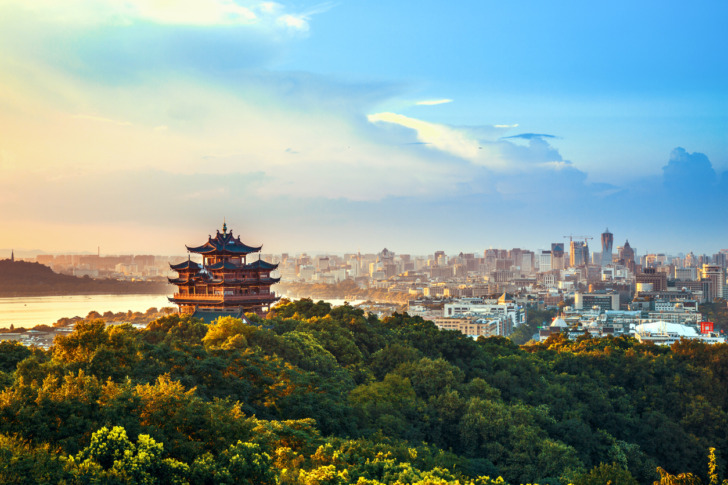
Hangzhou is one of China’s most beautiful and historically important cities, sitting in Zhejiang Province southwest of Shanghai.
It is famous for West Lake, misty pagodas, tea fields, temples, canals, silk history, gardens, and a polished modern city center that blends old Chinese scenery with high-speed urban life.
Marco Polo supposedly admired it, poets wrote about it for centuries, and today it remains one of China’s most popular domestic travel destinations.
Hangzhou is generally very safe for tourists, especially when it comes to violent crime.
Streets are orderly, public transport is efficient, and main attractions are well managed.
The main risks are petty theft in crowds, traffic, language barriers, scams, summer heat, typhoons, air-quality changes, and internet or payment issues that can surprise first-time visitors to China.
Warnings & Dangers in Hangzhou

OVERALL RISK: LOW
Hangzhou is a low-risk destination for most travelers. Violent crime is rare, tourist areas are busy and well monitored, and public spaces generally feel safe during the day and evening. The main concerns are petty theft, traffic, scams, weather, communication barriers, and payment issues if you are not prepared.

TRANSPORT & TAXIS RISK: LOW
Transport in Hangzhou is generally safe and convenient. The metro is clean, modern, and reliable, while taxis and ride-hailing are widely used. Traffic can be busy, and scooters may appear suddenly near crossings. Use official taxis or trusted ride-hailing apps, and allow extra time during rush hours or holidays.

PICKPOCKETS RISK: MEDIUM
Pickpocketing is not extreme, but it can happen around West Lake, metro stations, night markets, shopping streets, bus stops, train stations, and crowded tourist spots. Keep phones, wallets, and passports secure. Most theft is opportunistic, so avoid leaving bags open or phones loose in busy areas.

NATURAL DISASTERS RISK: MEDIUM
Hangzhou has a medium natural risk because of typhoons, heavy rain, flooding, summer heat, humidity, and occasional air-quality issues. Most visits are smooth, but weather can disrupt outdoor plans, especially lake walks, mountain paths, boat rides, and tea village visits. Summer heat can be draining, so hydration matters.

MUGGING RISK: LOW
Mugging is rare in Hangzhou. The city is orderly and safe in most central and tourist areas. West Lake, shopping districts, hotels, restaurants, and metro stations are generally comfortable. Still, avoid poorly lit parks, isolated paths, and quiet waterfront areas late at night if alone.

TERRORISM RISK: LOW
The terrorism risk in Hangzhou is low. It is a major city and tourist destination, but visitors are far more likely to deal with transport delays, crowds, scams, or weather problems than terrorism. Normal awareness in train stations, airports, large events, and crowded public places is enough.

SCAMS RISK: MEDIUM
Scams can happen in tourist-heavy areas. Watch for overpriced tea tastings, fake guides, suspicious invitations to private shops, taxi overcharging, unofficial ticket sellers, and unclear prices in markets. Confirm costs before agreeing to anything, and avoid following strangers to restaurants, tea houses, or shops.

WOMEN TRAVELERS RISK: LOW
Hangzhou is generally safe for women travelers, including solo women. Public areas, metro stations, shopping streets, and main attractions feel comfortable. Normal precautions still apply: avoid isolated areas late at night, use trusted transport, watch drinks, and choose accommodation close to metro access or central areas.

TAP WATER RISK: MEDIUM
Tap water in Hangzhou is not recommended for drinking unless boiled or properly filtered. Bottled water is cheap and widely available. Use bottled or boiled water for drinking, and if you have a sensitive stomach, for brushing teeth too. Hotels usually provide kettles, which makes boiled water easy.
Safest Places to Visit in Hangzhou
West Lake
West Lake is Hangzhou’s most famous attraction and one of the safest places for visitors.
The lake area has walking paths, gardens, bridges, temples, boat docks, cafes, and scenic viewpoints.
During the day and early evening, it is busy and comfortable.
The main risks are pickpockets in crowded spots, slippery paths in rain, and exhaustion from walking too much in heat or humidity.
Lingyin Temple
Lingyin Temple is one of China’s most important Buddhist temples and a safe, organized attraction.
It sits in a forested area with stone carvings, incense, courtyards, and mountain scenery.
The site can get crowded during weekends and holidays.
Watch your belongings, dress respectfully, and wear comfortable shoes because the area involves steps and uneven surfaces.
Longjing Tea Village
Longjing, also known as Dragon Well, is a peaceful tea-growing area west of the city.
It is safe and scenic, with tea terraces, village lanes, small restaurants, and tea houses.
The main issue is pricing.
Some tea tastings or purchases can be expensive, so ask prices clearly before sitting down or buying tea.
Hefang Street
Hefang Street is a popular historic shopping street with snacks, souvenirs, traditional-style buildings, pharmacies, tea shops, and crafts.
It is safe and lively, especially during the day and evening.
The main risks are crowds, tourist pricing, and small scams.
Keep valuables secure and check prices before buying.
Xixi Wetland
Xixi National Wetland Park is a safe and calmer escape from the city, known for waterways, greenery, walking paths, boat rides, and seasonal scenery.
It is best visited during daylight.
The main safety concerns are weather, slippery paths after rain, mosquitoes, and making sure you understand park routes and transport back.
Places to Avoid in Hangzhou
Unofficial Tea Shops With Pushy Invitations
Hangzhou is famous for Longjing tea, but visitors should be cautious if strangers invite them to private tea tastings or shops with unclear prices.
Some places may pressure tourists into expensive purchases.
Use reputable tea houses, ask prices upfront, and do not feel obligated to buy after tasting.
Crowded Train Stations When Distracted
Hangzhou’s railway stations are safe but very busy, especially during holidays and peak travel times.
Crowds make it easier to lose belongings or get overwhelmed.
Keep bags close, arrive early, and make sure you know which station you need, as Hangzhou has more than one major rail station.
Isolated Lake Paths Late at Night
West Lake is safe, but some paths become quiet late at night.
If you are alone, stick to lit, busier routes near hotels, restaurants, and main roads.
The risk is low, but dark waterside paths are not the best place to wander with valuables or after drinking.
Roads and Intersections Without Paying Attention
Traffic in Hangzhou is organized compared with many cities, but scooters, e-bikes, buses, cars, and pedestrians all share busy streets.
Do not assume vehicles will always stop the way they might in your home country.
Look both ways carefully, even on green lights, and pay attention near bike lanes.
Outdoor Areas During Typhoon or Heavy Rain
Avoid lake walks, mountain paths, wetland parks, boat rides, and exposed viewpoints during heavy rain, strong wind, or typhoon conditions.
Flooding, falling branches, slippery paths, and transport delays can happen.
If the weather turns bad, choose malls, museums, restaurants, or indoor attractions instead.
Safety Tips for Traveling to Hangzhou
- Set up mobile payments before arrival. China is highly digital, and Hangzhou is no exception. Many shops, restaurants, taxis, and attractions rely heavily on mobile payments. Foreign cards are not always accepted everywhere, and cash is less convenient than it used to be. Set up payment apps before arrival if possible, and keep some cash as backup. This avoids a lot of small travel headaches.
- Use the metro whenever possible. Hangzhou’s metro is one of the safest and easiest ways to move around the city. It is clean, efficient, and useful for reaching major areas. It also avoids traffic, taxi confusion, and language barriers. During rush hours, trains can be crowded, so keep your bag close and move patiently.
- Keep your passport secure. Foreign travelers in China should keep their passport safe and have a copy or photo available. Hotels may need your passport for check-in, and official checks are possible. Do not carry your passport loosely in a backpack or open bag. Use a secure pocket or hotel safe when appropriate.
- Be cautious with tea scams. Hangzhou is a tea city, and trying Longjing tea can be a great experience. Just be careful with vague invitations, private tastings, or places that do not show prices clearly. Ask the cost before drinking or buying. If someone is too pushy, walk away politely. Real tea culture does not require sales ambush energy.
- Watch traffic and scooters. E-bikes and scooters are everywhere in Chinese cities, and they can be quiet. Look carefully before crossing streets, stepping out of taxis, or walking across bike lanes. Do not walk while staring at your phone near intersections. The biggest daily safety risk in Hangzhou may be traffic awareness, not crime.
- Carry translation tools. English is not guaranteed outside major hotels, international restaurants, and some tourist sites. A translation app helps with taxis, menus, directions, payments, and small emergencies. Save your hotel name and address in Chinese characters. This is especially useful if your phone signal drops or a driver does not understand English.
- Prepare for internet restrictions. Many international websites, apps, and services may not work normally in China. This can affect maps, messaging, email, payment setup, translation, and travel planning. Prepare before arrival by downloading offline maps, saving addresses, and setting up any tools you need. Do not assume your usual apps will work the same way.
- Stay hydrated in summer. Hangzhou can be hot and humid in summer, and sightseeing around West Lake can involve a lot more walking than expected. Carry water, use sunscreen, wear breathable clothing, and take breaks in shade or air-conditioned cafes. Heat exhaustion is a realistic risk during long outdoor days.
- Avoid overpacking your West Lake day. West Lake looks peaceful, but the area is large. Walking the entire lake, visiting temples, taking a boat, eating, shopping, and adding a tea village can become a long day. Plan by section instead of trying to do everything at once. A slower pace is safer, less tiring, and more enjoyable.
- Check weather before outdoor trips. Weather can change quickly, especially during rainy or typhoon-prone periods. Before visiting Xixi Wetland, Longjing, Lingyin, or mountain viewpoints, check the forecast. Heavy rain can make paths slippery and disrupt transport. If conditions are poor, switch to indoor attractions, shopping streets, museums, or restaurants.
So... How Safe Is Hangzhou Really?
Hangzhou is very safe for travelers, especially when it comes to violent crime.
The city is modern, orderly, and heavily used to domestic and international visitors.
West Lake, Lingyin Temple, Hefang Street, Xixi Wetland, Longjing tea areas, shopping districts, hotels, and metro stations are generally comfortable during the day and evening.
The main risks are practical.
Pickpocketing can happen in crowded areas, though it is not usually aggressive.
Scams can occur around tea, taxis, and tourist shopping.
Traffic requires attention, especially scooters and e-bikes.
Summer heat and humidity can be tiring, while typhoons and heavy rain can disrupt outdoor plans.
Payment systems, language barriers, and internet restrictions can also create stress if you arrive unprepared.
I would rate Hangzhou as low risk overall, with medium risk for scams, crowds, weather, and traffic awareness.
It is not a city where visitors need to feel nervous, but it is a city where preparation makes a huge difference.
Set up payments, save Chinese addresses, use the metro, protect valuables in crowds, avoid vague tea invitations, and check the weather before big outdoor days.
Do that, and Hangzhou is a safe, scenic, and rewarding Chinese city to visit.
How Does Hangzhou Compare?
| City | Safety Index |
|---|---|
| Hangzhou |
78 |
| Shenzhen |
64 |
| Yangshuo |
77 |
| Hong Kong |
75 |
| Xinjiang |
80 |
| Shanghai |
70 |
| Tibet |
87 |
 Greenville Greenville | 81 |
| Stateline | 76 |
| West Wendover | 72 |
| Chesterfield | 78 |
| Fenton | 72 |
 Tartu Tartu | 85 |
Useful Information

Visas
Hangzhou is in China. Many travelers need a visa before arrival, while some may qualify for transit visa-free policies depending on nationality, route, and length of stay. Entry rules can vary, so check requirements before traveling. Make sure your passport is valid and keep accommodation and onward travel details available.

Currency
Hangzhou uses the Chinese yuan. Mobile payments are extremely common, and cards issued outside China may not work everywhere. Cash is still useful as a backup, especially for smaller purchases or if payment apps fail. ATMs are available, but carrying some yuan before arrival can reduce stress.

Weather
Hangzhou has hot, humid summers, cool winters, and pleasant spring and autumn seasons. Summer can bring heavy rain, heat, and typhoon-related weather, while winter can feel damp and chilly. Spring is popular for flowers and tea fields, and autumn is excellent for lake walks. Pack layers, rain protection, and comfortable shoes.

Airports
Hangzhou is served by Hangzhou Xiaoshan International Airport, located east of the city center. It connects with domestic and international destinations. Travelers can reach the city by metro, airport bus, taxi, ride-hailing, or private transfer. Hangzhou is also well connected by high-speed rail to Shanghai, Suzhou, Nanjing, and other major cities.

Travel Insurance
Travel insurance is recommended for Hangzhou, especially if your trip includes flights, trains, prepaid hotels, multiple Chinese cities, outdoor attractions, or typhoon-season travel. Good coverage should include medical care, cancellations, theft, lost luggage, delays, weather disruption, and emergency assistance.
Hangzhou Weather Averages (Temperatures)
Average High/Low Temperature
| Temperature / Month | Jan | Feb | Mar | Apr | May | Jun | Jul | Aug | Sep | Oct | Nov | Dec |
|---|---|---|---|---|---|---|---|---|---|---|---|---|
| High °C |
9 | 10 | 14 | 20 | 26 | 30 | 34 | 33 | 28 | 23 | 17 | 11 |
| Low °C |
2 | 3 | 6 | 12 | 17 | 22 | 26 | 25 | 21 | 15 | 10 | 4 |
| High °F |
48 | 50 | 57 | 68 | 79 | 86 | 93 | 91 | 82 | 73 | 63 | 52 |
| Low °F |
36 | 37 | 43 | 54 | 63 | 72 | 79 | 77 | 70 | 59 | 50 | 39 |
China - Safety by City
| City | Safety Index |
|---|---|
| Beijing | 75 |
| Chengdu | 74 |
| Guangxi Guilin | 76 |
| Guangzhou | 64 |
| Hangzhou | 78 |
| Hong Kong | 75 |
| Lhasa | 72 |
| Macau | 85 |
| Shanghai | 70 |
| Shenzhen | 64 |
| Suzhou | 79 |
| Tianjin | 67 |
| Tibet | 87 |
| Xian | 73 |
| Xinjiang | 80 |
| Yangshuo | 77 |
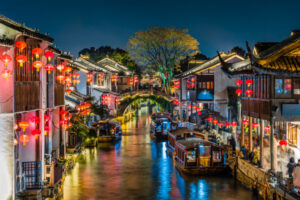
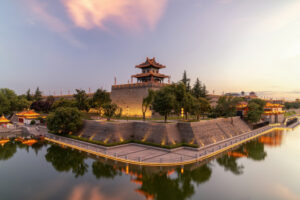
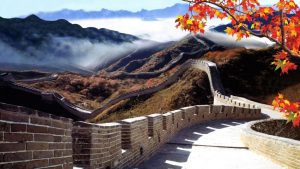













Never thought the mix of misty pagodas and busy city life could feel so chill, even when the summer heat hits hard around West Lake!