


 Australia : Safety by City
- Adelaide
- Alice Springs
- Brisbane
- Broome
- Byron Bay
- Cairns
- Canberra
- Darwin
- Fremantle
- Geelong
- Gold Coast
- Hobart
- Launceston
- Melbourne
- Perth
- Port Douglas
- Sydney
- Townsville
- Wollongong
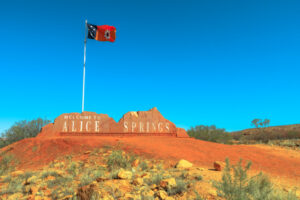
Alice Springs sits almost exactly in the center of Australia, surrounded by red desert, rocky ranges, dry riverbeds, and distances that make ordinary maps look mildly dishonest.
Known as Mparntwe to the Central Arrernte people, the town is the main gateway to the MacDonnell Ranges, the Larapinta Trail, Kings Canyon, and the wider Red Centre.
Alice Springs has Aboriginal art galleries, desert wildlife, historic telegraph buildings, museums, hiking trails, and some of the clearest night skies you will ever see.
It also has genuine social problems, including alcohol-related violence, property crime, and periods of public disorder.
Tourists can still visit safely, but Alice Springs requires more caution than most Australian destinations, especially after dark and when traveling into remote areas.
Warnings & Dangers in Launceston

OVERALL RISK: MEDIUM
Alice Springs has a medium overall risk. Tourist attractions and central businesses are usually comfortable during daylight, but the town records comparatively high levels of assault, property damage, burglary, and alcohol-related disorder. Visitors should avoid walking around late at night, secure vehicles carefully, stay in reputable accommodation, and use taxis for evening transportation.

TRANSPORT & TAXIS RISK: MEDIUM
Taxis, airport shuttles, tour buses, and rental cars are generally safe, but availability can become limited at busy times. Road travel outside town introduces greater risks, including fatigue, animals, extreme heat, poor phone coverage, flooding, and long distances between services. Avoid driving remote roads after dark and check conditions before every journey.

PICKPOCKETS RISK: MEDIUM
Traditional pickpocketing is not as organized as it is in major European cities, but opportunistic theft occurs around shopping areas, events, public transport, hotels, and busy central streets. Phones, wallets, alcohol, bags, and vehicle contents are common targets. Keep valuables concealed and never leave belongings visible inside a parked car.

NATURAL DISASTERS RISK: MEDIUM
Extreme heat, bushfires, flash floods, thunderstorms, dust, and remote-area breakdowns create a medium natural risk. Summer temperatures regularly exceed 35°C and may climb above 40°C. Heavy rain can suddenly fill the normally dry Todd River and close roads. Hikers should carry water, avoid midday heat, and check fire and weather warnings.

MUGGING RISK: MEDIUM
Robberies and assaults do occur in Alice Springs, particularly late at night, around quiet streets, car parks, the dry riverbed, and areas affected by alcohol-related disorder. Tourists are not the primary victims of most violence, but they can still become targets of opportunity. Use transport after dark and avoid confrontations with agitated groups.

TERRORISM RISK: LOW
The terrorism risk in Alice Springs is low. Australia maintains strong national security systems, and ordinary tourist attractions are not considered frequent targets. Pine Gap is a sensitive defence facility outside town, so visitors should stay away from restricted roads, demonstrations, guarded areas, and photography involving military or intelligence infrastructure.

SCAMS RISK: LOW
Tourist scams are not a major problem in Alice Springs. Possible issues include overpriced informal transport, fake accommodation listings, questionable roadside assistance, and unclear tour cancellation terms. Book through established businesses, confirm prices before accepting services, and be cautious when strangers request money, cigarettes, alcohol, fuel, or access to your vehicle.

WOMEN TRAVELERS RISK: MEDIUM
Women can visit Alice Springs safely, including alone, but solo nighttime walking is not recommended. Harassment, aggressive behavior, drink tampering, and alcohol-related incidents are possible around nightlife areas and quiet streets. Stay centrally, watch drinks carefully, arrange transport before leaving restaurants, and avoid isolated trails or riverbed areas without company.

TAP WATER RISK: LOW
Tap water in Alice Springs is safe to drink and is routinely consumed by residents. Its mineral content may give it a different taste from water elsewhere in Australia, but bottled water is unnecessary for health reasons. Carry a refillable bottle at all times because the desert climate causes dehydration faster than many visitors expect.
Safest Places to Visit in Launceston
Alice Springs Desert Park
Alice Springs Desert Park is one of the safest and most informative attractions in the region.
It presents Central Australia’s desert environments, plants, wildlife, and Aboriginal cultural knowledge in a controlled setting west of town.
Visit during opening hours, bring sun protection, and carry water even though visitor facilities are available.
Araluen Cultural Precinct
The Araluen Cultural Precinct contains museums, galleries, performance spaces, aviation history, and significant Aboriginal art collections.
It is a comfortable daytime destination with organized facilities and parking.
The precinct is especially useful for travelers who want to understand the region before heading into remote landscapes.
Alice Springs Telegraph Station
The Telegraph Station Historical Reserve is close to town and combines local history with walking and cycling routes.
It is generally safe during the day, particularly around the main visitor area.
Longer trails should be approached with normal desert precautions, including water, sun protection, navigation, and enough time to return before dark.
Todd Mall During Business Hours
Todd Mall is the commercial heart of central Alice Springs, with galleries, cafes, restaurants, souvenir stores, and local businesses.
It is best visited during the morning and afternoon, when shops are open, and security, workers, and other visitors are present.
The atmosphere can change once businesses close and foot traffic decreases.
West MacDonnell Ranges on Organized Day Trips
Simpsons Gap, Standley Chasm, Ormiston Gorge, and Ellery Creek Big Hole are among the safest and most rewarding regional attractions when visited in daylight through an established tour or properly prepared road trip.
Travelers should obey swimming warnings, carry supplies, and avoid remote hiking during extreme heat.
Places to Avoid in Launceston
Todd River Bed After Dark
The Todd River is usually dry and can appear to be a convenient walking route, but visitors should avoid the riverbed after dark.
Lighting is poor, visibility is limited, and antisocial behavior or confrontations can occur.
Flash flooding is another danger during storms, when water can arrive quickly from rainfall elsewhere.
Gap Road and Quiet Central Streets Late at Night
Gap Road contains hotels, restaurants, homes, and businesses and is not an official no-go area.
However, sections become quiet after businesses close, and walking long distances there late at night is unnecessary.
The same applies to side streets, pedestrian routes, and car parks around the central business district.
Use a taxi instead.
Railway, Industrial, and Commercial Edges
Areas around railway infrastructure, warehouses, industrial roads, and closed commercial properties offer little for tourists and can feel isolated outside working hours.
Avoid wandering around these sections at night, especially while carrying luggage or using a phone.
Arriving train passengers should arrange transport rather than walking unfamiliar routes after dark.
Remote Desert Tracks Without Preparation
Do not leave sealed roads or established tourist routes simply because a navigation app suggests a shortcut.
Remote tracks may require a four-wheel-drive vehicle, permits, recovery equipment, extra fuel, and satellite communication.
Heat, floods, mechanical failure, and navigation errors can become life-threatening when help is several hours away.
Pine Gap and Restricted Defence Areas
Pine Gap is an active joint defence and intelligence facility southwest of Alice Springs.
Visitors should not approach its access roads, gates, fences, or security infrastructure.
Photography and unauthorized entry can cause serious legal problems.
Demonstrations occasionally occur nearby, so avoid gatherings, roadblocks, and any increased police presence around the facility.
Safety Tips for Traveling to Launceston
- Avoid walking around town late at night. Central Alice Springs can feel normal during the day and very different after businesses close. Arrange a taxi, shuttle, or hotel transfer for evening meals and activities. Wait inside until your vehicle arrives rather than standing alone on a quiet street.
- Choose accommodation with secure parking. Vehicle theft and break-ins are realistic concerns. Look for accommodation with gated, locked, monitored, or well-lit parking. Remove luggage, alcohol, electronics, sunglasses, and loose items from the vehicle. Lock all doors, including when briefly stopping at shops or fuel stations.
- Carry far more water than you think you need. The desert air is extremely dry, and dehydration can develop before you feel dramatically thirsty. Carry water while sightseeing and several liters per person on road trips. Alcohol, coffee, and soft drinks should not replace plain water during hot weather.
- Avoid hiking during the hottest hours. In summer, complete walks early in the morning and return before the temperature peaks. Choose a route suitable for your fitness, tell someone where you are going, and turn back before your water is half gone. Desert heat does not reward stubbornness.
- Check road conditions before leaving town. Rain can close unsealed roads and create dangerous crossings even when Alice Springs itself looks dry. Use current road reports, check fuel distances, and tell your accommodation about remote plans. Never drive through floodwater or around a closed-road barrier.
- Do not travel remote highways at night. Kangaroos, cattle, camels, and other animals may move onto roads after sunset. Collisions can be severe, while assistance may be far away. Plan fuel and accommodation so that long drives finish well before dark, particularly between Alice Springs, Uluru, and Kings Canyon.
- Keep valuables and alcohol out of sight. Do not display cash, expensive cameras, large phones, jewelry, alcohol, or cartons of drinks. Keep hotel-room doors locked and never leave valuables beside a pool, campsite, or unlocked campervan. Most visitor theft is opportunistic and preventable.
- Use established tours for remote attractions. Guided tours reduce the risks of navigation mistakes, insufficient fuel, weather changes, and poorly prepared vehicles. They are especially valuable for first-time visitors heading to remote communities, desert tracks, long hiking routes, or destinations requiring permits.
- Respect Aboriginal communities and cultural rules. Ask permission before photographing people, ceremonies, artwork, homes, or community spaces. Some locations require permits or have cultural restrictions. Do not enter private communities without authorization, and avoid treating residents as attractions. Respect improves both safety and the quality of your experience.
- Save emergency information offline. Mobile coverage disappears quickly outside town. Download maps, carry written accommodation details, and keep emergency contacts accessible without internet service. For remote trips, consider a personal locator beacon or satellite communicator. In a serious Australian emergency, call 000 when coverage is available.
So... How Safe Is Launceston Really?
Alice Springs is not as safe as the average Australian tourist city, but the situation is more complicated than dramatic headlines suggest.
The town has real crime and social challenges, particularly involving alcohol-related violence, domestic violence, youth offending, property damage, burglary, and vehicle theft.
Visitors should not dismiss those issues or wander around carelessly after dark.
In May 2026, Alice Springs recorded 160 assaults, including 108 classified as domestic-violence related and 93 involving alcohol.
The same month included 42 house break-ins, 15 commercial break-ins, five motor-vehicle thefts, and 115 property-damage offences.
Altogether, police recorded 193 offences against people and 283 offences against property.
Those numbers are significant for a relatively small town, but they do not mean every tourist faces an equal chance of being attacked.
Much of the violence occurs between people who know one another and is connected to complex local social conditions.
Short-term visitors are more likely to encounter vehicle break-ins, opportunistic theft, aggressive behavior, or uncomfortable situations late at night.
Daytime tourism remains active.
Museums, galleries, wildlife parks, organized tours, and major natural attractions continue to receive visitors safely.
The biggest mistake is treating Alice Springs like a quiet country town where nothing needs to be locked, and every street is suitable for a midnight walk.
I assess that Alice Springs has a medium overall travel risk.
Visit the town, but stay in secure accommodation, avoid nighttime walking, protect your vehicle, and prepare seriously for desert travel.
Sensible travelers can still experience the Red Centre safely and leave with excellent memories rather than a good story for the insurance company.
How Does Launceston Compare?
| City | Safety Index |
|---|---|
| Launceston |
89 |
| Hobart |
90 |
| Geelong |
86 |
| Wollongong |
55 |
| Sydney |
85 |
| Darwin |
70 |
| Melbourne |
80 |
 Randburg Randburg | 32 |
 Brasilia Brasilia | 65 |
 Doba Doba | 24 |
 South Carolina South Carolina | 65 |
| Corydon | 55 |
 Banjarmasin Banjarmasin | 63 |
Useful Information

Visas
Most foreign visitors need an approved visa or electronic travel authorization before flying to Australia. Eligible European passport holders can obtain the free eVisitor subclass 651. Eligible travelers from countries such as the United States and Canada may use the ETA subclass 601, which carries an AUD 20 app service fee and commonly permits visits of up to three months.

Currency
Alice Springs uses the Australian dollar. Cards and contactless payments are accepted almost everywhere, including hotels, supermarkets, restaurants, fuel stations, and tour businesses. Carry some cash for markets, remote roadhouses, and payment-system failures. ATMs are available in town, but access becomes limited once you travel into the outback.

Weather
Alice Springs has extremely hot summers and cool winters with cold nights. Average January highs are around 36.6°C, while July averages about 19.9°C during the day and 3.9°C at night. Pack sun protection, breathable clothing, and a refillable bottle in summer. Winter visitors need warm layers, especially before sunrise and after sunset

Airports
Alice Springs Airport is approximately 15 kilometers south of the town center. The journey usually takes 15 to 20 minutes by taxi, airport shuttle, rental car, or hotel transfer. Flights mainly connect Alice Springs with Australian cities and regional Northern Territory destinations. Arrange transport before late arrivals because options may become limited.

Travel Insurance
Travel insurance is strongly recommended, especially for road trips, hiking, campervan travel, or remote tours. Choose coverage for medical treatment, vehicle incidents, theft, trip cancellations, emergency evacuation, and extreme-weather disruption. Confirm that hiking, four-wheel driving, and remote-area activities are included, since rescue and vehicle recovery can be extremely expensive.
Launceston Weather Averages (Temperatures)
Average High/Low Temperature
| Temperature / Month | Jan | Feb | Mar | Apr | May | Jun | Jul | Aug | Sep | Oct | Nov | Dec |
|---|---|---|---|---|---|---|---|---|---|---|---|---|
| High °C |
24 | 24 | 21 | 17 | 14 | 11 | 11 | 12 | 14 | 16 | 19 | 21 |
| Low °C |
11 | 11 | 9 | 7 | 5 | 3 | 2 | 3 | 4 | 6 | 7 | 9 |
| High °F |
75 | 75 | 70 | 63 | 57 | 52 | 52 | 54 | 57 | 61 | 66 | 70 |
| Low °F |
52 | 52 | 48 | 45 | 41 | 37 | 36 | 37 | 39 | 43 | 45 | 48 |
Australia - Safety by City
| City | Safety Index |
|---|---|
| Adelaide | 88 |
| Alice Springs | 70 |
| Brisbane | 90 |
| Broome | 86 |
| Byron Bay | 85 |
| Cairns | 61 |
| Canberra | 88 |
| Darwin | 70 |
| Fremantle | 85 |
| Geelong | 86 |
| Gold Coast | 69 |
| Hobart | 90 |
| Launceston | 89 |
| Melbourne | 80 |
| Perth | 85 |
| Port Douglas | 88 |
| Sydney | 85 |
| Townsville | 77 |
| Wollongong | 55 |
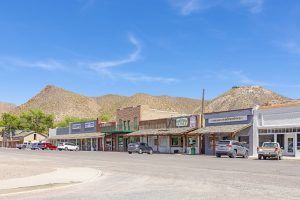
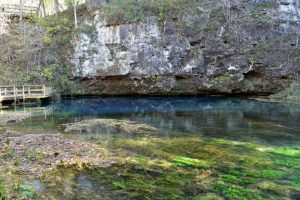
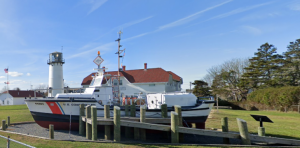












Spent a night under those crazy clear skies and honestly, it felt like the stars were showing off just for me.
Never expected the stars out here to be that bright, but the feeling walking the Larapinta Trail was something else.