


 Australia : Safety by City
- Adelaide
- Alice Springs
- Brisbane
- Broome
- Byron Bay
- Cairns
- Canberra
- Darwin
- Fremantle
- Geelong
- Gold Coast
- Hobart
- Launceston
- Melbourne
- Perth
- Port Douglas
- Sydney
- Townsville
- Wollongong
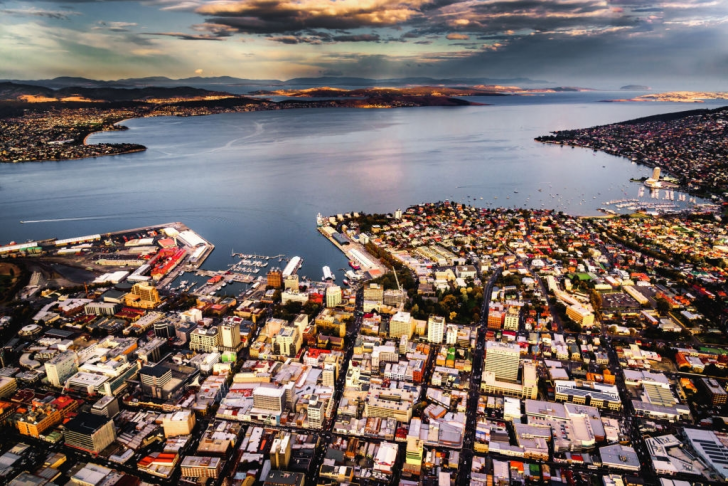
Hobart sits at the foot of kunanyi / Mount Wellington on the River Derwent, making it one of the most dramatic little capitals in Australia.
It is the capital of Tasmania, but it feels more like a relaxed harbor town than a busy state capital.
You get waterfront views, historic sandstone buildings, cool markets, mountain weather, and easy access to wilderness all in one place.
That mix is a huge part of Hobart’s appeal, and it also shapes the city’s safety profile.
In my view, Hobart is one of the safer urban destinations in Australia for tourists, especially compared with larger mainland cities.
The bigger issues here are not usually pickpockets or street crime.
They are things like cold weather on the mountain, driving on unfamiliar roads, wildlife after dark, and being careless around nightlife areas late at night.
For most travelers, Hobart is a calm, very manageable destination.
Warnings & Dangers in Hobart

OVERALL RISK: LOW
Hobart is generally a low-risk destination for travelers. Violent crime aimed at tourists is uncommon, and the city center is usually easy to navigate. Most visits are trouble-free. The main risks come from late-night drinking zones, petty opportunistic theft, and outdoor hazards such as sudden weather changes, slippery trails, and long rural drives outside the city.

TRANSPORT & TAXIS RISK: LOW
Transport risk in Hobart is low, but it is still smart to stay alert. Taxis, rideshares, airport buses, and rental cars are all common options, and the airport is fairly straightforward to reach. The bigger issue is road safety, especially if you drive outside the city at dusk or night, when wildlife and winding roads become a bigger hazard.

PICKPOCKETS RISK: LOW
Pickpocketing is not a major problem in Hobart compared with busier global tourist cities. Still, that does not mean it never happens. Bags left open in cafés, phones set on restaurant tables, or wallets sticking out in nightlife areas can attract opportunistic thieves. Travelers who use normal city awareness usually have no trouble here.

NATURAL DISASTERS RISK: MEDIUM
Natural disaster risk is moderate rather than extreme, but it deserves respect. Hobart and greater Tasmania can face bushfire danger, storms, floods, and sudden alpine weather changes. The city itself is not a disaster zone, but anyone heading into bushland, coastal areas, or up the mountain should pay close attention to weather and emergency warnings.

MUGGING RISK: LOW
Mugging risk is low in Hobart. Most tourists will never encounter anything like this. That said, late-night arguments, intoxicated groups, and isolated areas after dark can increase risk, especially on weekends. It is not a city where I would feel tense walking around in daylight, but sensible nighttime habits still matter.

TERRORISM RISK: LOW
The terrorism risk in Hobart is low. It does not have the profile of a major international hub or a location commonly associated with elevated terror threats. For visitors, this is not the category that should shape trip planning. Every day, safety decisions, weather awareness, and transport choices are far more relevant.

SCAMS RISK: LOW
Scam risk is low, especially compared with major tourist-heavy cities. You are unlikely to deal with the classic fake tour, fake taxi, or aggressive street seller setup here. The more realistic concerns are overpaying if you do not check menus or fares, or falling for online booking scams before arrival. Stick with reputable providers.

WOMEN TRAVELERS RISK: LOW
Hobart is generally a comfortable destination for women traveling alone. Many solo travelers find it relaxed, walkable, and easier to navigate than bigger cities. Still, that does not cancel out normal precautions. Use trusted transport at night, be careful around bars and clubs, and avoid isolated stretches after dark if you have been drinking.

TAP WATER RISK: LOW
Tap water risk is low. Hobart and Tasmania are well known for good drinking water, and visitors can generally drink tap water with confidence. Unless there is a very specific local advisory, buying bottled water is more about convenience than safety. Carrying a refillable bottle is usually the practical choice.
Safest Places to Visit in Hobart
Salamanca Place and the Waterfront
This is one of the best areas for first-time visitors because it is lively, central, and usually busy enough to feel comfortable.
Salamanca Place has galleries, restaurants, and the famous market atmosphere, while the waterfront brings steady foot traffic and great views.
In daylight and early evening, this is one of the easiest parts of Hobart to enjoy without stress.
Battery Point
Battery Point feels charming rather than hectic.
It is known for its historic cottages, quieter streets, and village-like atmosphere just above Salamanca.
I like this area for travelers who want to stroll, take photos, and enjoy Hobart at a slower pace.
It is generally peaceful, but the streets can be hilly and uneven, so watch your footing.
Hobart CBD
The city center is practical, compact, and usually straightforward for tourists.
It is where you will find shops, services, transit connections, and plenty of accommodation.
During the day, it is a reliable base for walking around.
At night, it stays fairly manageable, though it is still worth being a bit more alert around bars and quieter side streets.
Royal Tasmanian Botanical Gardens
For a calm outing, the botanical gardens are one of the safest-feeling spots in Hobart.
They attract families, couples, and daytime visitors rather than heavy nightlife crowds.
It is the kind of place where you can relax, spend a few easy hours, and enjoy greenery without the noise or unpredictability of busier entertainment districts.
Kunanyi / Mount Wellington in Good Conditions
This is one of Hobart’s highlights, but only when approached with respect.
In good weather, well-prepared visitors can enjoy incredible views and a memorable experience.
Safety here depends less on crime and more on conditions.
If the road is icy, the wind is brutal, or you are dressed like it is summer downtown, the mountain stops being casual very quickly.
Places to Avoid in Hobart
Isolated Areas Around Nightlife Late at Night
Hobart is not a city with huge no-go zones, but certain pockets feel less comfortable once bars empty out.
Around parts of the CBD, Salamanca after heavy drinking hours, and poorly lit side streets nearby, behavior can get louder and less predictable.
I would not call these extremely dangerous, but they are places to leave with awareness, not drift around aimlessly.
Parts of Glenorchy After Dark
Glenorchy is not a tourist district, and it has drawn police attention for anti-social behavior and retail crime issues in recent years.
That does not mean every visitor will face trouble there, but it is not somewhere I would recommend wandering casually at night if you have no real reason to be there.
Daytime errands are a different story.
Quiet Industrial or Commercial Zones at Night
Like in many cities, industrial edges and low-traffic commercial streets can feel much less safe after business hours.
There may be little foot traffic, fewer open venues, and a greater sense of isolation.
Even in a relatively safe city like Hobart, these are the places where a small problem can feel much bigger because nobody else is around.
North Hobart Late on Busy Weekend Nights
North Hobart is a fun food and nightlife strip, but alcohol changes the atmosphere late at night.
Most people are there for a good time, but arguments, disorderly behavior, and occasional police incidents can happen around closing time.
It is better enjoyed earlier in the evening than during the last wave of the night.
Remote Bushland Without Preparation
This is less a bad neighborhood and more a bad decision.
Travelers sometimes underestimate how fast conditions can shift in Tasmanian bushland or on mountain routes.
Going off alone without proper clothing, navigation, water, and weather awareness can create a more serious safety problem than anything you are likely to face in the city itself.
Safety Tips for Traveling to Hobart
- Dress for colder and changeable weather than you expect. Hobart can look sunny and mild, then turn windy, wet, or sharply colder fast. This matters even more if you are heading up the mountain. Bring layers, a waterproof outer layer, and shoes with decent grip.
- Take mountain safety seriously. Kunanyi / Mount Wellington is beautiful, but it is not just a scenic overlook. Road closures, snow, ice, strong winds, and freezing conditions can arrive quickly. Check conditions before you go and avoid treating it like a casual flip-flop stop.
- Use extra caution if you rent a car. Driving in and around Hobart is usually fine, but visitors often underestimate narrow roads, roundabouts, hills, and wildlife risks outside the city. If you are not used to left-side driving or rural Australian roads, slow down and avoid pushing long drives after dark.
- Do not get sloppy just because the city feels relaxed. Hobart’s easygoing vibe can make people drop their guard. Keep your phone, wallet, and bag secure in cafés, markets, and nightlife areas. You probably will not face professional pickpockets, but opportunistic theft can still happen.
- Plan your trip home before a night out. This is especially important if you are spending time around Salamanca, the CBD, or North Hobart. Book your ride in advance if needed, keep your phone charged, and avoid wandering to find transport after you are tired or have been drinking.
- Stick to well-lit, active streets at night. Hobart is safer than many cities, but quiet streets are still quiet streets. If an area looks empty, poorly lit, or a bit off after dark, trust that instinct and move back toward busier routes.
- Watch the official weather and emergency warnings. Bushfire, storm, and flood risks are real parts of life in Tasmania. Even if your hotel day feels normal, conditions in the surrounding areas can change quickly. This matters most for hikes, road trips, and scenic detours outside central Hobart.
- Be careful around the water and on coastal walks. Waterfront areas feel calm, but cold water, slippery surfaces, and sudden wind can catch people off guard. This is especially true if you are sightseeing with kids, taking photos near edges, or walking during rough weather.
- Limit what you carry on a night out. There is no need to bring your passport, extra cash, or every bank card if you are just going for dinner or drinks. Carry only what you need. Losing a small amount is annoying. Losing your main travel documents can wreck the trip.
- Buy travel insurance even though Hobart feels low risk. Travel insurance is not just for high-risk destinations. In Hobart, it is valuable for medical care, trip interruption, rental car issues, weather-related changes, and lost belongings. Low crime does not mean zero problems.
So... How Safe Is Hobart Really?
Hobart is, in practical terms, a safe destination for most travelers.
If you compare the risks tourists usually worry about, such as mugging, pickpocketing, terrorism, or unsafe drinking water, Hobart comes out very well.
It is not a place where visitors typically build an itinerary around crime avoidance.
The more realistic picture is that ordinary urban awareness is enough for most situations.
What stands out to me is that Hobart’s main safety story is environmental and situational rather than criminal.
Tasmania regularly deals with real emergency management issues such as bushfires, floods, storms, and dangerous alpine weather.
The mountain above the city is a perfect example.
It can look inviting and still become hazardous because of snow, ice, wind chill, or reduced visibility.
Add in Tasmania’s road conditions and wildlife risks outside urban areas, and you can see why local safety advice often focuses on preparation more than personal security.
There are also a few local trouble spots worth noting.
Late-night entertainment areas can get rowdy, and Glenorchy has seen extra police attention for anti-social behavior and retail crime.
Even so, for a traveler staying central, using trusted transport, and making smart decisions after dark, Hobart remains one of the more comfortable and lower-stress city destinations in Australia.
How Does Hobart Compare?
| City | Safety Index |
|---|---|
| Hobart |
90 |
| Port Douglas |
88 |
| Darwin |
70 |
| Cairns |
61 |
| Geelong |
86 |
| Alice Springs |
70 |
| Gold Coast |
69 |
 Upper Township & Ocean City Upper Township & Ocean City | 74 |
 Nimes Nimes | 65 |
 Osaka Osaka | 88 |
 Annaba Annaba | 44 |
 Lund Lund | 92 |
| Hopkinsville | 74 |
Useful Information

Visas
Australia’s visa rules depend on your passport. Many travelers need to apply before arrival, often through an ETA, eVisitor, or Visitor visa pathway. Some visa options are free or low-cost, while standard visitor applications can cost more and may take time to process. Apply well before your flight rather than leaving this to the last minute.

Currency
Hobart uses the Australian dollar. Cards are widely accepted in hotels, restaurants, shops, and transport services, so you do not need to carry much cash. If you exchange money, do it through banks, airport services, or established exchange providers. Using an ATM after arrival is often simpler than converting too much money in advance.

Weather
Hobart has four distinct seasons and cooler temperatures than many travelers expect from Australia. Summers are mild, while winters can feel cold, damp, and windy, especially at higher elevations. Layers are your friend here. Pack a light waterproof jacket year-round, and bring warm clothing if you plan to visit the mountain or travel in winter.

Airports
The main gateway is Hobart Airport, located outside the city in Cambridge. It is the primary airport for visitors heading into Hobart and southern Tasmania. Getting into town is easy by airport bus, taxi, rideshare, or rental car. In normal conditions, the trip to central Hobart takes roughly half an hour.

Travel Insurance
Travel insurance is a smart buy for Hobart, even though the city feels low risk. It can help with medical costs, flight disruptions, stolen property, rental car incidents, and weather-related changes to outdoor plans. Because many Hobart trips include road travel, hiking, or mountain visits, having coverage is one of the easiest ways to travel more confidently.
Hobart Weather Averages (Temperatures)
Average High/Low Temperature
| Temperature / Month | Jan | Feb | Mar | Apr | May | Jun | Jul | Aug | Sep | Oct | Nov | Dec |
|---|---|---|---|---|---|---|---|---|---|---|---|---|
| High °C |
22 | 22 | 21 | 18 | 15 | 13 | 13 | 14 | 16 | 17 | 19 | 20 |
| Low °C |
12 | 12 | 11 | 9 | 7 | 5 | 4 | 5 | 6 | 8 | 9 | 11 |
| High °F |
72 | 72 | 70 | 64 | 59 | 55 | 55 | 57 | 61 | 63 | 66 | 68 |
| Low °F |
54 | 54 | 52 | 48 | 45 | 41 | 39 | 41 | 43 | 46 | 48 | 52 |
Australia - Safety by City
| City | Safety Index |
|---|---|
| Adelaide | 88 |
| Alice Springs | 70 |
| Brisbane | 90 |
| Broome | 86 |
| Byron Bay | 85 |
| Cairns | 61 |
| Canberra | 88 |
| Darwin | 70 |
| Fremantle | 85 |
| Geelong | 86 |
| Gold Coast | 69 |
| Hobart | 90 |
| Launceston | 89 |
| Melbourne | 80 |
| Perth | 85 |
| Port Douglas | 88 |
| Sydney | 85 |
| Townsville | 77 |
| Wollongong | 55 |












It is a beautiful country!
I have traveled to Australia several times over the years and I have never once felt unsafe, even in the big city areas. I think your biggest concerns are with mother nature and the wildlife and even then if you are prepared, you have little to worry about. It is a beautiful country and I would have gone again in 2021 if it was not for the lockdowns and borders being closed.
Wildlife and Nature
I’d have to agree with David above here, my biggest worries would be just wildlife (coz you know how Australia could be) and just the weather! Prepare accordingly around those two and couple it with some basic knowhow on safety and you will be all set. Hobart is a lovely place for art buffs, there is plenty to see then you can go for a hike to Mount Wellington.
Bruny Island
Go do a day trip to Bruny Island, its a scenic drive from Hobart so you’d be enjoying yourselves along the way anyway. Great idea for a date with your loved one! Once your there the rock formations and beaches will be a joy to see. Also there is a resto in the island that serves cold beers and cheeseboards if you ever you want to try that out!
I never expected Hobart to have such a vibrant nightlife, but it really surprised me how lively it felt after dark.
Been to Hobart a few times, the gusts off kunanyi nearly froze my fingers at the waterfront market but I still felt oddly safe wandering around at night.