


 Australia : Safety by City
- Adelaide
- Alice Springs
- Brisbane
- Broome
- Byron Bay
- Cairns
- Canberra
- Darwin
- Fremantle
- Geelong
- Gold Coast
- Hobart
- Launceston
- Melbourne
- Perth
- Port Douglas
- Sydney
- Townsville
- Wollongong
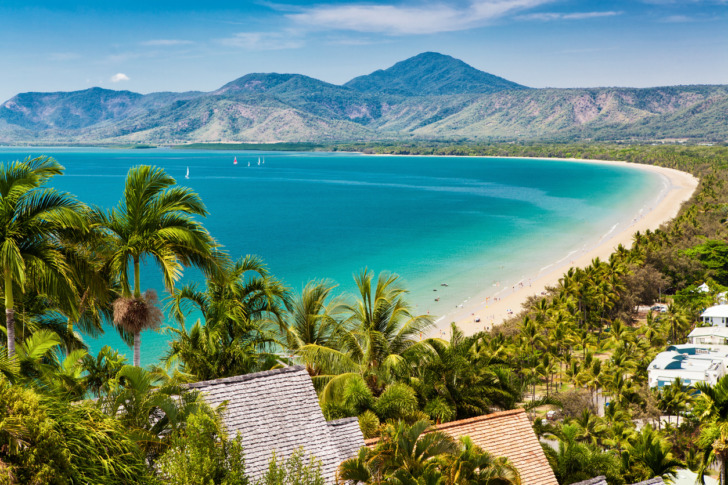
Port Douglas is a relaxed tropical resort town in Far North Queensland, about 70 kilometers north of Cairns.
It occupies a remarkable position between two of Australia’s greatest natural attractions: the Great Barrier Reef and the ancient Daintree Rainforest.
Once a small fishing and sugar-port settlement, Port Douglas is now known for Four Mile Beach, reef cruises, palm-lined streets, upscale resorts, and restaurants clustered around Macrossan Street.
It is generally a very safe destination, including for families, solo travelers, and older visitors.
The biggest dangers are not violent crime.
They are tropical cyclones, flooding, intense sun, marine stingers, crocodile habitat, road conditions, and accidents during reef or rainforest activities.
Warnings & Dangers in Port Douglas

OVERALL RISK: LOW
Port Douglas is a low-risk destination with good tourism infrastructure and little serious crime involving visitors. Most travelers can comfortably explore the center, marina, restaurants, resorts, and main beach areas. The greatest risks come from tropical weather, wildlife, swimming conditions, road accidents, and leaving valuables unattended in rental cars or on the beach.

TRANSPORT & TAXIS RISK: MEDIUM
Taxis, airport shuttles, tour buses, and rental cars are generally safe. However, the coastal road from Cairns has bends, narrow sections, and reduced visibility during heavy rain. Drivers must keep left and watch for wildlife, cyclists, flooding, and fallen branches. Public transportation within Port Douglas is limited, so plan evening rides in advance.

PICKPOCKETS RISK: LOW
Pickpocketing is uncommon, even around Macrossan Street, the marina, and local markets. Opportunistic theft is more realistic than professional pickpocketing. Keep phones and wallets secure in crowded areas, and never leave bags unattended on Four Mile Beach, inside an unlocked vehicle, or beside a swimming pool.

NATURAL DISASTERS RISK: MEDIUM
Port Douglas has a meaningful tropical-weather risk. The wet season can bring cyclones, intense rainfall, flash flooding, fallen trees, power outages, and temporary road closures. Storm activity is most likely between November and April. Travelers should monitor warnings, follow accommodation instructions, and avoid driving through floodwater under any circumstances.

MUGGING RISK: LOW
Muggings are rare in Port Douglas. The town center and resort areas generally feel comfortable during the day and evening. Normal precautions still apply after bars close, around isolated roads, and on quiet beach sections at night. Avoid carrying large amounts of cash or displaying expensive jewelry unnecessarily.

TERRORISM RISK: LOW
The terrorism risk in Port Douglas is low. It is a small resort community without the prominent political, military, or symbolic targets found in major cities. Normal awareness is sufficient around public events, transport facilities, and busy tourism areas. Terrorism is not a practical concern for most visitors.

SCAMS RISK: LOW
Tourist scams are uncommon. Possible issues include fraudulent holiday rentals, unclear cancellation policies, unofficial excursion sellers, and unexpected fees for transfers or reef activities. Confirm what is included before paying, particularly equipment rental, environmental charges, meals, transfers, and weather-related cancellations.

WOMEN TRAVELERS RISK: LOW
Port Douglas is generally safe for women, including solo travelers. Macrossan Street, resort areas, and the marina remain active into the evening. Solo women should still avoid isolated beach walks after dark, watch drinks, arrange transportation after late nights, and share plans before independent rainforest hikes or boat trips.

TAP WATER RISK: LOW
Tap water in Port Douglas is treated and safe to drink. A reusable bottle is useful because heat and humidity can cause dehydration quickly. After severe storms or flooding, follow any temporary local water notices. Travelers staying in remote rainforest accommodation should ask whether the property uses treated mains water, tanks, or another private supply.
Safest Places to Visit in Port Douglas
Macrossan Street
Macrossan Street is the safest and easiest place to begin exploring.
It contains restaurants, cafés, shops, tour offices, pharmacies, and accommodation within a compact area.
It is active during the day and evening, making it comfortable for families and solo travelers.
Keep normal control of your belongings when restaurants and markets become busy.
Four Mile Beach
Four Mile Beach is Port Douglas’s signature attraction.
The safest swimming section is the patrolled area near the northern end, particularly when the red and yellow flags and seasonal swimming enclosure are operating.
Conditions and patrol hours vary, so read signs before entering.
During marine stinger season, use the designated enclosure and consider wearing a stinger suit.
Crystalbrook Superyacht Marina
The marina is a well-used departure point for Great Barrier Reef tours, fishing trips, and sunset cruises.
It is organized, central, and surrounded by restaurants and tourism businesses.
Arrive early for excursions, follow crew instructions, and disclose medical conditions before diving or snorkeling.
Wildlife Habitat Port Douglas
Wildlife Habitat is a controlled and family-friendly attraction where visitors can learn about Australian animals in a managed setting.
Follow staff instructions, supervise children, and never feed or touch animals unless the activity is specifically permitted.
It is one of the easiest wildlife experiences for cautious travelers.
Mossman Gorge
Mossman Gorge is a popular rainforest excursion north of Port Douglas.
Established walking tracks and visitor facilities make it safer than unplanned rainforest exploration.
Swimming conditions can become dangerous after rain, and water levels can rise quickly.
Obey closures and warnings, even when other visitors ignore them.
Places to Avoid in Port Douglas
There Are No Major Tourist No-Go Neighborhoods
Port Douglas does not have a recognized dangerous neighborhood that tourists must avoid.
It is a compact resort town with a generally low crime rate.
Visitors should focus more on avoiding unsafe environmental situations, isolated areas, poor weather, and careless handling of valuables.
Creeks, Estuaries, and Mangrove Edges
Far North Queensland is crocodile country.
Do not swim, wade, or stand near the edge of creeks, rivers, estuaries, boat ramps, or mangrove waterways.
Crocodiles can be present even when there is no recent sighting.
Never ignore warning signs or copy other people who enter unsafe water.
Unpatrolled Beach Sections During Stinger Season
Marine stingers can occur in tropical Queensland throughout the year, with greater risk generally from November through May.
Avoid swimming outside the designated enclosure or patrolled section when warnings are active.
Never assume an empty tropical beach is automatically a safe swimming beach.
Beaches and Waterways at Dawn, Dusk, or Night
Avoid entering coastal water at dawn, dusk, or after dark, especially near creek mouths and mangroves.
Crocodiles are harder to see in low light, while marine hazards and currents become more difficult to judge.
Nighttime beach walks should remain well away from the water’s edge.
Daintree Roads During Flooding
Heavy tropical rain can flood roads and isolate communities north of Port Douglas.
Never drive through floodwater, even when another vehicle crosses successfully.
Avoid remote rainforest roads when warnings are active, and confirm that the route is open before traveling toward Cape Tribulation.
Remote Rainforest Tracks Without Preparation
Do not enter unmarked rainforest tracks, restricted areas, or unfamiliar swimming holes alone.
Dense vegetation, heat, slippery surfaces, insects, rapidly rising streams, and weak mobile coverage can turn a short exploration into an emergency.
Use established tracks or join a reputable guided tour.
Safety Tips for Traveling to Port Douglas
- Swim only where conditions are officially considered suitable. Use the patrolled section of Four Mile Beach and remain between the red and yellow flags. Read every warning sign before entering. During marine stinger season, use the swimming enclosure and wear a stinger suit when recommended. Conditions can change even on a sunny day.
- Treat every creek and estuary as crocodile habitat. Do not swim, paddle, wade, fish from the water’s edge, or let children play beside rivers, mangroves, and creek mouths. Stay several meters back from the bank and never clean fish near the water. Crocodiles can remain almost invisible in shallow or muddy water.
- Monitor tropical weather closely. The wet season can produce cyclones, flooding, heavy rain, and road closures. Check the forecast before reef trips, rainforest excursions, and long drives. Follow instructions from accommodation staff and emergency authorities. Never visit the shoreline during a cyclone warning simply to watch large waves.
- Protect yourself from heat and ultraviolet exposure. Port Douglas can feel pleasant when the sea breeze is moving, but ultraviolet radiation remains intense. Apply sunscreen regularly, wear a hat and sunglasses, carry water, and take breaks in the shade. Heat exhaustion can develop during beach days, rainforest walks, and reef excursions.
- Choose reputable reef-tour operators. Confirm that the operator provides safety briefings, appropriate flotation equipment, trained staff, and suitable supervision. Tell the crew if you are not a confident swimmer. Divers should accurately report medical conditions and experience. Never feel pressured to enter the water when conditions make you uncomfortable.
- Drive carefully on the coastal highway. The journey from Cairns is beautiful but requires attention. Keep left, avoid speeding, and watch for bends, cyclists, wildlife, wet surfaces, and fallen branches. Do not drive when exhausted after a long flight. During heavy rain, slow down and be prepared to stop or turn back.
- Never leave valuables visible in your car. Place luggage, cameras, laptops, and shopping bags in secure storage before reaching a car park. Do not hide valuables after parking where someone may be watching. Lock the vehicle and take important documents with you, particularly at beaches, viewpoints, and rainforest trailheads.
- Use insect protection. Mosquitoes and biting insects become more noticeable during the wet season and around rainforest areas. Apply repellent, wear light long sleeves in the evening, and keep accommodation screens closed. Check for ticks or leeches after longer forest walks, particularly during damp weather.
- Tell someone before exploring remote areas. Share your route and expected return time before hiking, fishing, driving into the Daintree, or visiting isolated beaches. Download maps for offline use and keep your phone charged. Mobile service can weaken quickly outside Port Douglas and along remote rainforest roads.
- Respect closures and wildlife warnings. Queensland authorities may close swimming areas, walking tracks, roads, and parks because of crocodile sightings, flooding, fires, fallen trees, or dangerous water conditions. Do not cross barriers or assume a warning is overly cautious. Tropical environments can change faster than they appear to.
So... How Safe Is Port Douglas Really?
Port Douglas is genuinely safe for most travelers.
Serious street crime is uncommon, tourist areas are easy to navigate, and the town has established resorts, tour operators, restaurants, and emergency services.
Families, couples, solo travelers, and women traveling alone can generally explore without feeling threatened.
The important distinction is that low crime does not mean low environmental risk.
Port Douglas sits in tropical Far North Queensland, where cyclones, floods, marine stingers, crocodiles, intense heat, and rapidly changing water conditions are real.
These risks are clearly signposted and manageable, but only when visitors follow local advice.
Four Mile Beach is beautiful, yet swimming should be limited to the patrolled area when it is open.
Creeks, mangroves, and estuaries should never be treated as casual swimming spots.
Reef tours are highly organized, but travelers should choose established operators and be honest about swimming ability and medical conditions.
The wet season brings cheaper accommodation and lush rainforest scenery, but it also increases humidity, stinger activity, flooding, and cyclone risk.
The drier months offer more predictable conditions, although sun exposure remains strong throughout the year.
Port Douglas receives a low overall risk rating, with medium caution for transport and natural hazards.
Follow beach warnings, respect crocodile habitat, drive carefully, and prepare properly for reef and rainforest activities.
How Does Port Douglas Compare?
| City | Safety Index |
|---|---|
| Port Douglas |
88 |
| Byron Bay |
85 |
| Gold Coast |
69 |
| Canberra |
88 |
| Adelaide |
88 |
| Broome |
86 |
| Townsville |
77 |
 Kalispell Kalispell | 74 |
| Fond du Lac | 64 |
| New Jersey | 85 |
| Stamford | 84 |
 Dusseldorf Dusseldorf | 75 |
 Isla Holbox Isla Holbox | 85 |
Useful Information

Visas
Australia requires most foreign visitors to obtain permission before travel. Depending on nationality, travelers may qualify for an Electronic Travel Authority, eVisitor permission, or Visitor visa. Many electronic visitor permissions allow stays of up to three months per visit. Fees range from a modest app service charge to several hundred Australian dollars, depending on the visa category.

Currency
Port Douglas uses the Australian dollar. Cards and contactless payments are accepted almost everywhere, including hotels, restaurants, shops, and tour operators. Carry a small amount of cash for markets or minor purchases. Bank ATMs are available in town. Reject unnecessary ATM currency conversion and allow your own bank to calculate the exchange rate.

Weather
Port Douglas has a tropical climate. May through October is generally drier, cooler, and less humid, while November through April brings heat, heavy rain, storms, and cyclone risk. Marine stinger risk is also higher during the warmer months. Pack light clothing, strong sunscreen, insect repellent, rain protection, and sturdy walking shoes.

Airports
Cairns Airport is the closest major airport, approximately 65 to 70 kilometers south of Port Douglas. The drive usually takes around one hour, depending on traffic and weather. Airport shuttles, private transfers, taxis, and rental cars are available. There is no regular passenger railway connecting Cairns Airport with Port Douglas.

Travel Insurance
Travel insurance is strongly recommended. Choose coverage for medical treatment, trip cancellation, cyclone disruption, rental-car damage, lost baggage, and emergency evacuation. Confirm that snorkeling, scuba diving, boating, hiking, and other planned activities are included. Policies purchased after a cyclone is officially named may exclude claims related to that storm.
Port Douglas Weather Averages (Temperatures)
Average High/Low Temperature
| Temperature / Month | Jan | Feb | Mar | Apr | May | Jun | Jul | Aug | Sep | Oct | Nov | Dec |
|---|---|---|---|---|---|---|---|---|---|---|---|---|
| High °C |
31 | 31 | 30 | 29 | 27 | 25 | 25 | 26 | 28 | 29 | 30 | 31 |
| Low °C |
24 | 24 | 24 | 23 | 21 | 19 | 18 | 19 | 20 | 22 | 23 | 24 |
| High °F |
88 | 88 | 86 | 84 | 81 | 77 | 77 | 79 | 82 | 84 | 86 | 88 |
| Low °F |
75 | 75 | 75 | 73 | 70 | 66 | 64 | 66 | 68 | 72 | 73 | 75 |
Australia - Safety by City
| City | Safety Index |
|---|---|
| Adelaide | 88 |
| Alice Springs | 70 |
| Brisbane | 90 |
| Broome | 86 |
| Byron Bay | 85 |
| Cairns | 61 |
| Canberra | 88 |
| Darwin | 70 |
| Fremantle | 85 |
| Geelong | 86 |
| Gold Coast | 69 |
| Hobart | 90 |
| Launceston | 89 |
| Melbourne | 80 |
| Perth | 85 |
| Port Douglas | 88 |
| Sydney | 85 |
| Townsville | 77 |
| Wollongong | 55 |














Is it really as laid-back as they say when the sun’s baking and you have to watch out for so many hazards like marine stingers and crocodiles? I felt way on edge despite the palm trees and beach vibe.
I didn’t realize how quickly the sun could sneak up on you there, definitely brought more sunscreen than I thought I needed.