


 Bonaire : Safety by City
Bonaire - safety as a country
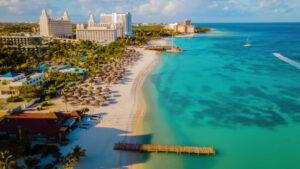
Sorobon sits on the southeastern coast of Bonaire beside Lac Bay, a broad turquoise lagoon protected by a coral reef and shaped by the island’s famously reliable trade winds.
It is one of the Caribbean’s great windsurfing spots, attracting everyone from complete beginners to professional riders.
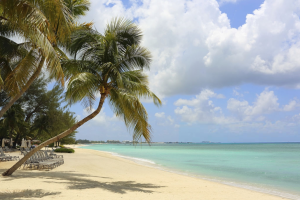
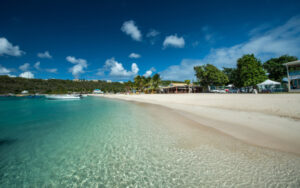
Unlike the rocky shorelines found across much of Bonaire, Sorobon has a sandy beach and unusually shallow water, making it especially comfortable for families and first-time windsurfers.
The atmosphere is relaxed, with beach resorts, windsurf centers, restaurants, and open views across Lac Bay rather than a conventional town center.
Crime is low, and Bonaire generally requires only normal precautions.
The main safety issues are opportunistic theft, windsurfing accidents, intense sun, dehydration, road conditions, and protecting the fragile marine environment.
Warnings & Dangers in Sorobon

OVERALL RISK: LOW
Sorobon is a low-risk destination. Bonaire has low crime rates overall, and the Lac Bay area is peaceful and tourism-focused. Theft from unsecured property or rental vehicles is more realistic than violent crime. Water sports, sun exposure, heat, road accidents, and careless behavior around the lagoon are the main practical concerns.

TRANSPORT & TAXIS RISK: LOW
Taxis and rental vehicles are generally safe, although having your own car makes Sorobon much easier to visit. Roads are relatively quiet but can be dark at night. Watch for cyclists, scooters, goats, donkeys, and sudden turns. Avoid leaving valuables inside parked vehicles, especially at beaches or nature areas.

PICKPOCKETS RISK: LOW
Pickpocketing is uncommon because Sorobon rarely has dense crowds. Opportunistic theft is more likely when travelers leave phones, wallets, cameras, or bags unattended on the beach or inside vehicles. Bring only what you need and keep valuables secured while swimming, windsurfing, or eating at waterfront restaurants.

NATURAL DISASTERS RISK: MEDIUM
Bonaire sits south of the main Caribbean hurricane belt, so direct hurricanes are less common than farther north. Tropical systems can still produce heavy rain, flooding, strong winds, and rough seas. Intense sunlight, heat, dehydration, and occasional flash flooding are more realistic environmental concerns during a normal visit.

MUGGING RISK: LOW
Mugging is uncommon in Sorobon. The area is quiet, spread out, and dominated by resorts and water-sports businesses. Travelers should still avoid walking alone along dark roads or remote shoreline areas late at night. Keep expensive electronics discreet and use a vehicle or taxi for longer evening journeys.

TERRORISM RISK: LOW
The terrorism risk in Sorobon is low. Bonaire has no significant recent history of terrorism and is not considered a major international target. Basic awareness is sensible at airports and major public gatherings, but terrorism should not influence an ordinary vacation itinerary here.

SCAMS RISK: LOW
Scams are not a major concern. Visitors are more likely to encounter unclear rental terms, unexpected equipment charges, or misleading vacation listings than organized fraud. Confirm prices before renting windsurfing gear, vehicles, or accommodation and document existing vehicle damage when picking up a rental car.

WOMEN TRAVELERS RISK: LOW
Sorobon is generally safe for women, including solo travelers. The beach and windsurfing areas are relaxed and social during the day. At night, the surrounding roads and coastline become much quieter. Solo travelers should use reliable transportation after dark and avoid isolated nighttime walks.

TAP WATER RISK: LOW
Bonaire’s tap water is safe to drink and is produced through desalination. Travelers can refill reusable bottles directly at their accommodation. This is particularly useful in Sorobon because wind, heat, sun, and hours of water sports can cause dehydration faster than visitors expect.
Safest Places to Visit in Sorobon
Sorobon Beach
Sorobon Beach is the center of activity and one of the safest places to enjoy Lac Bay.
The beach has soft sand, shallow water, restaurants, shade structures, and established windsurfing facilities.
Much of the lagoon is around waist deep or shallower, making it particularly forgiving for beginners and families.
That does not mean supervision becomes optional.
Children should still be watched closely, and swimmers should remain aware of windsurfers moving through the water.
Lac Bay
Lac Bay is a protected lagoon covering roughly 700 hectares and one of Bonaire’s most important natural areas.
A coral reef helps shelter much of the bay from large ocean swells.
The shallow water is excellent for windsurfing and relaxed swimming, but visitors should stay within suitable recreation zones and avoid damaging seagrass or coral.
The lagoon is environmentally sensitive, not an unlimited aquatic playground.
Windsurfing Centers
Sorobon has established windsurfing schools and rental centers that make learning significantly safer than trying to teach yourself.
Beginners should take a lesson before renting equipment independently.
Instructors can select the right sail size, explain wind direction, teach basic control, and show where different skill levels should ride.
Lac Bay Mangroves
The mangrove ecosystem around Lac Bay is one of Bonaire’s most interesting natural environments.
Organized kayaking and guided nature excursions provide a safe way to explore it while minimizing damage.
Avoid paddling or walking into protected sections independently.
Mangrove roots, shallow channels, seagrass beds, and wildlife make knowledgeable local guidance worthwhile.
Lac Cai
Lac Cai lies across the lagoon and offers another perspective on Lac Bay, including mangroves, fishing activity, and quiet coastal scenery.
Visit during daylight and stick to established roads and public areas.
The route is more remote than central Sorobon, so bring water and avoid relying on nighttime navigation.
Places to Avoid in Sorobon
Sorobon does not have dangerous neighborhoods.
The places travelers should avoid are based on water-sports traffic, protected nature, darkness, and weather rather than crime.
Windsurfing Zones While Swimming
Sorobon’s shallow lagoon attracts large numbers of windsurfers, some moving at considerable speed.
Swimmers should not casually wander into busy riding zones.
Pay attention to designated areas and ask staff where swimming is safest.
A collision with a fast board or mast can cause a serious injury even in shallow water.
Protected Seagrass and Mangrove Areas
Do not walk randomly across seagrass beds or push into mangrove zones for photographs.
These habitats are ecologically important and easily damaged.
Use established routes and follow local marine park rules.
A destination stays beautiful only if visitors resist treating every square meter as personally accessible.
The Barrier Reef Without Preparation
The outer portions of Lac Bay may look reachable, but getting toward the reef can require a long walk and swim through shallow water.
Strong wind, windsurfing traffic, fatigue, sharp marine life, and distance from shore make casual exploration a bad idea.
Use proper footwear and ask experienced local operators before attempting longer snorkeling routes.
Empty Roads After Dark
Roads around Sorobon can become extremely quiet and poorly lit at night.
Walking along them adds risk from cars, scooters, animals, and uneven surfaces.
Use a rental vehicle or taxi rather than attempting a long nighttime walk toward Kralendijk or other accommodations.
The Lagoon During Severe Weather
Avoid windsurfing, snorkeling, kayaking, or unnecessary swimming when thunderstorms, extreme wind, or tropical weather are affecting Bonaire.
Experienced local riders may remain comfortable in conditions that are completely unsuitable for beginners.
Judge conditions by your own skill level, not by what a professional windsurfer is doing.
Safety Tips for Traveling to Sorobon
- Take a windsurfing lesson before going out alone. Sorobon is one of the world’s best places to learn because the water is shallow and the wind is consistent. That makes learning easier, not automatic. A professional lesson teaches steering, stopping, turning, wind direction, right-of-way rules, and how to recover equipment safely.
- Watch for windsurfers while swimming. Lac Bay can look like an enormous swimming pool, but parts of it function more like a windsurfing highway. Riders may approach quickly and have limited ability to stop instantly. Swim in quieter areas and never assume someone on a board has already seen you.
- Do not leave valuables in your vehicle. Vehicle break-ins are one of the more relevant crime risks on Bonaire. Leave passports, laptops, jewelry, and unnecessary electronics at your accommodation. At Sorobon, bring only the money and equipment needed for the day and keep important belongings with you.
- Drink more water than you think you need. The steady wind makes Bonaire’s heat feel comfortable, but it also disguises dehydration. Windsurfing, swimming, alcohol, dry air, and direct sun all increase fluid loss. Carry a reusable bottle and drink regularly throughout the day rather than waiting until you feel thirsty.
- Use strong sun protection. The Caribbean sun reflects from the water, exposing your face, shoulders, and legs for hours. Wear a hat when off the water, sunglasses, protective clothing, and appropriate sunscreen. Reapply protection regularly, especially after swimming or windsurfing.
- Respect Lac Bay’s environmental rules. The lagoon contains sensitive coral, seagrass, mangroves, and wildlife. Stay within permitted recreation zones, avoid standing on coral, and never remove marine life or natural material. Visitors participating in water activities should also make sure any required nature fee has been paid.
- Do not kitesurf at Lac Bay. Lac Bay is designated primarily for windsurfing and related permitted activities, while kitesurfing is directed to the designated Atlantis area on Bonaire’s southwestern coast. Do not launch a kite simply because the wind looks perfect. Zoning exists for both safety and environmental protection.
- Drive carefully after sunset. Roads outside Kralendijk can be dark. Animals, cyclists, scooters, and pedestrians may appear with little warning. Slow down, use headlights properly, and avoid staring at navigation apps while driving. Stop somewhere safe if you need to check directions.
- Know your limits on the water. Shallow water creates confidence, sometimes too much confidence. Strong wind can still exhaust beginners quickly, and repeated falls can leave you surprisingly tired. Come ashore before exhaustion sets in and do not continue simply because you rented equipment for another hour.
- Check weather before every water-sports session. Sorobon enjoys reliable trade winds, commonly around 15 to 25 knots, but conditions still change. Ask instructors or rental staff about the day’s forecast, gusts, thunderstorms, and suitable equipment. Beginners should use smaller, manageable sails rather than choosing something that turns every gust into a wrestling match.
So... How Safe Is Sorobon Really?
Sorobon is one of the safer places to stay or spend the day on Bonaire.
The latest overall safety picture for the island remains favorable, with normal precautions considered sufficient for travelers.
Violent crime is uncommon, and the most relevant criminal threat is opportunistic theft from unsecured belongings or vehicles.
Sorobon itself has an even calmer feel than central Kralendijk.
There are no crowded urban streets, major nightlife districts, or transportation hubs.
Most people are there to windsurf, swim, eat, relax, or stay at nearby accommodation.
The interesting part of the safety picture is Lac Bay.
Its shallow water and protective reef make it unusually forgiving, particularly for beginner windsurfers.
Much of the lagoon is roughly one meter deep, while regular trade winds of around 15 to 25 knots provide remarkably consistent conditions.
Those same conditions create the need for awareness.
Windsurfers can move quickly, swimmers can wander into riding areas, and strong sun combined with constant wind makes dehydration easy to miss.
Protected seagrass and mangrove ecosystems also need careful treatment.
Overall, I rate Sorobon as low risk.
Secure valuables, drink plenty of water, use professional instruction when learning windsurfing, follow marine rules, and drive carefully after dark.
For travelers who enjoy water sports, it is one of Bonaire’s easiest places to love.
How Does Sorobon Compare?
| City | Safety Index |
|---|---|
| Sorobon |
94 |
| Kralendijk |
83 |
| Belnem |
92 |
| Lac Bay |
93 |
| Hato |
90 |
| Sabadeco |
94 |
 Kent Kent | 42 |
 San Jose San Jose | 59 |
| Elkhart | 55 |
| Eau Claire | 77 |
| Queens | 73 |
| New Orleans | 57 |
Useful Information

Visas
Visa requirements depend on nationality. Many travelers, including U.S. citizens and citizens of numerous European countries, can visit Bonaire without a visa for up to 90 days within a 180-day period. Visitors also need to complete Bonaire’s entry requirements and pay the applicable visitor entry tax before or during arrival procedures.

Currency
Sorobon uses the U.S. dollar. Credit and debit cards are widely accepted at resorts, restaurants, supermarkets, windsurfing centers, and rental businesses. Carry some cash for tips, small purchases, and situations where card terminals are unavailable. ATMs are easiest to find around Kralendijk.

Weather
Sorobon is warm, sunny, dry, and windy throughout the year. Daytime temperatures commonly sit around 28°C to 32°C. Trade winds provide natural cooling but can hide how strong the sun is. Pack lightweight clothing, swimwear, sunglasses, a hat, water shoes, sun protection, and a reusable bottle.

Airports
Flamingo International Airport is Bonaire’s main airport and is roughly a 15 to 20-minute drive from Sorobon depending on traffic. Rental cars, taxis, and prearranged transfers are available. Renting a vehicle is particularly convenient because Sorobon is separated from central Kralendijk and many other island attractions.

Travel Insurance
Travel insurance is recommended, especially for visitors planning to windsurf, snorkel, dive, kayak, or rent a vehicle. Coverage should include medical treatment, evacuation, water-sports injuries, theft, trip disruption, and rental vehicle damage. Confirm specifically that windsurfing is included if it will be a major part of your trip.
Sorobon Weather Averages (Temperatures)
Average High/Low Temperature
| Temperature / Month | Jan | Feb | Mar | Apr | May | Jun | Jul | Aug | Sep | Oct | Nov | Dec |
|---|---|---|---|---|---|---|---|---|---|---|---|---|
| High °C |
29 | 30 | 30 | 30 | 31 | 31 | 31 | 32 | 32 | 32 | 30 | 30 |
| Low °C |
24 | 23 | 24 | 24 | 25 | 25 | 25 | 25 | 25 | 25 | 24 | 24 |
| High °F |
84 | 86 | 86 | 86 | 88 | 88 | 88 | 90 | 90 | 90 | 86 | 86 |
| Low °F |
75 | 73 | 75 | 75 | 77 | 77 | 77 | 77 | 77 | 77 | 75 | 75 |
Bonaire - Safety by City
| City | Safety Index |
|---|---|
| Belnem | 92 |
| Hato | 90 |
| Kralendijk | 83 |
| Lac Bay | 93 |
| Sabadeco | 94 |
| Sorobon | 94 |












Spent a whole afternoon trying to get the hang of windsurfing there and that shallow water made falling way less scary than I expected.