 Anguilla : Safety by City
Anguilla - safety as a country
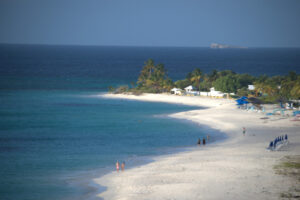
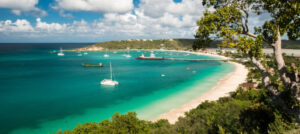
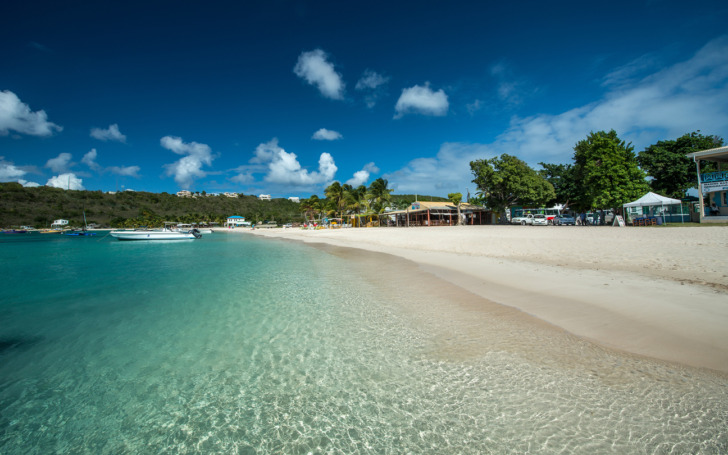
Sandy Ground is one of Anguilla’s liveliest coastal communities, wrapped around the calm waters of Road Bay on the island’s northwestern side.
By day, it is a working harbor and laid-back beach destination filled with fishing boats, sailboats, beach bars, and views toward tiny Sandy Island offshore.
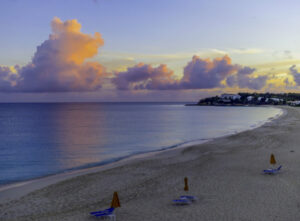
By night, it becomes Anguilla’s main social hub, with live music, rum punches, dancing, and tables set almost directly on the sand.
The bay’s protected shape usually keeps the water gentler than on Anguilla’s exposed Atlantic beaches, making it popular with families and boaters.
Sandy Ground is generally safe, but its nightlife, working docks, hurricane exposure, and recent island-wide crime concerns mean travelers should still stay alert.
It is relaxed Caribbean living, not a security-free bubble.
Warnings & Dangers in Sandy Ground

OVERALL RISK: LOW
Sandy Ground is generally safe for tourists, and most visits pass without serious problems. Anguilla maintains the lowest general travel advisory level, although recent official guidance has noted an increase in serious gang-related crime elsewhere on the island. In Sandy Ground, the main concerns are nighttime incidents, theft, road safety, hurricanes, and alcohol-related poor decisions.

TRANSPORT & TAXIS RISK: LOW
Taxis are generally safe and commonly used because Anguilla has no extensive public transportation system. Confirm the fare before leaving, since taxis may not use meters. Rental cars are also popular, but visitors must drive on the left. Roads can be narrow, poorly lit, and unexpectedly busy around Sandy Ground after nightlife events.

PICKPOCKETS RISK: LOW
Organized pickpocketing is uncommon, but opportunistic theft can occur around beach bars, parties, boat docks, and crowded events. Phones and wallets left on tables are easier targets than secured bags. Do not leave valuables unattended while swimming, dancing, or taking a boat trip, and avoid carrying your passport unless necessary.

NATURAL DISASTERS RISK: MEDIUM
Hurricanes and tropical storms are Sandy Ground’s most serious natural threat. The Atlantic hurricane season runs from June through November, with the greatest activity often occurring between August and October. Storm surge, coastal flooding, power outages, rough seas, and canceled transportation can affect the low-lying bay area during severe weather.

MUGGING RISK: LOW
Mugging is not a common tourist experience in Sandy Ground, particularly during the day. However, Anguilla has experienced a recent rise in serious criminal incidents involving firearms and robbery. Avoid isolated beach sections and dark roads late at night, and use a taxi after drinking rather than walking alone through quiet areas.

TERRORISM RISK: LOW
The terrorism risk in Sandy Ground is low. Anguilla is a small British Overseas Territory without the political or strategic profile normally associated with international terrorism. Travelers should maintain ordinary awareness during festivals and crowded public events, but terrorism should not be a major factor when deciding whether to visit.

SCAMS RISK: LOW
Scams are uncommon and usually involve small travel disagreements rather than organized fraud. Visitors may encounter unclear taxi fares, inflated boat-trip prices, or accommodation listings with misleading descriptions. Confirm costs before accepting transportation or excursions, book through established providers, and carefully check cancellation terms during hurricane season.

WOMEN TRAVELERS RISK: LOW
Sandy Ground is generally safe for women, including solo travelers. The active restaurant and beach-bar strip provides plenty of evening foot traffic, but the area becomes quieter after businesses close. Women should arrange transportation back to their accommodation, avoid isolated beach walks after dark, and keep drinks within sight in nightlife settings.

TAP WATER RISK: LOW
Public water is treated, but many visitors and residents prefer bottled or filtered water because taste and plumbing conditions can vary between properties. Bottled water is widely available. Ask your accommodation about its water system, especially if it uses a private cistern. Staying hydrated is particularly important during hot, windy beach days.
Safest Places to Visit in Sandy Ground
Sandy Ground Beach
The main beach beside Road Bay is the safest and most convenient place to enjoy Sandy Ground.
Its protected location usually creates calmer water than beaches on Anguilla’s Atlantic coast.
Restaurants, bars, accommodations, and boat operators are nearby, which means help is easier to find if needed.
Visitors should still ask about daily swimming conditions and watch for boats entering or leaving the bay.
The Central Beach-Bar Strip
The central strip containing Sandy Ground’s best-known restaurants and beach bars is usually lively and comfortable during operating hours.
Families, couples, boat crews, residents, and tourists mix here, particularly around sunset.
Keep normal control of phones, wallets, and drinks when venues become crowded.
Sandy Island
Sandy Island is a tiny offshore cay reached by boat from Sandy Ground.
It is a popular daytime excursion for swimming, snorkeling, lunch, and relaxing on bright white sand.
Use an established shuttle or charter operator, wear a life jacket during rough conditions, and confirm the return time before settling into island mode.
The Salt Pond Area
The large salt pond behind Sandy Ground adds a distinctive landscape to the village and reflects Anguilla’s former salt-producing economy.
It is safest to admire from established roads and viewpoints during daylight.
Avoid walking onto soft, muddy, or unfamiliar ground around the pond, especially after rain.
Places to Avoid in Sandy Ground
Sandy Ground does not have clearly defined dangerous neighborhoods or tourist no-go zones.
The places worth avoiding are based more on timing and circumstances than street boundaries.
The Working Dock and Cargo Areas
Road Bay is an active port rather than a beach created entirely for tourism.
Avoid wandering among cargo operations, boat equipment, restricted zones, or working vessels.
Trucks, machinery, ropes, fuel, and moving boats create practical hazards.
Do not photograph officials or port operations without permission.
Isolated Beach Sections After Dark
The central beach-bar area is social and well-used, but the farther ends of the beach can become quiet at night.
Avoid sitting or walking alone in dark sections after businesses close.
Low lighting, fewer people, alcohol consumption, and limited immediate assistance increase the risk of theft or uncomfortable encounters.
The Nightlife Strip After Closing Time
Sandy Ground is Anguilla’s best-known nightlife area.
Most evenings are friendly, but arguments and disorder are more likely when crowds leave bars after drinking.
Do not linger around intoxicated groups, parking disputes, or confrontations.
Arrange a taxi before the night ends and leave if the mood becomes tense.
Unlit Roads Outside the Village Center
Roads connecting Sandy Ground with South Hill, The Valley, and nearby accommodations can be dark and narrow.
Walking along them after dark is risky because drivers may not expect pedestrians.
There may be limited sidewalks, and visibility becomes worse during rain.
Use a taxi rather than attempting a long nighttime walk.
The Bay During Severe Weather
Avoid docks, beaches, small boats, and waterfront buildings when tropical storm warnings are active.
Road Bay’s calm appearance can change quickly as winds strengthen and vessels are moved or secured.
Follow official instructions and do not visit the waterfront simply to watch large waves.
Safety Tips for Traveling to Sandy Ground
- Arrange your ride home before going out. Sandy Ground has some of Anguilla’s liveliest bars, but taxis may be harder to find when several venues close at once. Save a driver’s number, ask the restaurant to call a taxi, or schedule a pickup. Do not walk along dark roads after drinking.
- Confirm taxi fares before departure. Anguillan taxis generally do not operate like metered city cabs. Ask the price before entering, particularly for airport transfers, late-night rides, or trips involving multiple stops. Official fares may also increase for extra passengers, luggage, waiting time, or nighttime service.
- Do not leave valuables on the beach. Sandy Ground may feel relaxed enough to abandon your phone under a towel, but that is unnecessary risk. Bring only what you need, use a waterproof pouch, or leave one person with the belongings while others swim. Never leave passports or large amounts of cash unattended.
- Stay away from active port operations. Road Bay is a working harbor filled with boats, cargo activity, ropes, vehicles, and equipment. Use public areas and authorized docks only. Children should be watched closely around the waterfront, since an ordinary sightseeing walk can quickly enter an active work zone.
- Choose reputable boat operators. Sandy Ground is the departure point for Sandy Island and other boating excursions. Check the vessel’s condition, ask whether life jackets are available, and confirm what happens if the weather changes. Do not board an overloaded boat or pressure a captain to sail during unsafe conditions.
- Monitor tropical weather during hurricane season. Travel between June and November requires flexibility. Check forecasts daily, understand your hotel’s storm procedures, and avoid booking tight ferry or flight connections. If a named storm approaches, follow official instructions instead of relying on social media rumors or optimistic guesses from other tourists.
- Protect yourself from the sun and heat. The sea breeze can hide how quickly you are overheating or burning. Use high-SPF sunscreen, reapply after swimming, wear a hat, and drink water between alcoholic beverages. Dehydration and sunburn are among the most common ways visitors damage an otherwise excellent beach day.
- Do not swim near moving boats. Road Bay is protected but also used by fishing boats, yachts, dinghies, and excursion vessels. Swim in clearly suitable areas away from docks and boat channels. Remain visible, supervise children, and avoid snorkeling where captains may have difficulty seeing you.
- Keep nightlife friendly and low-key. Sandy Ground is known for music and beach parties, not aggressive club culture. Still, alcohol can turn small misunderstandings into confrontations. Keep your drink within sight, do not accept unknown substances, avoid arguments, and leave immediately if weapons, fighting, or threatening behavior appears.
- Lock your accommodation and rental car. Close windows and doors when leaving your room, even in a quiet guesthouse. Do not leave phones, cameras, luggage, or shopping bags visible inside a rental vehicle. Anguilla is safe overall, but basic security measures prevent the opportunistic theft that is most likely to affect tourists.
So... How Safe Is Sandy Ground Really?
Sandy Ground is generally a low-risk Caribbean destination, particularly during the day and early evening.
Anguilla remains at the lowest official travel advisory level, and the island has traditionally recorded relatively low crime compared with many destinations in the wider region.
Tourists are not commonly targeted for serious violence, and the main Sandy Ground strip feels social, open, and welcoming.
However, the safety picture is not perfect.
Recent travel guidance has highlighted an increase in serious gang-related crime involving firearms and robbery in Anguilla.
The risk remains lower in tourism areas, but some incidents have occurred in public and populated places.
This makes situational awareness more important than it may have been several years ago.
Sandy Ground also has a different atmosphere from Anguilla’s quieter resort beaches.
It is a nightlife center, working harbor, and community gathering place.
Crowds, alcohol, parked vehicles, boats, and late-night movement create opportunities for arguments, theft, and accidents.
Natural hazards may be more likely to disrupt a vacation than crime.
Anguilla lies in the hurricane belt, and severe storms can interrupt electricity, ferries, flights, communications, and medical access.
Overall, Sandy Ground is safe when travelers secure valuables, arrange nighttime transportation, avoid confrontations, and take weather warnings seriously.
How Does Sandy Ground Compare?
| City | Safety Index |
|---|---|
| Sandy Ground |
82 |
| Meads Bay |
90 |
| Island Harbour |
86 |
| Shoal Bay Village |
88 |
 Szczecin Szczecin | 83 |
 Statesboro Statesboro | 88 |
 Huambo Huambo | 49 |
| Tucker | 74 |
| Baker City | 77 |
 Florence Florence | 72 |
Useful Information

Visas
Many visitors can enter Anguilla without a visa for tourism or business for up to 90 days, depending on nationality. Travelers who require entry clearance can apply online, with government fees commonly listed at US$140 for a single-entry visa and US$250 for multiple entry. A valid passport and proof of departure may be required.

Currency
Anguilla uses the Eastern Caribbean dollar, fixed at EC$2.70 to US$1. U.S. dollars are widely accepted in Sandy Ground, although change may be returned in local currency. Cards work at many restaurants and hotels, but cash is useful for taxis, beach bars, tips, and smaller boat operators.

Weather
Sandy Ground is warm throughout the year, with daytime temperatures commonly suitable for beach travel in every season. Pack breathable clothing, swimwear, sunscreen, insect repellent, and a light rain layer. Hurricane season lasts from June through November, while December through April generally offers drier and more comfortable conditions.

Airports
Clayton J. Lloyd International Airport is Anguilla’s main airport and is a short drive from Sandy Ground. Many international travelers instead fly into Princess Juliana International Airport on Sint Maarten, then take a ferry or speedboat to Anguilla. Ferries arrive at Blowing Point, followed by a taxi ride to Sandy Ground.

Travel Insurance
Travel insurance is recommended, particularly during hurricane season. Choose coverage for medical treatment, evacuation, canceled ferries or flights, storm disruption, stolen belongings, and boating activities. Anguilla has limited specialist medical facilities, so serious illness or injury may require transportation to another Caribbean island or the United States.
Sandy Ground Weather Averages (Temperatures)
Average High/Low Temperature
| Temperature / Month | Jan | Feb | Mar | Apr | May | Jun | Jul | Aug | Sep | Oct | Nov | Dec |
|---|---|---|---|---|---|---|---|---|---|---|---|---|
| High °C |
28 | 27 | 28 | 29 | 29 | 30 | 30 | 30 | 30 | 30 | 29 | 28 |
| Low °C |
24 | 24 | 24 | 25 | 26 | 26 | 27 | 27 | 26 | 26 | 25 | 24 |
| High °F |
82 | 81 | 82 | 84 | 84 | 86 | 86 | 86 | 86 | 86 | 84 | 82 |
| Low °F |
75 | 75 | 75 | 77 | 79 | 79 | 81 | 81 | 79 | 79 | 77 | 75 |
Anguilla - Safety by City
| City | Safety Index |
|---|---|
| Island Harbour | 86 |
| Meads Bay | 90 |
| Sandy Ground | 82 |
| Shoal Bay Village | 88 |