 Angola : Safety by City
Angola - safety as a country
Huambo sits on Angola’s cool central plateau, roughly 600 kilometers southeast of Luanda, and feels noticeably different from the country’s hot Atlantic coast.
Formerly known as Nova Lisboa, the city was heavily damaged during Angola’s civil war but has since been rebuilt into an important regional center with broad avenues, colonial-era architecture, markets, gardens, and railway connections.
Huambo is sometimes called Angola’s Garden City, and its higher elevation gives it greener scenery and cooler nights than many visitors expect.
Tourism remains limited, which can make a trip feel adventurous and authentic, but it also means fewer organized services.
Huambo is not an extreme danger zone, yet crime, road conditions, malaria, limited medical care, and unexploded wartime ordnance require serious preparation.
Warnings & Dangers in Huambo

OVERALL RISK: MEDIUM
Huambo is calmer than Luanda in several respects, but tourists should still exercise increased caution. Petty crime, robbery, limited emergency services, road hazards, and health risks can affect visitors. The city is most manageable when travelers use reliable accommodation, arrange transportation in advance, avoid walking after dark, and travel with trusted local contacts.

TRANSPORT & TAXIS RISK: MEDIUM
Traffic is less intense than in Luanda, but driving standards, poorly lit roads, potholes, vehicle maintenance, and limited roadside assistance create risks. Public transportation may be crowded and difficult for newcomers to navigate. Use a hotel-arranged driver or an established taxi service, keep car doors locked, and avoid intercity road travel at night.

PICKPOCKETS RISK: MEDIUM
Pickpocketing and bag theft are possible in markets, bus areas, busy streets, and transport hubs. Tourists carrying cameras or checking maps can attract attention because international visitors remain relatively uncommon. Keep phones out of sight when not needed, carry bags in front of you, and avoid placing valuables in easy-to-reach pockets.

NATURAL DISASTERS RISK: MEDIUM
Huambo can experience heavy seasonal rain, thunderstorms, flooding, road washouts, and occasional landslides in surrounding areas. Earthquakes are less prominent than in some destinations, but severe weather can still interrupt transportation. The region also contains isolated areas with unexploded ordnance, so travelers should stay on established roads and recognized paths.

MUGGING RISK: MEDIUM
Armed robbery and street robbery occur in Angola, although visitors may find Huambo less intimidating than Luanda. Risk increases on quiet streets, near transport areas, around cash machines, and after dark. Do not resist if confronted. Carry limited cash, avoid expensive jewelry, and use a driver rather than walking unfamiliar routes at night.

TERRORISM RISK: LOW
Huambo has a low terrorism risk and is not regarded as a major international target. The more realistic concerns are ordinary crime, demonstrations, road safety, and health emergencies. Travelers should still avoid political gatherings and government-related disturbances, since demonstrations can form quickly and may disrupt traffic or lead to confrontations with authorities.

SCAMS RISK: MEDIUM
Visitors may encounter inflated taxi prices, informal money changers, unofficial guides, or requests for questionable fees. Tourism is not developed enough for elaborate tourist scams, but language barriers and unfamiliar pricing can create opportunities for overcharging. Confirm costs before accepting services and exchange money only through banks or authorized businesses.

WOMEN TRAVELERS RISK: MEDIUM
Women can visit Huambo safely with preparation, but solo movement after dark is not recommended. Street harassment may occur, and transportation should be arranged through a hotel or trusted contact. Conservative clothing can reduce unwanted attention. Solo female travelers should avoid isolated areas, informal taxis, and accepting rides or invitations from strangers.

TAP WATER RISK: HIGH
Travelers should not drink untreated tap water in Huambo. Use sealed bottled water or water that has been properly boiled and filtered. Check bottle caps before drinking, avoid ice from uncertain sources, and use safe water when brushing your teeth if you have a sensitive stomach. Foodborne illness can be difficult to manage locally.
Safest Places to Visit in Huambo
Central Huambo
The central part of Huambo is generally the easiest area for visitors to navigate.
Broad streets, government buildings, hotels, banks, shops, and restaurants create more activity and security than in isolated outer districts.
Explore during daylight, use known routes, and return to your accommodation before streets become quiet.
Huambo Cathedral and Civic District
The area around Huambo Cathedral provides a look at the city’s religious and architectural heritage.
It is one of the more recognizable parts of Huambo and is suitable for a daytime visit with a guide or local driver.
Ask permission before photographing worshippers, officials, or security personnel.
Municipal Anthropological Museum
The Municipal Anthropological Museum is a useful stop for travelers interested in the traditions and history of Angola’s central highlands.
Organized cultural attractions are generally more comfortable than unplanned wandering.
Confirm opening hours locally, since schedules may change and reliable visitor information is not always available online.
Jardim da Cultura
Huambo’s public gardens and cultural spaces offer a calmer side of the city.
Visit during busy daylight hours, keep belongings close, and avoid remaining after the area empties.
These spaces are better enjoyed with someone who knows the city and can arrange transportation afterward.
Morro do Moco With a Guide
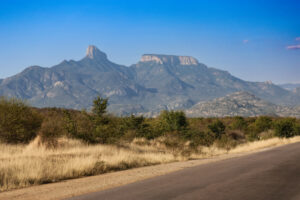
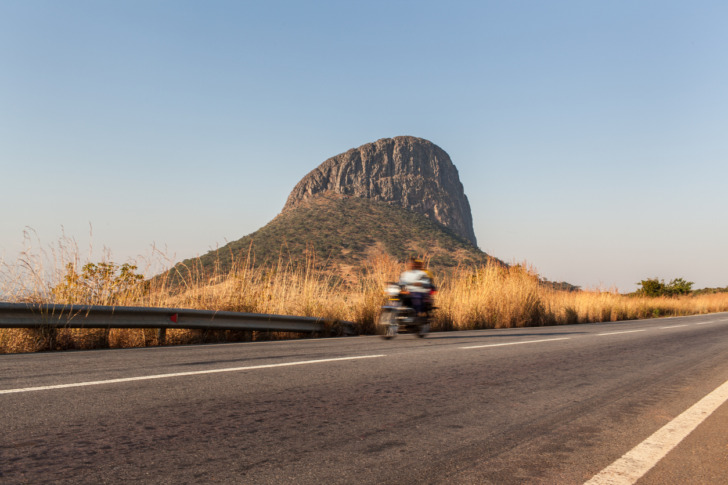
Morro do Moco, Angola’s highest mountain, is located in Huambo Province rather than the city itself.
It is an impressive destination for experienced hikers, but it should only be approached with a knowledgeable guide, reliable vehicle, weather preparation, and clear route planning.
Places to Avoid in Huambo
Peripheral Areas After Dark
Huambo does not have a clearly defined list of tourist no-go neighborhoods, but visitors should avoid unfamiliar peripheral districts after dark.
Street lighting, road quality, and police presence can vary.
Getting lost in an area without reliable phone coverage or transportation is a more serious problem here than in a well-developed tourist city.
Crowded Markets With Visible Valuables
Markets are interesting but can be overwhelming for newcomers.
Avoid carrying an expensive camera openly, counting money in public, or using your phone carelessly in dense crowds.
Visit with a local guide, carry only a small amount of cash, and leave your passport secured at the hotel when legally practical.
Abandoned Land and Unmarked Rural Tracks
Angola continues to deal with landmines and unexploded ordnance left from decades of conflict.
Central Huambo has undergone extensive clearance, but travelers should never explore abandoned military areas, empty fields, ruins, or unmarked rural paths.
Stay on established roads and follow local warnings without exception.
Roads Outside the City at Night
Avoid nighttime driving between Huambo and towns such as Caála, Bailundo, Kuito, or Benguela.
Potholes, unlit vehicles, animals, breakdowns, poor visibility, and limited emergency response make road accidents especially dangerous.
Intercity trips should begin early enough to finish before sunset.
Demonstrations and Government Gatherings
Political gatherings can develop with little warning and may cause road closures or a strong security response.
Do not stop to watch or photograph demonstrations.
Leave the area calmly, follow instructions from authorities, and avoid discussing sensitive political subjects with strangers.
Safety Tips for Traveling to Huambo
- Arrange a trusted driver before arrival. Independent taxis and informal transportation can be difficult to assess. Ask your hotel, employer, tour operator, or reliable local contact to arrange airport transfers and daily travel. A driver who knows Huambo can avoid unsafe roads, explain checkpoints, and reduce the need to walk through unfamiliar areas.
- Avoid walking after dark. Huambo can appear calm, but quiet streets, inconsistent lighting, and limited late-night transportation increase risk. Even short journeys should be completed by car after sunset. Plan restaurant visits and evening activities around safe transportation rather than assuming you can walk back to your hotel.
- Use strong mosquito protection. Malaria occurs throughout Angola, including the central highlands. Discuss preventive medication with a travel-health professional before departure. Use insect repellent, sleep in screened or air-conditioned rooms, and wear long sleeves after sunset. A cooler climate does not mean mosquitoes are absent.
- Drink only safe water. Use sealed bottled water for drinking and consider using it for brushing your teeth. Avoid ice, raw salads, and foods that may have been washed with untreated water. Choose meals that are thoroughly cooked and served hot, especially when eating outside established hotels or restaurants.
- Keep cash and electronics hidden. Cards may not work everywhere, so cash is useful, but do not carry your entire travel budget at once. Separate money between secure locations and use your phone discreetly. Avoid wearing expensive jewelry or carrying equipment that advertises wealth.
- Stay on established roads and paths. Never enter abandoned land, former military positions, ruins, or unmarked countryside. Angola still has unexploded wartime ordnance in some areas. Residents and guides understand which routes are used safely. A shortcut across an empty field is not worth the risk.
- Prepare for limited medical care. Bring prescription medicine, basic first-aid supplies, oral rehydration salts, stomach medication, and copies of important medical information. Serious illness or injury may require evacuation to Luanda or another country. Do not assume a reliable ambulance will be available quickly.
- Do not photograph sensitive sites. Avoid photographing police, military personnel, government buildings, airports, checkpoints, or infrastructure without permission. Authorities may question visitors who take pictures of sensitive locations. When photographing people, markets, or private property, ask first and accept any refusal politely.
- Plan road trips conservatively. Leave early, travel with a full fuel tank, carry water, and avoid driving at night. Phone service and roadside assistance may be inconsistent outside Huambo. During the rainy season, confirm that roads remain passable before starting a journey.
- Register your plans with someone reliable. Share your accommodation, driver details, route, and expected return time with a friend, employer, or family member. Keep your phone charged and carry backup contact information on paper. Tourism infrastructure is limited, so someone should always know where you are expected to be.
So... How Safe Is Huambo Really?
Huambo is not among Angola’s highest-risk regions, and it can feel considerably calmer than Luanda.
The city has rebuilt extensively since the civil war, and daily life continues through markets, schools, businesses, transport, and public spaces.
Travelers who arrive with local support may find a welcoming city with cooler weather, interesting history, and very few international tourists.
However, Huambo should not be judged only by how peaceful a central street appears during the day.
Angola has a high national crime rate, and robberies, assaults, vehicle crime, and petty theft remain legitimate concerns.
Medical services are limited, reliable ambulances cannot be assumed, and a relatively minor injury may require costly evacuation.
Malaria is present nationwide, while yellow fever and other infectious diseases require careful health preparation.
The surrounding countryside adds another layer of risk.
Road conditions vary, emergency help may be far away, and unexploded ordnance remains a concern in isolated or unmarked areas.
Visitors should never leave established routes simply to explore ruins or open land.
My overall rating for Huambo is medium risk.
It is visitable for prepared travelers using trusted drivers, established accommodation, travel-health precautions, and conservative daily routines.
It is not ideal for spontaneous backpacking, late-night wandering, or independent rural exploration.
How Does Huambo Compare?
| City | Safety Index |
|---|---|
| Huambo |
49 |
| Luanda |
35 |
| Sumbe |
46 |
| Soyo |
42 |
| Lobito |
52 |
| Lubango |
55 |
| Benguela |
53 |
 Peoria Peoria | 42 |
| Tallahassee | 69 |
| Texas | 65 |
| Rock Springs | 81 |
 Canillo Canillo | 94 |
 Bologna Bologna | 56 |
Useful Information

Visas
Many nationalities can enter Angola without a tourist visa for up to 30 days per visit, with total visa-free tourism generally limited to 90 days per calendar year. Eligibility depends on nationality. Other travelers must apply in advance, and some embassy visa fees begin around US$70. A yellow fever vaccination certificate may be required.

Currency
Angola uses the kwanza. Cash is important in Huambo because card acceptance and ATM reliability can vary. Bring a backup payment method and withdraw money at secure bank locations during daylight hours. Exchange foreign currency only through authorized banks or exchange offices, and avoid informal street dealers regardless of the rate offered.

Weather
Huambo has a milder highland climate than coastal Angola. The rainy season generally runs from October through April, while May through September is drier and cooler. Days can be warm, but nights may become surprisingly chilly. Pack layers, a light jacket, sun protection, and waterproof clothing during the rainy months.

Airports
Albano Machado Airport serves Huambo and is located a short drive from the city. Limited domestic flights connect it with Luanda, often taking around 90 minutes, but schedules can change. International travelers usually connect through Luanda’s Dr. António Agostinho Neto International Airport. Arrange a Huambo airport pickup before departure.

Travel Insurance
Comprehensive travel insurance is essential for Huambo. The policy should include emergency medical treatment, evacuation to another city or country, trip interruption, theft, and road accidents. Confirm that Angola is covered and that malaria-related treatment is not excluded. Carry proof of coverage and the insurer’s emergency telephone number.
Huambo Weather Averages (Temperatures)
Average High/Low Temperature
| Temperature / Month | Jan | Feb | Mar | Apr | May | Jun | Jul | Aug | Sep | Oct | Nov | Dec |
|---|---|---|---|---|---|---|---|---|---|---|---|---|
| High °C |
25 | 25 | 25 | 25 | 25 | 26 | 27 | 29 | 29 | 28 | 26 | 25 |
| Low °C |
14 | 14 | 15 | 14 | 12 | 10 | 10 | 12 | 15 | 16 | 15 | 14 |
| High °F |
77 | 77 | 77 | 77 | 77 | 79 | 81 | 84 | 84 | 82 | 79 | 77 |
| Low °F |
57 | 57 | 59 | 57 | 54 | 50 | 50 | 54 | 59 | 61 | 59 | 57 |
Angola - Safety by City
| City | Safety Index |
|---|---|
| Benguela | 53 |
| Huambo | 49 |
| Lobito | 52 |
| Luanda | 35 |
| Lubango | 55 |
| Malanje | 47 |
| Namibe | 56 |
| Soyo | 42 |
| Sumbe | 46 |