


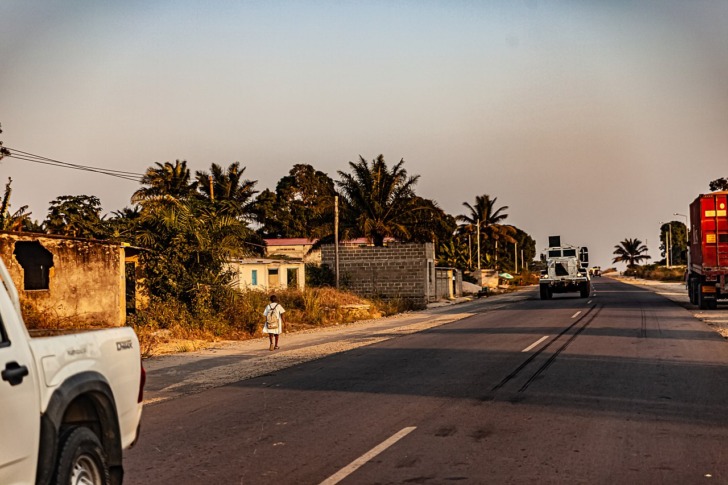
 Angola : Safety by City
Angola - safety as a country
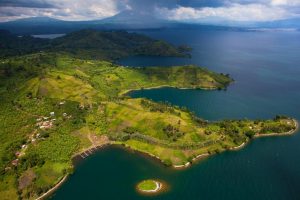
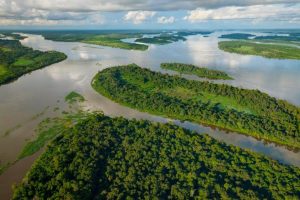
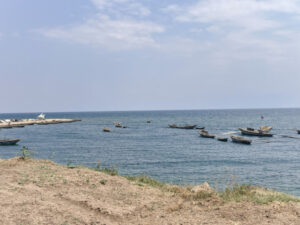
Soyo sits at Angola’s far northwestern edge, where the Congo River meets the Atlantic Ocean in a wide, watery landscape of mangroves, beaches, channels, fishing communities, and oil-and-gas infrastructure.
It is in Zaire Province, close to the border with the Democratic Republic of the Congo, and it feels very different from Luanda or Angola’s inland cities.
Soyo is not a typical holiday destination with polished tourist streets and easy sightseeing routes.
It is more of a working port and energy town with interesting natural surroundings, especially the Congo River mouth, nearby beaches, and mangrove areas.
That makes it fascinating for adventurous travelers, but also more complicated.
Soyo can be visited safely with planning, but it is not a casual, carefree destination.
Warnings & Dangers in Soyo

OVERALL RISK: MEDIUM
Soyo has a medium overall risk for travelers. It is generally calmer than Luanda, but Angola has higher crime and weaker tourist infrastructure than many mainstream destinations. Visitors should plan transport carefully, avoid walking at night, use trusted local contacts, and treat Soyo as a practical working city rather than a polished beach resort.

TRANSPORT & TAXIS RISK: MEDIUM
Transport risk is medium because local driving standards can be unpredictable, roads may be poorly maintained, and taxis are not always easy for visitors to verify. Use hotel-arranged drivers, trusted local contacts, or official taxis where possible. Avoid informal rides, night driving, and long road journeys without checking conditions first.

PICKPOCKETS RISK: MEDIUM
Pickpocketing is possible in markets, bus areas, ferry or river transport points, busy streets, and crowded local events. Soyo does not have the same level of tourist-targeted theft as major global cities, but foreign visitors may stand out. Keep phones hidden, carry limited cash, and avoid displaying cameras or jewelry.

NATURAL DISASTERS RISK: MEDIUM
Soyo has a medium natural-disaster risk because of heavy rain, seasonal flooding, coastal storms, heat, humidity, and river-related hazards. Flooding has affected the area before, and low-lying neighborhoods can be vulnerable during intense rain. Travelers should be especially cautious during the rainy season and avoid flooded roads or unstable coastal areas.

MUGGING RISK: MEDIUM
Mugging risk is medium, especially after dark, in isolated streets, around poorly lit areas, near informal transport points, or when walking alone. Violent crime is not guaranteed, but the consequences can be serious because emergency response may be slower than in larger cities. Do not walk at night if you can avoid it.

TERRORISM RISK: LOW
Terrorism risk in Soyo is low compared with many high-risk regions. Angola is not commonly associated with frequent terrorist attacks against tourists. However, because Soyo is a strategic port and energy area, visitors should avoid sensitive sites, security facilities, and large gatherings. Stay aware, but terrorism is not the main concern here.

SCAMS RISK: MEDIUM
Scams in Soyo are usually practical rather than elaborate. Visitors may face inflated taxi prices, unclear tour costs, unofficial guides, poor exchange rates, and people offering “help” for money. Because tourism infrastructure is limited, prices and expectations should be confirmed in advance. Do not rely on random street offers for transport or excursions.

WOMEN TRAVELERS RISK: MEDIUM
Women can travel in Soyo, but solo women should be cautious. Street harassment, unwanted attention, conservative social norms, limited late-night transport, and lower tourist infrastructure create challenges. Stay in reputable accommodation, avoid walking alone after dark, dress modestly in town, and use trusted drivers. Independent wandering is not ideal here.

TAP WATER RISK: HIGH
Tap water in Soyo is not recommended for travelers. Use sealed bottled water or properly filtered water for drinking, and consider bottled water for brushing teeth if you have a sensitive stomach. Avoid ice unless you trust the source. Heat, humidity, and stomach illness are a miserable combination, so play it safe.
Safest Places to Visit in Soyo
Central Soyo by Day
Central Soyo is the most practical area for visitors, especially during daylight hours.
This is where you will find shops, services, local restaurants, banks, basic accommodation, and transport connections.
It is not a glamorous tourist district, but it is easier to navigate than the outskirts.
Move with purpose, keep valuables low-profile, and avoid wandering into unfamiliar side streets without local advice.
Congo River Mouth With a Local Guide
The Congo River mouth is one of the most interesting natural sights near Soyo.
This is where one of Africa’s great rivers meets the Atlantic, creating a dramatic mix of water, sand, channels, and coastal landscape.
It is worth seeing, but not as a casual do-it-yourself adventure.
Go with a trusted local guide or driver who understands road conditions, access points, tides, and security.
Sereia and Nearby Beaches by Day
Beaches around Soyo, including Sereia and other local coastal spots, can be beautiful and peaceful during the day.
They are best visited with local guidance, especially if you are not familiar with the area.
The main risks are rough surf, lack of lifeguards, theft from unattended bags, isolated stretches, and limited facilities.
Do not stay late after the beach empties.
Mangrove and Channel Areas on Organized Visits
Soyo’s mangroves and water channels are part of what makes the area special.
They can be excellent for nature-focused travelers, but they require planning.
Use an organized boat or local arrangement rather than improvising at the water’s edge.
Weather, tides, boat safety, and communications matter here more than they would in a heavily developed tourist destination.
Places to Avoid in Soyo
Port and Industrial Areas
Soyo is a working port and energy town, and visitors should avoid wandering around port zones, oil-and-gas facilities, storage yards, and industrial compounds.
These areas may have security restrictions, photography rules, heavy vehicles, and limited public access.
Even if nothing bad happens, you may attract unwanted attention or be stopped by security.
Border and River-Crossing Areas Without Planning
Because Soyo is close to the Democratic Republic of the Congo, river movement and border-related areas can be sensitive.
Do not attempt informal crossings, do not use random boats, and do not photograph security or immigration activity.
Any cross-border plan should be handled legally, with current documentation and reliable local support.
Isolated Beaches After Dark
Empty beaches after dark are among the places I would avoid in Soyo.
The problem is not only crime.
It is also poor lighting, rough water, limited help, and the possibility of getting stranded without transport.
If you want sunset, arrange a driver and leave before the area becomes quiet.
Outskirts and Poorly Lit Roads at Night
Soyo’s outer neighborhoods and dark roads are not ideal for tourists after nightfall.
Roads may be uneven, lighting can be limited, and help may not be nearby if something goes wrong.
If your hotel or accommodation is outside the center, arrange transport in advance and do not walk long distances at night.
Safety Tips for Traveling to Soyo
- Arrange transport before you arrive. Soyo is not the kind of place where I would land, step outside, and casually figure it out. Arrange airport pickup, hotel transfer, or a trusted driver before arrival. This is especially important if you arrive late, carry luggage, or do not speak Portuguese. Reliable transport immediately lowers your risk.
- Do not walk around at night. This is one of the simplest safety rules for Soyo. Even if an area seems calm, poor lighting, limited taxis, unfamiliar streets, and crime risk make nighttime walking a bad habit. Take a trusted vehicle between your hotel, restaurant, and any evening plans. It may feel overly cautious, but it is the smarter move.
- Keep your phone out of sight in public. Foreign travelers already stand out in Soyo, and constantly holding a phone makes you stand out even more. Use your phone discreetly for maps or messages, then put it away. Do not walk around filming streets, transport areas, markets, or infrastructure. Besides theft risk, photography can create misunderstandings in sensitive areas.
- Use bottled water only. The tap water risk is one of the easiest problems to control. Drink sealed bottled water, avoid questionable ice, and be careful with raw foods washed in tap water. Heat and humidity already put stress on your body, so do not gamble with stomach illness. Keep extra water in your room and vehicle.
- Visit beaches with local advice. Soyo’s beaches are interesting, but they are not built like highly managed resort beaches. Ask locals or hotel staff which beaches are safe, how to get there, when to return, and whether swimming is advisable. Watch for currents, waves, isolated areas, and lack of lifeguards. Never leave valuables unattended while swimming.
- Avoid sensitive infrastructure. Soyo has port, oil, gas, and security-related areas. Do not wander near facilities, gates, pipelines, official buildings, or guarded compounds. Do not take photos of them. Even innocent curiosity can look suspicious. In a working industrial town, sightseeing boundaries matter more than they do in a normal beach city.
- Carry cash, but split it up. Cards may work in some places, but cash is important in Soyo. Carry small amounts for daily use and keep the rest hidden separately. Avoid showing large bills, changing money in public, or counting cash on the street. Use banks, trusted exchange channels, or your hotel for guidance when possible.
- Get current local information before day trips. Conditions can change quickly because of rain, road quality, fuel availability, local events, and security concerns. Before going to the Congo River mouth, beaches, villages, or mangrove areas, ask someone reliable about the route and timing. In Soyo, “probably fine” is not enough. You want current, local, specific advice.
- Dress simply and practically. This is not the place for flashy jewelry, designer watches, expensive cameras hanging out, or beachwear in town. Lightweight, modest, practical clothing works best. It helps with heat, reduces attention, and fits local expectations better. For beaches, bring sandals, sun protection, and something to cover up when leaving the sand.
- Have proper travel insurance and emergency contacts. Medical care and emergency support may be more limited than travelers expect. Get insurance that covers Angola, medical treatment, evacuation, theft, flight disruption, and road incidents. Save emergency contacts offline, keep your passport copy separate, and make sure someone knows your route if you leave town for a day trip.
So... How Safe Is Soyo Really?
Soyo is not extremely dangerous in the way some high-conflict destinations are, but it is also not an easy tourist city.
The safest way to understand it is as a medium-risk working destination with limited tourism infrastructure.
People travel there for business, energy projects, port activity, local life, and adventurous exploration, not because it is a polished vacation hub.
The biggest risks are practical: crime after dark, unreliable transport, poor road conditions, limited medical options, water safety, flooding during heavy rains, and misunderstandings around sensitive industrial or border areas.
Tourists who move carefully, use trusted drivers, stay in reputable accommodation, and avoid night wandering can reduce those risks a lot.
Compared with Luanda, Soyo may feel less intense and less crowded, but that does not automatically make it easy.
Smaller cities can have fewer services, fewer English speakers, and less tourist support when something goes wrong.
That is the tradeoff.
My honest take: Soyo is suitable for experienced travelers, business visitors, and people with local contacts.
I would not recommend it for nervous first-time Africa travelers, casual backpackers, solo night wanderers, or anyone expecting resort-style comfort.
With planning, Soyo can be visited safely.
Without planning, it can become stressful quickly.
How Does Soyo Compare?
| City | Safety Index |
|---|---|
| Soyo |
42 |
| Namibe |
56 |
| Sumbe |
46 |
| Lubango |
55 |
| Luanda |
35 |
| Malanje |
47 |
| Lobito |
52 |
 Evanston Evanston | 78 |
 Udaipur Udaipur | 72 |
| Toms River | 43 |
| Superior | 82 |
| Tecumseh | 83 |
 Dubai Dubai | 88 |
Useful Information

Visas
Angola's tourist entry rules depend on nationality. Many travelers can visit visa-free for short stays, often up to 30 days per trip, while others need an e-visa or visa approval before arrival. Fees and processing times vary. Check the latest requirement for your passport before booking, and make sure your passport has enough validity and blank pages.

Currency
Soyo uses the Angolan kwanza. Cash is important, especially outside major hotels and business facilities. U.S. dollars or euros may be useful for exchange, but use official or trusted channels only. Cards are less reliable than in major tourist countries, so carry enough local cash for transport, food, tips, and backup.

Weather
Soyo is hot and humid, with a tropical coastal climate. The rainy season can bring heavy downpours, flooding, muddy roads, and travel delays, while the drier months are easier for movement. Pack light breathable clothing, sunscreen, insect repellent, sandals, a hat, and rain protection if visiting during wetter periods.

Airports
Soyo Airport serves the city and mainly connects with Luanda. Most international travelers enter Angola through Luanda first, then continue to Soyo by domestic flight or road arrangement. Flights can be limited, so build flexibility into your schedule. Arrange airport pickup in advance rather than relying on last-minute transport.

Travel Insurance
Travel insurance is strongly recommended for Soyo. Choose a policy that covers Angola, medical treatment, evacuation, theft, road accidents, flight disruption, and weather-related delays. Basic insurance may not be enough if you are traveling for business, visiting remote areas, using boats, or depending on domestic flights with tight connections.
Soyo Weather Averages (Temperatures)
Average High/Low Temperature
| Temperature / Month | Jan | Feb | Mar | Apr | May | Jun | Jul | Aug | Sep | Oct | Nov | Dec |
|---|---|---|---|---|---|---|---|---|---|---|---|---|
| High °C |
30 | 31 | 31 | 31 | 29 | 27 | 26 | 26 | 27 | 28 | 29 | 29 |
| Low °C |
24 | 24 | 24 | 24 | 24 | 22 | 20 | 21 | 22 | 24 | 24 | 24 |
| High °F |
86 | 88 | 88 | 88 | 84 | 81 | 79 | 79 | 81 | 82 | 84 | 84 |
| Low °F |
75 | 75 | 75 | 75 | 75 | 72 | 68 | 70 | 72 | 75 | 75 | 75 |
Angola - Safety by City
| City | Safety Index |
|---|---|
| Benguela | 53 |
| Huambo | 49 |
| Lobito | 52 |
| Luanda | 35 |
| Lubango | 55 |
| Malanje | 47 |
| Namibe | 56 |
| Soyo | 42 |
| Sumbe | 46 |












Spent a few days near those mangroves and the mix of salty air with the hum of oil rigs honestly stuck with me in a way I didn’t expect.