 Angola : Safety by City
Angola - safety as a country
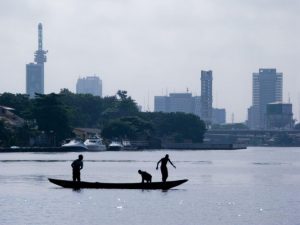
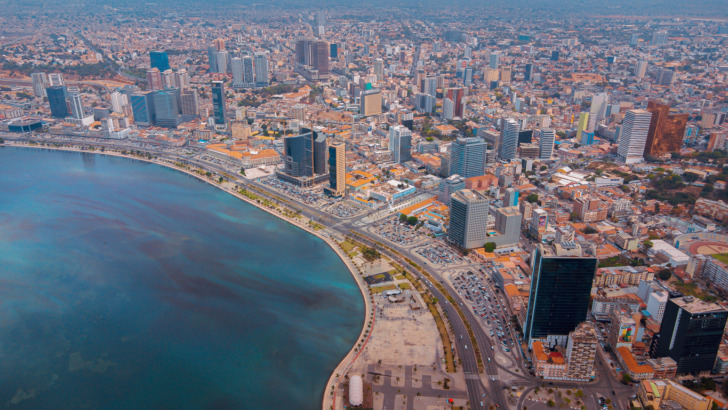
Luanda is Angola’s capital, largest city, main port, and economic engine, sitting on the country’s Atlantic coast with a skyline that mixes glass towers, colonial-era buildings, crowded markets, beach restaurants, oil-money luxury, and dense informal neighborhoods.
It is one of Africa’s most fascinating capitals because it feels intense from the moment you arrive: expensive, energetic, coastal, chaotic, and full of contrast.
Travelers come for business, history, music, food, the waterfront, Ilha do Cabo, nearby beaches, and access to the rest of Angola.
But Luanda is not an easy-breezy city break.
It requires more awareness than many destinations.
Crime, traffic, health risks, infrastructure gaps, and expensive logistics all matter here.
I would not call Luanda unsafe for prepared travelers, but I definitely would not call it casual either.
Warnings & Dangers in Luanda

OVERALL RISK: MEDIUM
Luanda is a medium-risk destination for tourists. Most visits can be completed safely with planning, but crime, traffic, unreliable infrastructure, health concerns, and high costs make the city more challenging than many African capitals. Travelers should avoid isolated areas, use trusted transport, and keep a low profile.

TRANSPORT & TAXIS RISK: MEDIUM
Transport risk is medium because traffic is heavy, driving can be aggressive, and public transport is not ideal for most visitors. Use hotel-arranged taxis, trusted private drivers, or reputable ride services. Avoid random street taxis, night driving when possible, and walking along busy roads without proper sidewalks.

PICKPOCKETS RISK: MEDIUM
Pickpocketing and bag snatching can happen in crowded markets, traffic, beaches, transport areas, and busy streets. Phones are especially tempting targets. Keep valuables hidden, avoid using your phone openly near roads, and do not carry your passport or large amounts of cash unless necessary.

NATURAL DISASTERS RISK: LOW
Luanda has a low natural disaster risk compared with earthquake, hurricane, or volcano-prone regions. The more realistic issues are heavy rains, urban flooding, poor drainage, coastal erosion, heat, and occasional road disruption during the rainy season. Rain can quickly turn traffic from annoying to deeply unreasonable.

MUGGING RISK: MEDIUM
Mugging and armed robbery are real concerns in Luanda, especially after dark, in isolated areas, at beaches, near ATMs, and when travelers appear wealthy. The risk is not constant, but it is serious enough to shape your behavior. Avoid walking alone at night and use secure transport.

TERRORISM RISK: LOW
Luanda has a low terrorism risk. Angola is not a major terrorism hotspot, and visitors are unlikely to encounter terrorism-related threats in the capital. The practical safety concerns are much more ordinary: street crime, transport problems, health risks, traffic accidents, and political demonstrations that should be avoided.

SCAMS RISK: MEDIUM
Scams in Luanda are usually practical rather than elaborate. Watch for inflated taxi fares, unofficial “helpers,” bad exchange rates, overcharging, fake fees, and unclear tour pricing. Always confirm prices before accepting services, use trusted drivers, exchange money through reliable channels, and avoid street deals that feel rushed.

WOMEN TRAVELERS RISK: MEDIUM
Women can travel safely in Luanda, but extra caution is smart. Harassment can happen, and walking alone at night is not recommended. Use trusted transport, choose well-reviewed accommodation, avoid isolated beaches after dark, dress with awareness of the setting, and be cautious around nightlife or alcohol-heavy environments.

TAP WATER RISK: HIGH
Do not drink tap water in Luanda. Use sealed bottled water or properly filtered and treated water. Also avoid ice unless you trust the establishment, and be careful with raw foods washed in unsafe water. Use bottled water for brushing teeth if you have a sensitive stomach.
Safest Places to Visit in Luanda
Marginal de Luanda
The waterfront promenade is one of the best and safest-feeling places in the city, especially during the day and early evening when people are walking, exercising, driving, and enjoying the bay views.
It gives you a more polished first impression of Luanda, with open views, modern buildings, and a stronger public presence.
Still, keep your phone secure and avoid empty stretches late at night.
Ilha do Cabo
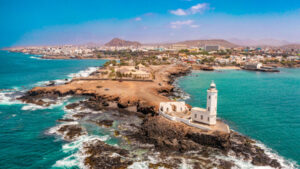
Ilha do Cabo is one of Luanda’s most popular areas for restaurants, beach clubs, nightlife, and ocean views.
It is generally safer than many parts of the city because it is heavily visited and has more tourism-oriented businesses.
The safer way to enjoy it is by using a trusted driver, going to established venues, and avoiding dark beach areas after hours.
Fortaleza de São Miguel
The fortress is one of Luanda’s most important historic sites and a good daytime attraction.
It offers views over the city and bay, plus insight into Angola’s colonial and military history.
Visit during normal hours, avoid wandering around nearby quiet streets afterward, and keep valuables low-key when taking photos.
Talatona
Talatona is a newer, more planned district with hotels, offices, malls, restaurants, and expat-oriented services.
It is one of the more comfortable areas for business travelers and visitors who want easier logistics.
It is not “crime-free,” but it is more organized than many central and informal parts of Luanda.
Mussulo
Mussulo is a popular beach escape near Luanda, often reached by boat.
It can be safe and enjoyable when arranged properly through a hotel, local contact, or established operator.
The main safety concerns are boat quality, valuables on the beach, sun exposure, and not wandering into isolated areas away from active beach spots.
Places to Avoid in Luanda
Informal Settlements and Musseques
Luanda’s informal neighborhoods, often called musseques, are not tourist areas.
Many are dense, underserved, and difficult to navigate without local knowledge.
This is not about blaming residents; it is about practical safety.
Visitors can stand out, infrastructure may be poor, and the risk of theft or confusion is higher.
Cazenga, Sambizanga, and Viana Without Local Support
These areas are part of real everyday Luanda, but they are not good places for casual sightseeing.
Cazenga, Sambizanga, and parts of Viana can be crowded, less familiar to visitors, and more challenging from a safety and transport perspective.
Go only with trusted local contacts if you have a specific reason.
Beaches After Dark
Luanda’s coastline is a highlight, but beaches and waterfront areas become riskier at night, especially away from busy restaurants or organized venues.
Robbery, harassment, and opportunistic theft are more likely in isolated coastal areas.
Enjoy the ocean during the day, then move to known restaurants or transport after dark.
Crowded Markets With Valuables
Markets can be fascinating, but they are also places where pickpocketing, overcharging, and confusion are more likely.
Avoid carrying passports, large cash, expensive cameras, or visible jewelry.
If you want to visit a market, go during the day with a local guide or someone who knows the area.
Political Demonstrations and Police Activity
Avoid demonstrations, large public gatherings, tense crowds, police operations, and government-related commotion.
Even if a gathering looks peaceful, conditions can change quickly.
Foreign visitors should not photograph police, military, checkpoints, government buildings, or protests.
In Luanda, curiosity can create problems.
Safety Tips for Traveling to Luanda
- Use trusted transport everywhere. Luanda is not a city where I would recommend casual street taxis or long spontaneous walks. Arrange transport through your hotel, a trusted local contact, a reliable company, or a reputable app-based option where available. This matters most at night, from the airport, after dinner, and when visiting beaches or areas outside the central business zones.
- Do not walk around after dark. Some central and waterfront areas may feel fine early in the evening, but Luanda is not a great city for nighttime wandering. Street lighting can be inconsistent, sidewalks may be poor, and crime risk rises after dark. If you are going out for dinner or drinks, plan your return transport before you leave.
- Keep your phone out of sight near roads. Phone snatching can happen from passing vehicles or motorcycles, especially if you are standing near traffic or walking with your phone exposed. Use your phone discreetly, step inside a shop or hotel lobby to check maps, and avoid holding it loosely while waiting outside. This is one of the easiest theft risks to reduce.
- Avoid displaying wealth. Luanda can be expensive, and visible wealth attracts attention. Avoid flashy watches, jewelry, expensive bags, and large cameras in public. Carry only the cash you need for the day. Keep your passport in a secure place and carry a copy when possible. Low-profile travel is safer travel here.
- Choose accommodation carefully. A good hotel or serviced apartment can make Luanda much easier and safer. Look for secure entrances, reliable transport help, good location, backup power, clean water arrangements, and staff who can advise you honestly about where to go. In Luanda, accommodation is not just about comfort. It is part of your safety plan.
- Be careful at ATMs. Use ATMs inside banks, malls, hotels, or secure commercial areas. Avoid withdrawing cash at night or on empty streets. Do not count money in public, and watch for anyone paying too much attention. Angola is cash-heavy in many situations, but that does not mean you should carry a thick stack around town.
- Prepare for health risks. Travelers should be serious about food, water, mosquito protection, and medical planning. Drink bottled or treated water, use insect repellent, and consider health advice before your trip, especially regarding malaria prevention and routine vaccines. Medical care can be limited and expensive, so do not arrive without proper insurance.
- Plan extra time for traffic. Luanda traffic can be brutal. A route that looks short on a map can take much longer than expected, especially during rush hour, rain, or roadworks. Build in extra time for airport transfers, meetings, dinner reservations, and tours. Rushing in Luanda usually leads to stress, not efficiency.
- Be cautious with beaches and boats. If visiting Ilha do Cabo, Mussulo, or nearby beaches, go through established venues or reliable operators. Watch your belongings on the sand, avoid isolated beaches, and be careful with boat transfers. Life jackets, weather, tide, and operator quality matter. A pretty beach does not automatically mean a safe setup.
- Avoid sensitive photography. Do not photograph police, military, checkpoints, government buildings, ports, airports, oil-related facilities, or security incidents. Even if nobody stops you immediately, it can create unwanted attention. Ask before photographing people, especially in markets or poorer neighborhoods. Luanda is visually fascinating, but not every scene is worth capturing.
So... How Safe Is Luanda Really?
Luanda is not one of those cities where safety can be summed up with a cheerful “you’ll be fine.”
You can be fine, and many visitors are, but you need to move with intention.
Angola is more stable than it was during its long civil war, and Luanda has modern hotels, international companies, waterfront restaurants, cultural sites, and areas that feel surprisingly polished.
But the city also has major inequality, infrastructure pressure, crowded informal neighborhoods, and a meaningful risk of street crime.
The crime risk is most relevant in the Luanda greater metropolitan area.
Petty theft, armed robbery, vehicle-related crime, and assaults are the concerns travelers should take seriously.
Most tourists are not targeted every moment they step outside, but careless behavior can quickly raise your risk.
Walking alone at night, flashing your phone, using unknown taxis, carrying large cash, or exploring unfamiliar neighborhoods without local help are bad ideas.
The other major issue is health and infrastructure.
Tap water is not safe for visitors, mosquitoes can be a problem, traffic is intense, and medical care may not match what travelers expect in Europe, North America, or wealthier Gulf destinations.
My honest take: Luanda is medium risk.
It is not off-limits for prepared travelers, especially business visitors or experienced Africa travelers, but it is not beginner-friendly.
Use trusted transport, stay in safer areas, avoid night wandering, protect your valuables, and treat the city with respect.
How Does Luanda Compare?
| City | Safety Index |
|---|---|
| Luanda |
35 |
| Namibe |
56 |
| Sumbe |
46 |
| Benguela |
53 |
| Lobito |
52 |
| Malanje |
47 |
| Huambo |
49 |
 Vail Vail | 86 |
| Lewisburg | 79 |
| East Hartford | 52 |
 Nassau Nassau | 55 |
| Carrabassett Valley | 92 |
 Maputo Maputo | 32 |
Useful Information

Visas
Many nationalities can visit Angola visa-free for short tourist stays, often up to 30 days per entry and 90 days per year. Others need an e-visa, pre-visa, visa on arrival, or consular visa, depending on nationality. If a visa is required, costs can vary, with some tourist visa arrangements around USD $120.

Currency
The currency is the Angolan kwanza. Cards work in some hotels, malls, and higher-end restaurants, but cash is still important. Bring clean U.S. dollars or euros for backup exchange, use secure ATMs, and avoid street money changers. Luanda can be expensive, so budget more than you might expect.

Weather
Luanda has a warm coastal climate, with a hotter rainy season roughly from November to April and a cooler, drier season from May to October. Pack light breathable clothing, sunscreen, sunglasses, insect repellent, and a light rain jacket in rainy months. Even in the dry season, humidity can make the city feel heavy.

Airports
Luanda is served by Dr. António Agostinho Neto International Airport, the capital’s main international gateway. Airport transfers should be arranged in advance through your hotel, company, or trusted driver. Do not improvise with random drivers outside the terminal. Traffic into the city can take much longer than expected.

Travel Insurance
Travel insurance is strongly recommended for Luanda. Choose a policy that covers medical care, emergency evacuation, theft, cancellations, lost luggage, and travel disruption. If you plan to visit beaches, rural areas, or other parts of Angola, make sure your coverage extends beyond the capital and includes realistic emergency support.
Luanda Weather Averages (Temperatures)
Average High/Low Temperature
| Temperature / Month | Jan | Feb | Mar | Apr | May | Jun | Jul | Aug | Sep | Oct | Nov | Dec |
|---|---|---|---|---|---|---|---|---|---|---|---|---|
| High °C |
29 | 32 | 32 | 30 | 28 | 26 | 27 | 26 | 26 | 28 | 29 | 29 |
| Low °C |
23 | 25 | 25 | 24 | 22 | 20 | 19 | 19 | 20 | 22 | 23 | 23 |
| High °F |
84 | 90 | 90 | 86 | 82 | 79 | 81 | 79 | 79 | 82 | 84 | 84 |
| Low °F |
73 | 77 | 77 | 75 | 72 | 68 | 66 | 66 | 68 | 72 | 73 | 73 |
Angola - Safety by City
| City | Safety Index |
|---|---|
| Benguela | 53 |
| Huambo | 49 |
| Lobito | 52 |
| Luanda | 35 |
| Lubango | 55 |
| Malanje | 47 |
| Namibe | 56 |
| Soyo | 42 |
| Sumbe | 46 |