


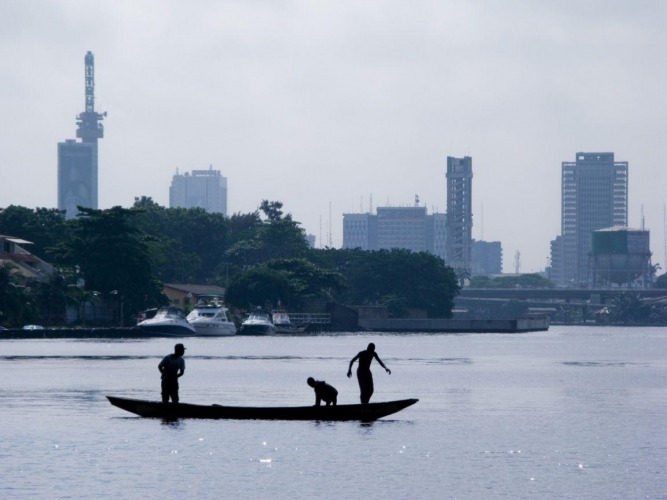
There is nowhere in Africa quite like Lagos.
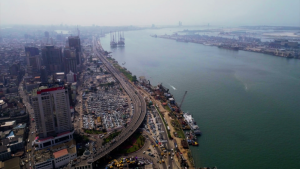
Perched along the Atlantic coast in southwestern Nigeria, this megacity of more than 20 million people is loud, creative, chaotic, and endlessly fascinating.
It is Nigeria’s economic powerhouse, the heart of Afrobeats, Nollywood, tech startups, fashion, and finance.
Unlike purpose built capitals, Lagos grew organically across islands and the mainland.
Victoria Island’s glass towers contrast sharply with crowded markets in Agege.
Luxury beach clubs sit minutes from informal settlements.
That contrast is part of its energy, but it also raises a serious question for travelers.
Is Lagos safe?
After digging into crime data, travel advisories, local perspectives, and firsthand accounts, here is my honest and detailed breakdown of the risks and realities of visiting Lagos.
Warnings & Dangers in Lagos

OVERALL RISK: MEDIUM
Lagos is not a beginner friendly destination. Petty crime is common, and certain areas experience armed robbery and gang related violence. However, most incidents are localized and avoidable. Visitors who stay in secure neighborhoods, use trusted transport, and follow strict safety precautions can visit without incident.

TRANSPORT & TAXIS RISK: MEDIUM
Traffic in Lagos is intense and unpredictable. Road accidents are common, and informal taxis may not be regulated. I strongly recommend using hotel arranged drivers or reputable ride hailing services rather than street pickups. Avoid traveling at night on poorly lit roads.

PICKPOCKETS RISK: HIGH
Pickpocketing and phone snatching are widespread in crowded areas, especially markets and bus parks. Thieves often operate in teams. Keep phones out of sight near roads, as “snatch and ride” motorcycle theft is a known tactic.

NATURAL DISASTERS RISK: MEDIUM
Lagos faces seasonal flooding during heavy rains, particularly in low lying neighborhoods. Coastal erosion also affects certain beachfront areas. While not prone to earthquakes or hurricanes, infrastructure strain during the rainy season can disrupt travel plans.

MUGGING RISK: MEDIUM
Armed robbery does occur, especially in less affluent districts and at night. Some robberies involve weapons. Tourists are rarely specifically targeted, but visible wealth can attract attention. Staying in secure compounds and limiting nighttime movement significantly reduces risk.

TERRORISM RISK: MEDIUM
Nigeria has faced terrorism threats, primarily from extremist groups operating in the northeast. Lagos itself is not the main hotspot, but security forces remain vigilant. The risk is lower than in northern Nigeria but not nonexistent.

SCAMS RISK: HIGH
Lagos is globally known for online fraud schemes, but street level scams also exist. Fake officials, ATM assistance scams, and inflated service charges can occur. Never hand over documents or money to unofficial intermediaries.

WOMEN TRAVELERS RISK: MEDIUM
Many women visit Lagos safely, particularly for business or events. However, harassment and unwanted attention can happen, especially outside upscale areas. Solo female travelers should arrange reliable transport and avoid isolated streets at night.

TAP WATER RISK: HIGH
Tap water is not safe to drink. Stick to sealed bottled water and avoid ice in places where water purification is uncertain.
Safest Places to Visit in Lagos
If you are going to Lagos, location is everything.
Victoria Island is widely considered the safest base for visitors.
It is home to major hotels, corporate offices, embassies, and high end restaurants.
Security presence is visible, and many buildings have controlled entry.
Areas around Ozumba Mbadiwe Avenue and Adeola Odeku Street are popular and relatively secure.
Ikoyi, adjacent to Victoria Island, is another upscale district known for gated communities and diplomatic residences.
Streets are quieter and better maintained.
Many expats choose to live here due to the strong security infrastructure.
Lekki Phase 1, especially within gated estates, is also considered comparatively safe.
It offers beach resorts, shopping malls like the Palms Shopping Mall, and modern restaurants.
The Lekki Conservation Centre is a well managed nature reserve with security staff and controlled access, making it a comfortable excursion spot.
For cultural experiences, the Nike Art Gallery on Lekki and Tarkwa Bay Beach, accessible by boat from secure marinas, are popular and generally safe when visited during the day with organized transport.
In my experience and based on traveler feedback, sticking to Victoria Island, Ikoyi, and well secured parts of Lekki significantly lowers risk.
These areas have private security, better infrastructure, and stronger police visibility.
Places to Avoid in Lagos
Lagos is highly segmented.
Some districts experience significantly higher crime rates and should not be explored casually.
Areas such as Mushin, Agege, Ajegunle, and parts of Oshodi have reputations for gang activity, armed robbery, and street crime.
These neighborhoods are densely populated and not designed for tourism.
Visitors have little reason to enter them.
Certain mainland districts can also be riskier after dark, especially poorly lit streets without visible security.
Bus parks and informal transport hubs are common sites for theft.
Oshodi Transport Interchange has improved infrastructure in recent years, but the surrounding environment can still feel chaotic and overwhelming for newcomers.
Makoko, the well known waterfront settlement built on stilts, attracts curiosity.
However, it is not a conventional tourist site and visiting without a trusted local guide can be unsafe and culturally insensitive.
Night travel outside secure areas is particularly risky.
Armed robbery incidents have occurred on isolated roads and highways, especially during traffic gridlock.
Avoid unnecessary movement late at night unless arranged by a trusted driver.
The key pattern I see is clear.
Upscale island districts are heavily secured.
Certain mainland neighborhoods struggle with higher crime.
Planning your movements carefully makes a huge difference.
Safety Tips for Traveling to Lagos
- Stay in secure accommodations. Choose internationally recognized hotels or well reviewed guesthouses with controlled entry and 24 hour security.
- Arrange airport transfers in advance. Use hotel pickups or vetted drivers. Do not negotiate rides outside the terminal.
- Avoid displaying wealth. Keep jewelry, expensive watches, and high end electronics discreet.
- Limit nighttime movement. If you go out at night, stay within Victoria Island, Ikoyi, or secure parts of Lekki and use trusted transport.
- Use reliable ride services. Avoid informal taxis and motorcycle taxis. Confirm your driver details in the app before entering the vehicle.
- Keep phones away from roadsides. Phone snatching by passing motorcycles is common. Step inside shops before using your device.
- Carry minimal cash. Use secure ATMs located inside banks or hotels.
- Monitor weather during rainy season. Flooding can make roads impassable. Allow extra travel time.
- Avoid political gatherings. Protests can occur and sometimes escalate. Steer clear of large crowds.
- Purchase comprehensive travel insurance. Ensure your policy covers medical evacuation, as serious cases may require transfer to another country.
So... How Safe Is Lagos Really?
Lagos is a city of extremes.
Nigeria consistently records high national crime statistics compared to many Western countries, and armed robbery and fraud are real concerns.
However, crime in Lagos is highly uneven geographically.
The majority of violent crime does not target tourists specifically.
Instead, it is concentrated in economically challenged districts and often involves local disputes or organized criminal groups.
Upscale neighborhoods maintain private security networks, gated estates, and rapid response systems.
Lagos is not comparable to smaller African tourist destinations like Kigali or Cape Town’s central waterfront.
It demands awareness, planning, and local knowledge.
But thousands of business travelers, diplomats, and event attendees visit each year without incident.
In my assessment, Lagos is manageable for experienced travelers who respect the environment and take structured precautions.
It is not reckless to visit, but it is not carefree either.
Preparation is everything.
How Does Lagos Compare?
| City | Safety Index |
|---|---|
 Lagos Lagos |
30 |
 Cooperstown Cooperstown | 78 |
 Riga Riga | 70 |
| Pembroke | 73 |
 San Juan San Juan | 55 |
 Murcia Murcia | 83 |
| Watertown | 63 |
Useful Information

Visas
Most travelers require a Nigerian visa obtained before arrival through a Nigerian embassy or consulate. Fees vary by nationality but often range from 100 to 200 USD. Processing times can take several days to weeks, so apply early.

Currency
Nigeria uses the Nigerian Naira. Foreign cards are accepted in major hotels and malls, but cash is widely used. Exchange money at official banks or licensed exchange bureaus.

Weather
Lagos has a tropical climate with a rainy season roughly from April to October. Expect high humidity year round. Pack lightweight clothing, breathable fabrics, and rain protection if visiting during wet months.

Airports
Murtala Muhammed International Airport serves Lagos and is located on the mainland. Pre arrange airport transfers, as navigating transport on arrival can be overwhelming for first time visitors.

Travel Insurance
Comprehensive travel insurance is essential. Ensure your policy includes medical coverage and evacuation. Healthcare quality varies, and serious emergencies may require evacuation to Europe or South Africa.
Lagos Weather Averages (Temperatures)
Average High/Low Temperature
| Temperature / Month | Jan | Feb | Mar | Apr | May | Jun | Jul | Aug | Sep | Oct | Nov | Dec |
|---|---|---|---|---|---|---|---|---|---|---|---|---|
| High °C |
31 | 32 | 32 | 31 | 30 | 28 | 27 | 27 | 28 | 29 | 30 | 30 |
| Low °C |
23 | 24 | 25 | 25 | 24 | 23 | 23 | 23 | 23 | 23 | 23 | 23 |
| High °F |
88 | 90 | 90 | 88 | 86 | 82 | 81 | 81 | 82 | 84 | 86 | 86 |
| Low °F |
73 | 75 | 77 | 77 | 75 | 73 | 73 | 73 | 73 | 73 | 73 | 73 |
Nigeria - Safety by City
| City | Safety Index |
|---|---|
| Lagos | 30 |
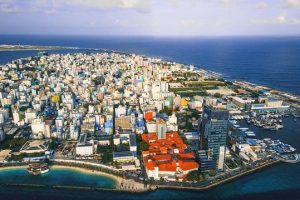












Great scenery but not very safe
Lagos and even Nigeria as a whole are not good for women. I went with a group of people for a work-related trip and let me tell you, it is not fun. I had to constantly be on the lookout when we were out doing things. I was one of 3 women in a group of 12. Thankfully we each was paired off with 3 guys at all times to ensure safety.
I stay in Lagos and to be honest it is not safe at all under the current government as security is not their priority. I would advise against all but essential travel
Lagos is not safe for women. Nigeria as a whole is not safe for women especially the northern part with Muslims and terrorist groups. Lagos as safe places to visit but as a Nigerian, I beg you to avoid it. Abuja is safer and better than lagos
true
It’s such a wild mix of chaos and beauty in Lagos; just the other day I was stuck in traffic for ages but then stumbled upon this stunning beach that made it all feel worth it.
It’s charming how a luxury beach club and a bustling market can coexist in such harmony, just like my anxiety and the need to explore.
I got stuck in Lekki traffic with Afrobeats blasting from a vendor’s speaker and felt weirdly alive but also a bit nervous once it started getting dark.
Has anyone else felt oddly excited and a bit on edge walking from Victoria Island’s glass towers into Agege’s crowded market late at night?