


 Angola : Safety by City
Angola - safety as a country
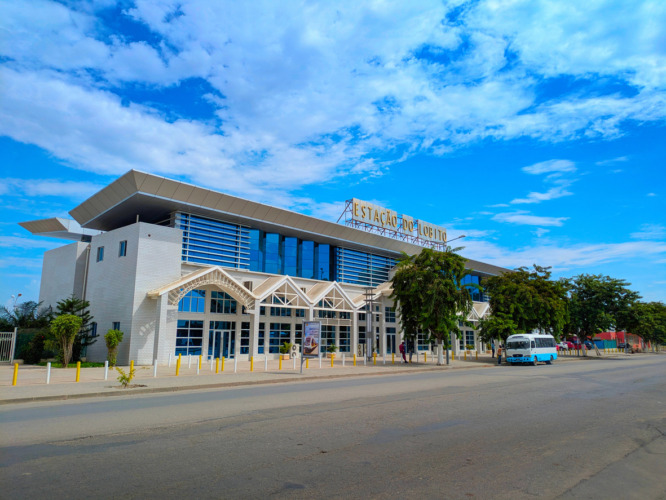
Lobito is a sun-baked port city on Angola’s Atlantic coast, about 30 kilometers north of Benguela.
It grew around one of Africa’s finest natural harbors, formed by the long, narrow Restinga sandspit that separates Lobito Bay from the open ocean.
The city is also the western endpoint of the Benguela Railway and the increasingly important Lobito Corridor, which links Angola’s coast with mineral-producing regions deep inside central Africa.
For travelers, Lobito offers seafood restaurants, warm beaches, Portuguese-influenced architecture, railway history, and a noticeably calmer atmosphere than Luanda.
Still, it is not a carefree resort destination.
Crime, unsafe roads, malaria, unreliable water, limited medical facilities, and strong Atlantic currents require preparation.
My view is that Lobito is manageable for careful travelers, but not a place for wandering around without a plan.
Warnings & Dangers in Lobito

OVERALL RISK: MEDIUM
Lobito is safer and less hectic than Luanda, but travelers should still exercise caution. Street crime, poor road safety, health risks, and limited emergency services are the main concerns. Most visits remain trouble-free when travelers stay in established areas, use trusted drivers, and avoid walking alone after dark.

TRANSPORT & TAXIS RISK: MEDIUM
Driving standards can be unpredictable, roads may be poorly lit, and vehicles are not always maintained to high standards. Use taxis arranged by your hotel or a reliable local contact. Agree on the fare beforehand when no meter is used, wear a seat belt, and avoid long-distance road travel at night.

PICKPOCKETS RISK: MEDIUM
Pickpocketing and phone theft can occur in busy markets, transport areas, commercial streets, and crowded public spaces. Foreign visitors may attract attention, especially when displaying cameras or expensive phones. Use a zipped bag, carry limited cash, and avoid placing valuables in easily accessible trouser or backpack pockets.

NATURAL DISASTERS RISK: MEDIUM
Lobito is not highly exposed to earthquakes or tropical cyclones, but heavy rain can cause flooding, damaged roads, and drainage problems. Coastal erosion, heat, drought, and rough ocean conditions also create risks. Strong currents can develop near beaches, so ask locally about swimming conditions before entering the water.

MUGGING RISK: MEDIUM
Muggings and armed robberies are possible, particularly after dark, in isolated streets, around informal settlements, and near empty beaches. The risk is lower in busy parts of the Restinga during daylight. Avoid walking with visible valuables, do not resist if threatened, and use a trusted vehicle at night.

TERRORISM RISK: LOW
Lobito has a low terrorism risk, and Angola is not considered a major center of international terrorist activity. Travelers are more likely to encounter ordinary crime, transport problems, or health emergencies. Avoid political demonstrations, government security operations, and large gatherings that could become tense without warning.

SCAMS RISK: MEDIUM
Common problems include inflated taxi prices, unofficial guides, unfavorable currency exchanges, and unclear charges for transport or tours. Confirm prices before accepting a service and avoid changing money on the street. Be suspicious of strangers who create urgency, claim an attraction is closed, or insist on providing unwanted assistance.

WOMEN TRAVELERS RISK: MEDIUM
Women can visit Lobito safely with sensible precautions, but solo nighttime walking is not recommended. Verbal attention or harassment may occur, particularly in crowded or nightlife areas. Use trusted transportation, stay in established accommodation, avoid isolated beaches, and tell someone where you are going when traveling alone.

TAP WATER RISK: HIGH
Do not drink tap water in Lobito. Water treatment and plumbing quality can vary, and contamination may cause serious stomach illness. Use sealed bottled water or properly purified water for drinking. Travelers with sensitive stomachs should also use bottled water for brushing their teeth and avoid ice of uncertain origin.
Safest Places to Visit in Lobito
The Restinga Peninsula
The Restinga is Lobito’s most attractive and visitor-friendly area.
This narrow strip of land has beaches, hotels, restaurants, homes, and views across both the Atlantic Ocean and Lobito Bay.
It generally feels calmer and more organized than the crowded inland districts.
Visit during daylight or early evening, remain near active businesses, and arrange transportation back to your accommodation after dark.
Praia da Restinga
Praia da Restinga is one of the easiest beaches for visitors to reach.
It is popular with local families and groups, particularly on weekends.
Choose a spot near restaurants, hotels, or other swimmers rather than an empty stretch.
Keep someone with your belongings, ask about currents, and avoid swimming after drinking alcohol.
Lobito Bay Waterfront
The waterfront around Lobito Bay offers harbor views, fishing activity, restaurants, and a look at the city’s maritime character.
Busier sections can be pleasant for daytime walks when accompanied by someone familiar with the city.
Avoid photographing restricted port infrastructure and do not wander into industrial or security-controlled areas.
Central Lobito
Central Lobito contains shops, restaurants, railway-related buildings, banks, and everyday city life.
It can be explored safely during daylight with normal precautions.
Keep your phone discreet, avoid carrying large amounts of cash, and use a local guide or driver if you want to visit markets or less familiar streets.
Benguela Railway Sites
Lobito’s railway history is central to the city’s identity.
The railway terminal and surrounding heritage areas can be interesting for travelers fascinated by transportation and African trade routes.
Visit with a guide or trusted local contact, follow photography restrictions, and avoid wandering near operational tracks, freight yards, or secured facilities.
Places to Avoid in Lobito
Port and Industrial Zones
The Port of Lobito is economically important, but operational docks, freight terminals, storage areas, and secured railway yards are not sightseeing locations.
Photography of ports, government infrastructure, or security personnel can lead to questioning.
View the harbor from public areas and enter restricted zones only with formal permission.
Isolated Sections of the Restinga at Night
The Restinga is one of Lobito’s better areas, but empty beach sections and quiet roads become less secure late at night.
Robbery and harassment are more likely where there are few witnesses.
Stay near active restaurants, hotels, and organized venues, then return by trusted taxi or private vehicle.
Compão and Crowded Commercial Streets After Dark
Compão is a lively local neighborhood with markets and everyday commercial activity.
It can be interesting in daylight with a local guide, but it is not the best place for an unfamiliar traveler to wander after dark.
Crowds, poor lighting, traffic, and visible valuables can increase the risk of theft.
Informal Settlements on the Outskirts
Densely populated peripheral neighborhoods are not suitable for casual tourism.
Roads and addresses may be difficult to navigate, emergency assistance may be limited, and foreign visitors can stand out immediately.
Visit only when accompanied by trusted residents or professionals who understand the area and have a specific reason to go.
Remote Beaches and Coastal Roads
Beaches outside the active urban area may be beautiful but isolated.
Risks include robbery, vehicle breakdowns, poor phone reception, rough surf, and limited rescue services.
Do not explore remote coastal areas alone, especially near sunset.
Use a reliable vehicle, travel with others, and return before dark.
Safety Tips for Traveling to Lobito
- Arrange a trusted driver before arriving. Transportation is one of the most important parts of a safe Lobito trip. Ask your hotel, employer, tour operator, or established local contact to arrange airport pickups and city travel. Random taxis may be poorly maintained, uninsured, or operated by drivers unfamiliar with what foreign visitors expect. Confirm the vehicle, driver’s name, and approximate price before departure.
- Avoid walking after dark. Even streets that feel comfortable during the day can become quiet and poorly lit at night. Sidewalks are inconsistent, traffic is difficult to judge, and robbery risk increases after businesses close. Use a driver for restaurants, nightlife, and evening visits. Do not assume a short distance automatically makes walking the safer choice.
- Keep your phone out of sight. Phone snatching is one of the easiest crimes to prevent. Avoid standing beside a road while looking at maps or messages, and do not hold your phone through an open car window. Step inside a hotel, restaurant, or shop when you need directions. Carry the phone in a secure front pocket or zipped bag.
- Do not display wealth. Expensive watches, jewelry, cameras, laptops, and large amounts of cash can attract unwanted attention. Dress simply and carry only what you need for the day. Leave your passport and backup bank cards in secure accommodation when practical, while keeping a copy of your identification with you.
- Protect yourself from malaria. Malaria is present throughout Angola, including coastal areas. Speak with a travel medicine professional before departure about preventive medication. Use insect repellent, sleep in air-conditioned or screened accommodation, and wear long sleeves in the evening. Fever during or after the trip requires prompt medical attention.
- Drink only safe water. Use factory-sealed bottled water and check that the cap has not already been opened. Avoid ice unless a reputable hotel or restaurant confirms it was made with purified water. Choose thoroughly cooked food served hot, peel fruit yourself, and be cautious with raw salads, unpasteurized products, and roadside seafood.
- Treat the ocean seriously. Lobito’s beaches can look gentle, but Atlantic currents and waves may be stronger than expected. Swim near other people, avoid entering the water at night, and ask local staff about current conditions. Lifeguard coverage may be limited. Children and weak swimmers should remain close to shore even when the sea appears calm.
- Be careful when photographing the city. Do not photograph the port, railway freight infrastructure, police, military personnel, government buildings, airports, or checkpoints. Authorities may consider these sensitive locations. Ask permission before photographing individuals, markets, or residential communities. When a driver or guide tells you to put the camera away, do it immediately.
- Plan road trips conservatively. Travel between Lobito, Benguela, Catumbela, and other destinations can involve fast traffic, poorly marked hazards, pedestrians, motorcycles, and vehicles without adequate lighting. Avoid nighttime road travel and allow more time than the distance suggests. For travel far inland, stay on established roads because landmines remain a concern in some remote parts of Angola.
- Carry proper travel insurance. Medical facilities outside Luanda may not be able to handle serious illness or injury. Your insurance should include emergency medical care, hospitalization, evacuation, theft, cancellations, and missed transportation. Confirm that Angola is covered and that evacuation can be arranged from Benguela Province rather than only from the capital.
So... How Safe Is Lobito Really?
Lobito is a medium-risk destination, but it is not as threatening as Angola’s wider reputation may suggest.
The city is smaller, calmer, and easier to navigate than Luanda.
Its Restinga peninsula, waterfront restaurants, railway heritage, and coastal setting make it one of Angola’s more appealing urban stops.
The main danger is not constant violence.
It is the combination of opportunistic crime, weak infrastructure, road hazards, limited emergency care, and health risks.
A traveler who uses a trusted driver, stays near the Restinga, visits attractions during daylight, and keeps valuables hidden can reduce most street-level dangers.
A traveler who walks alone at night, uses unknown transportation, or explores peripheral districts without local support takes unnecessary risks.
Health preparation is equally important.
Malaria exists throughout Angola, tap water is unreliable, and serious medical treatment may require evacuation to Luanda or another country.
Traffic accidents may be a greater day-to-day threat than violent crime, particularly on poorly lit roads.
Lobito’s growing international importance has brought investment and increased attention to the city, but tourism infrastructure remains limited.
Visitors should not expect the polished services found in established beach destinations.
My honest assessment is that Lobito can be rewarding for experienced travelers, business visitors, and people exploring Angola with local support.
It is less suitable for first-time independent travelers who expect easy public transportation, extensive tourist services, or carefree nighttime exploration.
How Does Lobito Compare?
| City | Safety Index |
|---|---|
| Lobito |
52 |
| Luanda |
35 |
| Benguela |
53 |
| Huambo |
49 |
| Soyo |
42 |
| Sumbe |
46 |
| Namibe |
56 |
 Springfield Springfield | 62 |
 Melbourne Melbourne | 80 |
 Abbotsford Abbotsford | 83 |
 Galway Galway | 71 |
 Medellin Medellin | 60 |
 Larnaca Larnaca | 82 |
Useful Information

Visas
Citizens of many countries can visit Angola without a tourist visa for up to 30 days per entry, with a maximum of 90 days during a calendar year. Other nationalities may need an electronic pre-visa or consular visa. Carry proof of accommodation, onward travel, and a passport with sufficient validity.

Currency
The currency is the Angolan kwanza. Cards may work at larger hotels, supermarkets, and established restaurants, but cash remains important. Withdraw money from ATMs inside banks or secure commercial locations. Avoid street money changers, carry smaller notes, and keep most of your cash hidden separately from your daily wallet.

Weather
Lobito has a warm, dry coastal climate. Temperatures generally remain pleasant to hot throughout the year, with warmer and more humid conditions from roughly November through April. The cooler cacimbo period runs around May to September. Pack light clothing, sunscreen, insect repellent, and a light layer for breezy evenings.

Airports
Catumbela Airport is the closest airport, roughly 15 to 20 kilometers south of central Lobito. It mainly handles domestic and limited regional services. Many international travelers connect through Luanda before flying to Catumbela. Arrange your airport transfer in advance because ordinary public transportation is not ideal for arriving visitors.

Travel Insurance
Travel insurance is essential for Lobito. Choose a policy that covers malaria and other illnesses, emergency evacuation, hospitalization, theft, cancellations, and road accidents. Medical services in Benguela Province may be limited for serious conditions, so confirm that your insurer can organize evacuation to Luanda or another country.
Lobito Weather Averages (Temperatures)
Average High/Low Temperature
| Temperature / Month | Jan | Feb | Mar | Apr | May | Jun | Jul | Aug | Sep | Oct | Nov | Dec |
|---|---|---|---|---|---|---|---|---|---|---|---|---|
| High °C |
28 | 30 | 30 | 30 | 28 | 25 | 24 | 24 | 26 | 27 | 28 | 28 |
| Low °C |
24 | 25 | 25 | 25 | 23 | 20 | 19 | 19 | 20 | 22 | 23 | 24 |
| High °F |
82 | 86 | 86 | 86 | 82 | 77 | 75 | 75 | 79 | 81 | 82 | 82 |
| Low °F |
75 | 77 | 77 | 77 | 73 | 68 | 66 | 66 | 68 | 72 | 73 | 75 |
Angola - Safety by City
| City | Safety Index |
|---|---|
| Benguela | 53 |
| Huambo | 49 |
| Lobito | 52 |
| Luanda | 35 |
| Lubango | 55 |
| Malanje | 47 |
| Namibe | 56 |
| Soyo | 42 |
| Sumbe | 46 |












Spent an afternoon by the beach there and seriously, those Atlantic currents made me think twice about swimming without a buddy.
Did you find any spots along the waterfront where you could chill without worrying too much about safety?