 Angola : Safety by City
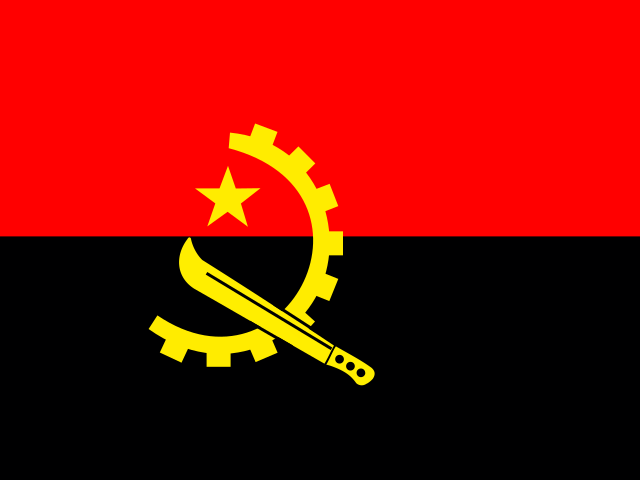
Angola - safety as a country
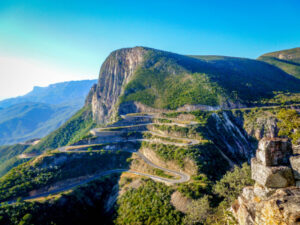
Malanje is an inland city in north-central Angola, roughly 380 kilometers east of Luanda, surrounded by green plateaus, rivers, agricultural land, and some of the country’s most dramatic natural attractions.
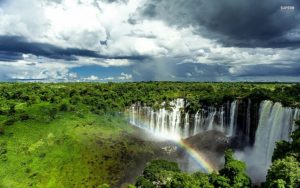
The city is best known as the gateway to Kalandula Falls, a thunderous wall of water measuring about 105 meters high and 400 meters wide, as well as the mysterious black rock formations of Pungo Andongo.
Malanje itself is a working provincial capital rather than a polished tourism center.
Its markets, broad avenues, Portuguese-influenced buildings, and everyday street life offer a more authentic view of Angola than a resort ever could.
Malanje can be rewarding for adventurous travelers, but limited infrastructure, road conditions, health risks, and crime mean that careful planning is essential.
Warnings & Dangers in Malanje

OVERALL RISK: MEDIUM
Malanje has a medium overall risk for travelers. It is generally calmer and less intense than Luanda, but tourism infrastructure remains limited. Crime, poor roads, restricted medical care, and communication difficulties can complicate a visit. Travelers should use trusted drivers, stay in reputable accommodation, avoid walking at night, and plan excursions before leaving the city.

TRANSPORT & TAXIS RISK: MEDIUM
Transport is one of the main challenges in Malanje. Roads outside the city may have potholes, poor lighting, flooding, animals, or limited assistance. Informal taxis can be crowded and difficult for foreign visitors to navigate. Use hotel-arranged transport or a trusted private driver, and avoid long-distance driving after dark.

PICKPOCKETS RISK: MEDIUM
Pickpocketing and bag theft can occur around markets, bus stops, crowded streets, shops, and public gatherings. Malanje receives fewer foreign tourists than Luanda, so visitors may attract attention. Keep your phone out of sight, use a zipped bag, carry limited cash, and avoid displaying cameras, jewelry, or expensive watches.

NATURAL DISASTERS RISK: MEDIUM
Malanje experiences heavy seasonal rain, localized flooding, erosion, lightning, extreme heat, and difficult road conditions during the wet season. Rural tracks can become muddy or impassable after storms. Weather is less disruptive during the dry season, but travelers should still carry water, sun protection, and basic emergency supplies on excursions.

MUGGING RISK: MEDIUM
Muggings are possible, particularly after dark, near poorly lit streets, transport areas, markets, and quieter neighborhoods. Foreign visitors should avoid walking alone at night or carrying visible valuables. Most daytime visits pass without serious trouble, but the limited availability of police and emergency assistance makes prevention especially important.

TERRORISM RISK: LOW
The terrorism risk in Malanje is low. Angola does not experience frequent terrorist attacks, and Malanje is not considered a major international target. Travelers should nevertheless avoid demonstrations, government facilities, military areas, and large unpredictable gatherings. Security restrictions around official or strategic sites should always be respected.

SCAMS RISK: MEDIUM
Scams generally involve inflated taxi fares, unofficial guides, unclear tour prices, poor currency exchange rates, or people requesting money for unnecessary assistance. Tourism services are not always standardized, so confirm prices, routes, meals, entrance costs, and fuel arrangements before leaving. Use recommendations from your hotel or trusted local contacts.

WOMEN TRAVELERS RISK: MEDIUM
Women can visit Malanje safely with appropriate planning, but independent travel can be challenging. Street harassment, unwanted attention, conservative social expectations, limited nighttime transport, and poor lighting are concerns. Solo women should stay centrally, dress modestly in town, use trusted drivers, and avoid isolated roads, markets, or natural attractions without a guide.

TAP WATER RISK: HIGH
Tap water in Malanje is not recommended for travelers. Drink sealed bottled water or properly purified water, including when taking medication. Travelers with sensitive stomachs should also use bottled water for brushing their teeth. Avoid questionable ice, raw vegetables washed in local water, and food that has been sitting unrefrigerated.
Safest Places to Visit in Malanje
Central Malanje
The central part of Malanje is the most practical area for travelers.
It contains hotels, restaurants, banks, shops, government buildings, and essential services.
The main streets are generally comfortable during daylight, particularly when explored with a local contact or driver.
Keep your belongings secured and avoid photographing official buildings or security personnel.
Kalandula Falls
Kalandula Falls is the main reason many travelers visit Malanje Province.
Located on the Lucala River, it is one of Africa’s most impressive waterfalls and is especially powerful during and shortly after the rainy season.
Visit with an experienced driver or organized guide, since road conditions and directions can be inconsistent.
Stay on established viewing areas, keep away from slippery edges, and never attempt to swim near the falls.
Pedras Negras de Pungo Andongo
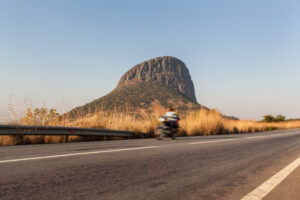
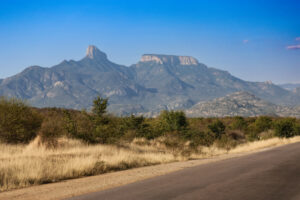
The Black Rocks of Pungo Andongo form a surreal landscape of enormous dark stone formations surrounded by open countryside.
The area is connected to stories about Queen Njinga and Angola’s resistance to Portuguese rule.
It is generally safe during organized daytime visits, but travelers should bring water, sun protection, good shoes, and a driver familiar with the route.
Cangandala National Park
Cangandala National Park is known for its association with the giant sable antelope, one of Angola’s most iconic animals.
Access and visitor facilities can be limited, so this is not a destination to approach without preparation.
Arrange permission, transport, and local guidance in advance.
A properly organized visit is far safer and more rewarding than attempting to explore independently.
Places to Avoid in Malanje
Isolated Streets After Dark
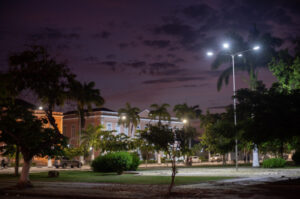
Central Malanje can feel calm during the day, but poorly lit streets become less comfortable after dark.
Avoid walking between hotels, restaurants, and shops at night, even when the distance looks short.
Use a trusted driver and arrange a pickup time in advance.
Nighttime pedestrian activity is not worth the added robbery and road-safety risks.
Remote Rural Roads Without a Guide
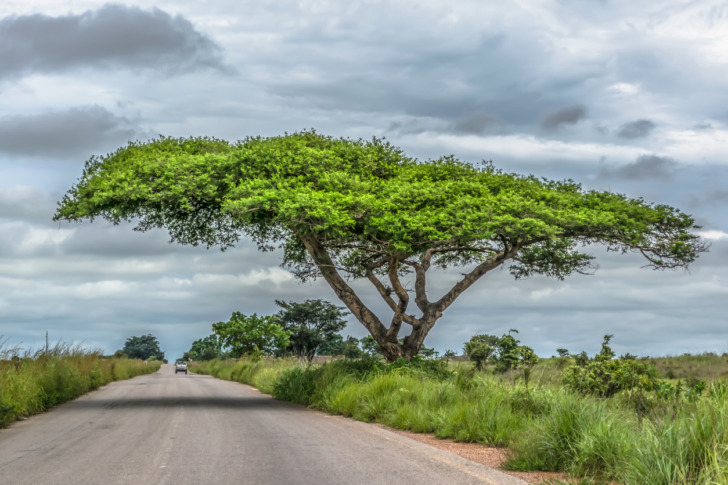
The roads to waterfalls, villages, parks, and rock formations can be poorly marked and difficult after rain.
Phone coverage and roadside assistance may be limited.
Do not follow unfamiliar tracks or take shortcuts suggested by an unverified person.
Stay on known routes and travel with someone who understands current road conditions.
Unmarked Ground and Abandoned Areas
Angola continues to deal with landmine and unexploded-ordnance risks left by decades of conflict.
Major roads and established tourist routes are normally the safer choice, but travelers should never wander into abandoned fields, ruined structures, overgrown paths, or unmarked rural land.
Follow local instructions and remain on visibly used roads and trails.
Government, Military, and Infrastructure Sites
Avoid lingering near military compounds, police buildings, government facilities, bridges, railway infrastructure, airports, and guarded industrial sites.
Photography may be restricted even when signs are unclear.
A casual picture can create an uncomfortable security situation.
Put cameras and phones away whenever guards, barriers, or official vehicles are present.
Markets Near Closing Time
Markets are interesting during busy daylight hours, but they can become less comfortable as vendors close and crowds thin.
Petty theft, aggressive requests, and transport problems are more difficult to manage after dark.
Visit with minimal valuables, keep your phone secured, and leave before the surrounding streets become quiet.
Safety Tips for Traveling to Malanje
Isolated Streets After Dark
Central Malanje can feel calm during the day, but poorly lit streets become less comfortable after dark.
Avoid walking between hotels, restaurants, and shops at night, even when the distance looks short.
Use a trusted driver and arrange a pickup time in advance.
Nighttime pedestrian activity is not worth the added robbery and road-safety risks.
Remote Rural Roads Without a Guide
The roads to waterfalls, villages, parks, and rock formations can be poorly marked and difficult after rain.
Phone coverage and roadside assistance may be limited.
Do not follow unfamiliar tracks or take shortcuts suggested by an unverified person.
Stay on known routes and travel with someone who understands current road conditions.
Unmarked Ground and Abandoned Areas
Angola continues to deal with landmine and unexploded-ordnance risks left by decades of conflict.
Major roads and established tourist routes are normally the safer choice, but travelers should never wander into abandoned fields, ruined structures, overgrown paths, or unmarked rural land.
Follow local instructions and remain on visibly used roads and trails.
Government, Military, and Infrastructure Sites
Avoid lingering near military compounds, police buildings, government facilities, bridges, railway infrastructure, airports, and guarded industrial sites.
Photography may be restricted even when signs are unclear.
A casual picture can create an uncomfortable security situation.
Put cameras and phones away whenever guards, barriers, or official vehicles are present.
Markets Near Closing Time
Markets are interesting during busy daylight hours, but they can become less comfortable as vendors close and crowds thin.
Petty theft, aggressive requests, and transport problems are more difficult to manage after dark.
Visit with minimal valuables, keep your phone secured, and leave before the surrounding streets become quiet.
So... How Safe Is Malanje Really?
Malanje is not an extremely dangerous destination, but it requires more planning than a conventional city break.
The city is quieter than Luanda and is surrounded by some of Angola’s most impressive natural scenery.
Most travelers who use reputable accommodation, private transport, and organized excursions can visit without experiencing serious crime.
The main difficulties come from weak tourism infrastructure rather than constant violence.
Roads can be slow or damaged, medical facilities are limited, English is not widely spoken, card payments may fail, and mobile coverage becomes less reliable outside the city.
Malaria, unsafe water, heavy rain, and poor emergency response can turn a small mistake into a bigger problem.
Crime is another factor, particularly after dark.
Visitors should keep a low profile, avoid nighttime walking, and secure phones, cameras, and cash.
The countryside also requires special care because of difficult roads and the remaining risk from landmines or unexploded ordnance away from established routes.
My honest view is that Malanje is suitable for adventurous and experienced travelers who are willing to organize the trip properly.
It is less suitable for spontaneous backpacking, solo nighttime exploration, or travelers expecting easy tourist services.
With a reliable driver, current local information, health preparation, and realistic expectations, Malanje can be a memorable and manageable destination.
How Does Malanje Compare?
| City | Safety Index |
|---|---|
| Malanje |
47 |
| Huambo |
49 |
| Lobito |
52 |
| Namibe |
56 |
| Luanda |
35 |
| Lubango |
55 |
| Soyo |
42 |
 Santa Monica Santa Monica | 64 |
 Oakville Oakville | 83 |
 Brasov Brasov | 80 |
| Green Bay | 81 |
| Worcester | 69 |
| Put-in-Bay | 77 |
Useful Information

Visas
Angola allows citizens of many countries to enter visa-free for tourism for up to 30 days per visit, with a maximum of 90 days in a calendar year. Other travelers must obtain a visa or online pre-authorization before arrival. Rules depend on nationality, so confirm eligibility before booking and carry proof of accommodation and onward travel.

Currency
Malanje uses the Angolan kwanza. Cash remains important for taxis, markets, smaller restaurants, entrance charges, and rural travel. Cards may work at larger hotels or businesses but should not be your only payment method. Exchange money through banks or trusted services, carry small notes, and avoid informal street exchanges.

Weather
Malanje has a tropical highland climate with a rainy season generally running from October through April and a drier, cooler period from May through September. The dry season is easier for road travel. Pack breathable clothing, a light jacket for cooler evenings, rain protection, sunscreen, insect repellent, and sturdy footwear.

Airports
Malanje Airport serves the city, but scheduled domestic flights can be limited or irregular. Most international travelers enter Angola through Luanda and continue by domestic flight or a long road journey. Confirm flights shortly before departure and arrange airport pickup in advance. Road travel from Luanda usually requires most of a day.

Travel Insurance
Travel insurance is strongly recommended for Malanje. The policy should cover medical treatment, emergency evacuation, malaria-related illness, theft, road accidents, canceled domestic flights, and weather disruption. Standard policies may exclude remote excursions or certain regions, so read the coverage details carefully before traveling.
Malanje Weather Averages (Temperatures)
Average High/Low Temperature
| Temperature / Month | Jan | Feb | Mar | Apr | May | Jun | Jul | Aug | Sep | Oct | Nov | Dec |
|---|---|---|---|---|---|---|---|---|---|---|---|---|
| High °C |
28 | 28 | 28 | 28 | 29 | 29 | 31 | 32 | 32 | 31 | 29 | 28 |
| Low °C |
18 | 18 | 18 | 18 | 18 | 15 | 15 | 16 | 17 | 18 | 18 | 18 |
| High °F |
82 | 82 | 82 | 82 | 84 | 84 | 88 | 90 | 90 | 88 | 84 | 82 |
| Low °F |
64 | 64 | 64 | 64 | 64 | 59 | 59 | 61 | 63 | 64 | 64 | 64 |
Angola - Safety by City
| City | Safety Index |
|---|---|
| Benguela | 53 |
| Huambo | 49 |
| Lobito | 52 |
| Luanda | 35 |
| Lubango | 55 |
| Malanje | 47 |
| Namibe | 56 |
| Soyo | 42 |
| Sumbe | 46 |