


 Indonesia : Safety by City
Indonesia - safety as a country
Yogyakarta, often called Jogja, sits in south-central Java and is one of Indonesia’s most fascinating cities.
It is the cultural heart of Java, home to royal palaces, batik workshops, shadow-puppet traditions, street food, student neighborhoods, and easy access to Prambanan and Borobudur, two of the country’s most famous temple sites.
The city feels more relaxed than Jakarta and less polished than Bali, which is part of its charm.
You can wander from a sultan’s palace to a coffee shop, a market, a hidden art space, and a plate of gudeg without feeling like you are moving through a tourist machine.
Still, Yogyakarta is not risk-free.
Petty theft, traffic chaos, volcano activity, scams, and water safety are the main issues travelers should understand before visiting.
Warnings & Dangers in Yogyakarta

OVERALL RISK: LOW
Yogyakarta is generally safe for tourists, especially compared with larger Indonesian cities. Violent crime is uncommon in the main visitor areas, and locals are usually friendly and helpful. The biggest risks are petty theft, traffic accidents, minor scams, and natural hazards. Stay alert around crowds, roads, transport hubs, and nightlife streets.

TRANSPORT & TAXIS RISK: MEDIUM
Traffic in Yogyakarta can feel messy, especially if you are not used to motorbikes weaving through narrow streets. Ride-hailing apps are usually safer and easier than negotiating with random drivers. Be careful with unofficial taxis, inflated fares, and motorbike rentals. If you rent a scooter, wear a helmet, and check insurance rules.

PICKPOCKETS RISK: MEDIUM
Pickpocketing is not extreme, but it does happen in busy areas such as Malioboro Street, markets, train stations, bus terminals, and crowded tourist sites. Keep your phone out of your back pocket, zip your bag, and avoid flashing cash. The risk rises during holidays, festivals, and evening crowds.

NATURAL DISASTERS RISK: MEDIUM
Yogyakarta sits in an active seismic and volcanic region. Mount Merapi, north of the city, is one of Indonesia’s most active volcanoes, and earthquakes are possible in the broader region. Flooding can also happen during heavy rains. Most trips are trouble-free, but travelers should follow local alerts, especially before hiking or visiting volcanic areas.

MUGGING RISK: LOW
Muggings are not a major concern for most travelers in central Yogyakarta. The city is busy, social, and generally safe to explore during the day. At night, the risk increases in poorly lit lanes, quiet side streets, and isolated areas. Avoid walking alone late after drinking or carrying visible valuables.

TERRORISM RISK: MEDIUM
Indonesia has experienced terrorist incidents in the past, and national advisories often urge travelers to remain cautious. Yogyakarta itself is not usually considered a high-risk target compared with some other areas, but crowded public places, religious sites, transport hubs, and events deserve awareness. The practical advice is simple: stay alert, not paranoid.

SCAMS RISK: MEDIUM
The most common scams in Yogyakarta involve overpriced taxis, fake guides, batik “student exhibition” stories, inflated tour prices, and commission-based shopping stops. Some travelers are approached near Malioboro or the Kraton by friendly strangers offering special deals. Be polite, but verify prices and avoid being rushed into purchases.

WOMEN TRAVELERS RISK: LOW
Women travelers usually find Yogyakarta manageable and welcoming, including solo travelers. Modest clothing helps reduce unwanted attention, especially around religious sites and local neighborhoods. Catcalling can occur, but serious harassment is not typical in tourist areas. Use ride-hailing apps at night and avoid walking alone in quiet streets after dark.

TAP WATER RISK: HIGH
Do not drink tap water in Yogyakarta. Stick to bottled, filtered, or properly boiled water. Use bottled water for brushing teeth if you have a sensitive stomach. Ice in established restaurants and hotels is usually made from purified water, but street stalls can vary. Traveler’s stomach issues are more common than serious crime here.
Safest Places to Visit in Yogyakarta
The Kraton and Taman Sari Area
The Kraton, or Sultan’s Palace, is one of the safest and most culturally rewarding places to visit in Yogyakarta during the day.
The surrounding palace district is walkable, historic, and full of becak drivers, small shops, and local guides.
Taman Sari, the former royal garden and bathing complex, is also popular and generally safe, though you should still watch your belongings in narrow lanes and around informal guide offers.
Malioboro Street During the Day and Early Evening
Malioboro is busy, bright, and tourist-friendly, especially during the day and early evening.
It is the city’s main shopping and strolling street, packed with street vendors, batik shops, food stalls, and local families.
The crowds make it feel safe, but they also create prime conditions for pickpockets and petty scams.
Keep valuables close and bargain calmly.
Prawirotaman
Prawirotaman is one of the best areas for travelers who want guesthouses, cafes, restaurants, tour offices, and a softer landing in the city.
It has a relaxed backpacker-meets-boutique-hotel feel and is generally safe to walk around during the day.
At night, it is still lively, but you should use normal nightlife precautions and avoid wandering into dark lanes alone.
Prambanan and Borobudur Day Trips
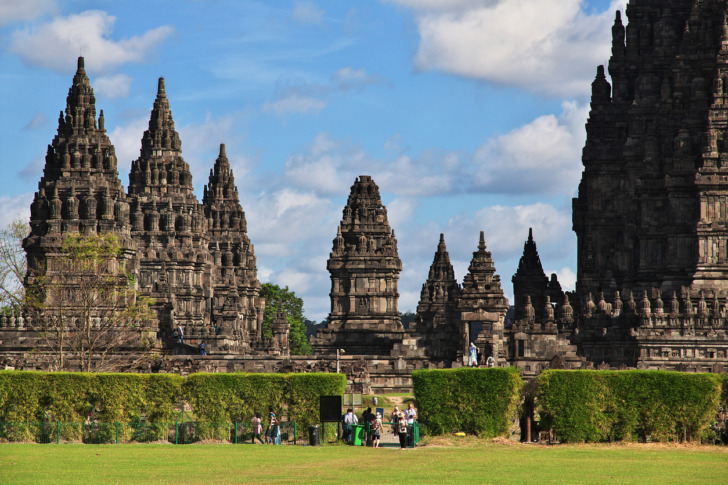
Prambanan is close to Yogyakarta and easy to visit by tour, private driver, or organized transport.
Borobudur is farther away, but also a standard tourist route.
Both temple complexes are well-managed and safe for visitors.
The main risks are heat, dehydration, crowds, uneven stone steps, and transport issues rather than crime.
Kotagede
Kotagede, known for silver workshops and old Javanese architecture, is a good choice for travelers who want a slower, more local side of Yogyakarta.
It is generally safe during daylight hours and interesting for photography, shopping, and wandering.
Go with a map, dress respectfully, and avoid quiet backstreets late at night.
Places to Avoid in Yogyakarta
Empty Side Streets Around Malioboro Late at Night
Malioboro itself is usually busy, but the smaller streets and alleys branching away from it can become quieter late at night.
This is where petty theft, overcharging, or uncomfortable encounters are more likely.
It is not an area to fear, but after midnight, use a ride-hailing app rather than wandering with your phone out.
Bus Terminals and Station Areas After Dark
Giwangan Bus Terminal, Jombor Bus Terminal, and the areas around transport hubs can feel chaotic, especially for first-time visitors.
These places are useful, not especially scenic, and they can attract touts, aggressive drivers, and opportunistic thieves.
During the day, they are manageable, but at night, it is better to arrange direct transport.
Isolated Riverbanks and Poorly Lit Kampung Lanes
Yogyakarta’s kampung neighborhoods can be charming, but the small lanes are easy to get lost in, and some become very quiet after dark.
Isolated riverbank paths and dimly lit shortcuts are not ideal for tourists at night.
Stick to busier streets, especially if you are walking alone or carrying a camera.
South Coast Beaches With Dangerous Surf
Beaches such as Parangtritis are popular day trips, but the ocean along Yogyakarta’s south coast can be rough and dangerous.
Strong currents and sudden waves are a real concern.
These beaches are better for views, photos, sunsets, and local atmosphere than casual swimming.
Follow warning signs and local advice.
Mount Merapi Restricted Zones
Mount Merapi is dramatic and worth seeing from safe viewpoints, but it is an active volcano.
Avoid restricted areas, unofficial hikes, and tours that ignore local warnings.
Conditions can change quickly, especially during increased volcanic activity or heavy rain.
Use reputable operators and never treat volcano warnings as a casual suggestion.
Safety Tips for Traveling to Yogyakarta
- Use ride-hailing apps when possible. Ride-hailing apps are one of the easiest ways to avoid fare disputes in Yogyakarta. They also help you track routes, see driver details, and avoid awkward price negotiations. For short city rides, they are usually affordable and more reliable than flagging down random transport. If you use a becak or taxi, agree on the price before getting in.
- Be careful around the Malioboro crowds. Malioboro is fun, energetic, and very Jogja, but it is also the most obvious place for pickpockets and tourist-targeted sales pitches. Keep your bag zipped and in front of you. Do not leave your phone on a cafe table near the sidewalk. If someone offers a “special” batik exhibition or shortcut to a bargain, be skeptical.
- Do not drink tap water. This is one of the simplest ways to protect your trip. Buy sealed bottled water, refill from trusted filtered-water stations, or use a quality purification method. Street food is part of the fun in Yogyakarta, but choose busy stalls where food is cooked fresh, and turnover is high. A great meal is lovely; losing a day to stomach trouble is not.
- Take traffic seriously. The city’s traffic is less terrifying than Jakarta’s, but it still demands attention. Motorbikes come from every angle, sidewalks can disappear, and crossings are not always respected. Look both ways, then look again. If you rent a scooter, make sure you are legally allowed to ride, wear a helmet, and avoid riding on busy city streets.
- Respect local culture and dress codes. Yogyakarta is culturally rich and relatively conservative compared with some beach destinations. You do not need to dress formally, but modest clothing is smart, especially at temples, mosques, palace sites, and local neighborhoods. Covering shoulders and knees in religious or traditional spaces shows respect and helps you blend in better.
- Check volcano and weather conditions before excursions. Mount Merapi is not just a scenic backdrop. It is an active volcano, and ash, eruptions, landslides, and route closures can affect trips. During the rainy season, heavy downpours can also disrupt roads and outdoor plans. Before booking a Merapi jeep tour, sunrise temple trip, or countryside ride, check current local conditions.
- Use ATMs carefully. Choose ATMs inside banks, malls, hotels, or well-lit convenience stores. Avoid isolated machines and cover your PIN. ATM skimming can happen in tourist destinations across Indonesia, so inspect the card slot and keypad before using the machine. Carry some cash, but do not withdraw or display large amounts in public.
- Book tours through reputable providers. For Borobudur, Prambanan, Merapi, Jomblang Cave, or beach trips, a good driver or tour company makes a big difference. Cheap, vague offers from street touts can lead to hidden fees, shopping stops, unsafe vehicles, or rushed itineraries. Ask exactly what is included, whether entrance fees are covered, and what time you will return.
- Be cautious with nightlife and alcohol. Yogyakarta is not a wild party city, but there are bars, live music spots, and social guesthouse areas. Watch your drink, avoid illegal or suspicious alcohol, and do not ride a scooter after drinking. Counterfeit or poorly produced alcohol can be dangerous in Indonesia, so stick to reputable venues and recognizable brands.
- Keep emergency plans simple. Save your hotel address, keep a charged phone, and carry a small amount of backup cash separately from your wallet. Know how to contact your accommodation if you get lost. If there is an earthquake, move away from windows and unstable structures. If you are near the coast and feel strong shaking, move inland and uphill.
So... How Safe Is Yogyakarta Really?
Yogyakarta is one of Indonesia’s more comfortable cities for travelers, especially for those who like culture, history, food, and local atmosphere more than polished resort-style tourism.
The city’s safety profile is mostly shaped by everyday travel risks: traffic, pickpocketing, scams, dehydration, stomach issues, and environmental hazards.
Violent crime against tourists is relatively uncommon, and most visitors leave with good memories rather than scary stories.
The biggest mistake travelers make is assuming that a friendly, affordable city is automatically risk-free.
Yogyakarta is welcoming, but it is still a busy Indonesian city with crowds, motorbikes, informal transport, uneven sidewalks, and occasional petty crime.
Natural disaster risk also deserves real attention.
Java is earthquake-prone, and Mount Merapi’s presence is part of life in the region.
For most travelers, the overall risk is low to medium.
If you stay in areas like Prawirotaman, the Kraton district, or near well-reviewed hotels, use app-based transport, protect your belongings, avoid tap water, and respect local conditions, Yogyakarta is very manageable.
I would not describe it as dangerous.
I would describe it as a city where common sense works beautifully, and overconfidence does not.
How Does Yogyakarta Compare?
| City | Safety Index |
|---|---|
| Yogyakarta |
75 |
| Ubud |
80 |
| Medan |
62 |
| Bali |
70 |
| Lombok |
74 |
| Kuta Beach |
70 |
| Banjarmasin |
63 |
 Kingsport Kingsport | 52 |
| Shakopee | 81 |
| Lauderhill | 75 |
 Ho Chi Minh City Ho Chi Minh City | 70 |
 Hammamet Hammamet | 78 |
| Arnolds Park | 85 |
Useful Information

Visas
Many tourists can enter Indonesia with a Visa on Arrival or an electronic Visa on Arrival for stays of up to 30 days, usually extendable once for another 30 days. The standard fee is around IDR 500,000. Your passport should generally be valid for at least six months, and onward travel proof may be requested.

Currency
The local currency is the Indonesian rupiah. Cash is useful for markets, street food, small shops, becak rides, and entrance fees, while cards work in many hotels and larger restaurants. Exchange money at official exchange counters or withdraw from bank ATMs. Avoid changing money with random street operators offering unrealistic rates.

Weather
Yogyakarta is hot and humid year-round. The dry season usually runs roughly from May to September, while the rainy season is typically from October to April. Pack light breathable clothes, comfortable walking shoes, sunscreen, a hat, and a compact rain jacket. Temple visits can get brutally hot by midday.

Airports
Yogyakarta International Airport is the main airport serving the region. It is located well outside the city, so allow extra travel time. Airport trains, shuttle buses, taxis, and ride-hailing services connect travelers to central Yogyakarta. Some nearby regional transport options may also serve domestic routes depending on schedules.

Travel Insurance
Travel insurance is strongly recommended for Yogyakarta. Look for coverage that includes medical care, trip delays, theft, natural disasters, and scooter or adventure activities if you plan to ride or join tours. Healthcare is available in the city, but serious emergencies may require transfers or private medical treatment.
Yogyakarta Weather Averages (Temperatures)
Average High/Low Temperature
| Temperature / Month | Jan | Feb | Mar | Apr | May | Jun | Jul | Aug | Sep | Oct | Nov | Dec |
|---|---|---|---|---|---|---|---|---|---|---|---|---|
| High °C |
30 | 30 | 30 | 31 | 31 | 30 | 30 | 31 | 31 | 32 | 31 | 31 |
| Low °C |
23 | 23 | 23 | 23 | 23 | 22 | 21 | 22 | 23 | 22 | 22 | 23 |
| High °F |
86 | 86 | 86 | 88 | 88 | 86 | 86 | 88 | 88 | 90 | 88 | 88 |
| Low °F |
73 | 73 | 73 | 73 | 73 | 72 | 70 | 72 | 73 | 72 | 72 | 73 |
Indonesia - Safety by City
| City | Safety Index |
|---|---|
| Bali | 70 |
| Bandung | 78 |
| Banjarmasin | 63 |
| Denpasar | 60 |
| Jakarta | 55 |
| Jayapura | 46 |
| Kuta Beach | 70 |
| Lombok | 74 |
| Medan | 62 |
| Surabaya | 80 |
| Ubud | 80 |
| Yogyakarta | 75 |




Did you find the street food spots near the student neighborhoods easy to get to or kinda scattered around?
Spent a few days in Jogja and the gudeg at that little street stall near the market was seriously unforgettable, even with the busy traffic around.
I’ve been to Jogja and while the street food is great, the traffic can get so messy it kinda wears you out by the end of the day.
I spent a few days wandering around Jogja and was really taken by how easily you can stumble into unexpected little art spots while just roaming the streets, which gave me more of a feeling of discovery than just ticking off tourist sites.