


 Indonesia : Safety by City
Indonesia - safety as a country
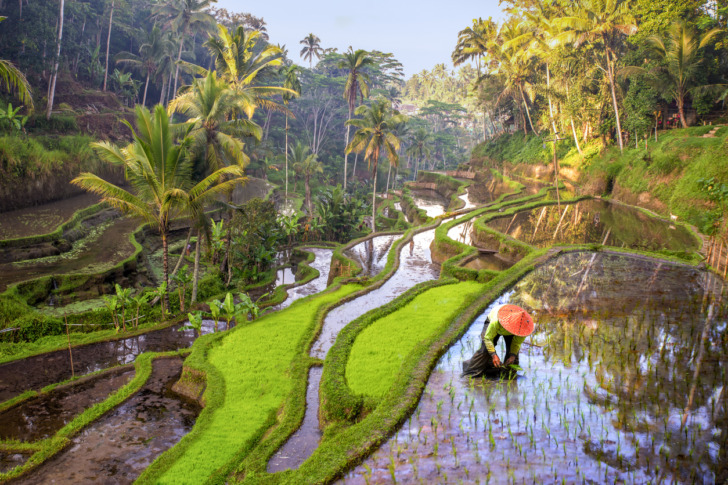
Ubud sits in the lush uplands of central Bali, surrounded by rice terraces, jungle valleys, river gorges, temples, art markets, yoga studios, and cafés that somehow make smoothie bowls feel like a personality trait.
It is often described as Bali’s cultural heart, and honestly, that title fits.
Unlike the beach-heavy south, Ubud is more about sacred sites, traditional dance, wellness retreats, craft villages, waterfalls, and slow mornings with a view of palm trees.
It is one of the most popular places in Indonesia for solo travelers, couples, digital nomads, and first-time Bali visitors.
But peaceful does not mean risk-free.
Ubud is generally safe, but travelers still need to pay attention to traffic, petty theft, scams, animals, weather, health precautions, and rural road conditions.
Warnings & Dangers in Ubud

OVERALL RISK: LOW
Ubud is generally a safe destination for tourists. Violent crime is uncommon, locals are usually welcoming, and most visits are trouble-free. The biggest risks are practical rather than dramatic: scooter accidents, petty theft, scams, mosquito-borne illness, food or water stomach issues, and injuries from waterfalls, rice terraces, or uneven sidewalks.

TRANSPORT & TAXIS RISK: MEDIUM
Transportation is one of the bigger safety issues in Ubud. Roads are narrow, traffic can be chaotic, sidewalks are inconsistent, and scooters weave through tight spaces. Ride-hailing apps work in some areas, but local taxi rules can be confusing. Avoid driving a scooter unless you are experienced, licensed, insured, and comfortable in Bali traffic.

PICKPOCKETS RISK: LOW
Pickpocketing is not a major problem in Ubud compared with large cities, but it can happen in busy areas such as Ubud Art Market, Monkey Forest Road, temple events, and crowded cafés. Bag snatching from scooters is a bigger concern in parts of Bali, so keep bags close, zipped, and away from the roadside.

NATURAL DISASTERS RISK: MEDIUM
Ubud is not coastal, so tsunami risk is lower than in Bali’s beach towns, but the island does face earthquakes, volcanic activity, landslides, flooding, and heavy tropical rain. Mount Agung and Mount Batur are active volcanoes. During rainy season, rural roads, stairs, river paths, and waterfall trails can become slippery and dangerous.

MUGGING RISK: LOW
Muggings are rare in Ubud, especially in the central tourist areas. Most crime affecting visitors is nonviolent and opportunistic. Still, avoid walking alone late at night on poorly lit roads, especially outside the town center. Do not flash cash, expensive jewelry, or phones near traffic where passing motorbikes can grab items quickly.

TERRORISM RISK: LOW
Ubud has a low terrorism risk for travelers. Bali has experienced serious attacks in the past, but Ubud itself is not considered a high-risk area. As with any major tourist destination, stay aware in crowded places, large events, nightlife areas, and transportation hubs. Follow local alerts if the security situation changes.

SCAMS RISK: MEDIUM
Scams in Ubud are usually low-pressure but annoying. Watch for overpriced taxis, unofficial guides, inflated entrance fees, questionable money changers, fake parking fees, and aggressive sales tactics at markets. Some “healers,” retreats, or tours can be wildly overpriced. Agree on prices upfront and use reputable operators for activities and transport.

WOMEN TRAVELERS RISK: LOW
Ubud is one of Bali’s more comfortable destinations for women travelers, including solo travelers. Harassment is generally limited, and the atmosphere is more relaxed than in party-heavy beach areas. The main advice is practical: use trusted transport at night, avoid isolated roads after dark, and choose well-reviewed accommodation with good access.

TAP WATER RISK: LOW
Do not drink tap water in Ubud. Stick to bottled, filtered, or properly treated water, including for brushing your teeth if you have a sensitive stomach. Many hotels, villas, and cafés provide refill stations. Ice in established restaurants is usually made from purified water, but be cautious at very small roadside stalls.
Safest Places to Visit in Ubud
Central Ubud
Central Ubud is one of the safest and easiest areas for first-time visitors.
The streets around Ubud Palace, Saraswati Temple, Ubud Art Market, and Jalan Raya Ubud are busy, tourist-friendly, and filled with restaurants, shops, cafés, galleries, spas, and hotels.
It is walkable by Bali standards, though sidewalks can be uneven and traffic is still something to watch closely.
This is a great base if you want convenience without relying too much on scooters or taxis.
Campuhan Ridge Walk
Campuhan Ridge Walk is one of the most peaceful places in Ubud, especially early in the morning.
The path is popular with walkers, joggers, photographers, and couples watching the light roll over the hills.
It is generally safe, but go during daylight, bring water, and wear shoes with grip.
After rain, parts of the trail can get slick.
Tegallalang Rice Terraces
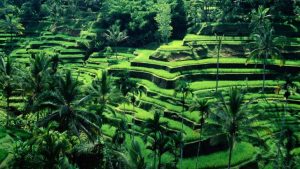
Tegallalang is a classic Ubud-area stop and is generally safe when visited during normal daytime hours.
The terraces are beautiful, but the steps can be uneven, muddy, and steep.
The main risks are slipping, dehydration, and being overcharged for swings, viewpoints, or photo spots.
Keep small cash handy and clarify prices before entering paid areas.
Ubud Monkey Forest
The Sacred Monkey Forest Sanctuary is well-managed and close to the center of town.
It is safe if you follow the rules.
Do not bring loose food, do not tease the monkeys, do not stare aggressively at them, and do not try to grab anything back if a monkey takes it.
The monkeys are the real bosses here, and they know it.
Nyuh Kuning
Nyuh Kuning is a quieter village just south of Monkey Forest.
It has a calmer feel, many guesthouses, yoga stays, restaurants, and family-friendly streets.
It is a good area for travelers who want to be near Ubud but not right in the busiest traffic zone.
It is generally safe and pleasant, especially during the day.
Places to Avoid in Ubud
Poorly Lit Rural Roads at Night
Ubud spreads into villages, rice fields, and jungle roads very quickly.
Some roads outside the center have limited lighting, no sidewalks, barking dogs, potholes, drainage ditches, and fast scooters.
These areas are not necessarily dangerous because of crime, but they can be risky for walking after dark.
Use a trusted driver or ride-hailing service instead of walking long distances at night.
Empty Rice Field Paths After Dark
Rice field paths are charming during the day and awkward at night.
Many are narrow, slippery, unlit, and bordered by irrigation channels.
They can be confusing even with maps, and phone signals may not always be strong.
Avoid shortcuts through rice fields after sunset unless your hotel specifically recommends the route and it is well-lit.
Waterfalls During Heavy Rain
Waterfalls near Ubud can be stunning, but they become more dangerous during and after heavy rain.
Flash flooding, slippery stone steps, strong currents, falling rocks, and muddy trails are real hazards.
Avoid waterfall visits in stormy weather, do not swim near powerful currents, and do not climb over wet rocks for photos.
Unofficial Money Changers
Be cautious with small money changers advertising exchange rates that look too good to be true.
Some use sleight-of-hand counting tricks, hidden fees, or confusing calculator displays.
Use banks, ATMs at reputable locations, or licensed money changers with clear counters and printed receipts.
Count your cash before leaving the counter.
Overcrowded Market and Traffic Areas
Ubud Art Market, Monkey Forest Road, and central intersections can get very crowded, especially in peak season.
These are not “avoid completely” areas, but they are places to be extra careful with bags, phones, road crossings, and taxi negotiations.
The combination of traffic, tourists, scooters, and narrow sidewalks can be chaotic.
Safety Tips for Traveling to Ubud
Be very careful with scooters. Scooters are everywhere in Ubud, and renting one may seem like the easiest way to explore. But Bali traffic is not beginner-friendly. Roads can be narrow, steep, wet, broken, crowded, and full of sudden obstacles. If you do rent a scooter, wear a helmet, carry an international driving permit, check your insurance coverage, avoid night driving, and never ride after drinking. For many travelers, hiring a driver is safer and more relaxing.
Use trusted transport. Taxi and driver pricing can vary a lot in Ubud. Agree on the fare before starting the ride, or use a reputable booking app where available. If you hire a private driver for the day, confirm the total price, waiting time, fuel, parking, and itinerary in advance. Your hotel can often arrange reliable drivers, though sometimes at a higher price.
Do not drink tap water. Tap water is not safe to drink in Ubud. Use bottled or filtered water, and be cautious with raw foods washed in untreated water if you have a sensitive stomach. Many accommodations provide refillable filtered water, which is cheaper and better than constantly buying plastic bottles. Pack oral rehydration salts just in case your stomach objects to paradise.
Protect yourself from mosquitoes. Mosquitoes are common in Ubud, especially near gardens, rice fields, rivers, and during rainy season. Use repellent, wear light long sleeves at dawn and dusk, and choose rooms with screens, air conditioning, or mosquito nets if needed. Dengue fever exists in Bali, so mosquito prevention is not just about avoiding itchy ankles.
Keep your valuables secure. Ubud feels calm, but petty theft still happens. Use a crossbody bag, keep your phone away from the roadside, and do not leave valuables unattended at cafés, yoga studios, scooters, or pool areas. In villas, lock doors and windows when leaving. Use the room safe for passports, backup cards, and extra cash.
Respect temples and local customs. Ubud is full of temples, shrines, ceremonies, and sacred spaces. Wear a sarong and sash when required, do not climb on religious structures, and never interrupt ceremonies for photos. Women may be restricted from entering some temples during menstruation, based on local custom. Being respectful helps you avoid uncomfortable situations and shows basic travel decency.
Be smart around monkeys. The monkeys at Ubud Monkey Forest are bold, clever, and highly experienced in tourist nonsense. Do not carry food, plastic bags, dangling sunglasses, open bottles, or shiny loose items. If a monkey jumps on you, stay calm. Do not scream, swat, or grab. Staff can help if a monkey takes something from you.
Watch your step everywhere. Ubud sidewalks can suddenly disappear, crack, rise, drop, or turn into open drainage gaps. Rice terraces, temples, waterfalls, and jungle paths often have uneven stone steps. Wear proper sandals or walking shoes, especially after rain. Many injuries in Ubud are not from crime, but from slips, falls, scooter burns, and ambitious photo attempts.
Avoid isolated areas late at night. Central Ubud has restaurants, bars, and shops open in the evening, but quieter village roads can feel empty after dark. If your accommodation is down a dark lane or rice field path, arrange transport instead of walking alone. This is especially important for solo travelers, tired travelers, or anyone returning after drinks.
Choose activities carefully. Ubud is a hub for rafting, cycling, ATV tours, jungle swings, yoga retreats, purification rituals, cooking classes, and wellness experiences. Most are safe with reputable providers, but quality varies. Check recent reviews, confirm insurance, ask about safety equipment, and avoid operators who seem careless. For rafting and adventure tours, proper helmets, life jackets, and trained guides matter.
So... How Safe Is Ubud Really?
Ubud is safe for most travelers, and I would put it in the “low risk, high awareness” category.
It is not a place where tourists usually worry about violent crime.
The more realistic concerns are traffic accidents, stomach illness, petty theft, animal bites, slips and falls, and getting overcharged.
In other words, Ubud is less “dangerous destination” and more “beautiful place where common sense still needs to show up.”
The area attracts millions of Bali visitors because it feels peaceful, cultural, spiritual, and scenic.
That popularity also brings congestion, tourism pressure, and opportunistic scams.
Central Ubud can feel surprisingly busy, especially around Monkey Forest Road, the market, and major temples.
Once you move into the surrounding villages, the atmosphere becomes quieter, but roads may be darker and less pedestrian-friendly.
For solo travelers, Ubud is one of the better choices in Bali.
For women travelers, it is generally comfortable.
For families, it is safe but requires extra care around traffic, monkeys, pools, stairs, and outdoor activities.
For older travelers, choosing accommodation close to the center can make the trip much easier.
The safest approach is simple: do not drive a scooter unless you truly know what you are doing, do not drink tap water, keep valuables secure, avoid isolated night walks, and respect the environment.
Do that, and Ubud is not just safe.
It is one of the most rewarding places in Bali.
How Does Ubud Compare?
| City | Safety Index |
|---|---|
| Ubud |
80 |
| Kuta Beach |
70 |
| Surabaya |
80 |
| Banjarmasin |
63 |
| Bali |
70 |
| Lombok |
74 |
| Jayapura |
46 |
 Guangxi Guilin Guangxi Guilin | 76 |
 West Fargo West Fargo | 78 |
| Carmel | 88 |
| Stateline | 76 |
| Queens | 73 |
| Arlington | 77 |
Useful Information

Visas
Many tourists can enter Indonesia with a visa on arrival or an electronic visa on arrival, usually valid for 30 days and extendable once for another 30 days. Fees and rules can change, so check requirements before flying. Your passport should usually be valid for at least six months beyond entry.

Currency
The local currency is the Indonesian rupiah. Cash is useful for markets, small warungs, parking fees, tips, temples, and rural stops. ATMs are common in central Ubud, but use machines attached to banks when possible. Credit cards work at many hotels and restaurants, though smaller places may add a fee.

Weather
Ubud has a tropical climate with warm temperatures year-round. The dry season usually runs from around April to October, while the rainy season is roughly November to March. Pack light breathable clothes, sandals, walking shoes, a rain jacket, mosquito repellent, and modest clothing for temples. Evenings can feel cooler than coastal Bali.

Airports
The main airport for Ubud is Ngurah Rai International Airport near Denpasar. The drive to Ubud usually takes around 1.5 to 2.5 hours depending on traffic. Airport taxis, private transfers, hotel pickups, and ride-hailing options are available. Booking a transfer in advance is often the easiest choice after a long flight.

Travel Insurance
Travel insurance is strongly recommended for Ubud, especially if you plan to rent a scooter, visit waterfalls, go rafting, hike, or take adventure tours. Make sure your policy covers medical treatment, evacuation, theft, cancellations, and the specific activities you plan to do. Scooter coverage often requires a valid motorcycle license.
Ubud Weather Averages (Temperatures)
Average High/Low Temperature
| Temperature / Month | Jan | Feb | Mar | Apr | May | Jun | Jul | Aug | Sep | Oct | Nov | Dec |
|---|---|---|---|---|---|---|---|---|---|---|---|---|
| High °C |
29 | 29 | 29 | 30 | 30 | 29 | 28 | 28 | 29 | 30 | 30 | 29 |
| Low °C |
23 | 23 | 23 | 24 | 23 | 22 | 21 | 21 | 22 | 23 | 23 | 23 |
| High °F |
84 | 84 | 84 | 86 | 86 | 84 | 82 | 82 | 84 | 86 | 86 | 84 |
| Low °F |
73 | 73 | 73 | 75 | 73 | 72 | 70 | 70 | 72 | 73 | 73 | 73 |
Indonesia - Safety by City
| City | Safety Index |
|---|---|
| Bali | 70 |
| Bandung | 78 |
| Banjarmasin | 63 |
| Denpasar | 60 |
| Jakarta | 55 |
| Jayapura | 46 |
| Kuta Beach | 70 |
| Lombok | 74 |
| Medan | 62 |
| Surabaya | 80 |
| Ubud | 80 |
| Yogyakarta | 75 |















Nothing says paradise like getting lost on a sketchy dirt road while trying to find that “perfect” waterfall selfie spot.
Falling asleep to the sound of temple bells and waking up to monkey calls is definitely not something you expect until you’re actually there trying to find your way through those winding jungle paths without tripping on a root or getting distracted by the rice paddies looking all perfect in the morning light.