


 Indonesia : Safety by City
Indonesia - safety as a country
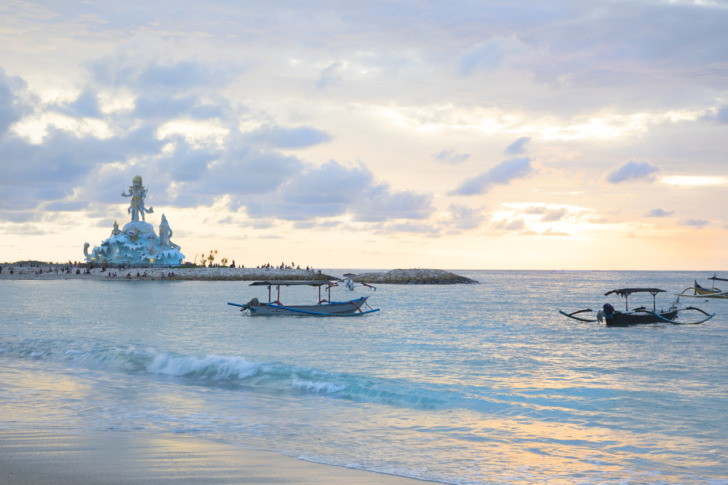
Kuta Beach is one of Bali’s most famous coastal playgrounds, sitting on the island’s southwest coast just a short drive from Ngurah Rai International Airport.
This is the Bali that many first-timers picture before they ever land: long sandy beach, surf schools, sunset crowds, beach bars, scooters everywhere, and a nightlife scene that can go from relaxed to chaotic very quickly.
Kuta is not the quietest or most polished part of Bali, but it is energetic, affordable, convenient, and easy to navigate for visitors.
Safety here is mostly about common sense, ocean awareness, and avoiding the tourist traps that follow any busy beach town.
If you know what to watch for, Kuta Beach can be a fun and very manageable place to visit.
Warnings & Dangers in Kuta Beach

OVERALL RISK: MEDIUM
Kuta Beach is generally safe for tourists, but it is not a sleepy beach village. It is busy, commercial, crowded, and nightlife-heavy, which raises the risk of petty theft, scams, traffic accidents, and alcohol-related problems. Most travelers visit without serious issues, but you should stay alert, especially at night and near crowded beach areas.

TRANSPORT & TAXIS RISK: MEDIUM
Transport is one of Kuta’s biggest annoyances. Traffic can be slow, scooters weave through tight spaces, and some drivers overcharge tourists. Use reputable ride-hailing apps, official airport taxis, or pre-booked transfers when possible. If you rent a scooter, wear a helmet, carry the proper license, and avoid driving after drinking.

PICKPOCKETS RISK: MEDIUM
Pickpocketing is not extreme, but it does happen in crowded tourist areas, markets, bars, beach paths, and nightlife streets. Phones are the biggest target, especially when left on tables or held loosely near roads. Keep valuables zipped away, avoid flashing cash, and do not leave bags unattended on the beach.

NATURAL DISASTERS RISK: MEDIUM
Bali sits in an active seismic and volcanic region, so earthquakes, volcanic ash disruptions, and occasional flooding are real concerns. Kuta’s beach also has strong waves and rip currents, especially during rough sea conditions. The biggest everyday natural hazard for travelers is usually the ocean, not volcanoes. Swim only in marked areas.

MUGGING RISK: LOW
Violent robbery against tourists in Kuta is relatively uncommon, especially compared with petty theft and scams. That said, late-night streets, intoxication, and isolated shortcuts can increase risk. Avoid walking alone after heavy drinking, do not carry large amounts of cash, and be cautious if someone seems overly aggressive or distracting.

TERRORISM RISK: MEDIUM
Indonesia has had terrorism concerns in the past, and Bali’s history makes this a topic travelers should not ignore. However, Kuta is heavily monitored, especially around tourist zones, nightlife areas, hotels, and major public spaces. The practical advice is simple: stay aware, avoid political gatherings, and follow local alerts if issued.

SCAMS RISK: MEDIUM
Scams are one of Kuta’s most common tourist problems. Watch for inflated taxi fares, pushy money changers, fake tour deals, beach vendors overcharging, and rental operators blaming travelers for existing damage. Use licensed services, count your change carefully, inspect rentals before use, and avoid deals that feel too rushed or oddly cheap.

WOMEN TRAVELERS RISK: MEDIUM
Women travelers can visit Kuta safely, including solo travelers, but nightlife areas require caution. Catcalling, pushy vendors, and unwanted attention can happen, especially late at night. Stick to well-lit streets, use trusted transport after dark, watch your drinks, and avoid walking alone through quiet lanes after leaving bars or clubs.

TAP WATER RISK: MEDIUM
Do not drink tap water in Kuta Beach. Use sealed bottled water, filtered water from reliable hotels or restaurants, or a proper travel filter. Be cautious with ice in very basic places, although established restaurants and hotels usually use commercial ice. Brush your teeth with bottled water if you have a sensitive stomach.
Safest Places to Visit in Kuta Beach
Kuta Beach During Daylight Hours
The main beach is safest and most enjoyable during the day, especially near lifeguard-patrolled swimming zones.
This is where you will find surf schools, beach vendors, families, sunbathers, and lots of travelers.
The beach itself is not dangerous, but the water deserves respect.
Swim between the flags, avoid red-flag conditions, and do not underestimate the surf just because the shoreline looks casual and touristy.
Beachwalk Shopping Center
Beachwalk is one of the most comfortable places in Kuta for shopping, dining, cooling off, and taking a break from street traffic.
It is clean, organized, well-lit, and popular with tourists.
It is also a good landmark if you are meeting friends or trying to orient yourself near the beach.
Pickpocketing is still possible in any busy place, but the environment feels more controlled than the surrounding streets.
Established Hotels and Resort Areas
The hotel zones near the beachfront and main roads tend to be safer, especially properties with security, reception staff, and arranged transport.
Staying close to the beach or near major commercial streets makes it easier to avoid long late-night walks through quiet alleys.
For first-time Bali visitors, this is a practical safety advantage.
Surf Schools and Marked Swimming Areas
If you want to surf, Kuta is one of Bali’s classic beginner beaches.
The safer option is to use a reputable surf school rather than renting a board randomly and paddling out without guidance.
Instructors know the currents, the crowded zones, and the daily conditions.
For swimming, follow lifeguard flags and avoid going out too far.
Places to Avoid in Kuta Beach
Dark or Quiet Alleys After Midnight
Kuta’s main streets can be lively late into the night, but smaller lanes can become poorly lit and quiet.
These are not automatically dangerous, but they are where intoxicated tourists become easy targets for theft, harassment, or bad decisions.
Use a ride-hailing app or official taxi instead of walking long distances after leaving nightlife areas.
Overcrowded Nightlife Strips When You Are Not Alert
Kuta’s party scene is famous, especially around Legian Street and nearby nightlife zones.
The area can be fun, but it is also where travelers are most likely to deal with pickpockets, drink spiking concerns, aggressive touts, arguments, and overcharging.
The risk increases when people are drunk, separated from friends, or carrying phones in back pockets.
Unmarked Swimming Areas
The beach may look inviting everywhere, but not every section is safe for swimming.
Avoid entering the water where red flags are posted, where there are no lifeguards, or where waves are breaking unevenly.
Rip currents can pull swimmers away from shore quickly.
If locals or lifeguards warn you not to swim, take it seriously.
Suspicious Money Changers
Avoid small exchange booths advertising rates that look much better than everyone else’s.
This is a classic setup for short-changing tourists through sleight of hand or confusing counting tricks.
Use banks, official exchange counters, or reputable money changers with clear rates and receipts.
Always count your money before leaving the counter.
Isolated Beach Areas at Night
Kuta Beach at sunset is lively and usually comfortable, but the beach late at night is a different scene.
Avoid sitting alone in dark areas, leaving belongings on the sand, or walking along isolated stretches after drinking.
The ocean is also more dangerous at night because currents and waves are harder to judge.
Safety Tips for Traveling to Kuta Beach
- Swim only between the flags. Kuta is famous for beginner surfing, but that does not mean the ocean is harmless. Waves, shore breaks, and rip currents can become dangerous quickly. The safest swimming zones are marked with flags and monitored by lifeguards. If the red flag is up, do not enter the water. If you get caught in a rip current, do not fight it directly. Float, stay calm, and swim parallel to the shore until you escape the current.
- Use trusted transport instead of random street offers. Kuta is close to Bali’s main airport, but transportation can still be messy. Some drivers quote inflated prices, especially to new arrivals. Use official taxi counters, reputable ride-hailing apps, or pre-arranged hotel transfers. If you take a regular taxi, make sure the meter is used or agree on the price before getting in. This one habit prevents a lot of frustration.
- Be careful with scooters. Scooters are everywhere in Kuta, and renting one can seem tempting. The problem is that traffic is unpredictable, roads can be narrow, and many tourists are not used to Bali’s driving style. If you are inexperienced, skip the scooter. If you do rent one, wear a helmet, check the brakes and lights, photograph the bike before leaving, and never ride after drinking.
- Protect your phone like it is your passport. Phone theft is one of the more realistic risks in tourist areas. Do not leave your phone on restaurant tables, beach towels, bar counters, or scooter seats. Avoid holding it loosely near traffic, since snatch theft can happen from passing scooters. Keep it in a zipped pocket or crossbody bag when walking through busy streets.
- Choose money changers carefully. Currency exchange scams are common in tourist-heavy areas. A booth offering a strangely generous exchange rate may not be doing you a favor. Use official counters with posted rates, proper receipts, and clean business premises. Count your money slowly before leaving, and do not allow the cashier to recount it out of your sight after you have already checked it.
- Watch your drinks at night. Kuta’s nightlife can be fun, but it is also where travelers tend to lower their guard. Buy your own drinks, do not accept open drinks from strangers, and keep your glass with you. If you feel suddenly more intoxicated than expected, leave with someone you trust. Groups should agree ahead of time not to let anyone wander off alone.
- Respect local customs and laws. Bali is relaxed in many ways, but it is still part of Indonesia, and local laws matter. Drug offenses are treated extremely seriously, and disrespectful behavior at temples or sacred sites can lead to real trouble. Dress modestly when visiting religious places, follow posted rules, and avoid public arguments with police, security staff, or locals.
- Keep beach valuables minimal. Kuta Beach is not the place to bring your passport, large cash stash, expensive watch, and backup credit cards. Bring only what you need. If you are swimming, do not leave valuables unattended on the sand. Travel with a waterproof pouch, take turns watching belongings, or use your hotel safe before heading to the beach.
- Be skeptical of overly pushy offers. Kuta has many legitimate vendors, drivers, guides, surf instructors, massage providers, and tour sellers. It also has people who rely on pressure tactics. If someone rushes you, follows you, changes the price, or says a deal is available only “right now,” step away. Good businesses do not need to trap you into saying yes.
- Have travel insurance before you arrive. This is especially important in Bali because the most common problems are not dramatic crimes. They are scooter injuries, surfing accidents, food poisoning, lost baggage, missed flights, and medical visits. A simple travel insurance policy can save you a huge headache. Make sure it covers medical care, emergency evacuation, trip disruption, and any adventure activities you plan to try.
So... How Safe Is Kuta Beach Really?
Kuta Beach is safe enough for most travelers, but it is not a destination where you should switch your brain off.
I would describe it as moderately safe, with most of the risk coming from the beach, traffic, scams, nightlife, and petty theft rather than serious violent crime.
That is an important distinction.
You are much more likely to lose money to a bad exchange booth, drop your phone at a bar, get overcharged by transport, or underestimate the waves than experience a major crime.
Kuta also has the classic safety profile of a busy tourist district.
More visitors means more convenience, but it also means more people trying to make money from those visitors.
The safest travelers are the ones who stay aware without becoming paranoid.
The ocean is the one risk I would take most seriously.
Kuta’s surf is part of its charm, but rip currents and rough conditions can be dangerous even for confident swimmers.
Traffic is the second big concern, especially for scooter riders.
Overall, Kuta Beach is not Bali’s calmest or safest-feeling destination, but it is far from a place to avoid.
Stay near reputable hotels, use trusted transport, swim in marked areas, avoid messy late-night situations, and you can have a great trip.
How Does Kuta Beach Compare?
| City | Safety Index |
|---|---|
| Kuta Beach |
70 |
| Ubud |
80 |
| Banjarmasin |
63 |
| Bali |
70 |
| Denpasar |
60 |
| Yogyakarta |
75 |
| Lombok |
74 |
 Bar Harbor Bar Harbor | 83 |
| Walla Walla | 72 |
| Astoria | 85 |
| Winter Park | 84 |
| Chincoteague Island | 77 |
| Framingham | 74 |
Useful Information

Visas
Many tourists can enter Indonesia with a Visa on Arrival or electronic Visa on Arrival for stays of up to 30 days, usually extendable once for another 30 days. The fee is commonly around 500,000 Indonesian rupiah. Travelers should also expect Bali’s tourist levy, which is 150,000 rupiah. Passport validity of at least six months is generally required.

Currency
The local currency is the Indonesian rupiah. Cash is useful for small shops, beach vendors, taxis, and local restaurants, but cards are accepted in many hotels and established businesses. Use ATMs inside banks or reputable exchange offices. Avoid street money changers offering unusually high rates, and always count your cash before leaving.

Weather
Kuta Beach is warm year-round, with tropical temperatures and high humidity. The dry season, roughly April to October, is usually better for beach days, while the rainy season can bring heavy showers and rougher conditions. Pack light clothing, swimwear, sandals, sunscreen, sunglasses, and a light rain jacket if visiting during wetter months.

Airports
The main airport for Kuta Beach is I Gusti Ngurah Rai International Airport, also called Denpasar Airport. It is very close to Kuta, often around 15 to 30 minutes by car depending on traffic. The easiest options are official airport taxis, hotel pickups, ride-hailing services from approved pickup points, or pre-booked private transfers.

Travel Insurance
Travel insurance is strongly recommended for Kuta Beach. Medical care, scooter accidents, surf injuries, lost luggage, flight delays, and stomach illness are all realistic travel problems in Bali. Choose a policy that covers medical treatment, emergency transport, cancellations, theft, and activities like surfing or scooter riding if those are part of your trip.
Kuta Beach Weather Averages (Temperatures)
Average High/Low Temperature
| Temperature / Month | Jan | Feb | Mar | Apr | May | Jun | Jul | Aug | Sep | Oct | Nov | Dec |
|---|---|---|---|---|---|---|---|---|---|---|---|---|
| High °C |
31 | 31 | 32 | 32 | 31 | 31 | 31 | 31 | 31 | 32 | 32 | 31 |
| Low °C |
22 | 23 | 23 | 23 | 24 | 24 | 23 | 23 | 23 | 24 | 24 | 24 |
| High °F |
88 | 88 | 90 | 90 | 88 | 88 | 88 | 88 | 88 | 90 | 90 | 88 |
| Low °F |
72 | 73 | 73 | 73 | 75 | 75 | 73 | 73 | 73 | 75 | 75 | 75 |
Indonesia - Safety by City
| City | Safety Index |
|---|---|
| Bali | 70 |
| Bandung | 78 |
| Banjarmasin | 63 |
| Denpasar | 60 |
| Jakarta | 55 |
| Jayapura | 46 |
| Kuta Beach | 70 |
| Lombok | 74 |
| Medan | 62 |
| Surabaya | 80 |
| Ubud | 80 |
| Yogyakarta | 75 |















Caught some crazy strong waves there that totally wiped me out but the vibe kept me coming back for more.