 Anguilla : Safety by City
Anguilla - safety as a country
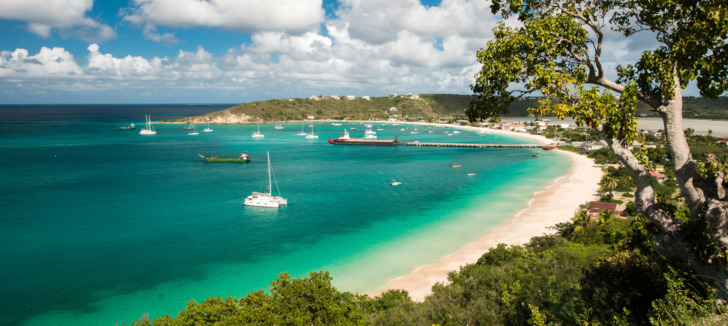
Island Harbour is a quiet fishing village on Anguilla’s northeastern coast, where brightly painted boats float beside a small crescent beach and seafood arrives with very little distance between ocean and plate.
The village offers a more traditional side of Anguilla than the island’s luxury-resort districts, with local fishermen, simple beach restaurants, calm mornings, and views toward Scilly Cay.
Shoal Bay East is only a short drive away, while the rugged eastern coastline provides a striking contrast to Anguilla’s gentler swimming beaches.
Island Harbour is generally peaceful and welcoming, but it is not a fully managed resort zone.
Travelers should prepare for limited sidewalks, dark roads, changing sea conditions, hurricanes, and occasional property crime.
With ordinary precautions, it is one of the Caribbean’s easier villages to explore.
Warnings & Dangers in Island Harbour

OVERALL RISK: LOW
Island Harbour has a low overall risk for tourists. Anguilla currently sits at the lowest routine travel-advisory level, and serious incidents involving visitors are uncommon. Most problems involve unattended valuables, unsafe swimming, road accidents, hurricanes, or limited medical services. Normal precautions are generally sufficient, especially during daylight and around established restaurants and accommodations.

TRANSPORT & TAXIS RISK: LOW
Taxis are generally safe, but fares should be confirmed before departure because prices depend on distance, passengers, luggage, and waiting time. Rental cars are useful because Anguilla has no regular public transportation. Driving is on the left, and roads around Island Harbour can be narrow, dark, uneven, and lacking sidewalks.

PICKPOCKETS RISK: LOW
Pickpocketing is rare because Island Harbour does not have large crowds or major transport terminals. Opportunistic theft remains possible at beaches, restaurants, festivals, and boat departure points. Do not leave phones, wallets, bags, or cameras unattended while swimming. Lock valuables inside your room or vehicle, keeping them hidden from view.

NATURAL DISASTERS RISK: MEDIUM
Hurricanes and tropical storms create the main natural danger. Atlantic hurricane season runs from June through November, with activity often peaking from August through October. Storms can interrupt electricity, water, flights, ferries, and communications. Dangerous waves, coastal flooding, intense heat, lightning, and water shortages may also affect visitors.

MUGGING RISK: LOW
Muggings are uncommon in Island Harbour, particularly during the day and around the waterfront. Risk increases slightly on deserted beaches, empty coastal roads, and poorly lit streets after dark. Avoid walking long distances alone at night, carry only modest amounts of cash, and use a taxi when returning from restaurants or bars.

TERRORISM RISK: LOW
The terrorism risk in Island Harbour is low. Anguilla is a small and politically stable British Overseas Territory without the high-profile sites usually associated with international attacks. Visitors should maintain basic awareness during festivals, boat races, ferry journeys, and other busy events, but terrorism is not a significant everyday concern.

SCAMS RISK: LOW
Scams are not common in Island Harbour. Possible problems include unclear taxi fares, unexpected boat-trip charges, questionable rental deposits, or activity prices that were never properly discussed. Confirm the complete cost before accepting transportation, renting equipment, or booking an excursion. Use established businesses rather than unverified beach or roadside offers.

WOMEN TRAVELERS RISK: LOW
Island Harbour is generally safe for women, including those traveling alone. Its atmosphere is quiet and community-oriented, although verbal harassment or unwanted attention can occasionally occur. Solo women should avoid isolated beaches and unlit roads after dark, watch their drinks, and arrange reliable transportation rather than accepting rides from unfamiliar people.

TAP WATER RISK: LOW
Water supplied through established properties is generally safe, but accommodations may use desalinated water, trucked water, or private rainwater cisterns. Storage and taste can differ between buildings. Ask your host about the property’s system. Bottled or filtered water is a sensible choice after storms, during water shortages, or for travelers with sensitive stomachs.
Safest Places to Visit in Island Harbour
Island Harbour Waterfront
The waterfront is the safest and most interesting part of the village for most visitors.
Fishing boats, local restaurants, small guesthouses, and community activity create a comfortable atmosphere during daylight and early evening.
It is a good place to watch fishermen work, enjoy fresh seafood, and experience a more local side of Anguilla.
Stay clear of working boats, ropes, hooks, and slippery areas around the pier.
Children should be supervised closely because the waterfront is functional rather than designed as a protected tourist attraction.
Scilly Cay
Scilly Cay is a tiny offshore cay reached by a short boat ride from Island Harbour.
It is known for relaxed lunches, seafood, music, and open-water views.
The crossing is generally safe when organized through the established operator and completed during suitable weather.
Wear a life jacket when offered, keep electronics protected from spray, and confirm the return schedule before going.
Trips may be postponed when wind or sea conditions become unsafe.
Shoal Bay East
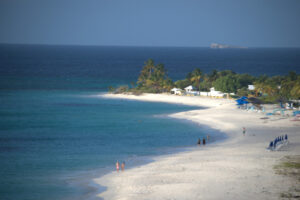
Shoal Bay East is a short drive west and offers broader tourist infrastructure, including accommodations, restaurants, beach services, and popular snorkeling areas.
It is one of the easiest nearby beaches for families and first-time visitors.
There may be no lifeguard monitoring, so travelers should still ask about currents and surf.
Secure belongings before swimming and avoid going far beyond the reef without experience.
Heritage Collection Museum
The Heritage Collection Museum near East End provides a safe daytime look at Anguilla’s history, culture, migration, boat racing, and daily island life.
It is a useful stop when beach conditions are poor or travelers want more context beyond sand and restaurants.
Arrange transportation because walking along local roads is not always comfortable.
Places to Avoid in Island Harbour
Captain’s Bay
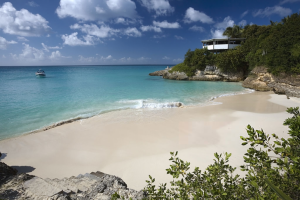
Captain’s Bay is striking, remote, and considerably rougher than Anguilla’s popular swimming beaches.
Strong currents, crashing waves, rocks, and limited assistance make it unsuitable for casual swimming.
Visitors can appreciate the scenery from a safe distance, but should never enter rough water simply because the beach is empty and beautiful.
Access roads can also be isolated and uneven.
Visit during daylight, tell someone where you are going, and leave well before dark.
Deserted Waterfront Areas After Dark
The central waterfront is normally peaceful, but quieter sections become poorly lit once restaurants close and fishing activity slows.
Avoid sitting alone on empty docks, walking along secluded shoreline paths, or carrying visible valuables late at night.
The concern is not a recognized crime zone.
It is the combination of darkness, water, uneven surfaces, limited witnesses, and reduced access to help.
Unlit Roads Between Villages
Roads connecting Island Harbour with Shoal Bay, East End, and The Valley may have limited street lighting and few sidewalks.
Walking these routes after sunset places pedestrians close to passing cars and makes them difficult for drivers to see.
Use a taxi or rental vehicle for evening journeys.
A destination that appears nearby on a map may still involve a dark, uncomfortable roadside walk.
Coastal Areas During Storm Warnings
Avoid beaches, rocky shorelines, docks, and exposed viewpoints whenever tropical-storm warnings, dangerous-swell advisories, or lightning alerts are active.
Waves can reach farther inland than expected, while debris and sudden surges make the coast hazardous.
Do not drive through floodwater or approach the shore to photograph dramatic conditions.
Follow instructions from local authorities and your accommodation immediately.
Safety Tips for Traveling to Island Harbour
- Arrange transportation for evenings. Island Harbour is calm at night, but roads are dark and sidewalks are scarce. Arrange a taxi before dinner or ask your accommodation to recommend a driver. Confirm both the fare and return time. Walking beside an unlit Caribbean road is far less relaxing than the map makes it appear.
- Ask before entering the water. Sea conditions vary considerably around Anguilla’s eastern coast. Island Harbour may look sheltered, while nearby beaches can have strong currents and rough surf. Ask residents, restaurant staff, or accommodation workers about current conditions. Avoid swimming alone, far offshore, or near fishing boats and channels.
- Keep beach valuables secured. Do not leave your phone, wallet, passport, camera, or vehicle keys beneath a towel while swimming. Carry only what you need and use a waterproof pouch or secure storage at your accommodation. Island Harbour is peaceful, but peace is not a security system.
- Drive on the left and slow down. Anguilla follows left-side driving. Visitors should take extra care when turning, entering roundabouts, and leaving parking areas. Roads may have potholes, sharp edges, goats, pedestrians, and limited lighting. A temporary local driving permit can usually be arranged through a rental company.
- Use established boat operators. Scilly Cay, fishing excursions, snorkeling trips, and offshore journeys should be arranged through reputable operators. Check that the boat has life jackets, working communications, and enough space for passengers. Avoid boarding during rough conditions or accepting an improvised trip from someone without proper equipment.
- Monitor hurricanes carefully. Travel between June and November requires flexibility. Keep medication, passports, chargers, and essential supplies together, and learn your accommodation’s hurricane procedures. Purchase insurance that covers storm-related cancellations. Once authorities issue instructions, act immediately rather than waiting to see whether the forecast improves.
- Protect yourself from the sun. Constant sea breeze can disguise how strong the Caribbean sun is. Apply sunscreen repeatedly, wear a hat, drink water, and rest in shade during the hottest hours. A rash guard is useful for snorkeling because shoulders and backs burn quickly while floating at the surface.
- Lock vehicles and accommodation. Keep villa doors and windows locked whenever you leave, even for a brief beach visit. Never leave bags, electronics, money, or snorkeling gear visible inside a rental car. Most theft on quiet islands is opportunistic, and simple precautions remove the opportunity.
- Carry cash and cards separately. U.S. dollars are widely accepted, while cards work at many established restaurants and accommodations. Carry small bills for taxis, boat rides, tips, and casual meals. Keep backup cash and another card in a separate secure location in case your wallet is lost or a payment system fails.
- Plan for limited medical services. Routine treatment is available on Anguilla, but serious injuries may require evacuation to another island. Bring enough prescription medication, identify the nearest clinic, and carry insurance with medical-evacuation coverage. This is particularly important for travelers with heart conditions, severe allergies, or plans involving boating and water sports.
So... How Safe Is Island Harbour Really?
Island Harbour is a low-risk destination by Caribbean standards.
Anguilla’s current international risk ratings recommend normal precautions, and the island does not experience the volume of tourist crime found in some larger destinations.
Island Harbour is particularly quiet because it is a small fishing community rather than a cruise port, nightlife center, or densely developed resort district.
That does not mean visitors should ignore recent warnings that violent and drug-related crime occasionally occurs in Anguilla.
Serious incidents remain rare, but travelers should still avoid deserted streets and beaches after dark, secure valuables, and stay away from illegal activity.
Most visitors will encounter no crime at all.
The more realistic hazards are environmental and practical.
The northeastern coastline can produce strong waves and currents, especially at exposed beaches such as Captain’s Bay.
Hurricane season can disrupt transportation and utilities, while water shortages are more common during the dry months.
Road safety also matters because public transportation is unavailable and many roads have limited lighting or pedestrian space.
My honest assessment is that Island Harbour is safe for families, couples, solo travelers, and older visitors who want a quieter Anguilla experience.
Use trusted transportation at night, respect the ocean, monitor storms, and protect your belongings.
With those precautions, the village should feel peaceful, friendly, and refreshingly uncomplicated.
How Does Island Harbour Compare?
| City | Safety Index |
|---|---|
| Island Harbour |
86 |
| Sandy Ground |
82 |
| Meads Bay |
90 |
| Shoal Bay Village |
88 |
 Llano Llano | 83 |
| Richardson | 81 |
| Hamilton Township | 72 |
 Palm Beach Palm Beach | 88 |
| Gulfport | 58 |
| Chama | 73 |
Useful Information

Visas
Many tourists can visit Anguilla without a visa, often for stays of up to 90 days, although permission depends on nationality and immigration approval. Travelers who require entry clearance can apply online. A single-entry visa costs US$140, while a multiple-entry visa costs US$250. Processing normally takes 8 to 10 business days.

Currency
The official currency is the Eastern Caribbean dollar, fixed at approximately EC$2.70 to US$1. U.S. dollars are accepted throughout Island Harbour, although change may be given in local currency. Cards work at many established businesses, but carry small cash for taxis, boat trips, tips, and casual waterfront restaurants.

Weather
Island Harbour stays warm throughout the year, with typical daytime temperatures around 27 to 31°C. December through April is generally drier, while May through November is warmer and wetter. Hurricane season runs from June through November. Pack lightweight clothing, strong sunscreen, a hat, swimwear, insect repellent, and a compact rain jacket.

Airports
Clayton J. Lloyd International Airport is the nearest airport, around 15 to 20 minutes from Island Harbour by car. Many international visitors fly to Sint Maarten and continue by ferry or short regional flight. Ferries arrive at Blowing Point, approximately 30 to 40 minutes away by taxi, depending on traffic.

Travel Insurance
Travel insurance is strongly recommended for Island Harbour. Choose coverage for medical treatment, evacuation, hurricanes, ferry cancellations, flight delays, theft, and water activities. Confirm that snorkeling, boating, fishing, or diving are included if planned. Medical-evacuation coverage is especially valuable because advanced hospital treatment may require transportation off Anguilla.
Island Harbour Weather Averages (Temperatures)
Average High/Low Temperature
| Temperature / Month | Jan | Feb | Mar | Apr | May | Jun | Jul | Aug | Sep | Oct | Nov | Dec |
|---|---|---|---|---|---|---|---|---|---|---|---|---|
| High °C |
28 | 28 | 28 | 29 | 29 | 30 | 30 | 30 | 30 | 30 | 29 | 28 |
| Low °C |
24 | 24 | 25 | 25 | 26 | 26 | 26 | 26 | 27 | 26 | 26 | 25 |
| High °F |
82 | 82 | 82 | 84 | 84 | 86 | 86 | 86 | 86 | 86 | 84 | 82 |
| Low °F |
75 | 75 | 77 | 77 | 79 | 79 | 79 | 79 | 81 | 79 | 79 | 77 |
Anguilla - Safety by City
| City | Safety Index |
|---|---|
| Island Harbour | 86 |
| Meads Bay | 90 |
| Sandy Ground | 82 |
| Shoal Bay Village | 88 |