


 Anguilla : Safety by City
Anguilla - safety as a country
Shoal Bay Village sits on the northeastern coast of Anguilla, a small British Overseas Territory in the eastern Caribbean.
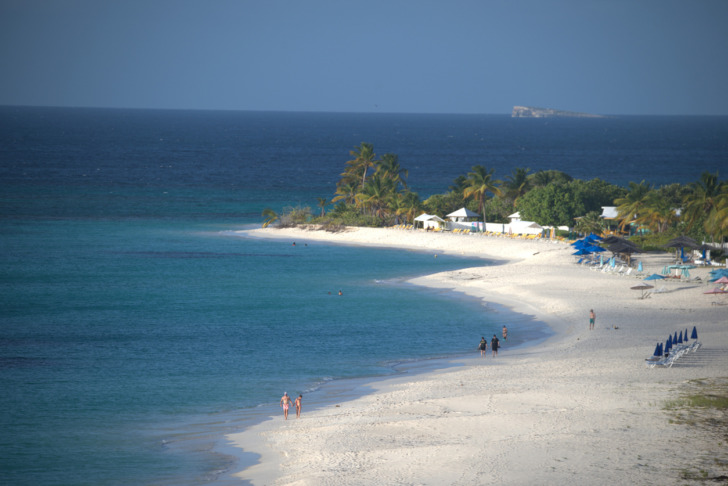
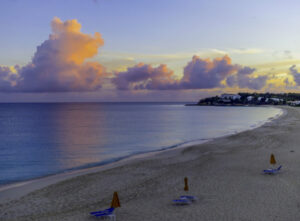
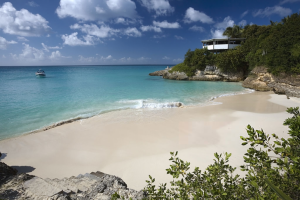
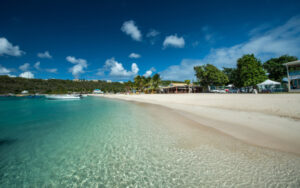
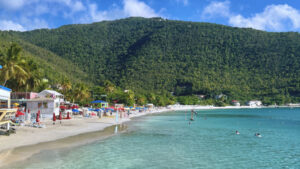
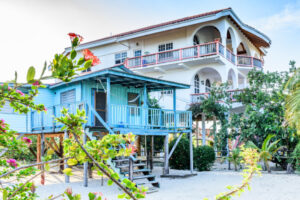
Its main attraction is Shoal Bay East, a brilliant stretch of pale sand, clear turquoise water, coral reefs, beach restaurants, and low-rise accommodations.
The village is quiet rather than flashy, and evenings are more likely to involve fresh seafood and sea breezes than crowded clubs.
Anguilla covers only about 91 square kilometers, so Shoal Bay Village also works well as a base for exploring Island Harbour, The Valley, Sandy Ground, and the island’s other beaches.
It is one of the safer Caribbean destinations for tourists, but visitors still need to prepare for hurricanes, strong sun, left-side driving, isolated roads, and occasional property crime.
Warnings & Dangers in Shoal Bay Village

OVERALL RISK: LOW
Shoal Bay Village has a low overall safety risk. Anguilla is generally peaceful, politically stable, and welcoming to tourists, while serious crime involving visitors is uncommon. The main concerns are unattended valuables, dangerous driving, water activities, hurricanes, and limited medical facilities. Normal precautions are usually enough for a safe and relaxing visit.

TRANSPORT & TAXIS RISK: LOW
Taxis are generally safe, licensed, and commonly used by visitors, although fares can become expensive because they are based on destination zones, passengers, luggage, and waiting time. Rental cars are popular, but driving is on the left. Roads can be narrow, poorly lit, and occasionally shared with pedestrians, goats, and fast-moving vehicles.

PICKPOCKETS RISK: LOW
Pickpocketing is rare in Shoal Bay Village, partly because the area does not have dense crowds, public transportation hubs, or large cruise terminals. However, theft can still occur if phones, wallets, cameras, or bags are left unattended at the beach. Keep valuables secured at your accommodation or within sight while swimming.

NATURAL DISASTERS RISK: MEDIUM
Hurricanes and tropical storms are the main natural dangers. The Atlantic hurricane season runs from June through November, with the greatest risk usually occurring from August through October. Storms can interrupt flights, ferries, electricity, water supplies, and communications. Powerful waves, flooding, intense sun, and heat-related illness are additional concerns.

MUGGING RISK: LOW
Muggings are uncommon in Shoal Bay Village, particularly along the established beachfront during daylight and early evening. The risk increases slightly on isolated roads, empty beach sections, and poorly lit paths late at night. Avoid carrying large amounts of cash, do not display expensive jewelry, and use a taxi when returning after dark.

TERRORISM RISK: LOW
The terrorism risk in Shoal Bay Village is low. Anguilla is not considered a frequent target for international terrorism, and the village has no major political, military, or symbolic sites. Travelers should maintain ordinary awareness at airports, ferry terminals, public events, and crowded venues, but terrorism is not a significant daily concern.

SCAMS RISK: LOW
Scams are not widespread in Shoal Bay Village. The most realistic problems involve unclear taxi fares, unexpected rental-car charges, unlicensed activity providers, or prices that were not confirmed before ordering. Ask about costs in advance, inspect rental vehicles carefully, and book boat trips or water activities through established businesses with proper safety equipment.

WOMEN TRAVELERS RISK: LOW
Shoal Bay Village is generally safe for women, including those traveling alone. The atmosphere is quiet, tourism-focused, and considerably less intense than many busy resort destinations. Women should still avoid isolated beaches and dark roads alone at night, watch drinks in bars, and use reputable taxis rather than accepting rides from unfamiliar people.

TAP WATER RISK: LOW
Anguilla's water is considered potable, although properties may receive desalinated water or use stored rainwater from private cisterns. Taste and storage conditions can differ between accommodations, so some visitors prefer bottled or filtered water. Ask your hotel or rental host about its water system, particularly after storms or service interruptions.
Safest Places to Visit in Shoal Bay Village
Central Shoal Bay East
The central part of Shoal Bay East is the safest and easiest area for most visitors.
It has established hotels, villas, restaurants, beach bars, chair rentals, and regular daytime activity.
The sand is broad, the water is usually inviting, and assistance is easier to find than on isolated beaches.
Visitors should still ask about current swimming conditions before entering the water.
Lifeguard coverage is limited or absent, and seemingly calm Caribbean water can develop waves, currents, or rough conditions during changing weather.
Keep children close and avoid swimming far beyond the reef without proper experience.
The Established Beachfront Restaurant Area
The beachfront near the main restaurants and accommodation properties is comfortable during the day and early evening.
It is a good place for solo travelers and families because staff, guests, drivers, and other beachgoers are usually nearby.
Restaurants commonly accept U.S. dollars and major cards, but visitors should confirm whether service charges are included.
Walking between nearby beachfront establishments is usually safe, although taking a taxi is smarter when traveling farther after dark.
Shoal Bay’s Reef Areas With a Guide
Shoal Bay East is known for snorkeling, particularly around reef sections toward the eastern end of the beach.
These areas can be safe and rewarding when sea conditions are calm and travelers remain within their abilities.
Use properly fitted equipment, avoid touching coral, and never stand on the reef.
Less confident swimmers should join a guided excursion or wear a flotation device.
Snorkeling alone far from shore is not recommended, even when the surface looks calm.
Island Harbour by Day
Island Harbour is a short drive east of Shoal Bay Village and offers fishing boats, local restaurants, coastal views, and a more residential atmosphere.
It is generally peaceful during daylight and provides an interesting contrast to the resort side of Anguilla.
Arrange transportation in advance if you plan to stay for dinner.
Roads between communities can become very dark, and walking long distances along them at night is unsafe because of traffic and limited sidewalks.
Places to Avoid in Shoal Bay Village
Isolated Ends of Shoal Bay After Dark
There are no widely recognized tourist no-go neighborhoods in Shoal Bay Village.
The places to avoid are mainly isolated rather than crime-ridden.
Quiet stretches at either end of the beach can become almost completely empty after restaurants close and day visitors leave.
Do not walk alone along deserted sand or unlit beach access paths late at night.
Poor visibility, uneven ground, unexpected waves, and limited access to help can turn a small incident into a serious problem.
Remain near active accommodations and arrange a taxi for longer journeys.
Unlit Inland Roads
Many roads around Shoal Bay Village are narrow, lightly marked, and poorly illuminated.
Sidewalks are limited, so pedestrians may have to walk close to moving vehicles.
These roads are best avoided on foot after sunset, especially by travelers wearing dark clothing.
If your villa sits away from the beach, rent a vehicle or arrange taxi transportation.
Never assume that a short map distance will be an easy nighttime walk.
Rocky Shorelines and Unofficial Coastal Paths
Avoid climbing across rocky coastal areas, cliffs, unfinished paths, or private-property access routes.
Limestone can be sharp, loose, and slippery, particularly when wet.
Waves can also reach farther onto the rocks than expected.
Little Bay and other secluded coastal spots elsewhere on Anguilla should be reached by licensed boat operators rather than improvised cliff routes.
A difficult-looking rope descent is not a charming local shortcut.
Beaches During Storm Warnings
Do not visit the beach during tropical storm alerts, hurricane warnings, dangerous-swell advisories, or lightning.
Shoal Bay’s normally gentle appearance can change quickly when offshore weather produces powerful surf.
Follow instructions from your accommodation and local authorities.
Avoid driving through flooded roads, and never enter the sea just to photograph rough waves.
Storm debris, hidden currents, and sudden surges can be dangerous even before the center of a storm arrives.
Safety Tips for Traveling to Shoal Bay Village
- Do not leave valuables unattended on the beach. Shoal Bay East feels peaceful, which can tempt visitors to leave phones, wallets, cameras, and room keys under a towel while swimming. That is an unnecessary risk. Carry only what you need and use a waterproof pouch, hotel safe, or secure bag. Travelers visiting alone can rent chairs near an established restaurant and ask staff about safe storage options.
- Confirm sea conditions before swimming or snorkeling. The water is often calm, but conditions depend on wind, waves, storms, and seasonal swells. Ask hotel or beach staff before entering, especially if you plan to snorkel near the reef. Stay close to shore if you are not a strong swimmer, and never rely on the presence of other swimmers as proof that conditions are safe.
- Use taxis after dark. Shoal Bay Village is not particularly dangerous at night, but its roads are dark and have few sidewalks. Drivers may not expect pedestrians around bends or roadside vegetation. Taxis are safer than walking long distances between restaurants, villas, and beach areas. Ask for the fare before starting and arrange a collection time for the return journey.
- Remember that Anguilla drives on the left. Visitors renting cars should take extra care at intersections, roundabouts, and when turning out of parking areas. It is easy to drift toward the wrong side after years of driving elsewhere. Drive slowly, avoid alcohol, and inspect the vehicle before leaving the rental lot. A temporary local driving permit may be arranged through the rental company.
- Prepare seriously for hurricane season. Trips between June and November require flexible plans. Review your hotel’s storm procedures, monitor forecasts, and keep passports, medication, chargers, and essential supplies together. Travel insurance should cover weather disruption rather than merely medical treatment. During a warning, follow local instructions immediately instead of waiting to see whether the storm changes course.
- Protect yourself from heat and sun. The Caribbean sun can cause burns and dehydration surprisingly quickly, especially when wind makes the temperature feel comfortable. Apply broad-spectrum sunscreen regularly, wear a hat, seek shade around midday, and drink water throughout the day. Snorkelers should consider a rash guard because backs and shoulders can burn badly while floating face-down.
- Choose established water-activity operators. For snorkeling trips, boating, fishing, paddleboarding, or visits to offshore cays, use an operator with life jackets, functioning communications, maintained equipment, and clear emergency procedures. Ask what is included before paying. Avoid boarding overloaded or poorly maintained boats, even when the price is attractive or the journey appears short.
- Keep emergency medical limitations in mind. Anguilla can handle routine medical needs, but serious injuries or complex emergencies may require evacuation to another island, Puerto Rico, or the mainland United States. Carry necessary medication in your hand luggage and bring more than the exact amount required. Travelers with significant medical conditions should identify the nearest clinic before an emergency occurs.
- Secure villas and rental cars. Lock doors and windows whenever leaving your accommodation, even in a quiet residential area. Do not leave passports, electronics, cash, or bags visible inside a parked car. Use outdoor lighting around private villas and ask the host about locks, safes, and emergency contacts. Most theft is opportunistic and can be prevented with simple habits.
- Carry both cards and some cash. U.S. dollars are widely accepted, but smaller establishments, taxis, and beach services may prefer cash. Carry modest amounts in small bills and keep backup money separate. Cards are useful for hotels and larger restaurants, but payment systems can fail during power or internet interruptions. Never carry your entire vacation budget in one wallet.
So... How Safe Is Shoal Bay Village Really?
Shoal Bay Village is one of the safer choices for a Caribbean beach vacation.
Anguilla is under a Level 1 travel advisory, meaning visitors are generally advised to exercise normal precautions.
The island has limited entry points, a small population, strong dependence on tourism, and no large cruise-port crowds.
These factors help create a quieter safety environment than travelers may experience on busier Caribbean islands.
The most likely problems are not violent attacks.
They are unattended-property theft, road accidents, swimming incidents, hurricane disruption, sun exposure, and unexpected medical expenses.
Shoal Bay Village has few sidewalks, limited public transportation, and dark roads, so travelers should think carefully about nighttime movement.
The absence of heavy traffic does not make walking beside an unlit road safe.
Natural hazards deserve the most attention.
Atlantic hurricane season lasts from June 1 through November 30, and a major storm can disrupt ferries, flights, utilities, accommodation, and medical services.
Visitors traveling during that period need insurance and flexible reservations.
My assessment is that Shoal Bay Village presents a low crime risk and a medium environmental risk.
Families, couples, solo travelers, and older visitors can all feel comfortable here.
Lock your accommodation, protect beach belongings, use taxis after dark, respect the sea, and monitor storm forecasts.
With those precautions, Shoal Bay Village is a remarkably relaxed and manageable destination.
How Does Shoal Bay Village Compare?
| City | Safety Index |
|---|---|
| Shoal Bay Village |
88 |
| Island Harbour |
86 |
| Meads Bay |
90 |
| Sandy Ground |
82 |
 Mountain Lakes Mountain Lakes | 74 |
| Laconia | 74 |
| Owensboro | 78 |
| Battle Mountain | 79 |
| Lenexa | 81 |
 Trongsa Trongsa | 90 |
Useful Information

Visas
Many tourists can visit Anguilla without a visa for up to 90 days, but requirements depend on nationality. Travelers holding valid U.S., Canadian, or British visas or residence permits are generally exempt from obtaining a separate Anguilla visa. When required, an entry visa costs US$140 for one entry or US$250 for multiple entries and usually takes 8 to 10 business days.

Currency
The official currency is the Eastern Caribbean dollar, which is fixed at approximately EC$2.70 to US$1. U.S. dollars are accepted almost everywhere, although change may be returned in Eastern Caribbean dollars. Cards work at most hotels and established restaurants. Carry small U.S. dollar bills for taxis, tips, and beach purchases.

Weather
Shoal Bay Village is warm throughout the year, with daytime temperatures commonly around 27 to 31°C. December through April brings drier, more comfortable weather, while summer and autumn are hotter and wetter. Hurricane season runs from June through November. Pack lightweight clothing, strong sunscreen, a hat, swimwear, sandals, and a light rain layer.

Airports
Clayton J. Lloyd International Airport is Anguilla's airport and is about a 15 to 25-minute drive from Shoal Bay Village. Many visitors instead fly to Princess Juliana International Airport in Sint Maarten and continue by short flight or ferry. Ferries arrive at Blowing Point, from which Shoal Bay is roughly 30 minutes by taxi.

Travel Insurance
Travel insurance is strongly recommended because hurricanes, ferry cancellations, flight delays, medical evacuation, and water-sports injuries can become expensive. Confirm that the policy covers Anguilla, weather disruption, accommodation interruption, and any planned boating or snorkeling. Medical evacuation coverage is particularly valuable because advanced treatment may require transportation off the island.
Shoal Bay Village Weather Averages (Temperatures)
Average High/Low Temperature
| Temperature / Month | Jan | Feb | Mar | Apr | May | Jun | Jul | Aug | Sep | Oct | Nov | Dec |
|---|---|---|---|---|---|---|---|---|---|---|---|---|
| High °C |
29 | 29 | 29 | 30 | 31 | 31 | 31 | 32 | 32 | 31 | 30 | 29 |
| Low °C |
24 | 24 | 24 | 25 | 26 | 26 | 26 | 27 | 27 | 26 | 25 | 24 |
| High °F |
84 | 84 | 84 | 86 | 88 | 88 | 88 | 90 | 90 | 88 | 86 | 84 |
| Low °F |
75 | 75 | 75 | 77 | 79 | 79 | 79 | 81 | 81 | 79 | 77 | 75 |
Anguilla - Safety by City
| City | Safety Index |
|---|---|
| Island Harbour | 86 |
| Meads Bay | 90 |
| Sandy Ground | 82 |
| Shoal Bay Village | 88 |












Did you find the sunsets over Shoal Bay East as calming as the sound of the waves at night?