


 Bonaire : Safety by City
Bonaire - safety as a country
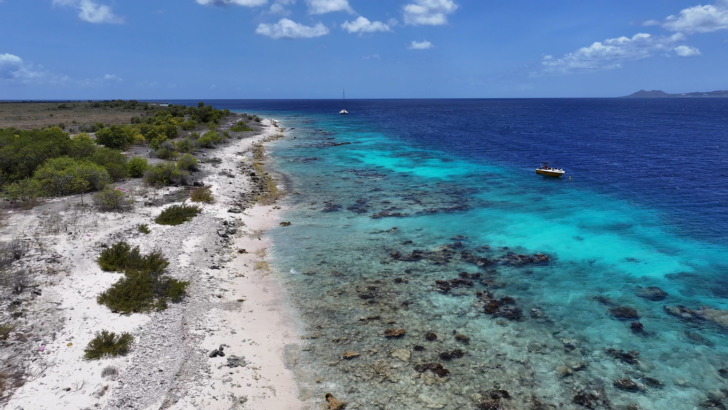
Sabadeco is one of Bonaire’s quietest and most desirable residential areas, stretching along the island’s western coast just north of Kralendijk.
Rather than a traditional town center, Sabadeco is a collection of hillside neighborhoods, villas, private homes, and waterfront properties overlooking the Caribbean Sea.
It is especially popular with divers, snorkelers, long-stay visitors, and travelers who want privacy without being far from restaurants and shops.
Andrea I, Andrea II, and several excellent dive sites are nearby, while central Kralendijk is only about 10 to 15 minutes away by car.
Sabadeco feels peaceful and upscale, and crime is generally low.
The biggest risks involve unattended property, vehicle break-ins, rocky shore entries, diving accidents, intense sun, and isolated roads after dark.
Warnings & Dangers in Sabadeco

OVERALL RISK: LOW
Sabadeco has a low overall risk. Bonaire is generally a safe Caribbean destination, and Sabadeco is a quiet residential community with little street activity. The most realistic problems are villa theft, vehicle break-ins, diving accidents, sun exposure, and road hazards. Normal precautions are usually enough for a comfortable stay.

TRANSPORT & TAXIS RISK: LOW
Taxis are generally safe, but Sabadeco is much easier with a rental car because restaurants, supermarkets, beaches, and dive sites are spread out. Roads are relatively quiet, although lighting can be limited at night. Watch for cyclists, scooters, goats, donkeys, and vehicles stopping near dive sites along the coastal road.

PICKPOCKETS RISK: LOW
Traditional pickpocketing is rare in Sabadeco because there are almost no crowds. Opportunistic property theft is more relevant. Do not leave phones, wallets, cameras, dive computers, or bags visible inside rental vehicles. When visiting shore-dive sites, take only what you need and leave unnecessary valuables secured at your accommodation.

NATURAL DISASTERS RISK: LOW
Bonaire sits south of the main Caribbean hurricane belt, so direct hurricane strikes are relatively rare. Tropical systems can still produce strong winds, rough seas, heavy rain, and travel disruption from June through November. Heat, dehydration, sunburn, and rough coastal conditions are more realistic everyday environmental risks.

MUGGING RISK: LOW
Muggings are uncommon in Sabadeco. Streets are mostly residential, and violent crime involving tourists is rare. The area becomes extremely quiet after dark, however, so I would not recommend long nighttime walks along empty roads. Use a car or taxi when traveling between Sabadeco and Kralendijk after dinner.

TERRORISM RISK: LOW
The terrorism risk in Sabadeco is low. Bonaire is a small Caribbean island without a history of frequent terrorist incidents or major high-profile targets. Normal awareness at the airport, festivals, government buildings, and crowded events is sufficient. Terrorism should not be a significant concern for ordinary visitors.

SCAMS RISK: LOW
Scams are uncommon. Visitors should be more concerned with misleading vacation-rental listings, unexpected rental-car charges, unclear diving costs, or inflated tourist prices. Book villas, cars, dive packages, and excursions through established businesses and confirm deposits, cancellation policies, and included fees before paying.

WOMEN TRAVELERS RISK: LOW
Sabadeco is generally safe for women traveling alone. The residential atmosphere is quiet, and harassment is uncommon. The biggest concern for solo visitors is isolation rather than street crime. Avoid walking along empty coastal roads late at night, secure your villa properly, and tell someone when going shore diving or snorkeling alone.

TAP WATER RISK: LOW
Bonaire’s tap water is safe to drink and is produced through desalination. Visitors can normally refill reusable bottles directly from the tap. This is particularly useful because staying hydrated is important in Bonaire’s hot, dry climate. Temporary service problems can occur, so follow instructions from your accommodation if maintenance is underway.
Safest Places to Visit in Sabadeco
Sabadeco Residential Areas
The residential sections of Sabadeco are among the calmest places to stay on Bonaire.
Villas are spread across hillside and coastal developments, with very little pedestrian congestion or nightlife.
The main thing to remember is that quiet does not mean you should leave doors unlocked.
Secure windows and patio doors whenever leaving, especially in standalone villas where there is no hotel reception or security desk nearby.
Andrea I
Andrea I is a popular snorkeling and shore-diving site in the Sabadeco area.
Its western location generally provides calmer conditions than Bonaire’s exposed eastern coastline, and the reef begins close to shore.
The entrance involves coral rock, so water shoes or dive booties are important.
Keep valuables out of your vehicle and avoid leaving bags sitting unattended beside the road.
Andrea II
Andrea II is another excellent nearby shore-diving and snorkeling location.
The reef is easily accessible for experienced visitors, although the entry can be rockier than Andrea I.
Go during daylight, assess the current before entering, and stay within your abilities.
There are limited facilities, so bring water, sun protection, and anything else you need.
Sabadeco Dive Site
The Sabadeco dive site farther north offers another opportunity to explore Bonaire’s famous reef system.
It is more appropriate for confident divers and experienced snorkelers than complete beginners.
As with all independent shore diving on Bonaire, use a buddy, complete proper weight and equipment checks, monitor air carefully, and make sure somebody knows your planned dive location.
Places to Avoid in Sabadeco
Empty Shore-Dive Parking Areas After Dark
Bonaire allows night diving, but isolated roadside dive sites are not places to casually hang around after dark if you are not actually diving with proper preparation.
Parking areas can be poorly illuminated and completely deserted.
Vehicle break-ins and opportunistic theft are more realistic here than violent crime.
Remove valuables from the vehicle before arriving.
Rocky Shoreline During Rough Conditions
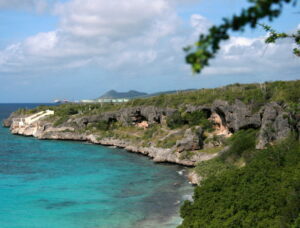
Much of Sabadeco’s coastline consists of coral rock rather than soft sand.
Entries that are easy during calm weather can become difficult when waves increase.
Avoid attempting shore entries when surf is breaking heavily across rocks.
Falling on sharp coral limestone can cause serious cuts, while waves may make getting back onto shore much harder than entering.
Undeveloped Hillside Roads at Night
Some roads around Sabadeco lead through quiet residential or undeveloped hillside sections with very little lighting.
There is usually no reason for tourists to walk these roads after dark.
Drivers should also slow down because goats, donkeys, cyclists, or pedestrians can appear unexpectedly.
Private Coastal Access Points
Many Sabadeco properties are privately owned, and some waterfront stairs, docks, paths, and access points belong to individual villas or residential developments.
Do not assume every path toward the water is public.
Use established shore-diving entrances and respect gates and private-property signs.
Safety Tips for Traveling to Sabadeco
- Do not leave valuables in your rental car. This is probably the most important crime-prevention tip for Bonaire. Shore diving means vehicles are often parked unattended while their owners are underwater for an hour. Leave passports, extra cash, tablets, watches, and unnecessary electronics at your villa. Take only what you genuinely need.
- Secure your villa whenever you leave. Sabadeco’s peaceful residential atmosphere can make travelers unusually relaxed about security. Lock doors, windows, balconies, and sliding patio doors even when leaving for a quick meal. Use the safe for passports and money. If the property has an alarm, gate, or exterior lighting, use it.
- Never dive completely alone. Bonaire makes shore diving incredibly easy, which can create overconfidence. Dive with a buddy, tell someone which site you are visiting, confirm your entry and exit point, and check current conditions before entering. Even experienced divers can experience equipment failures, cramps, medical problems, or unexpected currents.
- Wear proper footwear at shore entries. Bonaire’s coastline is often made from sharp coral limestone rather than sand. Dive booties with solid soles are almost essential at many entries. Bare feet and thin beach shoes offer little protection against sharp rocks, sea urchins, and slippery surfaces.
- Protect yourself from the sun. Bonaire is sunny, dry, and windy, which makes it surprisingly easy to underestimate heat exposure. The constant trade wind can keep you comfortable while your skin is burning. Use sunscreen, wear a hat, drink plenty of water, and take shade breaks during the middle of the day.
- Drive carefully after dark. Roads around Sabadeco are quieter than central Kralendijk, but darkness creates different hazards. Watch for goats, donkeys, cyclists, pedestrians, potholes, and vehicles slowing suddenly near residential entrances. Do not combine driving with alcohol after dinner or a night out in town.
- Do not touch or stand on coral. Bonaire’s reef is the reason many people travel here, and protecting it is taken seriously. Maintain proper buoyancy while diving, never stand on living coral, and avoid chasing or handling marine life. Shore entries should also be made through established routes rather than trampling reef areas.
- Carry water on every outing. Sabadeco does not have shops on every corner, and several nearby dive sites have no facilities at all. Bring enough water for diving, snorkeling, cycling, or exploring. Divers should pay extra attention to hydration because dehydration can contribute to fatigue and increase decompression-related concerns.
- Pay attention to tropical weather even outside the hurricane belt. Bonaire’s hurricane risk is much lower than on many Caribbean islands, but it is not zero. Distant storms can still generate unusual waves, wind, rain, or flight disruption. If marine conditions look different from normal, ask a dive shop before entering the water.
- Buy insurance that covers scuba diving. Standard travel insurance does not always provide adequate diving coverage. Make sure your policy covers your certification depth, diving-related medical treatment, hyperbaric treatment, evacuation, rental equipment, and other water activities. This matters much more in Sabadeco than insurance against pickpocketing.
So... How Safe Is Sabadeco Really?
Sabadeco is one of the safer-feeling places to stay on Bonaire.
It has no busy commercial center, virtually no nightlife crowds, and very little reason for strangers to congregate in residential streets.
Bonaire itself currently carries a low travel-risk rating, and most crimes affecting visitors involve opportunity rather than targeted violence.
Property security is the biggest criminal issue to keep in mind.
Rental vehicles parked at dive sites should never contain visible valuables, while villa doors and windows should be locked whenever guests leave.
These simple habits eliminate much of the realistic theft risk.
The environment deserves more attention.
Sabadeco is particularly attractive to divers because several excellent shore entries sit nearby.
That creates risks involving rocky entrances, currents, depth, dehydration, equipment failures, and underwater emergencies.
Bonaire’s famously easy diving should not encourage people to become casual about basic dive procedures.
Road safety is another consideration. Sabadeco is residential and spread out, so most travelers rent a car.
Roads are manageable, but lighting is limited, and animals can appear after dark.
Bonaire’s southern Caribbean location also gives it a natural advantage.
The island lies outside the main hurricane belt, making direct strikes relatively unusual compared with much of the Caribbean.
I assess that Sabadeco has a low overall travel risk.
For divers, couples, families, and long-stay visitors who want a peaceful base near Kralendijk, it is an excellent choice.
Lock your villa, empty your rental car, respect the reef, and take shore-diving safety seriously.
How Does Sabadeco Compare?
| City | Safety Index |
|---|---|
| Sabadeco |
94 |
| Kralendijk |
83 |
| Hato |
90 |
| Belnem |
92 |
| Sorobon |
94 |
| Lac Bay |
93 |
 Sarh Sarh | 26 |
 Rhodes Rhodes | 83 |
 East Point East Point | 54 |
| Galveston | 66 |
| Franklinton | 63 |
| Hodgenville | 86 |
Useful Information

Visas
Bonaire is part of the Caribbean Netherlands. Many European, North American, and other travelers can visit without a visa for stays of up to 90 days within a 180-day period. Entry requirements vary by nationality. Visitors may be asked for proof of accommodation, onward travel, sufficient funds, and health insurance.

Currency
Bonaire uses the U.S. dollar as its official currency. Credit and debit cards are widely accepted at supermarkets, restaurants, dive shops, hotels, and car-rental businesses. Carry some cash for smaller purchases and tips. ATMs are available around Kralendijk, but there are fewer services directly inside Sabadeco.

Weather
Sabadeco is warm, sunny, and windy throughout the year, with daytime temperatures generally around 30 to 32°C. Rainfall is relatively low, although showers become more common later in the year. Bonaire sits outside the main hurricane belt. Pack lightweight clothing, strong sun protection, swimwear, water shoes, and plenty of reef-friendly outdoor gear.

Airports
Flamingo International Airport is Bonaire’s main airport and sits south of Kralendijk. Sabadeco is generally around 15 to 25 minutes away by car, depending on the exact villa and traffic. Rental cars are particularly useful because Sabadeco is residential and most beaches, dive sites, restaurants, and supermarkets require driving.

Travel Insurance
Travel insurance is strongly recommended, especially because many Sabadeco visitors come specifically to dive or snorkel. Bonaire charges a Visitor Entry Tax of US$75 for visitors aged 13 and older, while children aged 12 and under pay US$10. Divers and other users of the marine park should also budget for the separate nature fee. Choose insurance covering medical treatment, diving emergencies, evacuation, theft, rental vehicles, and weather disruption.
Sabadeco Weather Averages (Temperatures)
Average High/Low Temperature
| Temperature / Month | Jan | Feb | Mar | Apr | May | Jun | Jul | Aug | Sep | Oct | Nov | Dec |
|---|---|---|---|---|---|---|---|---|---|---|---|---|
| High °C |
29 | 29 | 30 | 31 | 31 | 31 | 31 | 32 | 32 | 32 | 31 | 30 |
| Low °C |
25 | 25 | 25 | 26 | 26 | 27 | 27 | 27 | 27 | 27 | 26 | 26 |
| High °F |
84 | 84 | 86 | 88 | 88 | 88 | 88 | 90 | 90 | 90 | 88 | 86 |
| Low °F |
77 | 77 | 77 | 79 | 79 | 81 | 81 | 81 | 81 | 81 | 79 | 79 |
Bonaire - Safety by City
| City | Safety Index |
|---|---|
| Belnem | 92 |
| Hato | 90 |
| Kralendijk | 83 |
| Lac Bay | 93 |
| Sabadeco | 94 |
| Sorobon | 94 |












I’ve spent a few afternoons snorkeling around Andrea II and honestly, the water’s gorgeous but those rocky entries are no joke if you’re not careful.