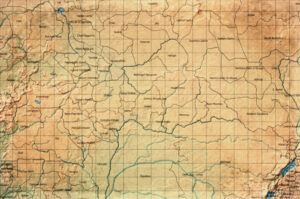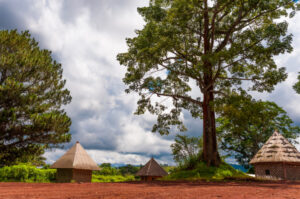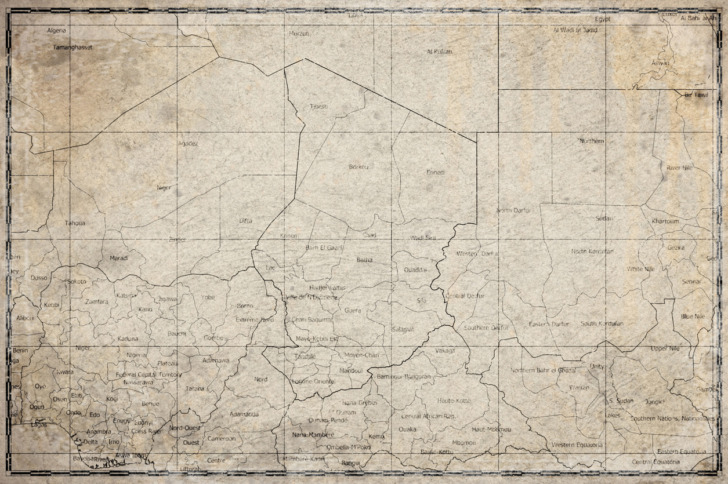
Sarh is one of the largest cities in southern Chad and the capital of the Moyen-Chari Province.
Located along the Chari River, it serves as an important commercial and administrative center for the surrounding agricultural region.
The city has markets, government offices, local restaurants, and access to rural areas of southern Chad that receive relatively few international visitors.
However, Sarh should not be considered a conventional tourist destination.
Chad faces serious problems involving violent crime, terrorism, kidnapping, political unrest, weak infrastructure, and limited medical care.
Moyen-Chari Province itself is considered an area of particular security concern, making careful preparation essential for anyone traveling to Sarh.
Warnings & Dangers in Sarh

OVERALL RISK: HIGH
Sarh is a high-risk destination. Although the city is far from the Lake Chad conflict zone, southern Chad has experienced periods of unrest and insecurity, and Moyen-Chari Province is specifically identified as an area where terrorism risks are elevated. Emergency assistance for foreigners outside N'Djamena is also extremely limited.

TRANSPORT & TAXIS RISK: HIGH
Road travel is one of the biggest concerns in Sarh. Roads outside major urban areas can be poorly maintained, lighting is limited, vehicles may be in poor condition, and livestock, motorcycles, bicycles, and pedestrians frequently share the road. Long-distance travel after dark should be avoided. Travelers should use an experienced local driver whenever possible.

PICKPOCKETS RISK: MEDIUM
Petty theft, including pickpocketing and bag snatching, occurs in Chad. Markets, transportation areas, and busy commercial streets are the places where travelers should be particularly attentive. Keep phones, wallets, passports, and cameras secured and avoid displaying expensive belongings.

NATURAL DISASTERS RISK: MEDIUM
Sarh has a tropical climate with a substantial rainy season. Heavy rainfall can cause localized flooding and make roads outside the city difficult or impossible to use. Heat and dehydration are also important concerns, particularly during the hottest parts of the year.

MUGGING RISK: HIGH
Armed robbery, carjacking, burglary, and other forms of violent crime occur in Chad. Avoid isolated streets, particularly after dark, and keep vehicle doors locked while traveling. If confronted by an armed robber, do not resist.

TERRORISM RISK: HIGH
Terrorism is a significant concern. Moyen-Chari Province, where Sarh is located, has been identified among the areas of Chad facing particularly serious terrorism risks. Potential targets can include government facilities, markets, transportation infrastructure, religious sites, hotels, and places where foreigners gather.

SCAMS RISK: MEDIUM
Tourist-specific scams are not the biggest concern in Sarh, largely because international tourism is limited. Travelers may still encounter inflated transportation prices, unofficial fees, questionable currency exchanges, or demands for payment at checkpoints. Arrange important services through trusted local contacts whenever possible.

WOMEN TRAVELERS RISK: HIGH
Women traveling alone should exercise significant caution. Sexual assault is among the violent crimes reported in Chad, and traveling alone in isolated areas or after dark adds unnecessary risk. Secure accommodation and reliable transportation are particularly important for solo female visitors.

TAP WATER RISK: HIGH
Do not rely on untreated tap water for drinking. Use sealed bottled water or properly purified water and be cautious with ice, uncooked food, and meals prepared under questionable hygiene conditions. Medical treatment for serious gastrointestinal illness may be limited.
Safest Places to Visit in Sarh
Central Sarh
Central areas of Sarh are generally preferable to isolated neighborhoods and surrounding countryside.
Government buildings, shops, markets, accommodation, and transportation services are concentrated closer to the center.
Visitors should complete most activities during daylight.
Established Hotel Areas
Accommodation used by international organizations, business travelers, or experienced local operators is preferable to informal lodging.
Secure entrances, generators, reliable communications, and access to trusted drivers can be particularly valuable in Sarh.
Chari River Areas During Daylight
The Chari River is one of Sarh’s defining geographical features.
Some accessible areas near the river can be visited during daylight with local guidance, but travelers should avoid isolated riverbanks and unfamiliar locations.
Main Commercial Areas
Busy commercial areas offer better access to shops, transportation, and other services than peripheral neighborhoods.
Keep belongings secure in markets and crowded streets, where opportunistic theft is more likely.
Places to Avoid in Sarh
Rural Roads After Dark
Avoid driving outside Sarh at night.
Road lighting is extremely limited, and travelers may encounter broken-down vehicles, livestock, pedestrians, road damage, or security checkpoints with little warning.
Remote Areas Toward the Central African Republic
Southern Chad lies relatively close to the Central African Republic, whose border areas have experienced serious insecurity.
Travel near international borders should be avoided unless absolutely necessary and supported by reliable local security information.
Isolated Riverbanks
Remote sections of the Chari River are not appropriate places for casual exploration.
Limited security, poor communications, water hazards, and difficulty obtaining assistance make isolated river areas unnecessarily risky.
Demonstrations and Political Gatherings
Avoid protests, political gatherings, and large demonstrations.
Previous protests in southern Chad have resulted in violent clashes, and security forces may respond aggressively when gatherings become confrontational.
Unfamiliar Neighborhoods After Dark
There is little reason for foreign visitors to explore peripheral residential areas at night.
Poor lighting and limited emergency assistance increase the consequences of robbery, accidents, or getting lost.
Safety Tips for Traveling to Sarh
- Arrange Transportation in Advance. Use a trusted local driver rather than relying on transportation found randomly on the street. This is particularly important for journeys outside Sarh.
- Avoid Nighttime Road Travel. Complete intercity journeys during daylight. Road conditions and security risks become substantially more difficult to manage after sunset.
- Keep a Low Profile. Avoid displaying expensive jewelry, watches, cameras, or large amounts of cash. Keep smartphones out of sight when they are not needed.
- Check Conditions Before Every Long Trip. Do not assume a road is safe simply because it was safe previously. Security conditions can change quickly, particularly outside major cities.
- Carry Water and Supplies. Bring sufficient drinking water, food, medication, fuel, and basic emergency supplies for longer journeys. Services outside Sarh can be very limited.
- Avoid Demonstrations. Leave immediately if a political gathering or protest begins forming nearby. Do not stop to watch or photograph confrontations involving security forces.
- Keep Identification Accessible. Police and military checkpoints occur on Chadian roads. Carry appropriate identification and travel documents and cooperate calmly with legitimate authorities.
- Maintain Reliable Communications. Mobile service can become unreliable outside major cities. Tell someone where you are going and when you expect to return before making rural trips.
- Use Secure Accommodation. Choose accommodation with controlled access and reliable security arrangements whenever possible. Ask staff to recommend trusted drivers rather than arranging transportation independently.
- Have an Emergency Plan. Know how you would obtain medical assistance or leave Sarh if the security situation deteriorates. Emergency and consular assistance outside N’Djamena can be extremely limited.
So... How Safe Is Sarh Really?
Sarh should be viewed as a high-risk destination rather than an ordinary stop on a Central African itinerary.
The city itself may sometimes appear calm, and everyday life continues normally for most residents.
However, the risks facing a foreign visitor are influenced by conditions throughout Moyen-Chari Province and Chad more broadly.
The United States currently places Chad at its highest travel advisory level and specifically identifies Moyen-Chari Province among areas facing elevated terrorism risks.
The UK advises against all but essential travel to most of Chad.
Crime also deserves attention.
Armed robbery, carjacking, burglary, pickpocketing, and sexual assault occur within Chad, while police and emergency response capabilities are limited.
Road travel is another major concern.
Poorly maintained roads, limited street lighting, unpredictable driving, livestock, mechanical breakdowns, and security checkpoints make long-distance driving substantially more difficult than travelers may expect.
The risks increase when leaving Sarh for rural areas.
Fuel, communications, medical assistance, and reliable transportation become less available, while security conditions are harder for visitors to assess.
Medical facilities are another important limitation.
Serious injuries or illnesses may require evacuation to N’Djamena or outside Chad entirely.
Sarh is therefore best approached by travelers who have a specific reason to be there, reliable local support, secure transportation, and contingency plans.
Anyone traveling independently without established contacts should recognize that relatively ordinary problems can become much more difficult to resolve here.
How Does Sarh Compare?
| City | Safety Index |
|---|---|
 Sarh Sarh |
26 |
| N’Djamena |
29 |
| Moundou |
28 |
 Berwyn Berwyn | 74 |
| Ketchikan | 94 |
| Warren | 58 |
 Yekaterinburg Yekaterinburg | 72 |
| Bowling Green | 76 |
| Red Wing | 78 |
Useful Information

Visas
Most foreign visitors require a visa to enter Chad. Requirements depend on nationality and should be confirmed before departure. Travelers should also make sure they have the necessary passport validity, vaccination documentation, and other entry paperwork.

Currency
Chad uses the Central African CFA franc. Cash remains extremely important, particularly outside N'Djamena. Card acceptance and ATM availability are limited, so travelers should carry enough cash for necessary expenses while keeping money divided between secure locations.

Weather
Sarh has a hot tropical climate. The dry season is generally extremely warm, while the rainy season brings heavy rainfall and higher humidity. Road conditions can deteriorate substantially during prolonged rain, particularly outside the city.

Airports
Sarh has an airport, but travelers should not assume that regular commercial flights will be available for their dates. Many international journeys into Chad begin through N'Djamena, with onward travel requiring separate arrangements. Because overland distances are substantial, transportation should be organized carefully before departure.

Travel Insurance
Comprehensive travel insurance is especially important when visiting Sarh. Some insurers exclude destinations covered by official warnings against travel, so policy conditions need to be checked carefully. Coverage should ideally include emergency treatment, medical evacuation, trip disruption, security-related incidents, and evacuation to another country if adequate medical care is unavailable locally.
Sarh Weather Averages (Temperatures)
Average High/Low Temperature
| Temperature / Month | Jan | Feb | Mar | Apr | May | Jun | Jul | Aug | Sep | Oct | Nov | Dec |
|---|---|---|---|---|---|---|---|---|---|---|---|---|
| High °C |
36 | 39 | 40 | 39 | 36 | 33 | 31 | 31 | 32 | 33 | 36 | 36 |
| Low °C |
17 | 21 | 24 | 26 | 24 | 22 | 21 | 21 | 22 | 23 | 20 | 18 |
| High °F |
97 | 102 | 104 | 102 | 97 | 91 | 88 | 88 | 90 | 91 | 97 | 97 |
| Low °F |
63 | 70 | 75 | 79 | 75 | 72 | 70 | 70 | 72 | 73 | 68 | 64 |
Chad - Safety by City
| City | Safety Index |
|---|---|
| Moundou | 28 |
| N’Djamena | 29 |
| Sarh | 26 |