Bongor is a regional city in southwestern Chad and the capital of Mayo-Kebbi Est Province.
It sits on the eastern bank of the Logone River, directly along the frontier with Cameroon, and serves as an important center for agriculture, trade, education, and cross-border commerce.
The city is known for its busy market, rice-growing areas, river scenery, and close economic ties with communities on the Cameroonian side of the Logone.
Compared with N’Djamena, Bongor has a smaller and more provincial atmosphere.
For travelers, however, Bongor is currently a high-risk destination.
Chad faces serious concerns involving violent crime, terrorism, kidnapping, civil unrest, inadequate healthcare, landmines in parts of the country, and extremely limited emergency assistance outside the capital.
Bongor’s location directly beside the Cameroon border adds another concern.
Current international travel warnings recommend avoiding border areas, meaning Bongor should not be approached as an ordinary leisure destination despite periods of relative calm in the city itself.
Warnings & Dangers in Bongor

OVERALL RISK: HIGH
Bongor should currently be considered a high-risk destination. Chad faces significant security problems, and foreign governments maintain unusually restrictive travel warnings for the country. Violent crime, kidnapping, terrorism, political unrest, weak healthcare, and limited police capabilities are among the primary concerns. Bongor is also located directly along the Cameroon border, placing it within an area where additional caution is necessary.

TRANSPORT & TAXIS RISK: HIGH
Road transportation is one of the biggest practical risks for visitors. Road quality varies considerably, particularly outside the city. Heavy rain can damage unpaved roads, create deep mud, and make some routes difficult or temporarily unusable. Driving after dark is particularly risky because of poor lighting, pedestrians, animals, motorcycles, broken-down vehicles, and cars operating without adequate lights. Long-distance travelers should use experienced drivers with reliable vehicles and current knowledge of road and security conditions.

PICKPOCKETS RISK: MEDIUM
Pickpocketing and opportunistic theft can occur in Bongor, particularly around the central market, transportation areas, and crowded commercial streets. Foreign visitors may stand out, increasing the importance of keeping phones, wallets, cameras, and cash concealed. Avoid carrying unnecessary valuables and do not place a phone or wallet in an easily accessible pocket.

NATURAL DISASTERS RISK: MEDIUM
Flooding and extreme heat are the main environmental risks. Bongor sits beside the Logone River, and water levels can rise substantially during the rainy season. Heavy rainfall can flood surrounding agricultural areas, damage roads, and interfere with transportation. Temperatures can also become extremely high before the rainy season, with daytime conditions occasionally exceeding 40°C. Heat exhaustion, dehydration, and sun exposure should be taken seriously.

MUGGING RISK: HIGH
Violent crime, including armed robbery, occurs in Chad. Travelers should avoid walking alone after dark, isolated roads, poorly illuminated neighborhoods, and openly displaying expensive belongings. Police response outside N'Djamena may be limited. If confronted during an armed robbery, do not physically resist. Phones, money, and other possessions can be replaced.

TERRORISM RISK: HIGH
Terrorism remains a serious national concern in Chad. The highest risks are concentrated in particular parts of the country, including the Lake Chad region and several northern, eastern, and southern areas, but attacks elsewhere cannot be completely ruled out. Markets, government facilities, religious sites, transportation hubs, police stations, and other crowded or symbolic locations may present additional risks. Visitors should avoid security installations, demonstrations, and unusual gatherings.

SCAMS RISK: MEDIUM
Bongor receives relatively few conventional tourists, so organized tourist scams are not as common as in heavily visited destinations. Travelers may nevertheless encounter inflated prices, informal money exchanges, questionable transportation charges, or requests for unofficial payments. Agree on transportation prices beforehand and avoid exchanging significant amounts of money through strangers.

WOMEN TRAVELERS RISK: HIGH
Women traveling alone should exercise substantial caution. Sexual harassment and sexual assault are concerns in Chad, and the broader risks of violent crime, kidnapping, weak policing, and limited emergency services affect solo travelers particularly strongly. Women with essential reasons to visit Bongor should avoid walking alone after dark and use transportation arranged through trusted contacts.

TAP WATER RISK: HIGH
Do not drink untreated tap water in Bongor. Use sealed bottled water or properly purified water for drinking. Travelers with sensitive stomachs may also prefer treated water when brushing their teeth. Be careful with ice, raw vegetables, unpeeled fruit, and food that has been stored for long periods without reliable refrigeration.
Safest Places to Visit in Bongor
Central Bongor
There is no section of Bongor that should currently be considered a conventional safe tourist district.
However, central areas generally offer better access to shops, transportation, accommodation, administrative offices, and other services than isolated outskirts.
Visitors with essential reasons to be in the city should concentrate most activities during daylight.
Bongor Central Market
The central market is one of Bongor’s most important gathering places and provides an interesting look at everyday commerce in southern Chad.
Agricultural products, clothing, household goods, food, and other items are traded here, with particularly heavy activity on major market days.
Crowds also create opportunities for theft, so keep cash and phones concealed.
Logone River Area
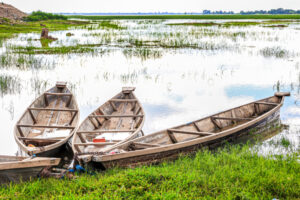
The Logone River is one of Bongor’s defining geographical features and plays an important role in agriculture, transportation, fishing, and trade.
However, the river also forms part of the international boundary between Chad and Cameroon.
Visitors should therefore avoid approaching informal crossing points or treating the riverfront as an unrestricted recreational border area.
Main Commercial Streets
Busy commercial streets generally provide more activity and easier access to assistance than isolated neighborhoods.
Visit during daylight, remain aware of your surroundings, and avoid carrying visible valuables.
Foreign visitors should also be cautious about photographing people, government facilities, or security personnel without permission.
Established Hotel Compounds
For essential travelers, established accommodation with controlled access is preferable to informal lodging.
Reliable electricity, water storage, secure parking, communications, and trustworthy transportation arrangements can make a considerable difference in Bongor.
Places to Avoid in Bongor
Cameroon Border Crossings
Bongor sits directly beside Cameroon, and international travel warnings treat border areas as particularly sensitive.
Do not independently cross the Logone River using informal boats or unauthorized crossing points.
Border procedures and security conditions can change, and travelers should use only officially recognized crossings when international travel is permitted and necessary.
Remote Roads After Dark
Nighttime driving should be avoided.
Road hazards are difficult to see, roadside assistance is limited, and security risks become harder to evaluate after sunset.
Plan journeys so that you arrive before dark whenever possible.
Isolated Rural Areas
The countryside surrounding Bongor contains farmland, small villages, wetlands, and secondary roads.
Independent exploration can leave visitors far from dependable medical assistance, communications, or transportation.
Stick to established routes and travel with people who know the area.
Demonstrations and Political Gatherings
Avoid protests, demonstrations, political rallies, and large confrontational gatherings.
Political events in Chad can become tense quickly, and security forces may respond aggressively.
Do not remain nearby to observe or photograph events.
Military and Police Facilities
Avoid photographing soldiers, police officers, checkpoints, military vehicles, government security facilities, or airports.
Photography around sensitive infrastructure can result in questioning or detention.
Safety Tips for Traveling to Bongor
- Reconsider nonessential travel. Current security conditions make Bongor unsuitable for casual independent tourism. Travelers should have a clear reason for visiting and reliable arrangements in place beforehand.
- Treat the border seriously. Bongor is directly beside Cameroon. Do not casually cross the Logone River or use unofficial boats simply because local residents regularly move between communities on either side.
- Avoid driving at night. Poor lighting, pedestrians, livestock, motorcycles, damaged roads, and security concerns make nighttime driving considerably more dangerous.
- Use trusted drivers. Arrange transportation through a reliable organization, business contact, accommodation provider, or established local connection whenever possible.
- Keep valuables out of sight. Avoid displaying expensive phones, cameras, jewelry, watches, or large amounts of cash. Foreign visitors can attract attention without needing to display signs of wealth.
- Prepare for extreme heat. Bongor can become exceptionally hot, particularly around March and April. Carry plenty of safe drinking water, limit strenuous activity during the hottest part of the afternoon, and protect yourself from the sun.
- Protect yourself against mosquitoes. Malaria is a serious health risk. Use effective insect repellent, sleep in appropriately protected accommodation, and obtain professional medical advice about malaria prevention before travel.
- Monitor rainy-season conditions. Heavy rain can rapidly change road conditions and raise water levels around the Logone River. Ask locally about routes before making long journeys during the wet season.
- Maintain reliable communication. Keep your phone charged and carry backup power. Tell someone you trust where you are traveling and when you expect to arrive.
- Have an emergency plan. Consular and emergency assistance outside N’Djamena can be extremely limited. Know how you would respond to illness, road closures, unrest, transportation failure, or a sudden deterioration in security.
So... How Safe Is Bongor Really?
Bongor is currently a high-risk destination, particularly for an international visitor traveling independently.
The city itself may often appear calm.
Residents continue to work, shop, attend school, trade agricultural goods, travel across the region, and go about their daily lives.
That does not mean the risks for a visitor are insignificant.
The United States currently places Chad at its highest travel warning level because of crime, terrorism, unrest, kidnapping, inadequate healthcare, and other security concerns.
Other governments also advise against nonessential travel to most of Chad and against all travel to international border areas.
That border issue is particularly important in Bongor.
The city sits directly beside the Logone River and the Cameroon frontier.
Cross-border commerce is an ordinary part of local life, but travelers should not assume that informal river crossings or border movements that appear routine for residents are appropriate for foreign visitors.
Crime is another consideration.
Armed robbery, carjacking, theft, and other violent crimes occur in Chad, while police capabilities outside the capital are limited.
Healthcare may be an even greater concern.
Bongor has medical facilities, but advanced treatment is limited.
Serious illness, injury, malaria, or another emergency could require transportation to N’Djamena or evacuation outside Chad.
Road conditions further complicate travel.
During the rainy season, sections of the surrounding road network can become difficult to use.
During the hottest months, temperatures can become dangerously high.
Bongor therefore makes more sense as a destination for people traveling for family, business, development work, research, government duties, or other essential reasons than for conventional sightseeing.
Anyone who travels should use reliable accommodation, trusted transportation, up-to-date local security information, mosquito protection, safe drinking water, and a detailed contingency plan.
How Does Bongor Compare?
| City | Safety Index |
|---|---|
 Bongor Bongor |
25 |
| Pala |
23 |
| Doba |
24 |
| Moundou |
28 |
| Sarh |
26 |
| N’Djamena |
29 |
 Cartersville Cartersville | 78 |
| Garden Grove | 78 |
| Delaware | 70 |
| Statesville | 78 |
| Grand Portage | 80 |
 Reynosa Reynosa | 30 |
Useful Information

Visas
Most foreign visitors need a visa before traveling to Chad, and travelers should not assume that a visa will be available upon arrival. Requirements vary according to nationality. Passport validity rules, police registration requirements, and vaccination documentation may also apply. Yellow fever vaccination documentation is particularly important, so travelers should confirm the requirements applying to their nationality and travel history before departure.

Currency
Chad uses the Central African CFA franc, abbreviated XAF. Cash remains essential, particularly outside N'Djamena. Credit card acceptance in Bongor is limited, and visitors should not rely on finding dependable ATMs whenever needed. Arrange finances before traveling outside the capital, while avoiding carrying all of your money in one location.

Weather
Bongor has a hot semi-arid climate with a pronounced rainy season. The hottest period typically occurs around March and April, when afternoon temperatures can approach or exceed 40°C. Rain increases from approximately May through September or early October, with August generally the wettest month. Heavy seasonal rain can affect roads and cause flooding around the Logone River and nearby agricultural areas. The period from roughly November through February is generally drier and somewhat more comfortable.

Airports
Bongor has a small local airfield, but travelers should not expect regular international service or the frequency and reliability associated with a major commercial airport. Most international visitors enter Chad through N'Djamena International Airport and arrange onward transportation from the capital. Overland travel to Bongor should be carefully planned because road conditions and security concerns can change.

Travel Insurance
Comprehensive travel insurance is especially important for anyone traveling to Bongor. Many standard policies restrict or exclude coverage when traveling to destinations subject to official warnings against travel or nonessential travel. Confirm specifically that your policy covers Chad, Bongor, emergency medical treatment, medical evacuation, security evacuation, political unrest, and the activities you plan to undertake. Because advanced healthcare is limited outside N'Djamena, strong medical evacuation coverage is particularly important.
Bongor Weather Averages (Temperatures)
Average High/Low Temperature
| Temperature / Month | Jan | Feb | Mar | Apr | May | Jun | Jul | Aug | Sep | Oct | Nov | Dec |
|---|---|---|---|---|---|---|---|---|---|---|---|---|
| High °C |
35 | 38 | 41 | 41 | 39 | 36 | 33 | 29 | 32 | 36 | 37 | 36 |
| Low °C |
17 | 19 | 22 | 26 | 27 | 25 | 23 | 22 | 24 | 22 | 19 | 17 |
| High °F |
95 | 100 | 106 | 106 | 102 | 97 | 91 | 84 | 90 | 97 | 99 | 97 |
| Low °F |
63 | 66 | 72 | 79 | 81 | 77 | 73 | 72 | 75 | 72 | 66 | 63 |
Chad - Safety by City
| City | Safety Index |
|---|---|
| Bongor | 25 |
| Doba | 24 |
| Moundou | 28 |
| N’Djamena | 29 |
| Pala | 23 |
| Sarh | 26 |