 Central African Republic : Safety by City
Central African Republic - safety as a country
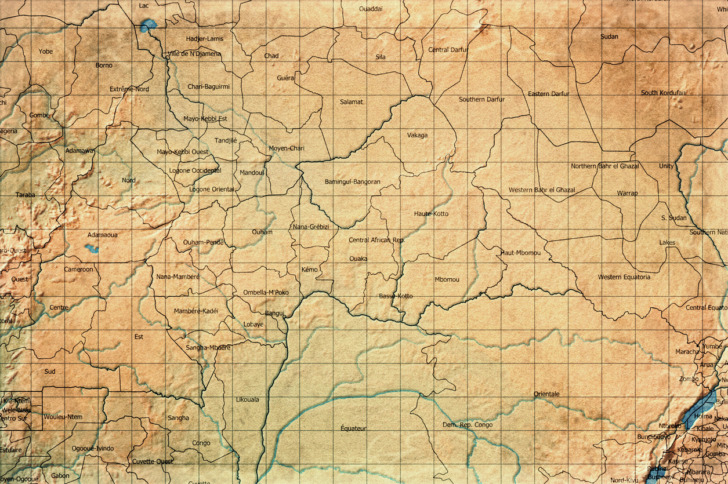
Berbérati is a major city in southwestern Central African Republic and the capital of Mambéré-Kadéï Prefecture.
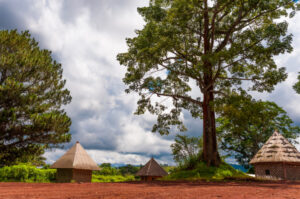
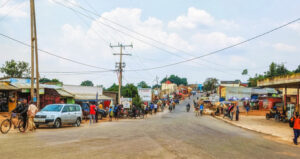
Surrounded by forest and agricultural land, it serves as an important regional center for trade, administration, mining, and transportation and is known for its markets, religious buildings, red-earth roads, and connections with communities closer to the Cameroon border.
Under current conditions, however, Berbérati is not a conventional tourist destination.
The wider Central African Republic continues to experience serious security problems involving armed groups, violent crime, kidnapping, political instability, and extremely limited emergency services outside the capital.
As of October 2026, official travel guidance from several countries advises against travel to the Central African Republic.
Security conditions outside Bangui are considered particularly unpredictable, with armed robbery, kidnapping, carjacking, illegal roadblocks, and armed conflict among the potential risks.
Warnings & Dangers in Berberati

OVERALL RISK: HIGH
Berbérati presents significant risks for foreign travelers. Although conditions can be calmer than in some conflict-affected parts of the Central African Republic, the security environment can change suddenly. Armed groups and criminal organizations operate outside Bangui, and government security and emergency services have limited reach. Travelers may encounter violent crime, roadblocks, kidnapping, civil unrest, or transportation disruptions.

TRANSPORT & TAXIS RISK: LOW
Road travel is one of the greatest risks associated with visiting Berbérati. Road conditions outside major towns are poor, particularly during the rainy season, and journeys that appear relatively short on a map may take many hours. Breakdowns can leave travelers stranded far from reliable assistance. There is also a security dimension. Armed groups and criminals have established roadblocks on routes outside Bangui, and incidents involving robbery, assault, kidnapping, and carjacking have occurred on Central African roads. Official guidance advises against road travel outside the capital. Travelers with an essential reason to visit Berbérati should use professionally arranged transportation with trusted local security information rather than ordinary independent road travel.

PICKPOCKETS RISK: HIGH
Petty theft, bag snatching, and other opportunistic crime occur in the Central African Republic. Markets and busy commercial areas require particular attention. Foreign visitors may stand out considerably in Berbérati, making expensive phones, cameras, watches, jewelry, and visible cash especially unwise to display. Carry only what you need and keep passports and additional money secured at your accommodation whenever possible.

NATURAL DISASTERS RISK: MEDIUM
Severe weather is a more significant concern than major geological disasters. Berbérati has a tropical climate with a lengthy rainy season. Intense rainfall can damage unpaved roads, create flooding, produce deep mud, and make rural routes temporarily impassable. Infrastructure outside major cities can be limited, so even relatively ordinary storms may cause more serious transportation and communication problems than visitors would expect elsewhere.

MUGGING RISK: HIGH
Armed robbery is a serious risk in the Central African Republic, particularly outside Bangui and after dark. Travelers should avoid walking alone, displaying wealth, carrying large amounts of cash, or traveling through unfamiliar areas at night. If confronted by armed criminals, do not physically resist. Weapons are widespread, and possessions are not worth escalating an already dangerous situation.

TERRORISM RISK: HIGH
The Central African Republic faces risks associated with armed groups, terrorism, political violence, and improvised explosive devices. While Berbérati is not necessarily a primary target, attacks and armed incidents in the country can occur unpredictably. Foreigners, humanitarian organizations, government facilities, security personnel, and transportation routes may face increased exposure. Travelers should avoid military installations, government demonstrations, political gatherings, checkpoints, and concentrations of security personnel.

SCAMS RISK: MEDIUM
Traditional tourist scams are less relevant in Berbérati because the city receives relatively few conventional tourists. Financial fraud, unofficial fees, inflated prices, dishonest money exchanges, and demands for payments at checkpoints can nevertheless occur. Avoid informal currency exchanges, do not hand your passport to unofficial individuals, and never assume that someone wearing a uniform necessarily has legitimate authority to collect money.

WOMEN TRAVELERS RISK: HIGH
Women traveling alone face substantial risks. Sexual assault and harassment are concerns in the Central African Republic, while the broader dangers of armed robbery, kidnapping, limited policing, and unpredictable road travel affect all travelers regardless of gender. Women with essential reasons to visit Berbérati should avoid independent travel, particularly after dark, and use transportation and accommodation arranged through reliable organizations or trusted local contacts.

TAP WATER RISK: HIGH
Travelers should not drink untreated tap water in Berbérati. Use sealed bottled water, properly boiled water, or water treated with an effective purification system. Food hygiene can also vary considerably. Be cautious with uncooked foods, ice, raw vegetables, unpeeled fruit, and meat that has not been thoroughly cooked.
Safest Places to Visit in Berberati
Central Berbérati
No section of Berbérati can be described as reliably safe for conventional tourism under current conditions.
However, central areas generally provide better access to businesses, markets, accommodation, transportation, and authorities than isolated neighborhoods or countryside locations.
Travel during daylight and avoid unnecessary wandering.
Cathédrale Sainte-Anne Area
The cathedral is one of Berbérati’s recognizable landmarks and reflects the city’s long-established Catholic community.
Under stable conditions, it is one of the city’s more accessible cultural landmarks.
Visitors should still avoid treating sightseeing casually and should confirm local security conditions before traveling anywhere in the city.
Central Market
Berbérati’s market provides a look at everyday commercial life and sells food, household goods, agricultural products, clothing, and other necessities.
Markets also create opportunities for pickpocketing and theft.
Keep phones and money concealed, avoid carrying valuable camera equipment openly, and visit with someone familiar with the area.
Established Hotel and Organization Compounds
For foreigners who have essential business, humanitarian, diplomatic, or professional reasons to be in Berbérati, secured accommodations and organizational compounds are generally preferable to independent lodging.
Properties with controlled access, reliable communications, generators, water storage, and established transportation arrangements provide important practical advantages.
Main Commercial Areas During Daylight
Busy commercial sections offer more activity and easier access to transportation than isolated outskirts.
This does not make them crime-free, but remaining around populated areas during daylight generally reduces some of the risks associated with walking through unfamiliar and deserted neighborhoods.
Places to Avoid in Berberati
Roads Outside the City After Dark
Nighttime road travel should be avoided.
Poor road surfaces, limited lighting, vehicle breakdowns, armed robbery, illegal roadblocks, and the absence of dependable emergency services make nighttime journeys particularly dangerous.
Remote Rural Areas
The countryside surrounding Berbérati can become extremely isolated.
Travelers may be many hours from dependable medical assistance, police, communications, or mechanical support.
Armed groups and criminals are also more difficult to avoid when traveling through remote territory.
Unofficial Roadblocks
Roadblocks outside major urban areas can be operated by armed groups or criminals.
Never attempt to drive aggressively through a checkpoint or photograph armed individuals.
Anyone who must travel in the region should receive current route information from reliable local contacts immediately before departure.
Demonstrations and Political Gatherings
Avoid political demonstrations, protests, election-related gatherings, and confrontations involving security forces.
Events that initially appear peaceful can become violent quickly, and roads may be blocked without warning.
Isolated Areas at Night
Walking around Berbérati after dark unnecessarily increases exposure to robbery and assault.
Even relatively short nighttime journeys should be completed using reliable transportation whenever available.
Safety Tips for Traveling to Berberati
- Travel only for an essential reason. Current security conditions make Berbérati unsuitable for ordinary independent tourism. Anyone visiting should have reliable local contacts, transportation, accommodation, and contingency plans arranged before arrival.
- Never travel long distances at night. Poor roads are dangerous enough during daylight. Darkness adds the risks of armed robbery, roadblocks, pedestrians, animals, unlit vehicles, mechanical breakdowns, and greatly reduced access to assistance.
- Use trusted transportation. Do not independently hire an unfamiliar driver for long-distance travel. Transportation should preferably be arranged through a reputable organization, employer, established accommodation provider, or trusted local contact.
- Keep a very low profile. Avoid expensive watches, jewelry, cameras, laptops, and visible smartphones. Foreign travelers can already attract attention without displaying items that suggest wealth.
- Carry emergency supplies. Essential travelers should have drinking water, food, medications, first-aid supplies, backup power, communication equipment, and enough fuel for unexpected delays.
- Do not photograph security personnel. Avoid photographing soldiers, police, military vehicles, government facilities, checkpoints, airports, or armed groups. Photography can quickly create serious misunderstandings.
- Stay informed about road conditions. A route that was usable yesterday may not necessarily be safe today. Security incidents, heavy rain, damaged bridges, roadblocks, or armed activity can change travel conditions without much notice.
- Protect yourself from mosquitoes. Malaria is a significant health risk. Use insect repellent, sleep in appropriately protected accommodation, and seek professional medical advice about preventive medication before traveling.
- Avoid carrying large amounts of cash openly. The economy is heavily cash-based, but displaying or counting large amounts of money can attract unwanted attention. Divide money between secure locations rather than keeping everything in one wallet.
- Have an independent emergency plan. Foreign governments have extremely limited ability to assist citizens in much of the Central African Republic. Anyone traveling to Berbérati should know how they would respond to road closures, civil unrest, illness, evacuation needs, or the sudden loss of transportation.
So... How Safe Is Berberati Really?
Berbérati should currently be considered a high-risk destination.
That assessment is not primarily about ordinary tourist inconveniences.
The more significant issue is that Berbérati lies outside Bangui in a country where government control, policing, healthcare, transportation, and emergency assistance can be limited.
Violent crime is a genuine concern.
Armed robbery, kidnapping, burglary, carjacking, and attacks on roads occur in the Central African Republic, with foreigners and humanitarian workers among those who have been targeted.
Security conditions outside Bangui are considered particularly unstable.
This does not mean that Berbérati experiences constant fighting or that daily life has stopped.
It remains an important regional city where residents work, trade, attend school, worship, and conduct ordinary business.
The difference for an international visitor is that something relatively minor can become much more serious because dependable emergency assistance may be difficult to obtain.
A vehicle breakdown on a remote road, illness requiring advanced medical care, an unexpected checkpoint, a sudden security incident, or a blocked route can create problems that would be easily solved in a destination with stronger infrastructure.
Independent road travel is particularly concerning.
Official travel guidance warns of armed groups and criminal roadblocks outside Bangui, while police and emergency services are extremely limited beyond the capital.
Berbérati therefore makes more sense as a destination for humanitarian workers, businesspeople, government personnel, researchers, missionaries, or others with established local support than for ordinary leisure tourism.
Anyone who must travel there should use secure accommodation, professionally arranged transportation, reliable local security information, and a detailed emergency plan.
Under current conditions, Berbérati requires significantly more preparation and caution than a typical African travel destination.
How Does Berberati Compare?
| City | Safety Index |
|---|---|
| Berberati |
20 |
| Mbaiki |
22 |
| Bangui |
28 |
| Boali |
24 |
| Bouar |
17 |
 Bristol Bristol | 58 |
 Manning Manning | 47 |
| Youngstown | 52 |
| West Yellowstone | 84 |
| Melbourne | 65 |
| Council Grove | 87 |
Useful Information

Visas
Most foreign travelers require a visa to enter the Central African Republic. Entry documentation should be arranged before departure, as travelers should not assume normal visa services will be available on arrival. A valid passport and proof of yellow fever vaccination may also be required. Entry rules should be verified immediately before travel.

Currency
The Central African Republic uses the Central African CFA franc, abbreviated XAF. The economy is heavily dependent on cash, particularly outside Bangui. Credit cards are rarely useful in Berbérati, and ATM access is extremely limited. Currency exchange facilities are available in Berbérati, but travelers should arrange finances carefully before leaving the capital.

Weather
Berbérati has a tropical savanna climate with warm temperatures throughout the year. Daytime highs commonly reach around 29°C to 34°C. The wetter period generally extends through much of the year, with rainfall becoming particularly significant between roughly April and October. The drier months around December, January, and February generally provide easier road conditions.

Airports
Berbérati has a small airport located just outside the city. Travelers should not expect the dependable scheduled commercial service found at major international airports. Flight availability can be limited and may depend on charter, humanitarian, government, or other specialized operations. Most international travelers enter the country through Bangui M'Poko International Airport before arranging onward transportation.

Travel Insurance
Travel insurance deserves exceptional attention for anyone considering Berbérati. Many ordinary policies exclude destinations covered by official warnings against travel or may not cover incidents connected with armed conflict, kidnapping, or civil unrest. Anyone traveling for an essential reason should confirm that their policy specifically covers the Central African Republic, medical evacuation, security evacuation, hospitalization, and their planned activities.
Berberati Weather Averages (Temperatures)
Average High/Low Temperature
| Temperature / Month | Jan | Feb | Mar | Apr | May | Jun | Jul | Aug | Sep | Oct | Nov | Dec |
|---|---|---|---|---|---|---|---|---|---|---|---|---|
| High °C |
31 | 32 | 32 | 31 | 30 | 28 | 27 | 27 | 27 | 29 | 29 | 30 |
| Low °C |
17 | 18 | 20 | 20 | 20 | 20 | 19 | 19 | 19 | 20 | 19 | 18 |
| High °F |
88 | 90 | 90 | 88 | 86 | 82 | 81 | 81 | 81 | 84 | 84 | 86 |
| Low °F |
63 | 64 | 68 | 68 | 68 | 68 | 66 | 66 | 66 | 68 | 66 | 64 |
Central African Republic - Safety by City
| City | Safety Index |
|---|---|
| Bangui | 28 |
| Berberati | 20 |
| Boali | 24 |
| Bouar | 17 |
| Mbaiki | 22 |