 Central African Republic : Safety by City
Central African Republic - safety as a country
Mbaïki is a small city in southwestern Central African Republic and the capital of Lobaye Prefecture.
Surrounded by dense tropical forest and agricultural land, it lies roughly 100 kilometers southwest of Bangui and is connected to the capital by one of the country’s relatively few paved intercity roads.
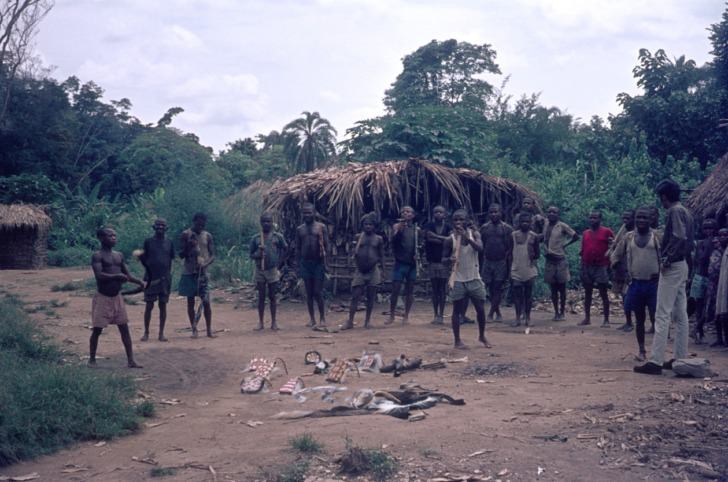
The region around Mbaïki is known for coffee production, forest communities, rivers, and its proximity to areas inhabited by BaAka communities.
Under more stable conditions, the surrounding countryside could appeal to travelers interested in nature and Central African culture.
Unfortunately, Mbaïki cannot currently be treated as an ordinary tourism destination.
Security conditions throughout the Central African Republic remain unstable, particularly outside Bangui.
Violent crime, kidnapping, armed groups, illegal roadblocks, weak government services, and extremely limited emergency assistance are significant concerns.
For recreational travelers, the risks are substantially higher than in most destinations covered in this series.
Warnings & Dangers in Mbaiki

OVERALL RISK: HIGH
Mbaïki is a high-risk destination. Current international travel guidance advises against travel to the Central African Republic, with conditions outside Bangui considered particularly unpredictable. Armed robbery, kidnapping, carjacking, civil unrest, roadblocks, and armed violence can occur outside the capital. Foreign travelers and humanitarian workers can attract additional attention. Anyone who has an essential reason to visit Mbaïki should travel with reliable local contacts, professional transportation arrangements, and a clear emergency plan.

TRANSPORT & TAXIS RISK: HIGH
Transportation is one of the biggest risks when traveling to Mbaïki. The road between Bangui and Mbaïki is among the country's paved routes, but paved does not necessarily mean safe. Accidents, poorly maintained vehicles, speeding, pedestrians, motorcycles, roadblocks, and security incidents remain concerns. Travel outside major cities after dark should be avoided. Public transportation is limited and may not meet reasonable safety standards. Visitors with an essential reason to travel should use a trusted driver and a reliable vehicle rather than relying on informal transportation.

PICKPOCKETS RISK: MEDIUM
Pickpocketing is possible around markets, transportation points, and busy commercial areas. However, ordinary pickpocketing is not the primary security concern in Mbaïki. Armed robbery and other forms of violent crime are more serious risks. Keep phones, cash, passports, and electronics out of sight and avoid carrying unnecessary valuables.

NATURAL DISASTERS RISK: MEDIUM
Mbaïki has a tropical climate with significant rainfall. Heavy rains can deteriorate roads, create flooding, and make unpaved routes extremely difficult or temporarily impassable. The rainy season generally runs for much of the year, with particularly wet conditions between roughly May and October. Travelers should expect delays and avoid attempting unfamiliar rural roads during severe weather.

MUGGING RISK: HIGH
Armed robbery is a serious concern throughout the Central African Republic. Travelers should avoid walking alone, particularly after dark, and should not carry visible jewelry, expensive watches, cameras, or large quantities of cash. Vehicle doors should remain locked, and windows closed while traveling. If confronted by armed criminals, resisting can dramatically increase the danger. Property can be replaced. Your safety cannot.

TERRORISM RISK: HIGH
The Central African Republic faces continuing threats from armed groups, instability, and terrorism. Attacks can occur with little warning, particularly outside Bangui, where government control and emergency response capabilities are limited. Travelers should avoid government facilities, military installations, demonstrations, suspicious objects, checkpoints they have not been prepared for, and areas where armed groups are reportedly active.

SCAMS RISK: MEDIUM
Traditional tourist scams are unlikely to be the biggest problem in Mbaïki because there is relatively little conventional tourism. Visitors may nevertheless encounter demands for unofficial payments, inflated transportation charges, individuals offering unauthorized services, or requests for money at roadblocks. Never argue aggressively at a checkpoint or attempt to bypass one. Anyone traveling for professional or humanitarian reasons should arrange transportation and accommodation through trusted organizations rather than making spontaneous arrangements after arrival.

WOMEN TRAVELERS RISK: HIGH
Women traveling alone face considerable risks in Mbaïki. Sexual violence is a recognized concern in parts of the Central African Republic, particularly in areas affected by conflict and weak law enforcement. Women should avoid independent travel, isolated areas, nighttime movement, and informal transportation. Anyone who must visit should use secure accommodation and travel with trusted local contacts or an established organization.

TAP WATER RISK: HIGH
Untreated tap water should not be considered safe for visitors. Use sealed bottled water or water that has been properly filtered, boiled, or disinfected. Access to reliable water and sanitation may be inconsistent, particularly outside established accommodation. Foodborne illness is another concern. Choose freshly cooked food served hot and be cautious with raw produce, ice, and food that has been sitting at room temperature.
Safest Places to Visit in Mbaiki
There are no parts of Mbaïki that should currently be described as reliably safe tourist zones.
Anyone visiting for essential reasons should concentrate activity around established locations where transportation, communication, and security arrangements are available.
Central Mbaïki During Daylight
The central commercial area provides access to shops, markets, administrative services, and transportation.
Necessary errands should be completed during daylight.
Avoid carrying unnecessary valuables and return to secure accommodation well before dark.
Established Accommodation Compounds
Secure accommodation with controlled access is preferable to small informal lodging.
Visitors traveling with an organization should use accommodation recommended by people with current knowledge of local security conditions.
Ask about backup electricity, water supplies, communications, guards, and emergency procedures.
Main Bangui-Mbaïki Route
The main road connecting Mbaïki with Bangui is better developed than many roads elsewhere in the country.
However, travelers should not interpret this as meaning the route is automatically safe.
Travel during daylight, use a trusted driver, and confirm current conditions immediately before departure.
Organized Visits Outside Town
The forests and communities surrounding Mbaïki may interest visitors working in conservation, development, research, or humanitarian fields.
Such trips should only be conducted with experienced local organizations that understand current security conditions.
Independent exploration of remote areas is not advisable.
Places to Avoid in Mbaiki
Travelers should be particularly cautious once they leave central Mbaïki.
Remote Roads
Avoid unnecessary journeys along isolated roads.
Banditry, illegal roadblocks, vehicle breakdowns, poor road conditions, and extremely limited emergency assistance can turn a routine trip into a serious situation.
Never travel remotely without telling reliable contacts where you are going.
Any Road After Dark
Night driving should be avoided.
Roads may have little or no lighting, and pedestrians, animals, motorcycles, stopped vehicles, or checkpoints can appear suddenly.
Security risks also increase significantly after dark.
Unofficial Roadblocks
Illegal checkpoints can be operated by armed individuals.
Do not approach roadblocks aggressively, photograph them, or attempt to force your way through.
Follow the instructions of your trusted driver or security contact.
Demonstrations and Political Gatherings
Stay away from demonstrations, rallies, political gatherings, and concentrations of security personnel.
Situations can escalate rapidly.
Even apparently peaceful gatherings are not appropriate places for foreign visitors to observe or photograph events.
Remote Forest Areas
The countryside surrounding Mbaïki is heavily forested and sparsely populated.
Visitors should not explore remote areas independently.
Navigation problems, vehicle breakdowns, armed groups, wildlife, illness, and lack of emergency assistance can all become much more serious when traveling far from established settlements.
Safety Tips for Traveling to Mbaiki
- Avoid recreational travel unless conditions significantly improve. Mbaïki is not currently comparable to a normal Central African tourist destination. Anyone considering a visit should understand that international travel guidance advises against travel to the country.
- Never travel by road at night. Complete journeys during daylight and arrive at your destination well before sunset. Traffic accidents and security problems are considerably harder to manage after dark.
- Use a trusted driver. Do not depend on random taxis or informal transportation for long-distance journeys. A reliable local driver who understands checkpoints and current road conditions is extremely valuable.
- Confirm road conditions before every journey. Do not assume a road is safe because you traveled it yesterday. Security incidents, checkpoints, demonstrations, flooding, or other problems can develop quickly.
- Keep valuables completely discreet. Avoid expensive jewelry, watches, cameras, and visible smartphones. Carry only the cash you reasonably expect to need that day.
- Do not resist an armed robbery. Weapons are widespread, and confrontations can become deadly very quickly. Hand over property rather than attempting to protect valuables.
- Avoid photographing security personnel. Do not photograph military installations, checkpoints, soldiers, police, government facilities, or security operations.
- Prepare for limited medical care. Carry necessary medications, a first-aid kit, clean drinking water, and supplies for common illnesses. Serious medical problems may require evacuation to another country.
- Take malaria prevention seriously. Mosquito-borne diseases are an important health concern. Use insect repellent, sleep under appropriate mosquito protection, and discuss malaria medication with a medical professional before travel.
- Have an independent emergency plan. Anyone who must visit Mbaïki should know how they would leave if conditions deteriorated. Do not assume your government will be able to organize an evacuation or quickly reach you during an emergency.
So... How Safe Is Mbaiki Really?
Mbaïki isn’t currently a destination most travelers should consider for a typical vacation.
That distinction matters because Mbaïki may look relatively calm at one moment.
A visitor could arrive and see shops open, traffic moving normally, people going about daily life, and little obvious evidence of instability.
That does not mean the broader risk has disappeared.
Security conditions outside Bangui remain unpredictable, and armed groups, banditry, kidnapping, illegal checkpoints, and violent crime remain concerns across parts of the Central African Republic.
Mbaïki’s location approximately 100 kilometers from Bangui gives it better road access than many remote Central African towns.
The main route is paved, which makes transportation easier.
But easier transportation should not be confused with low-risk transportation.
Road journeys remain vulnerable to accidents, mechanical problems, criminal activity, sudden checkpoints, and changes in the security situation.
Medical infrastructure is another major concern.
Travelers cannot assume that serious injuries or illnesses will receive the same level of treatment available in Europe or North America.
An emergency could require transportation back toward Bangui followed by international medical evacuation.
Health precautions also deserve considerable attention.
Malaria and other mosquito-borne diseases are significant concerns, while safe drinking water and reliable sanitation cannot always be taken for granted.
For humanitarian workers, researchers, development professionals, or people visiting family, travel may sometimes be necessary.
In those circumstances, preparation should go far beyond ordinary tourist precautions.
Secure accommodation, reliable communication, trusted transportation, current local security information, and an emergency evacuation strategy are all important.
For travelers simply looking for an unusual African destination to explore, however, Mbaïki should currently remain off the itinerary.
The surrounding forests, communities, and culture may be fascinating, but the security environment makes independent tourism unnecessarily risky.
How Does Mbaiki Compare?
| City | Safety Index |
|---|---|
| Mbaiki |
22 |
| Berberati |
20 |
| Bouar |
17 |
| Boali |
24 |
| Bangui |
28 |
 Owasso Owasso | 81 |
| Luckenbach | 77 |
| Roanoke | 47 |
| Chattanooga | 69 |
 Temuco Temuco | 31 |
| Laughlin | 75 |
Useful Information

Visas
Most foreign visitors require a visa to enter the Central African Republic. Requirements vary by nationality and may include proof of accommodation, onward travel arrangements, vaccination documents, and other supporting paperwork. Travelers should arrange entry documentation well before departure rather than expecting to resolve visa issues at the border. A yellow fever vaccination certificate may also be required.

Currency
The Central African Republic uses the Central African CFA franc. Mbaïki is heavily cash-oriented, and travelers should not expect widespread acceptance of international credit cards. ATM access outside Bangui can be extremely limited or unreliable. Anyone traveling to Mbaïki should plan cash requirements carefully while avoiding carrying conspicuously large amounts of money.

Weather
Mbaïki has a hot, humid tropical climate. Temperatures remain warm throughout the year, while rainfall varies considerably by season. The wetter months can produce very heavy rain and significantly worsen road conditions, particularly on unpaved routes outside town. Lightweight clothing, rain protection, mosquito repellent, sun protection, and plenty of safe drinking water are useful throughout the year.

Airports
Mbaïki does not have a major airport with regular international passenger service. Most international travelers entering this part of the Central African Republic would arrive through Bangui M'Poko International Airport and continue toward Mbaïki by road. The journey from Bangui is roughly 100 kilometers, but travel time should never be estimated from distance alone. Road, weather, checkpoint, and security conditions can substantially affect the journey.

Travel Insurance
Travel insurance is particularly complicated for Mbaïki. Many ordinary policies exclude destinations where governments advise against travel, meaning travelers could discover that medical, cancellation, or evacuation coverage is invalid. Anyone who must travel should confirm in writing that their policy covers the Central African Republic and the exact activities and regions involved. Medical evacuation coverage is especially important because advanced medical care is extremely limited. Specialist high-risk travel insurance may be necessary for professional, humanitarian, or other essential travel.
Mbaiki Weather Averages (Temperatures)
Average High/Low Temperature
| Temperature / Month | Jan | Feb | Mar | Apr | May | Jun | Jul | Aug | Sep | Oct | Nov | Dec |
|---|---|---|---|---|---|---|---|---|---|---|---|---|
| High °C |
32 | 33 | 33 | 32 | 31 | 29 | 28 | 28 | 29 | 29 | 29 | 31 |
| Low °C |
18 | 20 | 22 | 22 | 22 | 21 | 21 | 21 | 21 | 21 | 21 | 19 |
| High °F |
90 | 91 | 91 | 90 | 88 | 84 | 82 | 82 | 84 | 84 | 84 | 88 |
| Low °F |
64 | 68 | 72 | 72 | 72 | 70 | 70 | 70 | 70 | 70 | 70 | 66 |
Central African Republic - Safety by City
| City | Safety Index |
|---|---|
| Bangui | 28 |
| Berberati | 20 |
| Boali | 24 |
| Bouar | 17 |
| Mbaiki | 22 |