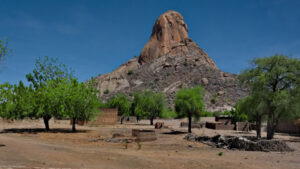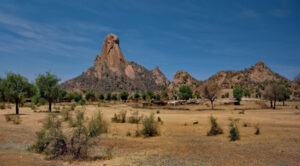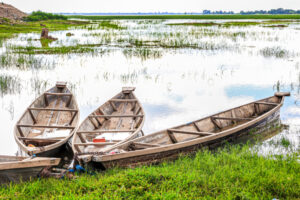
Pala is a regional city in southwestern Chad and the capital of Mayo-Kebbi Ouest.
Located several hundred kilometers south of N’Djamena, it is surrounded by agricultural land and has a noticeably greener landscape than the arid northern parts of the country.
The city functions primarily as an administrative, agricultural, and commercial center rather than a conventional tourism destination.
Cotton farming and regional trade are important to the local economy, and Pala also serves communities spread throughout southwestern Chad.
For travelers, however, Pala requires substantial preparation.
Chad currently faces serious security concerns involving violent crime, terrorism, kidnapping, political unrest, weak medical infrastructure, and extremely limited emergency assistance outside the capital.
Pala may appear calm during everyday life, but international visitors should not interpret a quiet atmosphere as meaning that ordinary tourist precautions are sufficient.
Warnings & Dangers in Pala

OVERALL RISK: HIGH
Pala should be considered a high-risk destination for international travelers. Chad currently faces serious concerns involving violent crime, kidnapping, terrorism, political instability, and inadequate medical services. Foreign governments have very limited ability to assist their citizens outside N'Djamena. Anyone traveling to Pala for work, family, humanitarian activities, or another essential reason should have reliable local contacts, secure accommodation, trusted transportation, and an emergency plan before arriving.

TRANSPORT & TAXIS RISK: HIGH
Transportation is one of the biggest risks in Pala. Road conditions can vary considerably, particularly once travelers leave the main routes. Motorcycles, bicycles, pedestrians, livestock, trucks, and poorly maintained vehicles may share roads with limited lighting. Carjacking is a concern on roads outside N'Djamena, including during daylight. Avoid long-distance travel after dark and use an experienced local driver with a reliable vehicle whenever possible.

PICKPOCKETS RISK: MEDIUM
Pickpocketing and opportunistic theft can occur around markets, transportation points, shops, and other busy areas. Foreign visitors may stand out more in Pala than they would in a major international tourism destination. Keep phones concealed when not in use, avoid carrying wallets in easy-to-reach pockets, and do not display large amounts of cash. Ordinary theft is a concern, but violent robbery represents the more serious personal-security risk.

NATURAL DISASTERS RISK: MEDIUM
Heavy rain, flooding, extreme heat, and poor road conditions are the main environmental hazards. Pala has a tropical savanna climate with a pronounced rainy season. Rainfall becomes particularly heavy during the middle of the year, with August generally among the wettest periods. Unpaved roads can become difficult or temporarily impassable after prolonged rain. Heat is another significant concern, particularly before the rainy season when daytime temperatures can become extreme.

MUGGING RISK: HIGH
Armed robbery is a serious concern in Chad. Visitors should avoid isolated areas, particularly after sunset, and should not display expensive watches, jewelry, cameras, or smartphones unnecessarily. Keep vehicle doors locked and windows closed while traveling. If confronted by someone with a weapon, resisting can dramatically increase the danger. Personal belongings are not worth risking serious injury.

TERRORISM RISK: HIGH
Terrorism remains a serious concern in Chad. Although some of the country's highest-profile terrorist activity has occurred farther north and around the Lake Chad region, attacks and kidnappings can occur elsewhere and security conditions can change rapidly. Potential targets can include markets, transportation facilities, government buildings, places of worship, hotels, and other public locations. Avoid large gatherings and remain especially cautious around government and security facilities.

SCAMS RISK: MEDIUM
Pala has little conventional international tourism, so visitors are unlikely to encounter the large-scale tourist scam industry found in heavily visited destinations. More realistic problems include inflated transportation charges, unofficial currency exchanges, questionable guides, and requests for unofficial payments. Arrange transportation and important services through trusted local contacts whenever possible. Do not hand your passport to unofficial drivers, guides, or intermediaries.

WOMEN TRAVELERS RISK: HIGH
Women traveling independently should exercise considerable caution in Pala. The combination of limited transportation, weak law enforcement, violent crime risks, and isolated roads makes solo movement more difficult, particularly after dark. Women should use trusted door-to-door transportation, avoid walking alone at night, and choose secure accommodation with controlled access. Visitors traveling through an employer or humanitarian organization should closely follow local security procedures.

TAP WATER RISK: HIGH
Visitors should not rely on untreated tap water for drinking. Use sealed bottled water or water that has been properly boiled, filtered, or disinfected. Food hygiene can also vary, so freshly cooked meals served hot are generally preferable to food that has been sitting at room temperature. Malaria and other mosquito-borne illnesses are important concerns, making insect repellent and mosquito protection essential.
Safest Places to Visit in Pala
Pala does not have established tourist districts that can be described as completely safe.
Visitors who must travel there should concentrate their activities around busy central areas and locations recommended by trusted local contacts.
Central Pala During Daylight
Central Pala contains shops, markets, administrative services, businesses, and transportation connections.
Activity during daylight provides somewhat more security than isolated outskirts.
Complete necessary errands before dark and avoid carrying unnecessary valuables.
Established Hotels and Compounds
Secure accommodation with controlled entry is preferable to informal lodging.
Business travelers and humanitarian workers should use properties recommended by organizations or contacts with recent experience in Pala.
Ask about electricity, water supplies, communications, transportation, and nighttime security before choosing accommodation.
Cathedral and Central Community Areas
Religious and community institutions form an important part of life in Pala.
Visitors attending an organized event or meeting should travel during daylight and use transportation arranged through trusted contacts.
Avoid photographing people, government facilities, or security personnel without permission.
Organized Professional or Community Visits
Many foreigners who visit Pala are more likely to be there for professional, development, religious, humanitarian, or family reasons than conventional tourism.
Organized visits with established local institutions are considerably preferable to independent exploration.
Travel with people who understand current road and neighborhood conditions.
Places to Avoid in Pala
The greatest risks are generally associated with isolated travel, nighttime movement, and journeys outside established areas.
Isolated Outskirts After Dark
Avoid walking through peripheral residential areas or quiet roads after sunset.
Street lighting can be limited and assistance may be difficult to obtain.
Arrange your return transportation before leaving a secure location.
Remote Roads Outside Pala
Independent road trips into the countryside are not advisable.
Vehicle breakdowns, robbery, carjacking, flooding, checkpoints, and lack of emergency assistance can turn a minor problem into a serious situation.
Always tell trusted contacts where you are going and when you expect to return.
Border Areas
Southwestern Chad lies relatively close to Cameroon, and border regions throughout Chad require additional caution.
Kidnapping and cross-border security risks are particularly concerning near some frontier areas.
Do not make spontaneous trips toward remote border crossings without reliable information and professional transportation arrangements.
Demonstrations and Political Gatherings
Stay away from demonstrations, rallies, political events, and large gatherings involving security forces.
Political unrest in Chad has previously become violent.
Do not remain nearby to watch or photograph disturbances.
Roads During Heavy Rain
Rain can seriously affect unpaved roads around Pala.
Do not drive through floodwater when you cannot determine its depth, and avoid remote journeys during severe storms.
A vehicle becoming stuck far from town can create additional security and medical risks.
Safety Tips for Traveling to Pala
- Avoid unnecessary nighttime travel. Complete journeys during daylight and return to secure accommodation before dark. Poor lighting, road accidents, robbery, and limited emergency services all make nighttime travel more dangerous.
- Use a trusted local driver. Reliable transportation is extremely important. Avoid depending on unknown drivers or informal shared transportation for long-distance journeys.
- Keep valuables out of sight. Avoid displaying expensive watches, jewelry, phones, cameras, or large amounts of cash. Carry only what you reasonably expect to need.
- Confirm conditions before every road journey. Roads that were usable previously may be affected by flooding, checkpoints, security incidents, or other disruptions.
- Avoid demonstrations completely. Do not stop to observe political gatherings or confrontations involving security forces. Leave the area as soon as possible.
- Do not resist an armed robbery. If threatened with a weapon, prioritize personal safety rather than attempting to protect your belongings.
- Protect yourself against mosquitoes. Malaria is a significant concern. Use effective insect repellent, wear appropriate clothing, and sleep in accommodation with suitable mosquito protection.
- Carry safe drinking water. Temperatures can become extremely high, making dehydration a realistic concern. Keep enough treated or bottled water available for road journeys.
- Avoid photographing sensitive locations. Do not photograph military personnel, police, checkpoints, government facilities, airports, or security operations without clear permission.
- Have an emergency and evacuation plan. Anyone spending significant time in Pala should know what they would do if security deteriorated or a serious medical emergency occurred. Assistance from foreign governments outside N’Djamena can be extremely limited.
So... How Safe Is Pala Really?
Pala is not currently a destination that most international travelers should choose for an ordinary vacation.
That does not mean the city experiences constant violence.
Most residents go about their normal lives, businesses operate, markets function, and long periods may pass without a visitor personally witnessing a serious security incident.
The problem is the underlying level of risk.
Chad faces ongoing concerns involving terrorism, kidnapping, violent crime, political instability, carjacking, and inadequate medical infrastructure.
These problems become particularly important outside N’Djamena, where international consular and emergency assistance is extremely limited.
Road travel deserves special attention.
Pala is roughly 470 kilometers from N’Djamena by road, making overland journeys substantial.
A vehicle breakdown, accident, security incident, or unexpected road closure can become much more serious when travelers are several hours from the capital.
Carjacking on roads outside N’Djamena is another reason independent road trips should be avoided.
Health conditions add another layer of risk.
Pala is hot for much of the year, and temperatures can become particularly intense during the months before the rainy season.
Dehydration, heat exhaustion, gastrointestinal illness, malaria, and other mosquito-borne diseases are realistic concerns.
The rainy season creates different problems.
Heavy rainfall can damage roads, create flooding, and make rural transportation much more difficult.
August is generally among the wettest months of the year.
Medical infrastructure is limited, particularly for complicated emergencies.
A serious injury or illness may require transportation to N’Djamena or evacuation outside Chad.
For business travelers, humanitarian workers, researchers, religious organizations, or people visiting family, Pala may sometimes be an essential destination.
Those travelers should arrange accommodation and transportation before arriving, maintain communication with trusted local contacts, minimize unnecessary movement, and have contingency plans.
For travelers simply looking for somewhere interesting to explore, however, Pala currently carries more risk than most people should accept for recreational tourism.
How Does Pala Compare?
| City | Safety Index |
|---|---|
 Pala Pala |
23 |
| Sarh |
26 |
| Doba |
24 |
| Bongor |
25 |
| Moundou |
28 |
| N’Djamena |
29 |
 Williamsburg Williamsburg | 78 |
| Pullman | 79 |
| Glendive | 82 |
| Palmdale | 78 |
 Klagenfurt Klagenfurt | 85 |
 Banja Luka Banja Luka | 60 |
Useful Information

Visas
Most foreign visitors need a visa before entering Chad. Requirements depend on nationality and may include passport validity rules, vaccination documentation, accommodation information, and proof of travel arrangements. Travelers should obtain the appropriate documentation before departure rather than assuming entry formalities can be completed upon arrival. A yellow fever vaccination certificate may also be required.

Currency
Chad uses the Central African CFA franc. Cash is particularly important outside N'Djamena, and visitors should not assume that international credit cards or ATMs will always be available or functional in Pala. Bring sufficient funds for legitimate expenses, but avoid carrying all of your money in one place. Divide cash between secure locations and keep only a small amount readily accessible.

Weather
Pala has a hot tropical savanna climate. The hottest conditions generally occur between March and May, when daytime temperatures can become extremely uncomfortable. The rainy season develops during the middle of the year and usually peaks around August. Heavy rain can substantially affect rural roads. Travelers should carry sun protection, lightweight clothing, rain protection during the wet season, insect repellent, and plenty of safe drinking water.

Airports
Pala has a small airport, but travelers should not expect dependable scheduled commercial passenger flights. The airport has basic infrastructure and should not be treated as an alternative to a major international airport. Most international travelers entering Chad use N'Djamena International Airport and continue toward Pala using domestic or overland transportation. The road distance from N'Djamena to Pala is approximately 470 kilometers. Travel overland during daylight using a reliable vehicle and experienced driver.

Travel Insurance
Travel insurance is particularly important for Pala, but ordinary travel policies may exclude coverage when government advisories recommend against travel. Check the policy wording carefully before departure. Coverage should ideally include hospitalization, emergency medical evacuation, security evacuation, trip interruption, and emergency transportation. Because advanced medical care is extremely limited, medical evacuation coverage is especially important. Travelers visiting Pala for professional, humanitarian, or other essential reasons may need specialist high-risk insurance rather than a standard vacation policy.
Pala Weather Averages (Temperatures)
Average High/Low Temperature
| Temperature / Month | Jan | Feb | Mar | Apr | May | Jun | Jul | Aug | Sep | Oct | Nov | Dec |
|---|---|---|---|---|---|---|---|---|---|---|---|---|
| High °C |
33 | 36 | 39 | 38 | 36 | 33 | 29 | 29 | 30 | 32 | 34 | 34 |
| Low °C |
17 | 18 | 24 | 27 | 24 | 23 | 23 | 22 | 22 | 20 | 20 | 17 |
| High °F |
91 | 97 | 102 | 100 | 97 | 91 | 84 | 84 | 86 | 90 | 93 | 93 |
| Low °F |
63 | 64 | 75 | 81 | 75 | 73 | 73 | 72 | 72 | 68 | 68 | 63 |
Chad - Safety by City
| City | Safety Index |
|---|---|
| Bongor | 25 |
| Doba | 24 |
| Moundou | 28 |
| N’Djamena | 29 |
| Pala | 23 |
| Sarh | 26 |