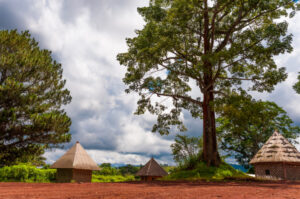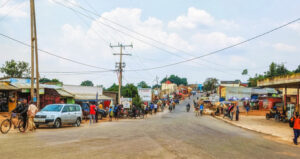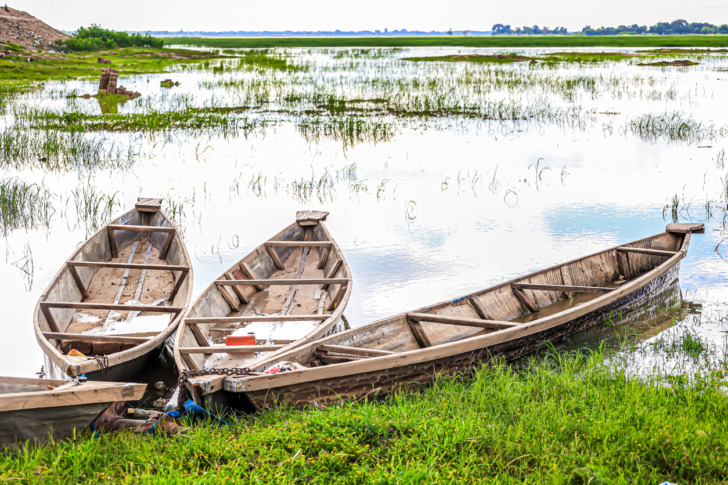
N’Djamena is the capital and largest city of Chad, located where the Chari and Logone rivers meet near the border with Cameroon.
It is the country’s political, economic, and transportation center, with busy markets, government buildings, mosques, restaurants, international hotels, and one of Chad’s main gateways to the outside world.
From a safety perspective, N’Djamena is a difficult destination.
Armed robbery, carjacking, kidnapping, terrorism, political demonstrations, and sudden security incidents are genuine concerns.
In April 2026, the U.S. travel advisory for Chad was raised to its highest level, while other governments also maintain strong warnings for travel to the country.
N’Djamena is generally more secure than many remote regions of Chad, but that does not make it a conventional tourist destination.
Even within the capital, nighttime movements should be limited, secure transportation is preferable to walking, and visitors should stay away from demonstrations, government facilities during periods of tension, and unfamiliar neighborhoods.
Travelers with an essential reason to visit should arrive with reliable local contacts, carefully planned transportation, comprehensive insurance, and contingency arrangements.
Warnings & Dangers in N’Djamena

OVERALL RISK: HIGH
N'Djamena has a high overall travel risk because of violent crime, political instability, terrorism, kidnapping, and limited emergency services. Armed robberies, carjackings, home invasions, and street crime can occur, including during daylight hours. Security conditions can also change unexpectedly following political or military developments. Visitors should minimize unnecessary movements, especially after dark.

TRANSPORT & TAXIS RISK: HIGH
Transportation is one of the most important safety concerns in N'Djamena. Road conditions vary considerably, traffic can be chaotic, and many vehicles are poorly maintained. Street lighting is limited in some areas, making nighttime driving considerably more dangerous. Visitors should avoid casually hailing unknown vehicles and instead arrange transportation through established hotels, employers, international organizations, or trusted local contacts. Keep vehicle doors locked and windows closed, particularly when stopped in traffic.

PICKPOCKETS RISK: MEDIUM
Pickpocketing, phone snatching, and purse theft occur in N'Djamena. Markets, transportation areas, crowded streets, and other busy public places provide the greatest opportunities for petty theft. Foreign visitors may attract additional attention because they can be perceived as carrying more money or expensive electronics. Keep phones out of sight when they are not being used and carry only the money you expect to need.

NATURAL DISASTERS RISK: MEDIUM
Extreme heat, seasonal flooding, dust storms, and heavy rainfall are the main environmental risks affecting N'Djamena. Temperatures can rise above 40°C during the hottest part of the year, making dehydration and heat exhaustion serious concerns. During the rainy season, heavy downpours can flood roads and disrupt transportation. Dust and poor air quality can also affect travelers with respiratory problems during dry periods.

MUGGING RISK: HIGH
Armed robbery is a significant concern in N'Djamena. Robberies can occur on streets, from vehicles, or around residential areas. Foreign visitors may be targeted because criminals assume they are carrying money or expensive belongings. Avoid walking alone whenever possible, particularly after dark. Do not display jewelry, expensive watches, cameras, or large amounts of cash. If confronted by an armed robber, do not physically resist.

TERRORISM RISK: HIGH
Terrorism remains an important security concern in Chad. Extremist groups operate in the broader region, particularly around the Lake Chad Basin, and attacks elsewhere in the country remain possible. Potential targets can include government buildings, security facilities, markets, places of worship, hotels, restaurants, transportation hubs, and other crowded locations. Maintain awareness in public places and avoid lingering around military or government installations.

SCAMS RISK: MEDIUM
Visitors may encounter financial scams, inflated prices, unofficial requests for payment, and people offering questionable transportation or services. Confirm prices before using taxis or hiring drivers, and avoid giving money to strangers claiming they can resolve immigration, police, or administrative problems. Online employment, romance, inheritance, and money-transfer scams connected with Chad also occur, although these are more likely to affect people before arriving than tourists already in N'Djamena.

WOMEN TRAVELERS RISK: HIGH
Women traveling in N'Djamena should exercise substantial caution, particularly when traveling alone. Sexual assault and harassment are possible, and walking alone after dark should be avoided. Solo female travelers should use trusted transportation, stay in established accommodation with good security, and avoid accepting rides from strangers. Conservative clothing can also help visitors attract less unwanted attention and better fit local social expectations.

TAP WATER RISK: HIGH
Visitors should not drink untreated tap water in N'Djamena. Use sealed bottled water or properly treated and filtered water for drinking. Travelers with sensitive stomachs may also prefer bottled water for brushing their teeth. The extreme heat makes hydration particularly important. When leaving established hotels or traveling around the city for extended periods, carry more drinking water than you expect to need.
Safest Places to Visit in N’Djamena
Established International Hotels
Major international and business-oriented hotels generally provide some of the most controlled environments available to foreign visitors.
Security measures may include guarded entrances, vehicle checks, controlled access, backup electricity, and arrangements with trusted drivers.
For visitors traveling for business, diplomatic, or humanitarian purposes, staying at an established property can simplify both transportation and security planning.
National Museum of Chad
The National Museum provides an introduction to Chad’s archaeological, cultural, and historical heritage.
A daytime visit can be arranged as part of a carefully planned itinerary around central N’Djamena.
Transportation should ideally be organized in advance rather than relying on finding a vehicle after leaving.
Visitors should confirm that the museum is operating normally before traveling there.
Central Areas During Daylight
Some central commercial and administrative parts of N’Djamena are relatively busy during daylight hours.
The presence of businesses, offices, restaurants, and regular traffic can make these locations more practical for visitors than isolated residential areas.
That does not eliminate the risk of robbery or theft, so valuables should remain discreet.
Chari River Area
The Chari River is an important feature of N’Djamena and provides views toward neighboring Cameroon.
Visitors should only explore accessible riverfront areas with knowledgeable local guidance and during daylight hours.
Avoid isolated riverbanks, especially after dark, and do not attempt informal border crossings or boat journeys without understanding local requirements.
Grand Mosque Area
The Grand Mosque is one of N’Djamena’s recognizable landmarks and reflects the city’s importance as a religious and cultural center.
Visitors should dress respectfully, avoid interrupting worship, and ask before taking photographs of people.
Because religious sites can become crowded, keep valuables secured and remain aware of the surrounding security environment.
Places to Avoid in N’Djamena
Streets After Dark
Walking around N’Djamena after dark should generally be avoided.
Street lighting can be poor, violent crime becomes more difficult to anticipate, and finding assistance may be challenging if something goes wrong.
Use secure, pre-arranged transportation even for journeys that appear relatively short.
Political Demonstrations
Do not attend demonstrations, rallies, political gatherings, or confrontations between protesters and security forces.
Political demonstrations in Chad have previously turned violent, and security forces may respond forcefully when crowds become confrontational.
If people begin gathering unexpectedly near you, leave the area instead of stopping to watch.
Presidential and Military Areas
Avoid unnecessary travel near the Presidential Palace, military installations, security facilities, and sensitive government buildings.
Security around these locations can increase suddenly following political or military incidents.
Never photograph soldiers, checkpoints, military equipment, or government security operations.
Outskirts of the City at Night
The risk of robbery and carjacking increases in quieter and less developed parts of N’Djamena.
Travelers unfamiliar with the city should not explore peripheral neighborhoods without a trusted reason and reliable local guidance.
Nighttime journeys through these areas should be avoided whenever possible.
Roads Leaving N’Djamena Without Preparation
Security conditions deteriorate significantly in many areas outside the capital.
Carjacking, kidnapping, terrorism, poor roads, landmines, armed groups, and extremely limited emergency services can make overland travel dangerous.
Do not treat a trip outside N’Djamena as an ordinary road trip.
Obtain current security information and use experienced drivers and appropriate vehicles.
Safety Tips for Traveling to N’Djamena
- Avoid Walking Whenever Possible. Even relatively short journeys can expose visitors to robbery or theft. Secure vehicles arranged through a hotel, employer, or trusted contact are preferable, particularly after dark.
- Do Not Travel Around the City at Night. Nighttime dramatically increases security and transportation risks. Complete appointments, shopping, and sightseeing during daylight and return to your accommodation before late evening.
- Keep Vehicle Doors Locked. Robberies can occur when vehicles are stopped in traffic. Keep doors locked, windows closed, and phones or bags out of sight rather than placing them on seats.
- Stay Away From Demonstrations. Political gatherings can develop quickly and may become violent. If you encounter a protest, roadblock, or confrontation involving security forces, leave the area using another route.
- Do Not Photograph Security Forces. Avoid photographing police, soldiers, military vehicles, checkpoints, government buildings, airports, or sensitive infrastructure. Photography around these locations can result in questioning or detention.
- Carry Water Everywhere. N’Djamena can become extremely hot, particularly between March and May. Carry enough sealed drinking water and limit strenuous outdoor activity during the hottest hours of the afternoon.
- Keep Valuables Out of Sight. Avoid displaying expensive watches, jewelry, cameras, laptops, or large smartphones unnecessarily. Carry only enough cash for immediate expenses and keep additional money securely stored.
- Use Trusted Drivers. A driver familiar with N’Djamena can help avoid unsafe neighborhoods, traffic problems, demonstrations, and unexpected roadblocks. Avoid relying on unknown drivers for important journeys.
- Keep Emergency Supplies Ready. Store identification, medication, cash, water, charged phones, power banks, and important documents where they can be accessed quickly if security conditions deteriorate.
- Have a Contingency Plan. Understand how you would reach the airport or another secure location if unrest begins, roads close, or communications are disrupted. Travelers with employers or organizations in Chad should know their emergency procedures before a crisis occurs.
So... How Safe Is N’Djamena Really?
N’Djamena is safer than some of Chad’s most unstable border regions, but that comparison can give travelers a misleading impression.
The capital still faces serious risks from violent crime, political unrest, terrorism, kidnapping, and limited emergency infrastructure.
Armed robberies and carjackings are realistic concerns, and even routine movements around the city require more planning than travelers might expect.
Political developments are particularly important.
Demonstrations can form quickly, while security forces may establish checkpoints or restrict movement following major events.
A fatal security incident near the Presidential Palace in January 2025 demonstrated that serious violence can occur even within heavily controlled areas of the capital.
Travel outside N’Djamena introduces additional dangers.
The Lake Chad region and several border areas face considerably greater risks involving terrorist groups, kidnapping, armed conflict, and landmines.
Even ordinary road journeys can become complicated by poor infrastructure and limited emergency assistance.
Healthcare is another major weakness.
Serious injuries or illnesses may require medical evacuation, and reliable emergency treatment cannot be assumed.
Visitors who need to travel to N’Djamena for diplomatic, humanitarian, family, business, or professional reasons should use secure accommodation, trusted transportation, current security information, and carefully prepared emergency plans.
For conventional leisure tourism, N’Djamena remains a high-risk destination.
The city’s culture, markets, river setting, and role as the gateway to Chad are interesting, but the security environment requires considerably more preparation than an ordinary city break.
How Does N’Djamena Compare?
| City | Safety Index |
|---|---|
 N’Djamena N’Djamena |
29 |
| Moundou |
28 |
| Sarh |
26 |
 Barcelona Barcelona | 65 |
 Wellfleet Wellfleet | 92 |
 Belem Belem | 59 |
 Bodrum Bodrum | 78 |
| Natal | 52 |
 Mangalore Mangalore | 75 |
Useful Information

Visas
Most foreign travelers need a visa before entering Chad, and visas generally cannot simply be obtained upon arrival. Requirements depend on nationality, and availability can change. Travelers should arrange the appropriate visa before departure and ensure their passport has sufficient remaining validity and blank pages. A yellow fever vaccination certificate is also required for entry, and some visitors may need to complete police registration after arrival.

Currency
Chad uses the Central African CFA franc, abbreviated XAF. Cash is extremely important because card acceptance is limited. N'Djamena has banks, ATMs, and money-transfer services, but ATMs may be unreliable or temporarily unavailable. Carry enough cash for everyday expenses while avoiding visibly carrying large amounts.

Weather
N'Djamena has an extremely hot semi-arid climate. The hottest months can bring daytime temperatures above 40°C, while the rainy season generally occurs between June and September. Heavy downpours may cause flooding and transportation problems. The dry season can bring dust, haze, and very low humidity.

Airports
N'Djamena International Airport is Chad's main international airport and sits very close to the central part of the capital. International flights connect the city with a limited number of destinations in Africa, Europe, and the Middle East. Travelers should arrange airport transportation before arrival rather than relying on finding an unfamiliar vehicle outside the terminal.

Travel Insurance
Comprehensive travel insurance is especially important for N'Djamena. Medical facilities are extremely limited, and serious illness or injury may require evacuation to another country. Check whether your policy remains valid for Chad because some insurers exclude destinations subject to severe government travel warnings. Coverage for medical evacuation, security evacuation, cancellations, theft, and unexpected travel disruption is particularly valuable.
N’Djamena Weather Averages (Temperatures)
Average High/Low Temperature
| Temperature / Month | Jan | Feb | Mar | Apr | May | Jun | Jul | Aug | Sep | Oct | Nov | Dec |
|---|---|---|---|---|---|---|---|---|---|---|---|---|
| High °C |
32 | 35 | 39 | 41 | 40 | 37 | 33 | 31 | 33 | 37 | 36 | 33 |
| Low °C |
16 | 18 | 23 | 26 | 27 | 26 | 24 | 23 | 23 | 23 | 19 | 16 |
| High °F |
90 | 95 | 102 | 106 | 104 | 99 | 91 | 88 | 91 | 99 | 97 | 91 |
| Low °F |
61 | 64 | 73 | 79 | 81 | 79 | 75 | 73 | 73 | 73 | 66 | 61 |
Chad - Safety by City
| City | Safety Index |
|---|---|
| Moundou | 28 |
| N’Djamena | 29 |
| Sarh | 26 |