 Central African Republic : Safety by City
Central African Republic - safety as a country
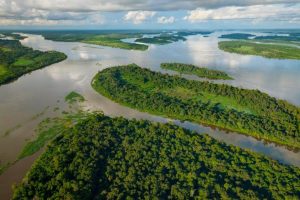
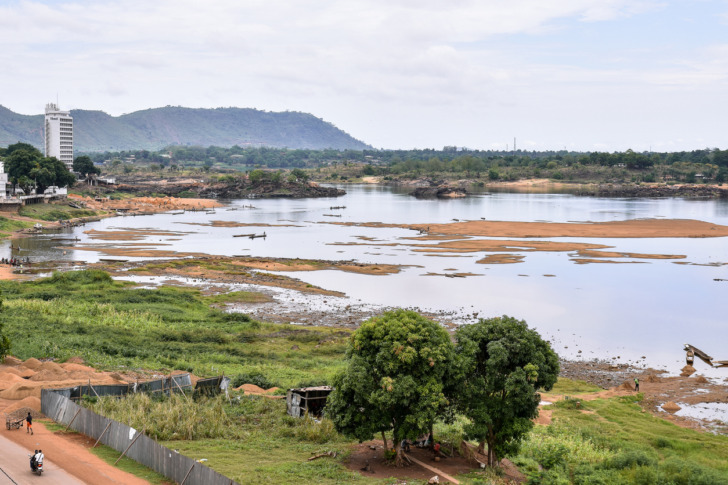
Bangui is the capital and largest city of the Central African Republic, sitting along the Ubangi River near the border with the Democratic Republic of the Congo.
The city is the country’s main center for government, commerce, international organizations, and transportation.
While Bangui is generally more stable than many parts of the Central African Republic, it remains a high-risk destination.
Security conditions can deteriorate quickly, violent crime occurs, and emergency and medical services are extremely limited.
As of September 2026, the U.S. advises against travel to the Central African Republic, while the UK advises against all but essential travel to Bangui.
Warnings & Dangers in Bangui

OVERALL RISK: HIGH
Bangui has a more stable security environment than much of the rest of the Central African Republic, but travelers still face significant risks. Armed robbery, civil unrest, political demonstrations, crime, roadblocks, and sudden security incidents are possible. Travelers who must visit should have reliable local contacts, secure accommodation, and carefully arranged transportation.

TRANSPORT & TAXIS RISK: HIGH
Transportation presents considerable risks. Road conditions are poor, traffic rules are inconsistently followed, and accidents are common. Public transportation is limited and is not recommended for visitors unfamiliar with the city. Taxis can also present robbery and accident risks. Hotel-arranged vehicles and trusted drivers are preferable.

PICKPOCKETS RISK: HIGH
Pickpocketing, bag snatching, and other opportunistic theft occur in Bangui.Crowded markets, busy streets, transportation areas, and commercial districts require extra caution. Keep phones and expensive electronics out of sight and avoid carrying unnecessary cash or valuables.

NATURAL DISASTERS RISK: MEDIUM
Bangui experiences a tropical climate with a pronounced rainy season. Heavy rainfall can cause flooding, deteriorate road conditions, and make travel around the city more difficult. Infrastructure problems can make the effects of severe weather more disruptive than they would be in a better-equipped city.

MUGGING RISK: HIGH
Armed robbery and violent crime are significant concerns. Avoid walking alone after dark and do not visit isolated areas unnecessarily. Keep vehicle doors locked and windows closed when traveling. If confronted during a robbery, protecting yourself is more important than protecting your belongings.

TERRORISM RISK: HIGH
The Central African Republic faces broader risks from armed groups, political violence, and terrorism. Bangui is more secure than many areas outside the capital because of the stronger presence of government and international security forces, but sudden unrest remains possible.

SCAMS RISK: MEDIUM
Traditional tourist scams are less of a concern than crime and security problems, but visitors can encounter inflated prices, unofficial fees, questionable transportation arrangements, and demands for money. Use trusted local contacts and established businesses whenever possible.

WOMEN TRAVELERS RISK: HIGH
Women traveling alone should exercise significant caution. Harassment and sexual violence are concerns, especially after dark or in isolated areas. Solo walking at night should be avoided. Secure accommodation and reliable private transportation are strongly recommended.

TAP WATER RISK: HIGH
Visitors should not rely on tap water for drinking. Use sealed bottled water or properly treated water and be cautious with ice, raw foods, and foods prepared under questionable hygienic conditions. Medical treatment for gastrointestinal illness can be difficult to obtain compared with more developed destinations.
Safest Places to Visit in Bangui
Central Bangui
Central parts of Bangui generally have a stronger security presence than peripheral neighborhoods.
Government offices, larger businesses, international organizations, and some of the city’s better-established accommodation options are concentrated in central areas.
Even here, travelers should avoid unnecessary walking after dark.
Established Hotel Areas
Major hotels and secure accommodation compounds are among the more manageable places for foreign visitors.
They may offer controlled entrances, security personnel, reliable transportation contacts, and backup electricity.
Travelers should ask their accommodation to arrange drivers rather than hiring transportation randomly on the street.
Recognized Attractions During Daylight
Bangui has cultural and historic attractions that can be visited during stable periods.
Visits should take place during daylight hours and preferably with someone familiar with current local conditions.
Plans may need to change quickly if demonstrations, checkpoints, or security incidents develop.
Ubangi River Area During Daylight
The Ubangi River is one of Bangui’s defining geographical features.
Some riverfront areas can be visited during daylight with appropriate local guidance, but travelers should avoid wandering through isolated sections or remaining near the river after dark.
Places to Avoid in Bangui
PK5 District
Visitors should exercise particular caution around the PK5 district and surrounding areas.
Petty crime and wider security concerns have historically been greater there, and travelers unfamiliar with Bangui should not explore the area casually.
Outskirts After Dark
Peripheral neighborhoods generally have fewer security resources, less lighting, and more limited access to emergency assistance.
Avoid unnecessary travel through unfamiliar outer districts, particularly at night.
Roads Outside Bangui
Travel outside Bangui substantially increases risk.
Armed groups, criminal activity, kidnapping, roadblocks, poor roads, and unexploded landmines are concerns in parts of the country.
Foreign travelers should not casually attempt overland trips outside the capital.
Demonstrations and Political Gatherings
Stay away from protests, demonstrations, political gatherings, and large crowds.
Events that initially appear peaceful can become violent or trigger road closures and security operations.
Isolated Areas at Night
Walking around Bangui after dark should be minimized.
Poor lighting, limited policing, robbery risks, and difficulty obtaining emergency assistance make nighttime exploration particularly inadvisable.
Safety Tips for Traveling to Bangui
- Arrange Secure Transportation. Do not depend on finding transportation after arriving somewhere. Have a trusted hotel, organization, employer, or local contact arrange drivers whenever possible.
- Avoid Walking After Dark. Travel by vehicle after sunset, even for relatively short distances. Nighttime significantly increases exposure to robbery, traffic accidents, and security incidents.
- Do Not Display Wealth. Keep expensive jewelry, cameras, smartphones, and large amounts of cash out of sight. Dress conservatively and avoid drawing unnecessary attention to yourself.
- Avoid Road Travel Outside Bangui. Security conditions become substantially more unpredictable beyond the capital. Do not assume a nearby town or road is safe simply because the distance appears short.
- Stay Away From Demonstrations. Do not stop to watch protests or political gatherings. Leave the area immediately if crowds, roadblocks, or security forces begin gathering.
- Keep Emergency Supplies. Power outages and disruptions to services can occur. Keep drinking water, essential medications, charged power banks, cash, food, and basic supplies available at your accommodation.
- Use Secure Accommodation. Choose accommodation with controlled access, security staff, reliable communications, and backup electricity if possible. Do not prioritize price over security.
- Keep Your Travel Plans Private. Avoid unnecessarily discussing where you are staying, how much money you have, or when you will be traveling. Share detailed plans only with trusted people.
- Carry Cash Carefully. The economy remains heavily cash-based. Keep only a limited amount of money immediately accessible and store additional funds securely.
- Have an Emergency Exit Plan. Travelers should know how they would reach the airport and leave the country if conditions deteriorate. Flights, roads, borders, and airport access can potentially be disrupted with little notice.
So... How Safe Is Bangui Really?
Bangui is considerably more secure than many areas of the Central African Republic, but that comparison should not be mistaken for normal tourist safety.
The Central African Republic remains under very serious international travel warnings.
The U.S. government currently advises against travel to the country because of unrest, crime, kidnapping, health risks, terrorism, and landmine hazards.
Canada similarly advises avoiding all travel, while the UK makes a distinction for Bangui but still advises against all but essential travel to the capital.
Crime is one of the main concerns in Bangui.
Pickpocketing and bag snatching occur, while more serious crimes such as armed robbery and assault are also possible.
Transportation presents another problem.
Roads and vehicles may be poorly maintained, traffic standards are inconsistent, and emergency services are limited.
Visitors should use experienced drivers rather than relying on public transportation.
Conditions outside Bangui are substantially more dangerous.
Armed groups remain active in parts of the country, kidnapping is a concern, and road travel can involve criminal checkpoints, violence, or other security problems.
Medical care is another major limitation.
Even relatively routine illnesses or injuries can become serious because advanced treatment may not be locally available.
Medical evacuation may be necessary for conditions that would ordinarily be treated locally in other countries.
Bangui therefore requires a different approach from a conventional leisure destination.
Travelers who have an essential reason to visit should have professional security arrangements, dependable transportation, comprehensive insurance, and contingency plans for a rapid departure if conditions worsen.
How Does Bangui Compare?
| City | Safety Index |
|---|---|
| Bangui |
28 |
| Berberati |
20 |
| Boali |
24 |
| Bouar |
17 |
| Mbaiki |
22 |
 Paterson Paterson | 67 |
| Hannibal | 76 |
 Reynosa Reynosa | 30 |
| Ogallala | 80 |
| Santa Claus | 84 |
| Miami | 55 |
Useful Information

Visas
Most foreign visitors need a visa to enter the Central African Republic. Requirements vary by nationality, and travelers should make arrangements before departure rather than assuming a visa will be available on arrival. A passport with sufficient remaining validity and any required health documentation should also be prepared in advance.

Currency
The Central African Republic uses the Central African CFA franc. Bangui operates largely as a cash economy. Credit cards are accepted mainly at some larger hotels, while ATMs are limited. Travelers should carry appropriate cash while avoiding carrying large amounts in one place.

Weather
Bangui has a hot tropical climate. The rainy season generally brings heavier rainfall and can significantly worsen already difficult road conditions. Light clothing is appropriate for the heat, but travelers should also prepare for heavy rain, mosquitoes, and periods of high humidity.

Airports
Bangui M'Poko International Airport is the main international gateway to the Central African Republic. Travelers should arrange airport transfers before arrival and confirm flight schedules carefully because security incidents and operational problems can potentially disrupt transportation.

Travel Insurance
Comprehensive travel insurance is particularly important for Bangui. Standard policies may exclude destinations subject to official travel warnings, so travelers should verify coverage carefully. Any suitable policy should include emergency medical treatment and medical evacuation because adequate treatment for serious conditions may not be available locally.
Bangui Weather Averages (Temperatures)
Average High/Low Temperature
| Temperature / Month | Jan | Feb | Mar | Apr | May | Jun | Jul | Aug | Sep | Oct | Nov | Dec |
|---|---|---|---|---|---|---|---|---|---|---|---|---|
| High °C |
32 | 34 | 33 | 32 | 32 | 30 | 29 | 29 | 30 | 30 | 31 | 32 |
| Low °C |
18 | 21 | 22 | 23 | 22 | 22 | 22 | 22 | 22 | 21 | 21 | 19 |
| High °F |
90 | 93 | 91 | 90 | 90 | 86 | 84 | 84 | 86 | 86 | 88 | 90 |
| Low °F |
64 | 70 | 72 | 73 | 72 | 72 | 72 | 72 | 72 | 70 | 70 | 66 |
Central African Republic - Safety by City
| City | Safety Index |
|---|---|
| Bangui | 28 |
| Berberati | 20 |
| Boali | 24 |
| Bouar | 17 |
| Mbaiki | 22 |