 Central African Republic : Safety by City
Central African Republic - safety as a country
Bouar is an important city in western Central African Republic and the capital of Nana-Mambéré Prefecture.
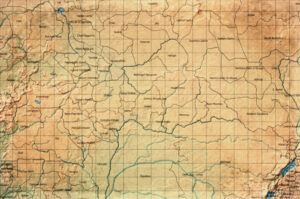
Located on the main corridor connecting Bangui with Cameroon, the city is surrounded by rolling savanna, agricultural communities, waterfalls, and one of the country’s most unusual archaeological attractions, the ancient Bouar megaliths.
From a safety perspective, Bouar is a challenging destination.
Although conditions in the city can sometimes appear calm, the wider Central African Republic continues to face armed violence, banditry, illegal roadblocks, kidnapping, political instability, and extremely limited emergency services.
Security conditions outside major towns can change quickly.
Road travel is one of the biggest concerns, particularly after dark or when leaving established routes.
Medical facilities are also limited, and travelers should be prepared for interruptions involving transportation, communications, electricity, and basic services.
Bouar should therefore be approached as a high-risk destination requiring considerably more preparation than an ordinary sightseeing trip.
Warnings & Dangers in Bouar

OVERALL RISK: HIGH
Bouar carries a high overall travel risk because of the security situation in the Central African Republic. Armed groups, criminal gangs, illegal checkpoints, robbery, kidnapping, and sudden outbreaks of violence remain possible. Conditions may appear peaceful for extended periods and then deteriorate quickly. Travelers should use trusted local transportation, avoid unnecessary movements, and obtain reliable security information before leaving their accommodation.

TRANSPORT & TAXIS RISK: HIGH
Road travel is one of the greatest risks in and around Bouar. Many roads outside major population centers are poorly maintained, unpaved, or difficult to use during the rainy season. Illegal roadblocks, armed groups, bandits, vehicle breakdowns, and extremely limited roadside assistance add additional risks. Travel after dark should be avoided. Longer journeys should be made in reliable vehicles with experienced drivers, adequate fuel, food, drinking water, communications equipment, and an understanding of current road conditions.

PICKPOCKETS RISK: MEDIUM
Petty theft is possible in Bouar, particularly around markets, transportation areas, and other crowded locations. Keep wallets, phones, money, and identification secured and avoid displaying expensive electronics unnecessarily. Pickpocketing itself is not the most serious security issue facing visitors, but losing a phone, passport, or money can become considerably more complicated in a location with limited consular and transportation services.

NATURAL DISASTERS RISK: MEDIUM
Heavy seasonal rainfall is the main natural hazard affecting Bouar. The rainy season can make roads muddy, damaged, or temporarily impassable. Flash flooding and washed-out roads may isolate rural communities or significantly extend travel times. Visitors traveling outside Bouar should consider weather conditions before departure and avoid attempting to cross flooded roads or damaged bridges.

MUGGING RISK: HIGH
Armed robbery and banditry are serious concerns in the Central African Republic. Foreign visitors, humanitarian workers, businesses, and vehicles may be perceived as attractive targets because they are assumed to carry money, communications equipment, or other valuables. Avoid walking alone, particularly after dark, keep valuables discreet, and do not resist if confronted by armed criminals.

TERRORISM RISK: HIGH
Armed conflict and politically motivated violence represent serious security concerns in the Central African Republic, although not every violent incident is classified as terrorism. Armed groups have operated throughout different parts of the country and have been responsible for attacks, kidnappings, roadblocks, and violence against civilians. Avoid military installations, political demonstrations, armed groups, security operations, and any gathering where tensions appear to be increasing.

SCAMS RISK: MEDIUM
Conventional tourist scams are not as prominent in Bouar as they are in heavily visited destinations, mainly because international tourism is extremely limited. However, travelers may encounter requests for unofficial payments, inflated transportation prices, questionable guides, or demands for money at roadblocks. Arrange transportation and guides through trusted organizations or established local contacts whenever possible.

WOMEN TRAVELERS RISK: HIGH
Women should exercise considerable caution when traveling in Bouar and the surrounding region. Solo travel, particularly outside established urban areas, introduces additional risks. Women should avoid walking alone after dark, accepting transportation from strangers, or traveling into remote areas without trusted local support. Travel with reliable companions or established organizations whenever possible.

TAP WATER RISK: HIGH
Travelers should not drink untreated tap water in Bouar. Use sealed bottled water, properly filtered water, or water that has been adequately treated. Water availability can also become unreliable, so keeping an emergency supply is sensible. Food hygiene should receive similar attention, particularly when eating meat, dairy products, or food that has been stored without reliable refrigeration.
Safest Places to Visit in Bouar
Central Bouar
Central Bouar is generally preferable to isolated neighborhoods or rural areas because shops, markets, accommodation, and services are concentrated nearby.
Daytime movements should still be planned carefully.
Travelers should avoid unnecessary displays of valuables and remain aware that even normally busy areas can change quickly if a security incident occurs.
Bouar Megaliths
The ancient megaliths surrounding Bouar are the area’s most important cultural attraction.
Groups of standing stones are scattered across a large area around the city and represent one of the Central African Republic’s most distinctive archaeological landscapes.
Visitors should not search for remote sites independently.
Use a knowledgeable local guide and confirm current security conditions before leaving established roads.
Saint-Joseph Cathedral
Saint-Joseph Cathedral is one of Bouar’s recognizable religious landmarks.
A daytime visit can provide an opportunity to see another side of the city away from its markets and transportation routes.
Visitors should remain respectful, avoid photographing people without permission, and arrange transportation rather than wandering through unfamiliar areas afterward.
Central Market
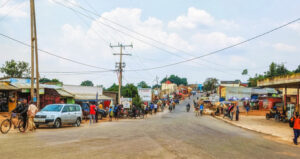
Bouar’s market provides a look at everyday commercial life in western Central African Republic.
Produce, household goods, livestock-related products, and other necessities are traded here.
Visit during daylight hours, carry only the cash you expect to use, secure your phone and wallet, and avoid photographing people or sensitive activity without permission.
Yolé Area
The Yolé area has long been associated with religious institutions, seminaries, education, and local cultural collections.
Anyone interested in visiting should arrange the trip through trusted local contacts rather than simply arriving unannounced.
Daytime visits with someone familiar with the area are preferable.
Places to Avoid in Bouar
Remote Roads After Dark
Avoid traveling outside Bouar after dark.
Poor road conditions, limited lighting, vehicle breakdowns, illegal roadblocks, criminal activity, and armed groups all become harder to manage at night.
Long-distance journeys should begin early enough to reach the destination during daylight.
Isolated Rural Areas
The countryside around Bouar should not be explored independently simply because it appears peaceful.
Communications coverage can be limited, roads may deteriorate quickly, and assistance may be unavailable if a vehicle breaks down or a security incident occurs.
Use trusted guides and remain on established routes.
Unofficial Roadblocks
Drivers may encounter official and unofficial checkpoints while traveling in the Central African Republic.
Remain calm, avoid sudden movements, keep identification accessible, and follow the advice of an experienced local driver.
Do not photograph checkpoints, armed personnel, military vehicles, or security operations.
Military and Security Installations
Avoid approaching or photographing military bases, security facilities, peacekeeping positions, government installations, or armed personnel.
Even innocent photography can attract unwanted attention or questioning.
Travelers should also avoid lingering around locations where security forces are gathering.
Political Gatherings and Demonstrations
Stay away from demonstrations, political rallies, public confrontations, and large gatherings related to security or political events.
Crowds can become unpredictable, and the presence of weapons means disputes can escalate quickly.
If a gathering begins forming nearby, leave the area rather than stopping to observe.
Safety Tips for Traveling to Bouar
- Avoid Traveling at Night. Road travel after dark significantly increases the risks associated with poor road conditions, armed robbery, illegal checkpoints, vehicle breakdowns, and limited emergency assistance. Complete all major journeys during daylight whenever possible.
- Use Trusted Local Drivers. Transportation should be arranged through an established organization, reputable accommodation, employer, or trusted local contact. An experienced driver who understands current checkpoints and road conditions can be extremely valuable.
- Check Conditions Before Every Journey. Security can change quickly. A road that was passable yesterday may not necessarily be advisable today. Obtain recent local information before leaving Bouar for another town or rural attraction.
- Do Not Photograph Armed Personnel. Avoid photographing soldiers, police, military vehicles, checkpoints, government facilities, peacekeepers, or security operations. Taking pictures around sensitive locations can result in questioning or detention.
- Carry Identification. Keep appropriate identification accessible during road journeys because checkpoints and document inspections are common. Store copies separately from original documents in case something is lost or stolen.
- Keep a Low Profile. Avoid wearing expensive jewelry or displaying large amounts of cash, cameras, laptops, or other valuable equipment. Foreign travelers may already attract attention without intentionally advertising valuables.
- Carry Emergency Supplies. Longer road journeys should include drinking water, food, basic medical supplies, spare fuel when appropriate, a charged phone, power banks, and enough money to handle unexpected delays.
- Stay on Established Routes. Do not take shortcuts through unfamiliar rural areas or explore bush tracks without reliable local guidance. Assistance may be extremely difficult to obtain if something goes wrong.
- Prepare for Limited Medical Care. Serious injuries or illnesses may require evacuation to Bangui or outside the country. Bring necessary prescription medications and a well-stocked personal medical kit.
- Have a Contingency Plan. Know how you would respond if roads close, communications stop working, violence begins nearby, or you need to leave Bouar unexpectedly. Keep essential documents, medication, money, and communications equipment easily accessible.
So... How Safe Is Bouar Really?
Bouar is a destination where a calm appearance should not be confused with a low level of risk.
There may be long periods when daily life continues normally.
Markets operate, businesses open, traffic moves through town, and residents travel between communities without incident.
The difficulty is that the wider security environment remains unpredictable.
Armed groups, banditry, illegal checkpoints, kidnapping, robbery, political instability, and extremely limited emergency infrastructure create risks that ordinary tourists may not be equipped to manage.
Road travel deserves particular attention.
Bouar sits on an important route between Bangui and Cameroon, but traveling along major roads does not automatically mean those roads are safe.
Conditions may change depending on security incidents, weather, checkpoints, or criminal activity.
The surrounding countryside contains fascinating archaeological sites, including the Bouar megaliths, but remote sightseeing should only be attempted with knowledgeable local support and current security information.
Healthcare limitations make relatively minor problems more serious as well.
A traffic accident, infection, severe illness, or injury in a remote area may require complicated transportation or evacuation.
Travelers with professional, humanitarian, family, or other essential reasons to visit Bouar should use established security procedures, trusted transportation, and strong contingency planning.
For conventional leisure tourism, Bouar remains a high-risk destination.
Its archaeological heritage and surrounding landscapes are fascinating, but the combination of armed conflict, road insecurity, crime, and limited emergency services requires considerably more caution than an ordinary tourist destination.
How Does Bouar Compare?
| City | Safety Index |
|---|---|
| Bouar |
17 |
| Boali |
24 |
| Berberati |
20 |
| Mbaiki |
22 |
| Bangui |
28 |
 Ocean Shores Ocean Shores | 79 |
 Perugia Perugia | 60 |
| Bismarck | 82 |
 Geelong Geelong | 86 |
| Moreno Valley | 82 |
 San Jose San Jose | 59 |
Useful Information

Visas
Most foreign nationals need a visa before traveling to the Central African Republic. Entry requirements can vary depending on nationality and the purpose of travel. Visitors should arrange the appropriate visa before departure and make sure their passport has sufficient remaining validity. Carrying copies of important travel documents is also recommended.

Currency
The Central African Republic uses the Central African CFA franc, abbreviated XAF. Cash is extremely important because credit cards and international payment systems have limited acceptance outside a small number of establishments. ATMs are scarce, particularly outside Bangui. Carry enough cash for essential expenses while avoiding visibly carrying large amounts.

Weather
Bouar has a tropical savanna climate influenced by its relatively high elevation. The rainy season generally runs from roughly May through October or November, when unpaved roads can become muddy or impassable. The drier months usually provide better conditions for road travel, although dust can become significant.

Airports
Bouar has an airfield, but travelers should not expect dependable scheduled commercial passenger services. Most international arrivals enter the Central African Republic through Bangui M'Poko International Airport. Reaching Bouar may require a long overland journey or specially arranged air transportation, depending on current availability and security conditions.

Travel Insurance
Comprehensive travel insurance is extremely important for anyone traveling to Bouar, particularly coverage for emergency medical evacuation. Standard policies may exclude the Central African Republic or refuse coverage for incidents related to armed conflict or destinations under severe travel warnings. Read exclusions carefully and confirm in advance that the policy remains valid for your specific trip.
Bouar Weather Averages (Temperatures)
Average High/Low Temperature
| Temperature / Month | Jan | Feb | Mar | Apr | May | Jun | Jul | Aug | Sep | Oct | Nov | Dec |
|---|---|---|---|---|---|---|---|---|---|---|---|---|
| High °C |
32 | 34 | 34 | 33 | 31 | 29 | 27 | 26 | 28 | 29 | 31 | 32 |
| Low °C |
16 | 18 | 19 | 19 | 18 | 18 | 18 | 18 | 17 | 17 | 16 | 15 |
| High °F |
90 | 93 | 93 | 91 | 88 | 84 | 81 | 79 | 82 | 84 | 88 | 90 |
| Low °F |
61 | 64 | 66 | 66 | 64 | 64 | 64 | 64 | 63 | 63 | 61 | 59 |
Central African Republic - Safety by City
| City | Safety Index |
|---|---|
| Bangui | 28 |
| Berberati | 20 |
| Boali | 24 |
| Bouar | 17 |
| Mbaiki | 22 |