 Bonaire : Safety by City
Bonaire - safety as a country
Hato is a quiet area on the northwestern side of Curaçao, best known as the location of Curaçao International Airport and the spectacular Hato Caves.
It is not a traditional resort district like Jan Thiel or Mambo Beach, and that is part of what makes it interesting.
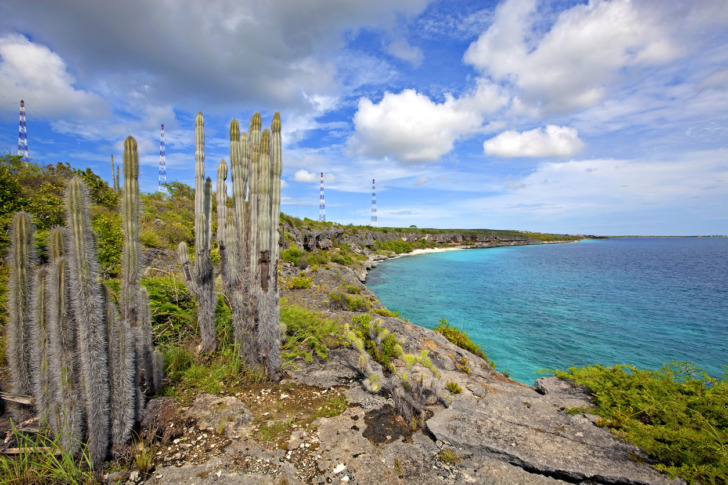
The landscape here is dry and rugged, filled with limestone, cactus, low scrub, and wide Caribbean skies.
Most travelers pass through Hato when arriving on the island, but those who stop can explore caves, countryside, historic plantation landscapes, and some of Curaçao’s less-developed northern side.
Hato itself is generally safe, and Curaçao has a good overall tourism safety profile.
The main concerns are vehicle break-ins, isolated roads after dark, intense heat, rough water on the north coast, and ordinary precautions around the airport.
Warnings & Dangers in Hato

OVERALL RISK: LOW
Hato is generally a low-risk destination. Serious crime against tourists is uncommon, and the airport and major attractions have regular security and visitor activity. Petty theft and vehicle break-ins are more realistic concerns. Avoid isolated areas after dark, secure valuables, and use normal precautions when driving or exploring the countryside.

TRANSPORT & TAXIS RISK: LOW
Airport taxis, rental cars, and prearranged transfers are generally safe. Curaçao drives on the right, which makes driving familiar for many North American visitors. Road conditions vary outside the main routes, however, and some rural roads have limited lighting. Avoid leaving valuables visible in parked rental cars.

PICKPOCKETS RISK: LOW
Pickpocketing is not a major problem in Hato because there are few dense pedestrian crowds. The airport is the main place where travelers should pay extra attention. Keep passports, phones, wallets, and luggage close when arranging transportation or waiting in public areas.

NATURAL DISASTERS RISK: MEDIUM
Curaçao lies south of the Caribbean’s main hurricane belt, reducing the risk of direct hurricane strikes compared with many islands farther north. Tropical systems can still bring heavy rain, flooding, strong winds, and rough seas. Extreme heat, intense sun, and slippery cave surfaces are more common everyday environmental hazards.

MUGGING RISK: LOW
Mugging is uncommon in Hato, particularly around the airport and established visitor attractions. Risk increases on isolated rural roads, empty parking areas, and remote coastal locations after dark. Avoid unnecessary nighttime wandering and do not display expensive jewelry, cameras, or large amounts of cash.

TERRORISM RISK: LOW
The terrorism risk in Hato is low. Curaçao has no recent pattern of terrorism affecting visitors, and ordinary tourists are unlikely to encounter this type of threat. Maintain normal awareness at the airport and other busy transportation facilities, but terrorism should not influence routine sightseeing plans.

SCAMS RISK: MEDIUM
Most tourism businesses operate honestly, but travelers can encounter inflated taxi prices, questionable rental-car fees, unofficial guides, or fraudulent accommodation listings. Confirm prices before accepting services and inspect rental vehicles carefully. Airport arrivals are a particularly good time to ignore unsolicited offers that feel unnecessarily pushy.

WOMEN TRAVELERS RISK: LOW
Hato is generally safe for women, including those traveling alone. Solo women should still avoid isolated roads and countryside after dark, use official transportation from the airport, and tell someone before exploring remote natural areas. The main tourist attractions are comfortable during normal operating hours.

TAP WATER RISK: LOW
Tap water in Curaçao is safe to drink and is produced through desalination and modern treatment systems. Travelers can comfortably refill reusable bottles. Drinking plenty of water is particularly important around Hato because the dry climate, wind, caves, and strong Caribbean sun can cause dehydration surprisingly quickly.
Safest Places to Visit in Hato
Hato Caves
Hato Caves are the area’s most famous attraction and one of the safest places to explore.
The limestone cave system contains dramatic formations, chambers, pools, and traces of the island’s human history.
Visits are organized, making this much safer than exploring an unknown cave independently.
Wear shoes with good grip because stairs and stone surfaces can become damp and slippery.
Curaçao International Airport Area
The airport is naturally one of Hato’s busiest and most controlled locations.
Security, transportation services, rental-car companies, and airport staff are readily available.
Keep bags with you, ignore unsolicited transportation offers, and make sure you know where your accommodation is located before leaving the terminal.
Established Countryside Attractions
The countryside around Hato contains dry landscapes, historic plantation areas, caves, and scenic roads.
Visiting established attractions during daylight is generally safe.
The important word is established.
Avoid turning onto random dirt tracks or entering private property just because something looks interesting from the road.
Nearby Beaches During Daylight
Several beaches can be reached by car from the Hato area, particularly if you travel west toward Curaçao’s more sheltered coastline.
Choose known beaches with parking and regular visitors when possible.
Lock the car and take valuables with you rather than hiding them after you arrive.
Central Willemstad as a Day Trip
Hato is only a relatively short drive from Willemstad, making the capital an easy addition to your visit.
Punda and Otrobanda provide restaurants, shopping, historic architecture, museums, and waterfront walks.
The central tourist districts are generally safe during the day, although normal precautions against petty theft remain sensible.
Places to Avoid in Hato
Isolated Roads After Dark
Hato’s rural surroundings become very quiet after sunset.
Some roads have minimal lighting, limited pedestrian infrastructure, and little passing traffic.
There is rarely a good reason for tourists to walk along isolated roads at night.
Use a car or trusted taxi instead.
Empty Parking Areas With Valuables in the Car
Vehicle break-ins are one of the more realistic crime risks for tourists in Curaçao.
Do not leave backpacks, cameras, shopping bags, laptops, passports, or phones visible inside a parked vehicle.
Ideally, take valuables with you rather than relying on the trunk.
Rugged North Coast Swimming Areas
Curaçao’s northern coast is exposed to the open Caribbean and Atlantic swell and can be dramatically rougher than the protected southern side.
Do not assume every attractive stretch of coastline is suitable for swimming.
Strong waves, rocks, and currents can make some locations dangerous even when the weather looks beautiful.
Unmarked Caves and Limestone Areas
Hato’s geology may tempt adventurous travelers to explore beyond the official caves, but unsupported limestone terrain can contain holes, unstable rock, sharp surfaces, and difficult access.
Stick to recognized attractions unless you are with an experienced local guide who knows the terrain.
Private Land and Former Plantation Property
Much of Curaçao’s countryside contains privately owned land, old plantation sites, farms, and undeveloped property.
Do not climb fences, enter abandoned buildings, or follow private roads simply because they appear unused.
Apart from legal issues, these areas may contain unstable structures, animals, or hidden hazards.
Remote Areas During Heavy Rain
Curaçao is normally dry, but heavy rain can cause sudden localized flooding.
Avoid low roads, drainage channels, and rough tracks during heavy rain.
Floodwater may hide potholes, debris, or washed-out road sections.
Safety Tips for Traveling to Hato
- Lock your rental car every time you leave it. Curaçao is safe overall, but theft from vehicles is one of the crimes travelers can realistically encounter. Do not leave bags, cameras, electronics, or wallets visible. Put anything nonessential in secure accommodation before setting out rather than turning your rental car into temporary luggage storage.
- Use official transportation from the airport. Arrange a rental car, hotel transfer, or recognized taxi before leaving the arrivals area. Confirm the price when using a taxi. Avoid accepting rides from strangers who approach you unexpectedly and promise a dramatically cheaper journey.
- Do not swim wherever you see water. The northern coastline near Hato can be rough, rocky, and exposed to powerful waves. If a location does not look like an established swimming beach, assume there may be a reason. Use recognized beaches and follow any warnings posted locally.
- Take the sun seriously. Curaçao is hot and sunny throughout the year. Constant trade winds can make the temperature feel comfortable while your skin is still receiving intense ultraviolet exposure. Use sunscreen, wear a hat, and carry water whenever you are walking or exploring outdoor attractions.
- Wear proper shoes inside caves. Hato Caves involve stairs, uneven surfaces, and damp limestone. Sandals may be comfortable elsewhere on the island, but footwear with grip is a better choice underground. Use handrails and supervise children carefully on stairs.
- Avoid isolated exploration after dark. Hato is not dangerous at night simply because it is quiet, but isolation reduces your options if something happens. Rural roads, coastal tracks, and empty parking areas are best explored during daylight. Save evenings for populated restaurants, resorts, and central districts.
- Download maps before driving. Mobile service is generally good, but unfamiliar rural roads can still be confusing. Save your hotel, airport, attractions, and planned beaches before leaving. Do not follow navigation apps blindly onto rough tracks that clearly look unsuitable for your rental vehicle.
- Carry only the valuables you actually need. There is little reason to bring passports, large quantities of cash, multiple cards, and expensive electronics on every excursion. Use your accommodation safe where available and carry only enough money and equipment for the day.
- Watch the weather despite Curaçao’s low hurricane risk. Being outside the main hurricane belt does not mean storms are impossible. Tropical systems can produce heavy rain, flight delays, rough seas, and local flooding. Check forecasts if traveling between June and November and follow instructions from local authorities if conditions deteriorate.
- Buy travel insurance for more than medical emergencies. A useful policy should cover healthcare, delayed or canceled flights, theft, lost baggage, rental-car problems, and activities such as snorkeling or diving if you plan to participate. Curaçao is safe, but a damaged rental car or interrupted flight can still become expensive.
So... How Safe Is Hato Really?
Hato is a safe place for most travelers, particularly when compared with destinations where violent crime or aggressive tourist scams dominate the safety conversation.
Curaçao’s general travel environment is stable, and ordinary visitors to the airport, caves, and surrounding countryside are unlikely to experience serious trouble.
The most realistic criminal risk is opportunistic theft.
A bag left in a rental car or a phone left unattended is much more likely to cause problems than a violent confrontation.
The landscape creates a different category of risk.
Curaçao is dry, hot, and sunny, while its northern coastline can be rough.
Travelers accustomed to calm resort beaches should not assume that every piece of turquoise water is suitable for swimming.
Hato’s location near the airport also means many visitors arrive while tired, distracted, and carrying everything they brought on the trip.
That is exactly when keeping track of passports, luggage, transportation arrangements, and rental-car paperwork matters most.
Overall, Hato earns a low risk rating.
Families, solo travelers, couples, and women traveling alone should all be comfortable visiting during normal sightseeing hours.
Secure your vehicle, explore isolated areas during daylight, stay hydrated, and respect the rougher northern coastline.
How Does Hato Compare?
| City | Safety Index |
|---|---|
| Hato |
90 |
| Lac Bay |
93 |
| Kralendijk |
83 |
| Sabadeco |
94 |
| Belnem |
92 |
| Sorobon |
94 |
 Faro Faro | 84 |
 Apex Apex | 84 |
 Quba Quba | 86 |
 Baghdad Baghdad | 25 |
| Portage | 87 |
| Helena | 74 |
Useful Information

Visas
Visa requirements depend on nationality. Many travelers from the United States, Canada, the United Kingdom, the European Union, and several other countries can visit Curaçao without obtaining a tourist visa in advance for short stays. Travelers normally need a valid passport, accommodation information, onward travel arrangements, and the required digital immigration documentation.

Currency
Curaçao uses the Caribbean guilder, although US dollars are widely accepted throughout tourist areas. Major credit cards work at hotels, restaurants, rental agencies, and many shops. Carry some small cash for minor purchases and tips. ATMs are available around Willemstad and other populated areas.

Weather
Hato has a hot, dry Caribbean climate with temperatures generally staying around the upper 20s to low 30s Celsius throughout the year. Trade winds provide relief but can disguise strong sun exposure. The wetter months usually arrive later in the year. Pack lightweight clothing, sunscreen, sunglasses, a hat, and comfortable walking shoes.

Airports
Curaçao International Airport, commonly associated with the Hato name, is located directly in the area and is the island’s main international gateway. Willemstad is roughly 12 kilometers away. Taxis, rental cars, hotel transfers, and private drivers are available at the airport, making Hato one of the easiest parts of Curaçao to reach.

Travel Insurance
Travel insurance is recommended even though Hato is low-risk. A good policy should cover medical treatment, flight delays, lost baggage, theft, rental-car incidents, and trip cancellation. Travelers planning snorkeling, scuba diving, boating, or other water activities should confirm that their chosen activities are included.
Hato Weather Averages (Temperatures)
Average High/Low Temperature
| Temperature / Month | Jan | Feb | Mar | Apr | May | Jun | Jul | Aug | Sep | Oct | Nov | Dec |
|---|---|---|---|---|---|---|---|---|---|---|---|---|
| High °C |
30 | 30 | 31 | 31 | 32 | 32 | 32 | 33 | 33 | 32 | 32 | 31 |
| Low °C |
25 | 25 | 26 | 26 | 27 | 28 | 27 | 27 | 28 | 27 | 26 | 26 |
| High °F |
86 | 86 | 88 | 88 | 90 | 90 | 90 | 91 | 91 | 90 | 90 | 88 |
| Low °F |
77 | 77 | 79 | 79 | 81 | 82 | 81 | 81 | 82 | 81 | 79 | 79 |
Bonaire - Safety by City
| City | Safety Index |
|---|---|
| Belnem | 92 |
| Hato | 90 |
| Kralendijk | 83 |
| Lac Bay | 93 |
| Sabadeco | 94 |
| Sorobon | 94 |