 Azerbaijan : Safety by City
Azerbaijan - safety as a country
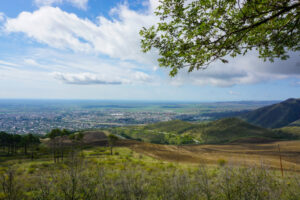
Quba sits in northeastern Azerbaijan, around 170 kilometers north of Baku and beneath the dramatic peaks of the Greater Caucasus.
The city is known for apple orchards, carpet weaving, red-roofed houses, traditional cuisine, and its unusual relationship with nearby mountain communities.
It also serves as the main gateway to Khinalig, one of the highest and oldest continuously inhabited villages in the Caucasus.
Quba feels greener, cooler, and quieter than Azerbaijan’s capital, making it especially attractive during the warmer months.
Most visits are peaceful, and serious crime against tourists is uncommon.
However, mountain roads, landslides, winter weather, earthquakes, political sensitivities, and inconsistent transport standards mean travelers should prepare more carefully than they would for a simple urban break.
Warnings & Dangers in Quba

OVERALL RISK: LOW
Quba is generally a low-risk destination for tourists. Crime levels are modest, visitors are commonly treated with hospitality, and the central area is comfortable during daylight and evening hours. The main concerns are road conditions, changing mountain weather, unofficial taxis, occasional theft, and poorly planned excursions to remote villages.

TRANSPORT & TAXIS RISK: MEDIUM
Transport is one of Quba’s more significant risks. Local buses may be crowded or poorly maintained, while mountain roads can be narrow, damaged, foggy, snowy, or affected by landslides. Use reputable taxis or experienced local drivers, check seatbelts, confirm prices in advance, and avoid remote road travel after dark.

PICKPOCKETS RISK: LOW
Pickpocketing is not widespread in Quba, but phones, wallets, and bags can be stolen in markets, transport areas, restaurants, or crowded events. Keep valuables in secure pockets and avoid displaying large amounts of cash. Do not leave luggage or electronics visible inside a parked vehicle.

NATURAL DISASTERS RISK: MEDIUM
Quba is located in a seismically active part of the Caucasus and can experience earthquakes. Mountain roads are also exposed to snow, ice, flooding, rockfall, and landslides. Recent road disruptions have affected routes toward Khinalig. Always check weather and road conditions before leaving the city for higher elevations.

MUGGING RISK: LOW
Mugging is uncommon in Quba, particularly in central tourist areas. Normal precautions are still worthwhile after dark. Avoid poorly lit streets, empty parks, isolated riverbanks, and confrontations with intoxicated people. Carry limited cash and use a taxi when returning to accommodation outside the center late at night.

TERRORISM RISK: MEDIUM
The direct terrorism risk in Quba is relatively low, but Azerbaijan currently faces broader national security concerns connected to regional conflict and international tensions. Travelers should avoid political gatherings, security facilities, and sensitive infrastructure. Remain aware of official warnings and postpone wider travel if the regional situation deteriorates.

SCAMS RISK: LOW
Scams are generally minor and may involve inflated taxi prices, unofficial guides, unfavorable currency exchange, or tours that do not match their descriptions. Confirm all prices before accepting a service, ask what is included, and use accommodation providers or established operators to arrange mountain excursions.

WOMEN TRAVELERS RISK: LOW
Quba is generally safe for women, including solo travelers. Local culture is conservative, especially outside the city and in mountain villages. Dressing modestly can reduce unwanted attention and show respect. Women should use trusted transportation, avoid isolated walks after dark, and choose well-reviewed accommodation in central areas.

TAP WATER RISK: MEDIUM
Travelers should not assume tap water is consistently suitable for drinking in every Quba property. Water quality and plumbing can vary, particularly in older buildings and rural guesthouses. Bottled or properly filtered water is the safest option. Check bottle seals and use treated water during remote mountain trips.
Safest Places to Visit in Quba
Central Quba
The city center is the safest and easiest part of Quba for most visitors.
It contains hotels, restaurants, shops, parks, banks, and transportation services.
Central streets are generally active during the day and early evening.
Keep normal control of valuables and use established crossings because drivers may not always yield predictably.
Nizami Park
Nizami Park is a peaceful place for a daytime walk, especially during spring and summer.
Its trees, paths, monuments, and proximity to central services make it suitable for families and solo travelers.
Visit during normal daylight hours and avoid quiet corners after the park becomes empty at night.
Qirmizi Qasaba
Across the river from Quba, Qirmizi Qasaba is known for its Mountain Jewish heritage, synagogues, and distinctive architecture.
It is generally safe and welcoming to respectful visitors.
Dress appropriately near religious sites, ask before photographing people, and avoid entering private buildings or community spaces without permission.
Afurja Waterfall
Afurja Waterfall is a popular regional excursion and can be visited safely with a reliable driver and suitable footwear.
Paths may become slippery after rain, and conditions vary by season.
Stay on established routes, avoid climbing wet rocks, and complete the visit before daylight begins to fade.
Khinalig With a Qualified Driver
Khinalig is Quba’s most famous excursion, but safety depends heavily on transportation and weather conditions.
The road climbs into remote mountain terrain and may be affected by fog, snow, rockfall, or landslides.
Visit with an experienced local driver, leave early, and postpone the journey when conditions are uncertain.
Places to Avoid in Quba
Quba does not have clearly defined dangerous neighborhoods.
The places travelers should avoid are determined mainly by isolation, road conditions, sensitive infrastructure, and mountain weather.
Remote Mountain Roads During Bad Weather
Do not attempt the road to Khinalig or other highland villages during heavy rain, snow, fog, or active landslide warnings.
Conditions can deteriorate quickly, and a road that looks manageable near Quba may become much more difficult at higher elevations.
Unmarked Trails and Open Mountain Land
Avoid wandering onto unfamiliar trails, steep slopes, abandoned tracks, or open mountain terrain without local guidance.
Navigation may be difficult, mobile service can be unreliable, and weather can change quickly.
Shepherd dogs can also be protective around livestock, so give herds and isolated farms plenty of space.
Government and Security Facilities
Do not photograph police, military personnel, government compounds, checkpoints, bridges, communications equipment, or other sensitive infrastructure.
Photography rules may be enforced more strictly than visitors expect.
Ask locally before using professional cameras or drones, especially outside recognized tourist areas.
Isolated Riverbanks After Dark
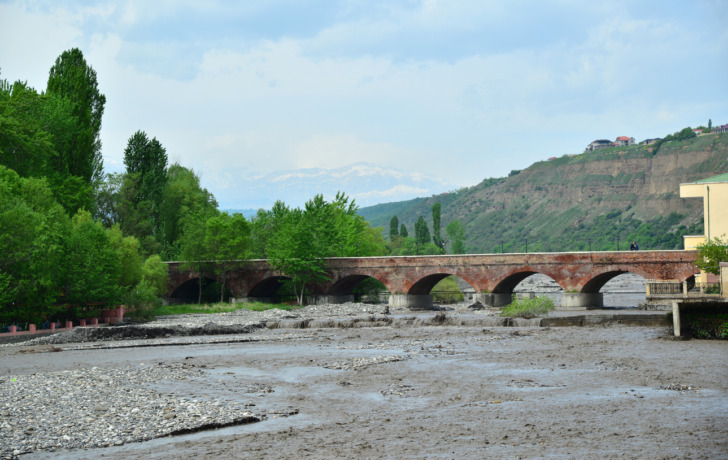
The river and surrounding green areas can be pleasant during daylight but become poorly lit and empty at night.
Avoid walking alone in isolated sections after dark.
Uneven ground, limited visibility, and lack of immediate assistance make these areas unnecessarily risky.
Informal Transport Stops
Unorganized taxi stands and roadside pickup points can expose visitors to overcharging, poorly maintained vehicles, and drivers without seatbelts.
Arrange transport through your accommodation or use a recognized service.
Never enter a vehicle if the driver appears intoxicated, aggressive, or dangerously impatient.
Safety Tips for Traveling to Quba
- Hire an experienced driver for Khinalig. The journey to Khinalig is one of Azerbaijan’s most memorable road trips, but it is not an ordinary city drive. The route passes through steep, remote mountain terrain where fog, snow, falling rocks, and landslides can affect conditions. Use a local driver who knows the road and checks conditions regularly.
- Check the forecast before every mountain excursion. Weather in Quba may be mild while conditions in higher villages are cold, windy, or snowy. Check forecasts for the exact destination rather than relying only on the city forecast. Postpone the trip if heavy rain, fog, snow, or severe wind is expected.
- Complete rural travel during daylight. Mountain and village roads may have limited lighting, sharp bends, animals, pedestrians, and damaged surfaces. Begin excursions early and return before dark. If delays make a nighttime return unavoidable, use an experienced driver rather than attempting the journey independently.
- Use marked taxis or trusted private drivers. Confirm the total fare before entering a taxi, particularly for regional journeys or waiting time. Ask whether the vehicle has working seatbelts. Hotels and guesthouses can usually recommend reliable drivers, which is safer than negotiating with someone who approaches you at a bus station.
- Carry cash without displaying it. Cards work at some hotels, restaurants, and shops, but cash remains useful in markets, small businesses, villages, and taxis. Carry Azerbaijani manats in smaller denominations and divide the money between secure locations. Avoid exchanging currency with strangers on the street.
- Dress respectfully in villages and religious sites. Quba itself is fairly relaxed, but surrounding communities may be more conservative. Wear modest clothing, ask before photographing residents, and behave respectfully around mosques, synagogues, cemeteries, and private homes. Cultural sensitivity prevents misunderstandings and produces much warmer interactions.
- Avoid political and regional arguments. Discussions involving Armenia, border conflicts, government policy, Russia, Iran, or domestic politics can be sensitive. Do not photograph demonstrations or join political conversations with strangers. Curiosity is fine, but forceful opinions are unnecessary and can attract the wrong kind of attention.
- Prepare for limited hiking infrastructure. Trails around Quba may lack the signs, barriers, shelters, and rescue coverage found in established European mountain resorts. Carry water, food, warm layers, a charged phone, and an offline map. Tell someone where you are going and do not hike alone on unfamiliar routes.
- Know basic earthquake safety. If strong shaking begins indoors, drop down, protect your head and neck, and stay away from windows. Do not use elevators. Outdoors, move away from buildings, walls, trees, and power lines. Afterward, follow local instructions and expect possible road or communication disruptions.
- Keep copies of important documents. Carry a copy of your passport and visa while storing the original securely when appropriate. Keep digital copies accessible offline, along with insurance details and accommodation information. Police may conduct document checks, especially during road travel, so having organized paperwork makes the process much easier.
So... How Safe Is Quba Really?
Quba is one of Azerbaijan’s calmer and more approachable regional destinations.
The city itself generally feels safe, with modest crime, active central streets, family-run accommodation, and a culture that places considerable value on hospitality.
Most tourists are unlikely to experience anything more serious than a taxi disagreement, language barrier, or travel delay.
The main risk comes from leaving the city.
Quba’s greatest attractions are scattered through mountain villages, waterfalls, valleys, and high-altitude landscapes.
Roads may be affected by snow, fog, rockfall, flooding, or landslides, and emergency assistance becomes less accessible in remote areas.
Using a local driver and avoiding bad-weather travel significantly reduces these risks.
Azerbaijan’s wider security environment also requires awareness.
Quba is far from the Armenian border and the southern frontier areas that receive the strongest warnings, but national tensions can still affect transportation, policing, and travel advice.
Visitors should avoid political gatherings and sensitive photography.
Overall, I consider Quba a low-risk destination with medium-risk excursions.
Central sightseeing is straightforward, while mountain travel demands planning.
Stay on established routes, check the weather, use reliable transportation, and respect local customs.
With those precautions, Quba is a safe and rewarding gateway to the northeastern Caucasus.
How Does Quba Compare?
| City | Safety Index |
|---|---|
| Quba |
86 |
| Shamakhi |
86 |
| Baku |
65 |
| Sheki |
88 |
| Ganja |
83 |
| Lankaran |
80 |
| Gabala |
87 |
 Marion Marion | 68 |
| Clarksville | 72 |
| Ellicott City | 86 |
| Portage | 87 |
| Gary | 52 |
| Hickory | 68 |
Useful Information

Visas
Visa requirements depend on nationality. Eligible travelers can apply through Azerbaijan’s official electronic visa system. A standard e-visa costs US$29, including the state and processing fees, and is normally issued within three working days. It permits a stay of up to 30 days and is valid for 90 days.

Currency
Quba uses the Azerbaijani manat. Cards are accepted at some hotels, supermarkets, and larger restaurants, but cash is important for taxis, markets, guesthouses, and mountain villages. Use bank ATMs or authorized exchange offices. U.S. dollars and euros should be exchanged rather than used directly for everyday purchases.

Weather
Quba has warm summers, cool transitional seasons, and cold winters, while nearby mountain villages can be much colder. Pack light clothing and sun protection in summer, plus a jacket for higher elevations. Winter visitors need insulated layers, waterproof footwear, gloves, and clothing suitable for snow and strong wind.

Airports
Heydar Aliyev International Airport in Baku is the main gateway for Quba. The road journey usually takes around two and a half to three hours, depending on traffic and weather. Private transfers, rental cars, buses, and shared transport are available. A prearranged driver is the easiest option for first-time visitors.

Travel Insurance
Travel insurance is strongly recommended, especially for mountain driving, hiking, and visits to remote villages. Coverage should include medical treatment, evacuation, road accidents, cancellations, lost belongings, and weather disruption. Confirm whether hiking at higher elevations and travel on mountain roads are included in the policy.
Quba Weather Averages (Temperatures)
Average High/Low Temperature
| Temperature / Month | Jan | Feb | Mar | Apr | May | Jun | Jul | Aug | Sep | Oct | Nov | Dec |
|---|---|---|---|---|---|---|---|---|---|---|---|---|
| High °C |
4 | 5 | 9 | 15 | 20 | 26 | 28 | 28 | 23 | 16 | 11 | 6 |
| Low °C |
-3 | -3 | 1 | 5 | 10 | 15 | 17 | 17 | 13 | 8 | 3 | 0 |
| High °F |
39 | 41 | 48 | 59 | 68 | 79 | 82 | 82 | 73 | 61 | 52 | 43 |
| Low °F |
27 | 27 | 34 | 41 | 50 | 59 | 63 | 63 | 55 | 46 | 37 | 32 |
Azerbaijan - Safety by City
| City | Safety Index |
|---|---|
| Baku | 65 |
| Gabala | 87 |
| Ganja | 83 |
| Lankaran | 80 |
| Quba | 86 |
| Shamakhi | 86 |
| Sheki | 88 |