 Azerbaijan : Safety by City
Azerbaijan - safety as a country
Sheki is one of Azerbaijan’s most atmospheric destinations, resting beneath the forested slopes of the Greater Caucasus Mountains in the country’s northwest.
Once an important Silk Road trading center, the city is known for ornate palaces, caravanserais, cobbled lanes, stained-glass shabaka windows, handicrafts, and a famously rich local cuisine.
Sheki’s historic center and the Palace of the Sheki Khans are recognized as a UNESCO World Heritage Site, giving travelers a rare chance to explore a city where merchant history and mountain culture still feel alive.
Compared with Baku, Sheki is quieter, greener, more traditional, and easier to navigate.
Local street crime is generally low, but Azerbaijan’s wider security environment, unpredictable driving, mountain weather, earthquakes, and restrictions near sensitive areas mean travelers should still plan carefully.
Warnings & Dangers in Sheki

OVERALL RISK: MEDIUM
Sheki itself is peaceful and generally safe for visitors, with little violent crime in the main tourist areas. However, Azerbaijan’s wider regional tensions, strict laws, road conditions, and limited emergency support outside major cities raise the overall rating. Stay on established routes, avoid border regions, and use reputable transportation.

TRANSPORT & TAXIS RISK: MEDIUM
Transportation is usually safe when arranged through a hotel, registered taxi service, or trusted driver. The greater risk comes from erratic driving, speeding, poorly lit roads, livestock, potholes, and sudden weather changes. Avoid rural and mountain driving after dark, and always wear a seat belt when one is available.

PICKPOCKETS RISK: LOW
Pickpocketing is uncommon in Sheki, but opportunistic theft can occur at markets, bus stations, festivals, and crowded attractions. Keep your phone and wallet in secure pockets, particularly while shopping or boarding transportation. Theft from unattended bags and unlocked hotel rooms is more realistic than organized pickpocketing.

NATURAL DISASTERS RISK: MEDIUM
Sheki is exposed to earthquakes, landslides, flooding, storms, heavy snow, and mountain road closures. Intense rain can affect hillsides and rural routes, while winter weather may make higher roads dangerous. Check local conditions before hiking or driving and avoid riverbanks and steep slopes during severe weather.

MUGGING RISK: LOW
Muggings are rare in central Sheki, particularly around the historic district and major attractions. Risk increases slightly on deserted streets, quiet roads, and poorly lit outskirts after dark. Avoid carrying large amounts of cash, keep expensive items discreet, and take a taxi if your accommodation is outside the center.

TERRORISM RISK: MEDIUM
The immediate terrorism risk in Sheki is not considered high, but Azerbaijan’s wider travel environment includes concerns related to terrorism, armed conflict, and regional instability. Avoid government facilities, military sites, demonstrations, and large tense gatherings. Remain alert at transportation hubs, major events, and religious locations.

SCAMS RISK: LOW
Serious tourist scams are uncommon in Sheki. Minor problems may include inflated taxi fares, unofficial guides, poor exchange rates, or unclear prices for tours and souvenirs. Confirm prices before accepting a service, use established booking providers, and avoid anyone claiming you need special paid permission to enter ordinary attractions.

WOMEN TRAVELERS RISK: LOW
Sheki is generally safe for women, including those traveling alone. The atmosphere is traditional but usually respectful and welcoming. Women should dress modestly when visiting religious sites, avoid isolated streets after dark, use trusted transportation at night, and apply normal caution around unwanted attention or alcohol-heavy social situations.

TAP WATER RISK: MEDIUM
Tap water quality can vary depending on the building, neighborhood, pipes, and storage system. Many locals drink it, but short-term visitors may prefer sealed bottled or filtered water. This is especially sensible for travelers with sensitive stomachs. Check with your accommodation before drinking directly from the tap.
Safest Places to Visit in Sheki
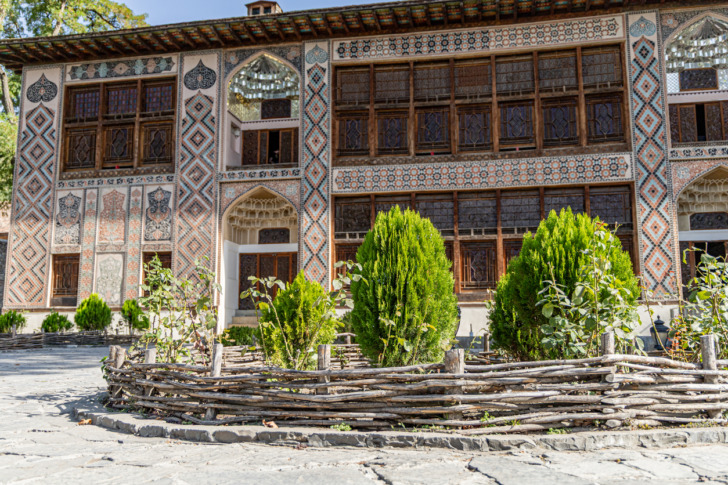
Palace of the Sheki Khans
The Palace of the Sheki Khans is the city’s most famous attraction and one of its safest places to visit.
The palace sits within the historic fortress area and is surrounded by managed grounds, museums, trees, and regular visitor activity.
Its painted interiors and colorful shabaka windows are extraordinary, but photography restrictions may apply inside.
The surrounding paths are generally easy to explore, although stone surfaces can become slippery after rain.
Visit during official hours, follow staff instructions, and avoid touching decorated walls or fragile wooden features.
Sheki Historic Center
The historic upper town, sometimes known as Yukhari Bash, contains traditional houses, workshops, mosques, museums, guesthouses, and winding streets.
It is comfortable to explore during daylight and early evening.
The main safety issue is uneven footing rather than crime.
Some lanes are steep, cobbled, or poorly lit, so comfortable shoes are important.
Travelers should also remember that many historic-looking buildings are private homes, not public attractions.
Sheki Caravanserai
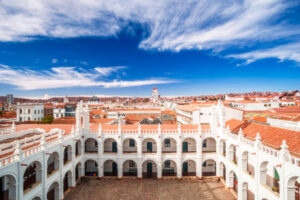
Sheki’s caravanserai reflects the city’s past as a Silk Road trading center.
Part of the complex operates as accommodation and receives regular visitors, making it one of the more controlled and comfortable places in town.
The courtyards, arches, and stone passageways are particularly atmospheric.
Walk carefully on old stairs, respect private guest areas, and ask before photographing staff or residents.
Kish Village and Church
Kish is a small mountain village near Sheki, known for its ancient church and peaceful rural setting.
It is a popular daytime excursion and generally safe when reached by taxi, guide, or private vehicle.
Village roads may be narrow, steep, or uneven, particularly after rain or snow.
Visit during daylight, wear suitable footwear, and avoid wandering onto private land or into isolated mountain areas without local guidance.
Central Market and Shopping Streets
Sheki’s central market offers sweets, spices, produce, handicrafts, textiles, and everyday local life.
It is safe during normal business hours and provides a more authentic experience than souvenir-only shops.
Keep your wallet secure, carry smaller banknotes, and confirm prices before buying.
Photography should be handled politely, especially when people, food stalls, or private businesses are involved.
Places to Avoid in Sheki
Roads Toward Restricted Border Regions
Sheki is not directly beside Armenia’s most sensitive border areas, but travelers should not use it as a starting point for unplanned exploration toward restricted zones.
Some parts of Azerbaijan remain affected by landmines, military controls, damaged infrastructure, and sudden road closures.
Stay on established tourist routes and never enter fenced, marked, or abandoned areas.
Military and Government Facilities
Do not photograph or linger near military bases, checkpoints, government compounds, police operations, communications infrastructure, or secured public buildings.
Activities that appear harmless to a tourist may attract serious attention from authorities.
Follow all signs and instructions immediately, and keep identification accessible when traveling outside central Sheki.
Remote Mountain Roads After Dark
Roads around Sheki can be scenic, but they may also be narrow, poorly lit, and vulnerable to fog, snow, landslides, animals, or falling rocks.
Mobile coverage and emergency assistance can be limited in rural valleys.
Avoid driving unfamiliar mountain routes at night.
Use an experienced local driver when visiting remote villages or natural areas.
Riverbanks During Heavy Rain
Mountain rainfall can increase water levels quickly and weaken riverbanks.
Avoid rivers, drainage channels, bridges, and steep slopes during severe storms or immediately after extended rain.
Floodwater may hide damaged roads, holes, or strong currents.
Never drive through water when its depth or road condition is unclear.
Isolated Outskirts Late at Night
Sheki does not have recognized tourist no-go neighborhoods, but industrial zones, empty residential streets, construction sites, and poorly lit outskirts offer little value for visitors.
Loose dogs, traffic, uneven roads, and limited assistance are more likely concerns than organized crime.
Remain near central accommodation, active restaurants, and well-used streets after dark.
Safety Tips for Traveling to Sheki
- Arrange reliable transportation. Use taxis recommended by your hotel, established services, or trusted local drivers. Agree on the fare before departure when no meter or app price is available. For trips to Kish, mountain villages, or regional attractions, choose a driver familiar with local roads rather than accepting a random offer.
- Avoid driving at night. Road travel is one of the most significant practical risks in Azerbaijan. Outside Sheki, roads may have poor lighting, unmarked hazards, livestock, pedestrians, potholes, and drivers overtaking at unsafe moments. Plan regional trips so you return before dark, especially during rain, fog, or winter weather.
- Do not photograph sensitive locations. Avoid photographing military personnel, police, checkpoints, airports, government offices, railway infrastructure, communications facilities, or border areas. Ask before photographing local people or religious ceremonies. If anyone in authority tells you to stop, put the camera away immediately without arguing.
- Wear shoes suitable for old streets. Sheki’s historic areas contain slopes, cobblestones, stone stairs, and uneven pavement. Rain, snow, or ice can make them slippery. Comfortable shoes with good grip are more useful than formal footwear, especially when walking between the palace, caravanserai, museums, and hillside neighborhoods.
- Prepare for changing mountain weather. The weather in Sheki can be cooler, wetter, and less predictable than in Baku. Carry a light waterproof jacket, warmer layer, and umbrella during spring and autumn. Winter visitors should prepare for snow and ice, while summer travelers need water, sunscreen, and protection from afternoon heat.
- Keep identification available. Foreign travelers may occasionally be asked to show identification by authorities. Carry your passport when legally required, or follow your accommodation’s advice about carrying a copy while securing the original. Keep digital and paper copies of your passport, visa, insurance, and emergency contacts in separate places.
- Avoid political discussions and demonstrations. Regional borders, military conflict, domestic politics, and relations with neighboring countries are sensitive topics. Avoid debates with strangers and stay away from demonstrations or tense public gatherings. Do not photograph police responses, military convoys, or political events, even when they appear peaceful.
- Use bottled or filtered water when uncertain. Ask your hotel or guesthouse whether its tap water is recommended for visitors. When uncertain, use sealed bottled or properly filtered water. Check that bottle caps are intact, and be cautious with untreated water in rural accommodation, roadside restaurants, and mountain picnic areas.
- Share hiking and rural travel plans. If visiting forests, mountain villages, waterfalls, or remote countryside, tell someone where you are going and when you expect to return. Download offline maps, carry water, keep your phone charged, and do not rely entirely on mobile reception. Avoid unofficial trails during fog or bad weather.
- Purchase comprehensive travel insurance. Choose insurance covering medical care, evacuation, theft, cancellations, road accidents, and weather disruption. Medical facilities in Sheki may be adequate for minor issues, but serious treatment could require transfer to a larger city. Confirm that hiking, regional road travel, and any outdoor activities are covered.
So... How Safe Is Sheki Really?
Sheki is safer than Azerbaijan’s overall international travel warning might initially suggest.
The city itself is peaceful, traditional, and heavily focused on culture rather than nightlife or mass tourism.
Violent crime involving foreign visitors is uncommon, and most travelers explore the palace, historic center, caravanserai, markets, and surrounding villages without serious problems.
The main distinction is between local city safety and Azerbaijan’s wider national risk.
Sheki is far from the most sensitive areas along the Armenian border and the territories affected by landmines.
However, regional tensions can still influence travel rules, security procedures, political sensitivity, and official advisories throughout the country.
Inside Sheki, transportation is a more realistic danger than crime.
Driving standards can be unpredictable, rural roads may be poorly lit, and mountain weather can create fog, snow, rockfall, or landslide conditions.
Pedestrians should also remain alert because drivers may not consistently yield.
Natural hazards deserve attention.
Azerbaijan is earthquake-prone, while the hills around Sheki can experience flooding and landslides after heavy rain.
Visitors exploring beyond the city should check conditions rather than assuming every scenic road remains open.
My honest assessment is that central Sheki has a low local risk, but the overall destination deserves a medium rating because of regional security concerns and road hazards.
Travelers who remain on established routes, respect local laws, avoid restricted areas, and use trusted transportation should find Sheki welcoming, fascinating, and comfortable.
How Does Sheki Compare?
| City | Safety Index |
|---|---|
| Sheki |
88 |
| Ganja |
83 |
| Gabala |
87 |
| Quba |
86 |
| Lankaran |
80 |
| Shamakhi |
86 |
| Baku |
65 |
 Rotorua Rotorua | 82 |
 Mangalore Mangalore | 75 |
 Midway Midway | 86 |
| Las Cruces | 46 |
| Portland | 65 |
| Livermore | 87 |
Useful Information

Visas
Eligible travelers can apply for Azerbaijan’s ASAN electronic visa. The standard e-visa costs $20 plus a $9 processing fee, permits a stay of up to 30 days, and remains valid for entry during a 90-day period. Standard applications are generally processed within three working days. Other nationalities may require a consular visa.

Currency
Azerbaijan uses the manat. Cards are accepted at many hotels, larger restaurants, supermarkets, and attractions, but cash is useful for markets, taxis, village shops, and small guesthouses. Exchange money through banks or official offices, carry smaller notes, and avoid informal street currency exchanges.

Weather
Sheki has warm summers, cold winters, and more rainfall than many parts of Azerbaijan. Spring and autumn can be wet, while winter may bring snow and icy roads. Pack layers, waterproof clothing, and walking shoes with good grip. Summer visitors should bring sunscreen, a hat, and drinking water.

Airports
Sheki has no major airport with dependable international service. Gabala and Zaqatala airports are relatively close but may have limited flights. Ganja provides additional connections, while Baku has the country’s main international airport. The drive from Baku to Sheki generally takes around four to five hours.

Travel Insurance
Travel insurance is strongly recommended for Sheki and wider Azerbaijan. Choose coverage for medical treatment, emergency transportation, theft, trip cancellation, road accidents, and weather disruption. Travelers visiting mountains or rural districts should confirm that hiking, remote travel, and evacuation from areas outside Baku are included.
Sheki Weather Averages (Temperatures)
Average High/Low Temperature
| Temperature / Month | Jan | Feb | Mar | Apr | May | Jun | Jul | Aug | Sep | Oct | Nov | Dec |
|---|---|---|---|---|---|---|---|---|---|---|---|---|
| High °C |
5 | 7 | 12 | 18 | 24 | 28 | 30 | 30 | 23 | 16 | 10 | 6 |
| Low °C |
-2 | -1 | 3 | 8 | 13 | 17 | 18 | 18 | 13 | 8 | 2 | -2 |
| High °F |
41 | 45 | 54 | 64 | 75 | 82 | 86 | 86 | 73 | 61 | 50 | 43 |
| Low °F |
28 | 30 | 37 | 46 | 55 | 63 | 64 | 64 | 55 | 46 | 36 | 28 |
Azerbaijan - Safety by City
| City | Safety Index |
|---|---|
| Baku | 65 |
| Gabala | 87 |
| Ganja | 83 |
| Lankaran | 80 |
| Quba | 86 |
| Shamakhi | 86 |
| Sheki | 88 |