 Azerbaijan : Safety by City
Azerbaijan - safety as a country
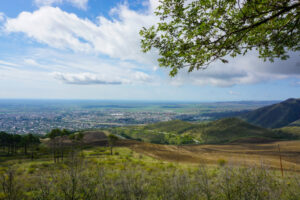
Shamakhi is one of Azerbaijan’s oldest and most historically important cities, located about 120 kilometers west of Baku at the edge of the Greater Caucasus foothills.
Once a capital of the Shirvanshah state and an important stop on Silk Road trading routes, the city has survived invasions, fires, and powerful earthquakes.
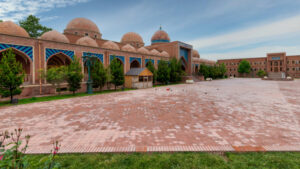
Today, travelers come for the grand Juma Mosque, the Yeddi Gumbaz mausoleums, nearby vineyards, mountain scenery, and the observatory at Pirqulu.
Shamakhi feels calmer and more traditional than Baku, with fewer tourists and a slower pace.
Everyday crime is relatively low, but Azerbaijan’s broader security environment, earthquake exposure, mountain roads, and limited emergency services outside the center raise the destination’s overall risk level.
Warnings & Dangers in Shamakhi

OVERALL RISK: MEDIUM
Shamakhi itself is generally calm and has relatively little tourist-targeted crime. However, Azerbaijan’s broader security situation, terrorism concerns, regional military tensions, earthquakes, road hazards, and limited rural medical support justify a medium rating. Visitors should remain on established routes, use reliable transportation, and avoid sensitive border or former conflict areas.

TRANSPORT & TAXIS RISK: MEDIUM
Taxis and private drivers are widely used, but vehicle quality, driving habits, and pricing can vary. Rural and mountain roads may be poorly lit, damaged, foggy, or icy during winter. Arrange transportation through a hotel or trusted operator, agree on the price in advance, and avoid driving outside the city after dark.

PICKPOCKETS RISK: LOW
Pickpocketing is uncommon in Shamakhi because the city has fewer crowds than Baku. Minor theft can still occur around markets, bus stops, festivals, religious sites, and busy commercial streets. Keep wallets and phones secure, avoid displaying expensive equipment, and do not leave bags unattended in restaurants or parked vehicles.

NATURAL DISASTERS RISK: MEDIUM
Shamakhi has a long history of destructive earthquakes and remains in a seismically active region. Heavy rain, snow, landslides, fog, and summer heat can also affect surrounding roads and mountain areas. Major disasters are not frequent, but travelers should know basic earthquake procedures and monitor weather before rural excursions.

MUGGING RISK: LOW
Muggings are rare in central Shamakhi, especially around established hotels, religious landmarks, and busy streets. Risk rises in poorly lit areas, empty roads, and isolated viewpoints after dark. Carry limited cash, avoid displaying jewelry, and arrange transportation instead of walking through unfamiliar outer districts late at night.

TERRORISM RISK: MEDIUM
Shamakhi is not considered a primary terrorist target, but Azerbaijan currently faces a broader terrorism threat. Possible targets may include transportation facilities, government buildings, religious sites, hotels, markets, and public events. Remain aware in crowded places, avoid security operations, and follow instructions from local authorities without delay.

SCAMS RISK: LOW
Organized tourist scams are uncommon in Shamakhi. The most likely issues are inflated taxi fares, unofficial guides, misleading accommodation listings, or unclear tour prices. Confirm costs before accepting services, book through established businesses, and use bank-operated ATMs or authorized exchange offices rather than informal street dealers.

WOMEN TRAVELERS RISK: LOW
Shamakhi is generally safe for women travelers, including those visiting alone. The city is more conservative than central Baku, so modest clothing is sensible, especially at mosques and rural attractions. Solo travelers should avoid isolated roads after dark, use trusted drivers, watch drinks, and share day-trip plans with someone reliable.

TAP WATER RISK: MEDIUM
Tap water quality can vary between buildings, neighborhoods, and rural accommodations. Visitors are usually better off drinking sealed bottled or properly filtered water. Check bottle caps before drinking and ask your hotel about its water supply. Travelers with sensitive stomachs may also prefer bottled water when brushing their teeth.
Safest Places to Visit in Shamakhi
Juma Mosque
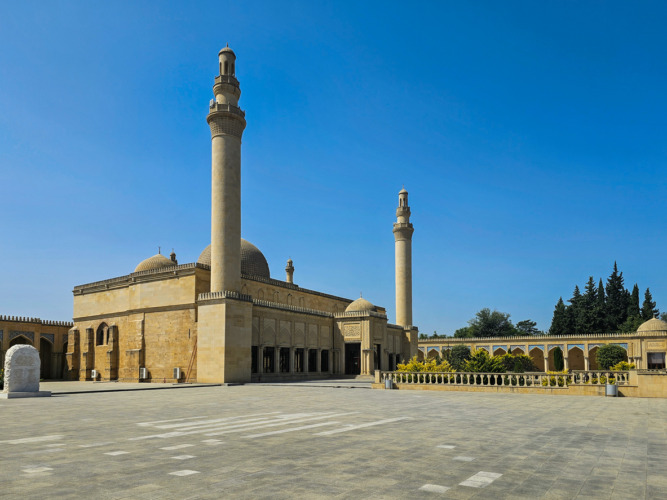
Shamakhi’s Juma Mosque is one of the city’s most important landmarks and one of the safest places to visit.
The first mosque on the site was built in 743, making it among the oldest Islamic places of worship in the Caucasus.
The present structure has been extensively rebuilt following earthquakes and conflict.
The mosque is active, well-maintained, and centrally located.
Dress modestly, remove shoes when required, and avoid interrupting prayers.
Women may be asked to cover their hair or use a designated section.
Yeddi Gumbaz
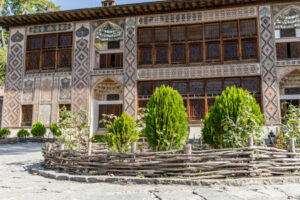
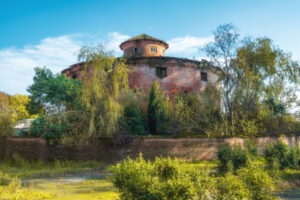
Yeddi Gumbaz, meaning Seven Domes, contains the mausoleums of members of Shamakhi’s former ruling family.
The site sits just outside the busiest central streets and is generally peaceful during daylight.
Some structures are damaged, so avoid climbing on walls or entering unstable sections.
Pirqulu and the Observatory
The mountain village of Pirqulu and the nearby Shamakhi Astrophysical Observatory are popular escapes from the city.
Cooler air, forests, and dark skies make the area especially appealing in summer.
Visit with a reliable driver, confirm access before leaving, and return before mountain roads become dark or foggy.
Shamakhi Safari Park
The safari park outside the city offers an organized way to see local wildlife and open landscapes.
Visiting through an established tour or with authorized staff is safer than attempting independent rural exploration.
Follow vehicle rules and never approach, feed, or disturb animals.
Central Shamakhi
The city center, main parks, restaurants, hotels, and commercial streets are generally comfortable during daylight and early evening.
Visitors can explore without excessive concern, although phones, cameras, and wallets should still be handled discreetly.
Places to Avoid in Shamakhi
There Are No Major Tourist No-Go Neighborhoods
Shamakhi does not have a recognized dangerous neighborhood that tourists must completely avoid.
Most central areas are calm, and serious street crime is uncommon.
The greater risks come from isolated roads, sensitive locations, poor weather, and unplanned regional travel.
Remote Mountain Roads After Dark
Avoid driving toward Pirqulu, mountain villages, vineyards, or isolated viewpoints after sunset.
Roads may have limited lighting, potholes, sharp bends, livestock, fog, and vehicles traveling without adequate lights.
Phone reception and roadside assistance can also become unreliable outside the city.
Armenia Border and Former Conflict Areas
Shamakhi is not beside the Armenian border, but travelers should not turn a visit into an unplanned road trip toward western border districts or former conflict territories.
Some areas contain landmines, unexploded weapons, military checkpoints, and restricted roads.
Stay well away from closed or sensitive zones.
Military and Government Installations
Do not photograph military bases, checkpoints, police facilities, government compounds, communications equipment, or security personnel.
What appears to be an ordinary building or roadside installation may be considered sensitive.
Drones should not be used without clear authorization.
Abandoned Buildings and Unmarked Rural Land
Shamakhi’s earthquake history has left ruins and damaged structures in parts of the wider region.
Avoid entering unstable buildings, caves, unfinished construction, empty fields, or unmarked tracks.
Falling masonry, hidden holes, snakes, and delayed emergency assistance are more realistic dangers than crime in these locations.
Markets and Bus Areas Late at Night
Central markets and transport stops are generally manageable during business hours but become less comfortable after shops close.
Travelers carrying luggage or checking phones may attract unofficial drivers and opportunistic thieves.
Arrange a pickup rather than waiting alone late at night.
Safety Tips for Traveling to Shamakhi
- Use a trusted driver for trips outside the center. A reliable driver is particularly valuable for Pirqulu, vineyards, observatories, mountain villages, and other rural attractions. Ask your hotel or tour company to arrange transportation. Confirm the total price, waiting time, and return arrangements before departure.
- Avoid driving after dark. Roads outside Shamakhi may have poor lighting, potholes, livestock, pedestrians, unexpected construction, and drivers overtaking on bends. Fog and ice can make mountain routes more difficult. Complete longer journeys during daylight and allow extra time for delays.
- Stay away from sensitive border regions. Do not improvise road trips toward Azerbaijan’s border with Armenia or former conflict areas. Some districts contain landmines and unexploded ordnance. Remain on recognized tourist routes and obey every checkpoint, barrier, and road-closure instruction.
- Know what to do during an earthquake. Shamakhi has experienced powerful earthquakes throughout its history. If shaking begins indoors, drop to the ground, cover your head and neck, and hold onto sturdy protection. Stay away from windows. Once the shaking stops, leave damaged buildings carefully and prepare for aftershocks.
- Dress respectfully at religious sites. Shamakhi’s mosques and mausoleums are active religious places rather than simple photo attractions. Cover shoulders and knees, remove shoes when instructed, and keep voices low. Ask before photographing worshippers, ceremonies, or interiors during prayer times.
- Drink bottled or filtered water. Use sealed bottled water for drinking, particularly in rural guesthouses or after water-service interruptions. Avoid ice when its source is uncertain, and choose freshly cooked food served hot. Carry extra water during summer drives and outdoor excursions.
- Keep cash and electronics discreet. Cards may not be accepted by every taxi, café, guesthouse, or rural business, so carrying Azerbaijani manats is useful. Keep only the day’s cash accessible and store backup money separately. Avoid holding phones near open vehicle windows or displaying expensive cameras unnecessarily.
- Prepare for sudden mountain weather. Conditions around Pirqulu can be considerably cooler than central Shamakhi. Carry layers, rain protection, and suitable shoes even when the city feels warm. In winter, check for snow, fog, and ice before traveling into higher terrain.
- Do not photograph security infrastructure. Avoid photographing police, military personnel, checkpoints, government buildings, airports, bridges, and communications facilities. If an official asks you to stop taking pictures, comply immediately. Leave drones at home unless you have confirmed all current import and flight permissions.
- Carry emergency details offline. Save your hotel address, driver’s number, insurance information, passport copy, and emergency contacts on paper as well as on your phone. Tell someone before taking a rural trip and provide an expected return time. Mobile service may weaken in mountain areas.
So... How Safe Is Shamakhi Really?
Shamakhi is generally safe at the city level.
Violent crime against tourists is uncommon, crowds are limited, and the central sightseeing areas have a calm, traditional atmosphere.
Most visitors are more likely to encounter a communication problem, an overpriced taxi, poor road conditions, or sudden weather than a serious criminal incident.
The medium overall rating comes largely from factors beyond ordinary street crime.
Azerbaijan’s wider security environment remains sensitive, with terrorism warnings, a closed border with Armenia, restricted military areas, and landmine risks in former conflict territories.
Shamakhi is far from the most dangerous districts, but visitors should plan regional travel carefully and avoid spontaneous detours.
Earthquakes also deserve attention.
Shamakhi has repeatedly been damaged by major seismic events, and much of its historic architecture has been reconstructed.
Travelers do not need to live in fear of an earthquake, but knowing basic procedures is sensible.
Road conditions are another practical concern.
Trips into the mountains can involve fog, ice, limited lighting, and weak roadside assistance.
Using an experienced driver greatly reduces these risks.
My overall assessment is medium risk, although the everyday experience in central Shamakhi is usually low-risk.
Visitors who stay on established routes, use reliable transportation, respect religious customs, and avoid politically sensitive regions should be able to explore the city comfortably.
How Does Shamakhi Compare?
| City | Safety Index |
|---|---|
| Shamakhi |
86 |
| Quba |
86 |
| Lankaran |
80 |
| Sheki |
88 |
| Ganja |
83 |
| Gabala |
87 |
| Baku |
65 |
 Paro Paro | 90 |
 Nicosia Nicosia | 71 |
 Surat Surat | 80 |
 San Jose San Jose | 58 |
| Rapid City | 57 |
| North Carolina | 64 |
Useful Information

Visas
Eligible travelers can use Azerbaijan’s ASAN electronic visa system. A standard single-entry e-visa costs US$29, is normally processed within three working days, and permits a stay of up to 30 days within its 90-day validity period. Travelers staying more than 15 days must normally complete local registration, often through their accommodation.

Currency
Shamakhi uses the Azerbaijani manat. The official exchange rate is maintained at roughly 1.70 manats to US$1. Cards work at larger hotels, restaurants, and supermarkets, but cash is useful for taxis, markets, and rural businesses. Use bank ATMs and authorized exchange offices rather than informal money changers.

Weather
Shamakhi has hot, relatively dry summers and cold winters, with cooler conditions in nearby mountain areas. Summer temperatures can rise above 30°C, while winter brings frost, snow, and icy roads. Pack sunscreen and light clothing in summer. Winter visitors need warm layers, waterproof footwear, gloves, and a proper coat.

Airports
Heydar Aliyev International Airport in Baku is the main international gateway, approximately two hours from Shamakhi by road under normal conditions. There is no major commercial airport in Shamakhi. Private transfers, rental cars, intercity buses, and organized tours connect the city with Baku.

Travel Insurance
Comprehensive travel insurance is strongly recommended. Choose coverage for medical treatment, emergency evacuation, road accidents, trip cancellation, baggage theft, and regional security disruption. Confirm whether earthquakes, terrorism, conflict-related events, mountain activities, or travel near restricted regions are excluded from the policy.
Shamakhi Weather Averages (Temperatures)
Average High/Low Temperature
| Temperature / Month | Jan | Feb | Mar | Apr | May | Jun | Jul | Aug | Sep | Oct | Nov | Dec |
|---|---|---|---|---|---|---|---|---|---|---|---|---|
| High °C |
4 | 4 | 10 | 15 | 18 | 25 | 25 | 27 | 20 | 14 | 8 | 3 |
| Low °C |
-7 | -5 | 0 | 3 | 8 | 17 | 15 | 19 | 11 | 6 | 2 | -3 |
| High °F |
39 | 39 | 50 | 59 | 64 | 77 | 77 | 81 | 68 | 57 | 46 | 37 |
| Low °F |
19 | 23 | 32 | 37 | 46 | 63 | 59 | 66 | 52 | 43 | 36 | 27 |
Azerbaijan - Safety by City
| City | Safety Index |
|---|---|
| Baku | 65 |
| Gabala | 87 |
| Ganja | 83 |
| Lankaran | 80 |
| Quba | 86 |
| Shamakhi | 86 |
| Sheki | 88 |