


 Azerbaijan : Safety by City
Azerbaijan - safety as a country
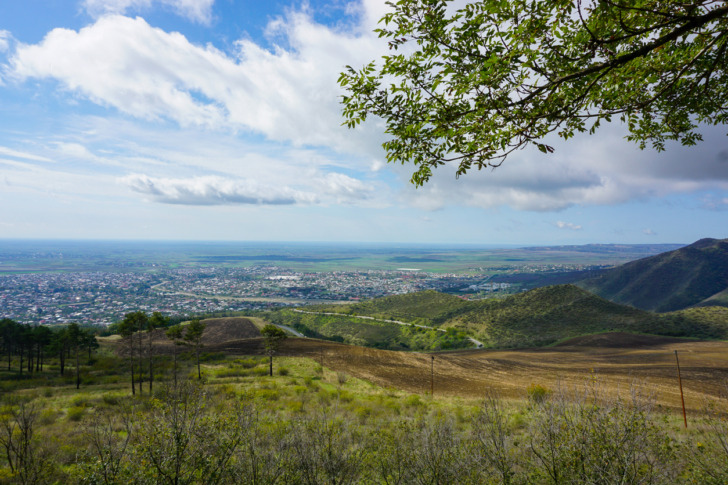
Gabala, also written as Qabala, sits at the foot of the Greater Caucasus Mountains in northern Azerbaijan, roughly 220 kilometers west of Baku.
Once the capital of ancient Caucasian Albania, the region now attracts travelers with forested slopes, waterfalls, lakes, archaeological sites, cable cars, ski facilities, and polished mountain resorts.
It feels greener and more relaxed than Baku, with cool mountain air replacing the capital’s dry Caspian landscape.
Gabala is also one of Azerbaijan’s leading domestic vacation destinations, so it has better tourism infrastructure than many towns of a similar size.
Locally, it is generally peaceful and comfortable for visitors.
However, Azerbaijan’s wider security environment, unpredictable driving, mountain weather, earthquakes, and strict rules around photography mean travelers should still plan carefully.
Warnings & Dangers in Gabala

OVERALL RISK: MEDIUM
Gabala itself has a low local crime risk, but Azerbaijan’s wider security situation raises the overall rating to medium. Current concerns include regional conflict, terrorism warnings, landmines in specific southwestern districts, and possible transportation disruption. Gabala remains outside the main restricted zones, but travelers should monitor conditions and stay on established routes.

TRANSPORT & TAXIS RISK: MEDIUM
Taxis and hotel-arranged drivers are generally safe, but road conditions and driving behavior require attention. Speeding, risky overtaking, poor lighting, livestock, potholes, fog, and winter ice can affect regional roads. Avoid driving through unfamiliar mountain areas after dark and always wear a seat belt when one is available.

PICKPOCKETS RISK: LOW
Pickpocketing is uncommon in Gabala, though opportunistic theft can occur at markets, festivals, amusement areas, cable-car stations, and crowded attractions. Keep your phone and wallet in secured pockets, and do not leave bags unattended in cafes or recreation areas. Theft from visible luggage inside parked cars is a more realistic concern.

NATURAL DISASTERS RISK: MEDIUM
Gabala is exposed to earthquakes, landslides, flooding, heavy rain, snow, rockfall, and sudden mountain weather. Conditions vary dramatically between the lower city and higher Caucasus slopes. Travelers should check forecasts, avoid riverbanks during storms, obey trail closures, and never underestimate snow or fog on elevated roads.

MUGGING RISK: LOW
Muggings are rare in central Gabala and around established tourist attractions. The risk increases slightly in poorly lit outskirts, empty parking areas, and isolated roads after dark. Avoid displaying large amounts of cash or expensive jewelry, and use trusted transportation rather than walking long distances through unfamiliar areas at night.

TERRORISM RISK: MEDIUM
Gabala is not a major terrorism hotspot, but Azerbaijan currently faces an elevated national security environment. Potential targets could include transportation centers, hotels, public events, government buildings, places of worship, and busy tourist locations. Remain aware in crowded areas, avoid demonstrations, and follow local security instructions immediately.

SCAMS RISK: LOW
Serious tourist scams are uncommon. Minor problems may include inflated taxi fares, unofficial tour offers, unclear activity prices, or poor currency exchange rates. Confirm costs before accepting transportation or excursions, use recognized ticket offices, and avoid anyone claiming you must pay unofficial fees to access ordinary attractions.

WOMEN TRAVELERS RISK: LOW
Gabala is generally safe for women, including solo travelers. The atmosphere is traditional but tourism-friendly, particularly around resorts and central attractions. Women should still avoid isolated mountain trails alone, use trusted transportation after dark, dress modestly in villages and religious sites, and apply normal caution around unwanted attention.

TAP WATER RISK: MEDIUM
Tap water quality may vary between hotels, homes, villages, and buildings with private storage systems. Some locals drink it, but short-term visitors may prefer sealed bottled or properly filtered water. Ask your accommodation about its supply, particularly after storms or service interruptions, and avoid untreated mountain stream water.
Safest Places to Visit in Gabala
Tufandag Mountain Resort
Tufandag is one of Gabala’s most organized and visitor-friendly attractions.
Its cable cars, ski facilities, restaurants, rental shops, and managed viewing areas make it relatively safe for families and first-time mountain visitors.
Conditions become more demanding in winter, so follow resort signs, remain on open slopes, and never enter closed or off-piste terrain casually.
Nohur Lake
Nohur Lake is a peaceful destination surrounded by wooded hills.
Its established restaurants, boat rentals, and popular shoreline areas are comfortable during daylight.
Use life jackets on boats, supervise children, and avoid entering the water without local confirmation that swimming is allowed and safe.
Gabala City Center
Central Gabala contains hotels, cafes, restaurants, shops, parks, and useful transportation services.
It is generally calm during the day and early evening.
Travelers can walk comfortably around active streets, although drivers may not consistently yield to pedestrians.
Use proper crossings and remain alert near busy roads.
Yeddi Gozel Waterfall
Yeddi Gozel, meaning Seven Beauties, is one of the region’s best-known natural attractions.
It is safest in dry weather when the stairs and pathways are stable.
Wear shoes with strong grip, avoid slippery edges, and do not climb beyond maintained visitor areas in search of better photographs.
Chukhur Gabala
The archaeological area of Chukhur Gabala preserves traces of the ancient city that once served as the capital of Caucasian Albania.
It is a quiet and rewarding daytime visit.
Use a guide if possible, remain within marked areas, and avoid climbing unstable ruins or wandering into nearby fields without permission.
Places to Avoid in Gabala
Remote Mountain Roads After Dark
Roads leading toward high villages, forest areas, and mountain attractions can become difficult after sunset.
Fog, rain, snow, livestock, falling rocks, and poor lighting make driving more dangerous.
Even experienced drivers should avoid unnecessary nighttime travel outside the main town.
Closed Tufandag Slopes
Do not cross ropes, barriers, or signs marking closed ski runs or mountain sections.
Closures may result from avalanche danger, poor visibility, equipment operations, ice, or insufficient snow coverage.
Off-piste terrain should only be entered with qualified guidance, proper equipment, and current avalanche information.
Riverbanks During Heavy Rain
Gabala’s mountain rivers can rise rapidly after intense rain or snowmelt.
Avoid low bridges, unstable banks, drainage channels, and improvised crossings during bad weather.
Water may conceal damaged roads or powerful currents, while saturated hillsides may become vulnerable to mudslides and falling rocks.
Industrial and Residential Outskirts
Gabala does not have recognized tourist no-go neighborhoods.
However, distant residential streets, construction areas, industrial sites, and poorly lit outskirts offer little for visitors.
The concerns are isolation, traffic, loose dogs, and limited assistance rather than organized criminal activity.
Military and Government Facilities
Avoid photographing or lingering near military locations, police operations, government compounds, communications facilities, checkpoints, and airport security areas.
Azerbaijan applies strict rules around sensitive infrastructure.
If an official asks you to stop taking photographs or present identification, cooperate calmly and immediately.
Safety Tips for Traveling to Gabala
- Use a trusted driver. A reliable driver is especially valuable when traveling from Baku or visiting attractions outside central Gabala. Book transportation through your hotel, an established company, or a recognized ride service. Confirm the fare and destination before departure. For mountain villages or winter trips, choose someone experienced with local roads and weather.
- Avoid regional road travel after dark. The highway from Baku is generally manageable, but smaller roads may be poorly lit and affected by potholes, livestock, pedestrians, fog, or aggressive overtaking. Plan excursions so you return before sunset. If conditions deteriorate, staying overnight is safer than forcing a long drive.
- Check mountain weather every morning. Weather in the Greater Caucasus can change quickly. Conditions in Gabala city may be mild while Tufandag or nearby villages experience snow, fog, wind, or freezing temperatures. Check forecasts and attraction notices before leaving. Carry layers and be willing to change plans when visibility or road conditions worsen.
- Stay on marked routes. Whether hiking, skiing, visiting waterfalls, or exploring forest areas, remain on marked paths. Shortcuts can lead to steep slopes, private property, unstable ground, or areas without mobile coverage. If a route is closed, assume there is a genuine safety reason rather than treating the sign as a polite suggestion.
- Be careful with photography. Gabala’s landscapes are extremely photogenic, but not every building or road can be photographed freely. Avoid military facilities, checkpoints, police, airports, government buildings, and communications infrastructure. Ask permission before photographing villagers, religious ceremonies, private homes, or people working in markets.
- Carry cash carefully. Cards are accepted at many hotels, resorts, restaurants, and larger businesses, but smaller shops, taxis, markets, and village establishments may prefer cash. Carry enough manat for the day without displaying a large amount. Keep backup money and an extra bank card separate from your main wallet.
- Prepare for outdoor conditions. Wear shoes with grip, carry water, and pack a waterproof jacket even when the day begins clearly. Winter visitors need warm layers, gloves, and suitable footwear. Summer travelers should use sunscreen and avoid strenuous activity during the hottest hours. Mountain air can disguise both sun exposure and dehydration.
- Avoid sensitive regional travel. Gabala is not located in Azerbaijan’s main mine-affected or border-warning zones, but travelers exploring the wider country should not approach the Armenian border or former conflict areas without authorization. Unmarked mines, military restrictions, damaged roads, and sudden closures remain serious risks in specific districts.
- Tell someone about remote excursions. Before hiking, visiting an isolated waterfall, or traveling to a mountain village, tell your hotel or another person where you are going and when you expect to return. Download offline maps, carry a power bank, and do not assume mobile reception will remain reliable throughout the mountains.
- Purchase comprehensive travel insurance. Choose insurance that covers medical treatment, evacuation, trip cancellation, road accidents, theft, and weather disruption. Add winter sports coverage if skiing or snowboarding at Tufandag. Confirm that hiking and mountain activities are included, since basic policies may exclude certain outdoor accidents or rescue expenses.
So... How Safe Is Gabala Really?
Gabala is locally one of Azerbaijan’s safer and more comfortable tourist destinations.
The city receives families, domestic vacationers, international visitors, and organized tour groups throughout the year.
Violent crime against tourists is uncommon, aggressive scams are rare, and the central resort areas generally feel calm.
The medium overall rating comes from factors beyond ordinary city crime.
Azerbaijan’s national security environment remains sensitive, with international warnings covering terrorism, regional conflict, the Armenian border, and mine-contaminated southwestern districts.
Gabala is well away from those principal restricted areas, but flights, transportation, and official rules can still be affected by wider events.
Natural conditions are more likely to disrupt the average visit.
Gabala Region extends from relatively warm lowlands into high Caucasus terrain, creating major differences in rain, temperature, and snow.
The region receives roughly 1,000 millimeters of average annual rainfall, while higher mountain areas can receive considerably more.
Snow may remain for weeks, and intense spring rain can increase flooding or landslide risks.
Road safety is another important factor.
Driving standards may feel unpredictable, especially after dark or outside the main highway.
Visitors are more likely to experience a traffic problem, slippery waterfall path, sudden storm, or winter-road delay than a violent crime.
My honest assessment is that central Gabala has a low local risk, while the destination overall deserves a medium rating because of national security concerns and mountain hazards.
Prepared travelers using trusted transportation should find it peaceful, attractive, and manageable.
How Does Gabala Compare?
| City | Safety Index |
|---|---|
| Gabala |
87 |
| Quba |
86 |
| Ganja |
83 |
| Shamakhi |
86 |
| Sheki |
88 |
| Lankaran |
80 |
| Baku |
65 |
 Hampton Beach Hampton Beach | 68 |
| Worcester | 69 |
| St. Paul | 64 |
| Isle of Palms | 81 |
| Abilene | 67 |
| Hayward | 87 |
Useful Information

Visas
Many visitors need an Azerbaijani e-visa before arrival. The standard ASAN e-visa costs $20 plus a $9 service charge, remains valid for entry during a 90-day period, and allows a stay of up to 30 days. Standard processing normally takes three business days, while urgent processing may take about three hours.

Currency
Gabala uses the Azerbaijani manat. Cards work at resorts, larger hotels, supermarkets, and many restaurants, but cash is useful for taxis, markets, small cafes, and rural attractions. Use bank ATMs or official exchange offices, carry smaller notes, and avoid exchanging money through strangers on the street.

Weather
Gabala has warm summers, cold winters, and more rainfall than Baku. Conditions become much colder as elevation increases. Pack layers, waterproof clothing, and sturdy shoes in spring and autumn. Winter visitors need insulated clothing, while summer travelers should carry sunscreen, a hat, rain protection, and drinking water.

Airports
Gabala International Airport serves the region, but flights can be limited, seasonal, or subject to schedule changes. Many international visitors fly into Heydar Aliyev International Airport in Baku and continue to Gabala by private transfer, bus, or rental car. The road journey commonly takes around four hours.

Travel Insurance
Travel insurance is strongly recommended for Gabala. Choose coverage for medical treatment, evacuation, cancellation, lost luggage, theft, road accidents, and weather delays. Travelers planning skiing, hiking, cable-car activities, or mountain excursions should verify that their policy covers those activities and any associated rescue expenses.
Gabala Weather Averages (Temperatures)
Average High/Low Temperature
| Temperature / Month | Jan | Feb | Mar | Apr | May | Jun | Jul | Aug | Sep | Oct | Nov | Dec |
|---|---|---|---|---|---|---|---|---|---|---|---|---|
| High °C |
1 | 4 | 10 | 15 | 20 | 24 | 25 | 24 | 20 | 14 | 7 | 3 |
| Low °C |
-7 | -5 | 2 | 3 | 8 | 12 | 15 | 14 | 10 | 6 | 0 | -4 |
| High °F |
34 | 39 | 50 | 59 | 68 | 75 | 77 | 75 | 68 | 57 | 45 | 37 |
| Low °F |
19 | 23 | 36 | 37 | 46 | 54 | 59 | 57 | 50 | 43 | 32 | 25 |
Azerbaijan - Safety by City
| City | Safety Index |
|---|---|
| Baku | 65 |
| Gabala | 87 |
| Ganja | 83 |
| Lankaran | 80 |
| Quba | 86 |
| Shamakhi | 86 |
| Sheki | 88 |









The cool mountain air there made it way nicer to explore than I expected, especially after being in the city for a while.
Took the cable car up there last spring and the fresh mountain air was a nice break from the city chaos.