 Azerbaijan : Safety by City
Azerbaijan - safety as a country
Ganja is Azerbaijan’s second-largest city, home to roughly 331,000 people and located about 360 kilometers west of Baku.
Despite what English speakers may think when first hearing the name, the city has nothing to do with cannabis.
Its name has ancient Persian roots, and Ganja is best known as the birthplace of the celebrated 12th-century poet Nizami Ganjavi.
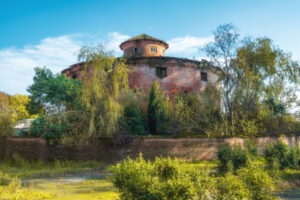
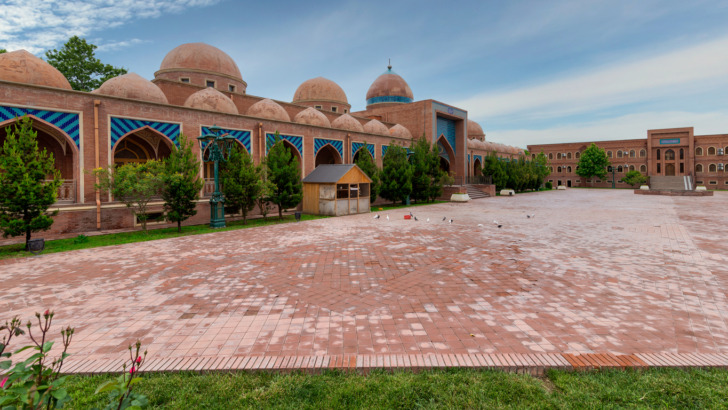
The city combines red-brick architecture, broad parks, Islamic monuments, Soviet-era buildings, leafy avenues, and a much quieter atmosphere than the capital.
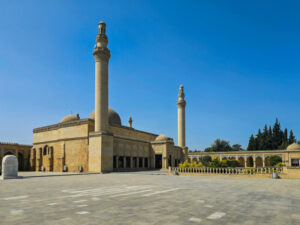
Attractions include the Nizami Mausoleum, Imamzadeh complex, Shah Abbas Mosque, Bottle House, and Javad Khan Street.
Ganja is generally calm for visitors, but Azerbaijan’s regional security situation, nearby conflict-affected territories, road conditions, and restrictions around military sites require careful planning.
Warnings & Dangers in Ganja

OVERALL RISK: MEDIUM
Ganja itself has relatively low street-crime levels and is calmer than many cities of a similar size. However, Azerbaijan’s current national security environment raises the overall rating to medium. Regional military tensions, terrorism warnings, nearby mine-contaminated territories, and limited consular assistance outside Baku mean travelers should monitor developments and avoid spontaneous trips toward border areas.

TRANSPORT & TAXIS RISK: MEDIUM
Taxis, buses, trains, and private drivers are available, but traffic standards can be unpredictable. Some drivers speed, ignore lane markings, or use poorly maintained vehicles. Confirm taxi prices in advance and use transportation arranged by a hotel or reputable provider. Avoid rural and intercity road travel after dark, especially near border regions.

PICKPOCKETS RISK: LOW
Pickpocketing is not a major problem in Ganja, although theft can occur around markets, transport stations, crowded parks, festivals, and shopping streets. Keep phones and wallets out of open pockets and watch bags when using public transportation. Foreign visitors may attract attention simply because international tourism remains less developed than in Baku.

NATURAL DISASTERS RISK: MEDIUM
Ganja faces a moderate risk from earthquakes, intense summer heat, thunderstorms, flooding, winter ice, and occasional landslides in surrounding mountain areas. Azerbaijan lies within a seismically active region, although major earthquakes are uncommon. Check weather before visiting nearby lakes or mountains, and avoid driving during heavy rain, snow, or poor visibility.

MUGGING RISK: LOW
Mugging is uncommon in central Ganja, particularly around Javad Khan Street, the main squares, established hotels, and popular attractions. Risk increases on quiet streets after dark, near transportation hubs, and in unfamiliar outer districts. Avoid displaying expensive watches, cameras, or large amounts of cash, and take a taxi for late-night journeys.

TERRORISM RISK: MEDIUM
Azerbaijan currently faces a recognized terrorism threat, and attacks could target transportation hubs, hotels, restaurants, religious sites, government buildings, markets, or public events. Ganja is not usually the primary focus, but no large city is completely isolated from national risks. Remain alert in crowded places and follow local security instructions.

SCAMS RISK: LOW
Organized tourist scams are uncommon in Ganja. Visitors may still encounter inflated taxi fares, unofficial guides, poor exchange rates, card skimming, or questionable accommodation listings. Confirm prices before accepting services, use ATMs inside banks, and keep your card visible during payments. Avoid unofficial requests for cash from anyone claiming to represent an authority.

WOMEN TRAVELERS RISK: LOW
Ganja is generally safe for women, including solo travelers, but it is more socially conservative than central Baku. Modest clothing is sensible, especially when visiting mosques and religious complexes. Women should avoid isolated walks after dark, use trusted taxis, watch drinks, and respond cautiously to persistent personal attention.

TAP WATER RISK: MEDIUM
Tap water quality can vary depending on the neighborhood, building, storage tank, and plumbing. Many residents and visitors use bottled or filtered water for drinking. Sealed bottled water is inexpensive and widely available. Tap water is usually acceptable for washing, but cautious travelers may also use bottled water for brushing their teeth.
Safest Places to Visit in Ganja
Javad Khan Street and the Central Square
Javad Khan Street is one of Ganja’s most attractive and comfortable visitor areas.
Its red-brick buildings, shops, cafés, monuments, and pedestrian-friendly sections make it ideal for a daytime walk.
The nearby Shah Abbas Mosque, Chokak Bath, and Javad Khan Mausoleum create a compact historical route with plenty of local activity.
Khan Baghi Park
Khan Baghi is one of the oldest and best-loved parks in the Caucasus.
Its trees, walking paths, fountains, and central location make it a pleasant place for families and solo visitors.
It is safest during daylight and early evening when residents are walking, relaxing, and meeting friends.
Nizami Ganjavi Mausoleum
The Nizami Mausoleum is one of Ganja’s most significant landmarks and a well-maintained cultural attraction.
The monument honors the poet Nizami Ganjavi, who was born in the region around 1141.
Visit during daylight, stay within the landscaped complex, and arrange transportation for the return journey.
Imamzadeh Religious Complex
Located about seven kilometers north of central Ganja, Imamzadeh is an important pilgrimage and architectural site.
The complex is generally peaceful and safe for respectful visitors.
Dress modestly, ask before taking close photographs of worshippers, and follow any instructions regarding separate entrances or prayer areas.
Heydar Aliyev Park
This enormous park complex contains monuments, open spaces, landscaped paths, and recreation areas.
It is comfortable when busy, particularly during the day and early evening.
Because of its size, avoid wandering into empty outer sections after dark.
Places to Avoid in Ganja
The Armenia Border Region
Do not travel within five kilometers of Azerbaijan’s border with Armenia.
The area carries risks from military tension, checkpoints, landmines, and unexploded ordnance.
Roads can close without warning, and some routes may approach sensitive territory more closely than visitors realize.
Always check a planned route before leaving Ganja.
Mine-Contaminated Former Conflict Areas
Travelers should avoid unauthorized trips to Kalbajar, Aghdam, Lachin, Fuzuli, Jabrayil, Zangilan, and other territories affected by past fighting.
These areas are not ordinary day-trip destinations.
Mines and unexploded weapons may exist outside cleared roads, and emergency assistance can be extremely limited.
Military and Government Installations
Do not photograph military bases, checkpoints, security personnel, government facilities, airfields, communications infrastructure, or military equipment.
Visitors have been questioned or detained for photographing sensitive locations.
Never fly a drone without understanding Azerbaijan’s strict import and permit requirements.
Ganja Station Areas Late at Night
The railway and bus station areas are useful during normal operating hours but may become uncomfortable late at night.
Travelers carrying luggage are easy to identify and may attract unofficial drivers or opportunistic thieves.
Arrange a hotel pickup when arriving at an inconvenient hour.
Empty Parks and Outer Districts After Dark
Ganja does not have a clearly defined tourist no-go neighborhood, but unfamiliar peripheral districts offer few attractions and may have limited lighting.
Avoid walking through deserted parks, industrial roads, construction zones, or quiet residential streets late at night.
Demonstrations and Political Gatherings
Public demonstrations can attract a rapid response from authorities.
Do not stop to watch, photograph, or join political gatherings.
Leave calmly if crowds begin forming, and avoid discussing sensitive political or military issues with strangers.
Safety Tips for Traveling to Ganja
- Monitor Azerbaijan’s security situation before traveling. Conditions can change because of regional military and political developments. Check for new restrictions, transportation disruption, or security warnings before leaving for Ganja and again before taking day trips. Do not rely on an old travel blog or assume that a route remains open because someone used it previously.
- Stay far from the Armenian border. Ganja is not directly on the border, but western Azerbaijan contains roads leading toward sensitive districts. Do not improvise scenic drives toward military zones or former conflict areas. Remain on established tourist routes and turn back immediately if police or military personnel close a road.
- Never enter fields or unmarked rural land. Landmines and unexploded ordnance remain a concern in former conflict territories. Do not explore abandoned buildings, ruined villages, trenches, empty fields, or roadside tracks. A place that looks peaceful may not have been professionally cleared.
- Use trusted transportation. Ask your hotel to arrange a taxi or driver, particularly for airport transfers, evening journeys, and attractions outside the center. Confirm the fare before departure. Wear a seat belt whenever one is available and avoid vehicles that appear poorly maintained or dangerously overloaded.
- Do not photograph sensitive locations. Avoid cameras around military sites, checkpoints, police facilities, government buildings, airports, bridges, and communications equipment. When photographing religious sites or people, ask permission. Drone rules are highly restrictive, and foreign travelers should not bring one without obtaining current authorization.
- Carry identification carefully. Police may conduct identity checks, so travelers should carry their passport as required. Keep a digital and paper copy stored separately in case the original is lost. Do not hand your passport to an unofficial guide, driver, currency dealer, or accommodation representative.
- Dress respectfully outside central tourist areas. Azerbaijan is largely secular, but Ganja is more conservative than Baku. Ordinary Western clothing is accepted, yet revealing outfits may attract attention. Cover shoulders and knees when entering mosques or pilgrimage sites, and follow any gender-specific rules inside religious buildings.
- Protect your bank card and cash. Use ATMs inside banks or established shopping centers. Cover the keypad, inspect the machine for signs of tampering, and decline help from strangers. Carry only the cash needed for the day and keep backup money in a separate secure location.
- Avoid driving after dark. Night driving outside central Ganja can involve poor lighting, potholes, pedestrians, animals, unexpected roadworks, and drivers using high beams. Intercity and rural roads are particularly difficult after sunset. Complete longer journeys during daylight and leave extra time for delays.
- Keep emergency plans independent. Save your hotel address, insurance details, driver’s number, and emergency contacts offline. Tell someone when leaving on a day trip and provide an expected return time. Regional emergencies can disrupt flights and roads, so keep extra medication, cash, water, and charging equipment available.
So... How Safe Is Ganja Really?
Ganja presents two different safety pictures.
The city itself is generally calm, welcoming, and low in ordinary tourist crime.
Its central attractions are compact, its streets feel far less hectic than Baku, and most visitors are unlikely to experience anything more serious than an overpriced taxi or a transportation delay.
The wider regional picture is more complicated.
As of April 2026, Azerbaijan was under an elevated travel advisory because of terrorism, armed-conflict risks, and landmines.
The most serious warnings apply to the Armenian border, the southern border region, and named former conflict territories rather than central Ganja.
Nevertheless, Ganja’s western location means travelers must plan day trips carefully.
The city also has direct experience with regional conflict.
During the 2020 war, residential areas of Ganja were struck by missiles, causing deaths, injuries, and property damage.
Current tensions have decreased compared with that period, but the history explains why military developments should not be dismissed as a distant issue.
For everyday crime, the risk remains low.
Pickpocketing, bag theft, card fraud, and occasional mugging are possible, particularly after dark, but violent attacks on tourists are uncommon.
Road safety may pose a greater practical danger than street crime.
My overall rating for Ganja is medium risk because of Azerbaijan’s current national security environment.
Travelers who remain in established areas, avoid border regions, use trusted drivers, and monitor current developments can still have a safe and rewarding visit.
How Does Ganja Compare?
| City | Safety Index |
|---|---|
| Ganja |
83 |
| Lankaran |
80 |
| Sheki |
88 |
| Shamakhi |
86 |
| Baku |
65 |
| Quba |
86 |
| Gabala |
87 |
 Sarasota Sarasota | 83 |
| Presque Isle/Caribou | 94 |
| Creve Coeur | 78 |
| South Portland | 82 |
 Gyumri Gyumri | 87 |
 Freeport Freeport | 60 |
Useful Information

Visas
Eligible travelers can apply for Azerbaijan’s ASAN e-Visa. A standard e-Visa is normally issued within three working days and allows a single-entry stay of up to 30 days. The official cost is US$29, consisting of a US$20 state fee and a US$9 service fee. Apply before departure and verify passport-validity requirements.

Currency
Ganja uses the Azerbaijani manat. The exchange rate has long been maintained at approximately AZN 1.70 to US$1. Cards are accepted at many hotels, restaurants, and larger shops, but cash remains useful for taxis, markets, and small businesses. Use bank ATMs and avoid informal street exchange.

Weather
Ganja has hot, dry summers and cool winters. July and August daytime temperatures often exceed 30°C, while winter nights can approach or fall below freezing. Spring and autumn are generally the most comfortable seasons. Pack sunscreen and light clothing in summer, with warm layers, waterproof shoes, and a coat in winter.

Airports
Ganja International Airport is approximately eight kilometers from the city center. It handles a limited selection of international and regional flights, including a scheduled weekly connection with Tashkent introduced in June 2026. Many visitors instead fly into Baku and continue by train, domestic transport, or private car. Arrange airport transportation before arrival.

Travel Insurance
Comprehensive travel insurance is strongly recommended. Coverage should include medical treatment, evacuation, cancellations, baggage theft, transportation disruption, and regional-security emergencies. Confirm whether conflict, terrorism, or travel near restricted regions is excluded. Keep printed and digital copies of your policy and emergency-assistance details.
Ganja Weather Averages (Temperatures)
Average High/Low Temperature
| Temperature / Month | Jan | Feb | Mar | Apr | May | Jun | Jul | Aug | Sep | Oct | Nov | Dec |
|---|---|---|---|---|---|---|---|---|---|---|---|---|
| High °C |
7 | 8 | 12 | 18 | 23 | 28 | 32 | 30 | 24 | 17 | 11 | 7 |
| Low °C |
-3 | -2 | 2 | 7 | 12 | 16 | 18 | 18 | 13 | 8 | 3 | -1 |
| High °F |
45 | 46 | 54 | 64 | 73 | 82 | 90 | 86 | 75 | 63 | 52 | 45 |
| Low °F |
27 | 28 | 36 | 45 | 54 | 61 | 64 | 64 | 55 | 46 | 37 | 30 |
Azerbaijan - Safety by City
| City | Safety Index |
|---|---|
| Baku | 65 |
| Gabala | 87 |
| Ganja | 83 |
| Lankaran | 80 |
| Quba | 86 |
| Shamakhi | 86 |
| Sheki | 88 |