


 Azerbaijan : Safety by City
Azerbaijan - safety as a country
Lankaran sits in southeastern Azerbaijan between the Caspian Sea and the forested Talysh Mountains, not far from the border with Iran.
The city is known for its humid subtropical climate, tea plantations, citrus orchards, black-sand beaches, historic architecture, and easy access to Hirkan National Park.
It feels greener, wetter, and more relaxed than Baku, with fewer international tourists and a noticeably slower pace.
Lankaran is also part of Azerbaijan’s culturally distinct Talysh region, giving it its own food, traditions, and atmosphere.
The city is generally calm and welcoming, but limited tourist infrastructure, language barriers, traffic, water quality, and sensitivity around the Iranian border require preparation.
It is a rewarding destination for thoughtful travelers rather than an effortless resort vacation.
Warnings & Dangers in Lankaran

OVERALL RISK: MEDIUM
Lankaran itself has relatively low street-crime levels and usually feels peaceful during daylight. However, Azerbaijan carries broader security concerns involving terrorism, political restrictions, border sensitivity, and limited assistance outside Baku. Travelers should use trusted transportation, avoid political activity, stay away from sensitive sites, and plan countryside excursions carefully.

TRANSPORT & TAXIS RISK: MEDIUM
Taxis are inexpensive, but drivers may not use meters and English is not widely spoken. Confirm the fare before entering or use a recognized ride app when available. Driving can be unpredictable, seatbelt use inconsistent, and rural roads poorly lit. Avoid nighttime driving through mountain, forest, or border areas.

PICKPOCKETS RISK: LOW
Pickpocketing is not a major problem in Lankaran, partly because the city receives fewer tourists than Baku. Opportunistic theft can still occur around markets, transport stops, crowded events, and the railway station. Keep your phone and wallet secured, and do not leave valuables unattended on beaches or restaurant tables.

NATURAL DISASTERS RISK: MEDIUM
Lankaran is exposed to earthquakes, heavy rainfall, flooding, landslides, coastal storms, and intense humidity. Autumn can be particularly wet, while mountain roads may become difficult after prolonged rain. Travelers visiting forests or rural attractions should check weather conditions and avoid crossing flooded roads, unstable slopes, or fast-moving water.

MUGGING RISK: LOW
Muggings and violent robberies involving tourists are uncommon in central Lankaran. Risk increases slightly after dark on empty streets, quiet beachfront sections, poorly lit parks, and isolated roads. Avoid displaying expensive electronics, carry limited cash, and use a taxi when returning to accommodation late at night.

TERRORISM RISK: MEDIUM
The direct terrorism risk in Lankaran is not normally high, but Azerbaijan maintains a broader terrorism warning. Transport hubs, religious buildings, government sites, public events, and areas near international borders deserve additional awareness. Avoid demonstrations, suspicious gatherings, military facilities, and photography involving police, soldiers, checkpoints, or strategic infrastructure.

SCAMS RISK: MEDIUM
Scams are generally simple rather than organized. Visitors may encounter inflated taxi fares, unclear excursion prices, unofficial guides, poor exchange rates, or unexpected restaurant charges. Confirm all prices in advance, check menus before ordering, and arrange tours through reputable accommodation providers rather than accepting random street offers.

WOMEN TRAVELERS RISK: LOW
Lankaran is generally safe for women travelers, including solo visitors, but the region is culturally conservative. Unwanted attention may occur, particularly on quiet streets or public transportation. Dress modestly away from beaches, avoid isolated areas after dark, and use trusted taxis. Women should also be cautious when accepting invitations from strangers.

TAP WATER RISK: HIGH
Tap water is not recommended for visitors in Lankaran. Water quality and building plumbing can vary, and stomach illness may be difficult to manage outside major cities. Drink sealed bottled or properly filtered water, avoid questionable ice, and consider using bottled water for brushing your teeth if you have a sensitive stomach.
Safest Places to Visit in Lankaran
Central Lankaran
Central Lankaran is the easiest and safest area for first-time visitors.
The streets around the main squares, hotels, restaurants, shops, and local government buildings remain active during daylight and early evening.
Walking is generally comfortable, although crossings and sidewalks require attention.
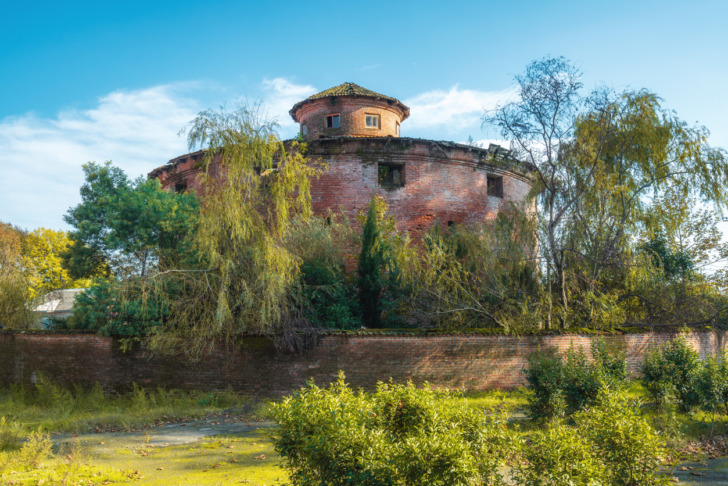
The historic Lankaran Lighthouse and surviving sections of the old fortress provide a glimpse into the city’s past.
Photography should remain focused on obvious tourist attractions, since official buildings and infrastructure can be sensitive.
Hirkan National Park
Hirkan National Park protects ancient forests containing ironwood trees, wildlife, mountain streams, and landscapes unlike most of Azerbaijan.
It is generally safe when visited with a guide or experienced driver during good weather.
Remain on established routes, carry water, use insect repellent, and avoid approaching wildlife.
Mobile coverage may become unreliable, while rain can make tracks muddy and difficult.
Khanbulan Lake
Khanbulan Lake is a peaceful reservoir surrounded by forested hills southwest of the city.
It is popular for scenery, picnics, and short countryside drives.
Visit during daylight using a trusted driver who understands the roads.
Swimming should only be attempted where explicitly permitted and considered safe.
Reservoir banks may be steep, muddy, or unstable after rain.
Established Caspian Beaches
Lankaran’s dark-sand beaches are unusual and generally safe during busy daytime hours.
Choose sections near functioning hotels, restaurants, or recreational facilities rather than empty stretches.
The Caspian Sea can develop waves, currents, pollution, and changing water conditions.
Use designated swimming areas, supervise children, and avoid entering the water after storms or near drainage outlets.
Places to Avoid in Lankaran
Iranian Border Areas Without a Clear Reason
Lankaran is relatively close to Azerbaijan’s border with Iran, but tourists should not explore border roads, crossing points, rivers, fences, or observation areas casually.
Security conditions can change, and photography may attract immediate attention.
Travelers continuing toward Astara should use established roads and carry passports and visa documents.
Never attempt an informal crossing or follow rural tracks suggested by navigation software.
Military and Government Facilities
Avoid military compounds, police buildings, guarded communications sites, energy infrastructure, checkpoints, and restricted airport areas.
Do not photograph guards, security vehicles, antennas, official residences, or border-related infrastructure.
A site may be considered sensitive even when signs are unclear.
When barriers, uniforms, or surveillance equipment are visible, put your phone and camera away.
Empty Beaches After Dark
The Caspian shoreline can feel peaceful, but isolated beach sections are not suitable for nighttime wandering.
Lighting is limited, help may be far away, and the water’s edge can be difficult to see.
The risks include theft, harassment, stray dogs, uneven ground, and unexpected waves.
Stay near active businesses and return to your accommodation before the beach becomes deserted.
Remote Forest Tracks
Do not drive or hike along unmarked routes in the Talysh Mountains or Hirkan forests without local knowledge.
Rain, mud, landslides, poor phone coverage, and unclear directions can turn a casual trip into a serious problem.
Travel with a guide, carry offline directions, and tell someone where you are going.
Avoid remote excursions during storms or near sunset.
Safety Tips for Traveling to Lankaran
- Use trusted drivers for countryside trips. A local driver is useful for reaching Hirkan National Park, Khanbulan Lake, tea-growing areas, and rural villages. Confirm the destination, route, waiting time, and full price before departure. Avoid accepting rides from strangers who approach you at transport stops or tourist sites.
- Stay away from the Iranian border. Do not visit border fences, rivers, checkpoints, or observation points for curiosity or photography. Use only official roads if traveling toward Astara. Keep your passport accessible and follow every security instruction, even when a checkpoint seems routine.
- Drink bottled or filtered water. Purchase sealed bottles from supermarkets or established shops and check that the cap has not been opened. Avoid ice unless you trust the restaurant, and be careful with raw salads or fruit washed in tap water. Carry extra water during humid summer excursions.
- Avoid political conversations and demonstrations. Azerbaijan has strict rules surrounding political activity, public criticism, protests, and photography of authorities. Do not attend demonstrations or debate sensitive issues with strangers. If a gathering forms or police begin controlling a street, leave calmly and follow local instructions.
- Ask before photographing people or buildings. Street photography can create misunderstandings, particularly around government property, religious sites, markets, and border infrastructure. Ask permission before photographing residents. Never photograph soldiers, police, airports, checkpoints, energy facilities, or guarded buildings.
- Prepare for humidity and mosquitoes. Lankaran is one of Azerbaijan’s wettest and most humid regions. Wear breathable clothing, drink water regularly, and use insect repellent near forests, wetlands, gardens, and the coast. Check your room for mosquitoes and keep windows screened where possible.
- Check weather before entering the mountains. Heavy rain can affect forest trails, mountain roads, and river crossings. Postpone excursions during thunderstorms or flood warnings. Wear sturdy footwear, carry a rain layer, and avoid standing beneath unstable slopes or trees during strong winds.
- Use caution when swimming in the Caspian Sea. Choose busy, established beach sections and ask local staff about current water conditions. Avoid swimming near pipes, channels, boats, or visibly polluted water. Do not enter during rough weather, and supervise children continuously because lifeguard coverage may be limited.
- Carry cash without displaying it. Cards work at some hotels, restaurants, and supermarkets, but smaller businesses may accept cash only. Carry Azerbaijani manat in modest amounts and keep backup money separately. Use bank ATMs and official exchange offices rather than accepting street exchange offers.
- Download information before leaving the city. Mobile data and navigation may become unreliable in forests and rural areas. Save offline maps, accommodation details, emergency contacts, and translated destination names. Bring a charged power bank and tell your hotel or host when you expect to return.
So... How Safe Is Lankaran Really?
Lankaran is generally calmer than Azerbaijan’s capital and has little of the tourist-targeted crime found in major international destinations.
Central streets, markets, restaurants, tea houses, and established attractions are usually comfortable during daylight.
Residents are often curious and hospitable toward foreign visitors, and serious violence involving tourists is uncommon.
The city’s medium overall rating comes from factors beyond ordinary crime.
Azerbaijan has strict political and security rules, while Lankaran’s proximity to Iran makes border awareness particularly important.
Travelers should avoid military sites, official infrastructure, demonstrations, and unnecessary travel near international boundaries.
Environmental conditions also deserve attention.
Lankaran is Azerbaijan’s wettest major city, and prolonged rain can cause flooding, muddy roads, landslides, and difficult forest access.
The humid climate increases mosquito exposure, while Caspian beaches may lack lifeguards or consistent water-quality information.
Tourism infrastructure is improving but remains limited compared with Baku.
English may not be widely understood, card payments can be inconsistent, and emergency medical options are more basic.
A local driver or guide makes countryside exploration much easier.
My honest assessment is that Lankaran is suitable for couples, families, solo travelers, and nature lovers who plan ahead.
Stay centrally, respect local restrictions, use trusted transportation, avoid the border, and prepare for humid weather.
With those precautions, Lankaran is more intriguing than dangerous.
How Does Lankaran Compare?
| City | Safety Index |
|---|---|
| Lankaran |
80 |
| Baku |
65 |
| Shamakhi |
86 |
| Sheki |
88 |
| Gabala |
87 |
| Ganja |
83 |
| Quba |
86 |
 Bansko Bansko | 89 |
 Miami Beach Miami Beach | 68 |
| Anchorage | 72 |
 Konya Konya | 74 |
| Bowling Green | 76 |
| Baker | 74 |
Useful Information

Visas
Many nationalities can apply for Azerbaijan’s electronic visa. The standard e-visa is valid for 90 days and permits a stay of up to 30 days. The official cost is US$29, including the government and service fees, and standard processing takes three working days. Visitors staying longer than 15 days must be registered at their accommodation.

Currency
Lankaran uses the Azerbaijani manat. Cards are accepted at larger hotels, supermarkets, and some restaurants, but cash remains important for taxis, markets, guesthouses, and rural travel. Use bank ATMs or official exchange offices. U.S. dollars and euros are commonly exchanged, but everyday payments should be made in manat.

Weather
Lankaran has a humid subtropical climate with hot, muggy summers and cool, rainy winters. Autumn is often particularly wet. Pack breathable clothing, sunscreen, insect repellent, and a waterproof jacket during warmer months. Winter visitors need layers and rain-resistant shoes, while mountain trips may require warmer clothing.

Airports
Lankaran International Airport is close to the city, but scheduled passenger service is extremely limited and may consist of only occasional international flights. Most travelers fly into Heydar Aliyev International Airport in Baku and continue by road or train. The journey from Baku usually takes around four to five hours.

Travel Insurance
Travel insurance is strongly recommended for Lankaran. Choose coverage for medical care, road accidents, flooding, hiking injuries, lost belongings, and trip disruption. Confirm that countryside excursions and travel near Azerbaijan’s southern region are included. Medical evacuation coverage is useful because advanced treatment may require transportation to Baku.
Lankaran Weather Averages (Temperatures)
Average High/Low Temperature
| Temperature / Month | Jan | Feb | Mar | Apr | May | Jun | Jul | Aug | Sep | Oct | Nov | Dec |
|---|---|---|---|---|---|---|---|---|---|---|---|---|
| High °C |
8 | 9 | 12 | 16 | 22 | 27 | 30 | 30 | 26 | 20 | 14 | 10 |
| Low °C |
1 | 2 | 5 | 9 | 14 | 19 | 22 | 22 | 19 | 14 | 8 | 4 |
| High °F |
46 | 48 | 54 | 61 | 72 | 81 | 86 | 86 | 79 | 68 | 57 | 50 |
| Low °F |
34 | 36 | 41 | 48 | 57 | 66 | 72 | 72 | 66 | 57 | 46 | 39 |
Azerbaijan - Safety by City
| City | Safety Index |
|---|---|
| Baku | 65 |
| Gabala | 87 |
| Ganja | 83 |
| Lankaran | 80 |
| Quba | 86 |
| Shamakhi | 86 |
| Sheki | 88 |












Did you end up trying the local citrus fruits there or just sticking to tea while soaking in that chill vibe?