


 Bermuda : Safety by City
Bermuda - safety as a country
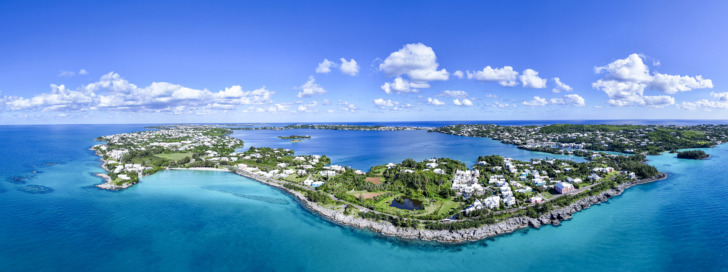
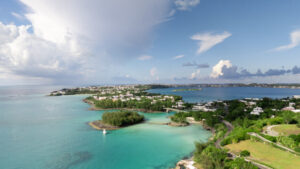
Tucker’s Town is one of Bermuda’s most exclusive and peaceful coastal areas, sitting on the eastern side of the island in Hamilton Parish near Castle Harbour.
Once a small settlement, it is now associated with luxury homes, golf courses, secluded beaches, and the elegant Rosewood Bermuda resort.
The area feels dramatically quieter than Hamilton or the busier cruise-port districts, with manicured landscapes, ocean views, and very little street activity.
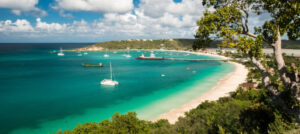
Nearby attractions include Tucker’s Point Golf Club, Castle Harbour, Blue Hole Park, and some of Bermuda’s prettiest small coves.
From a safety perspective, Tucker’s Town is exceptionally low-risk.
Crime against tourists is uncommon, and the main concerns are hurricanes, powerful ocean conditions, narrow roads, scooter accidents, sun exposure, and the isolation of some coastal areas after dark.
Warnings & Dangers in Tucker’s Town

OVERALL RISK: LOW
Tucker's Town is one of Bermuda's safest areas for visitors. Serious crime is rare, the neighborhood is quiet, and much of the area consists of upscale resorts and private residences. Travelers should still protect valuables and avoid isolated beaches late at night, but traffic, weather, and water safety are considerably more important concerns.

TRANSPORT & TAXIS RISK: MEDIUM
Taxis are generally dependable, but getting around Bermuda can take some adjustment. Visitors cannot rent conventional cars in the same way they can in many destinations, so scooters, small electric vehicles, buses, and taxis are popular. Bermuda drives on the left, roads are narrow, and sharp bends make scooter accidents a significant risk.

PICKPOCKETS RISK: LOW
Pickpocketing is uncommon in Tucker's Town because there are few crowds or busy public areas. Opportunistic theft remains possible, particularly if phones, wallets, or bags are left unattended on beaches, golf carts, or outdoor restaurant tables. Keep valuables secured even when the surroundings feel extremely peaceful.

NATURAL DISASTERS RISK: MEDIUM
Hurricanes and tropical storms are the biggest natural threat. Bermuda lies directly in the Atlantic storm region and can experience destructive winds, heavy rain, rough seas, coastal flooding, and travel disruption. Hurricane season runs from June through November, with the greatest concern typically from August through October.

MUGGING RISK: LOW
Mugging is extremely uncommon in Tucker's Town. The area has little street activity and is dominated by resorts, golf facilities, and expensive residences. Normal precautions still apply when walking on isolated roads or beaches after dark. Avoid carrying excessive cash or wearing expensive jewelry unnecessarily.

TERRORISM RISK: LOW
The terrorism risk in Tucker's Town is low. Bermuda is a stable British Overseas Territory without the major political, military, or symbolic targets found in large international cities. Visitors should maintain ordinary awareness at airports, ports, and large public gatherings, but terrorism is not a realistic day-to-day concern here.

SCAMS RISK: LOW
Tourist scams are uncommon. Possible issues include fraudulent vacation rentals, unclear taxi pricing, or unexpected charges for excursions and equipment rentals. Confirm costs before paying and book expensive activities through established businesses. Aggressive street scams are not part of the normal Tucker's Town experience.

WOMEN TRAVELERS RISK: LOW
Tucker's Town is generally very safe for women, including solo travelers. Resort areas, beaches, and restaurants are comfortable during the day and evening. Women should still avoid isolated nighttime walks, watch their drinks, and arrange transportation after dinner rather than walking along dark roads without sidewalks.

TAP WATER RISK: LOW
Tap water in Bermuda is generally safe when supplied through properly maintained household and hotel systems. Much of the island collects rainwater from white stepped roofs into storage tanks. Hotels carefully manage their systems, but travelers staying in private rentals should ask about water treatment if they have concerns.
Safest Places to Visit in Tucker’s Town
Tucker’s Point Beach
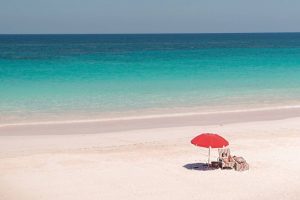
The beach areas associated with Tucker’s Point are among the safest places to relax.
Resort facilities, staff, restaurants, and organized beach services provide a controlled environment that suits families, couples, and solo visitors.
The water can still become rough when Atlantic weather changes.
Check conditions before swimming and avoid going far offshore when waves or currents increase.
Tucker’s Point Golf Club
The golf course and surrounding resort facilities are peaceful, well-maintained, and highly controlled.
Visitors are much more likely to encounter a stray golf ball than a serious crime problem.
Heat and sun exposure deserve attention, particularly during longer rounds.
Carry water, use sunscreen, and take breaks when temperatures rise.
Castle Harbour
Castle Harbour offers beautiful coastal views and calmer scenery than Bermuda’s more exposed Atlantic coastline.
It is a good area for boating, photography, and scenic drives.
Use established operators for boat trips and stay aware of weather changes.
Even sheltered water can become difficult when strong winds arrive.
Blue Hole Park
Blue Hole Park is nearby and provides walking paths, limestone formations, caves, forest, and access to calm-water scenery.
It is generally safe during daylight and is a pleasant alternative to Bermuda’s resort beaches.
Wear shoes with grip because natural surfaces and cave areas can be slippery.
Avoid entering unfamiliar caves or water alone.
Crystal Caves Area
Bermuda’s famous Crystal and Fantasy Caves are located only a short drive away.
Organized tours make these attractions safe and easy to explore.
The main concern is footing.
Stairs and wet surfaces can be slippery, so use handrails and follow staff instructions rather than wandering away from designated areas.
Places to Avoid in Tucker’s Town
There Are No Major Tourist No-Go Neighborhoods
Tucker’s Town does not have a recognized dangerous neighborhood that tourists need to avoid.
It is one of Bermuda’s quietest and most affluent areas.
Visitors should focus on avoiding risky situations rather than specific districts.
Isolated Beaches After Dark
Secluded beaches can feel romantic in the evening but become extremely quiet once daylight disappears.
Avoid walking alone along empty coastal areas late at night.
Poor lighting also makes it harder to see rocks, sudden drops, changing waves, or uneven access paths.
Narrow Roads on Foot at Night
Many Bermuda roads have limited or nonexistent sidewalks.
Walking along them after dark can be uncomfortable because vehicles pass close to pedestrians.
Use taxis when traveling between resorts, restaurants, and attractions at night rather than relying on roadside walking.
Rough Coastal Areas During Storms
Avoid rocky shorelines, cliffs, docks, and exposed beaches when severe weather or high-surf warnings are in effect.
Large waves can arrive unexpectedly and sweep people from rocks.
Never approach the shoreline just to photograph storm conditions.
Private Residential Property
Much of Tucker’s Town consists of private homes, private beaches, resort grounds, and golf property.
Do not assume a scenic driveway or coastal path is publicly accessible.
Respect signs, gates, and private beach access restrictions.
Remote Natural Areas Without Preparation
Avoid entering caves, dense vegetation, rocky coastal trails, or unfamiliar swimming spots without understanding the terrain.
Bermuda is small, but injuries can still happen in isolated locations where immediate assistance is not available.
Safety Tips for Traveling to Tucker’s Town
- Think carefully before renting a scooter. Scooters are popular in Bermuda, but they are also involved in many accidents involving visitors. Narrow roads, left-side driving, blind corners, rain, and unfamiliar traffic patterns create real risk. If you have little motorcycle experience, use taxis, buses, or a small legal rental vehicle instead.
- Drive on the left and slow down. If you use an approved small electric rental vehicle, remember that Bermuda drives on the left. Roads are narrow and often bordered by walls, hedges, or buildings. Take bends slowly, watch for scooters, and never assume there is room to pass another vehicle comfortably.
- Monitor hurricane forecasts. Travelers visiting from June through November should follow tropical weather closely. Keep essential medication, documents, chargers, and some cash accessible. Know your accommodation’s hurricane procedures and understand airline or hotel cancellation policies before a storm develops.
- Do not leave valuables on the beach. Tucker’s Town feels safe enough to make visitors careless. Store passports, large amounts of cash, jewelry, and unnecessary electronics in your accommodation safe. Bring only essential items to the beach and use a waterproof pouch when everyone wants to swim.
- Respect changing ocean conditions. Bermuda’s water can look perfect and still develop stronger currents or waves. Check the sea before swimming and ask resort staff about conditions. Avoid entering the water during strong winds, after severe storms, or when official warnings are posted.
- Use strong sun protection. Bermuda’s sun can cause burns quickly, especially when reflected from pale sand and water. Apply sunscreen regularly, wear sunglasses and a hat, and drink water throughout the day. Long golf rounds, boat trips, and beach days create particularly high exposure.
- Arrange transportation before evening plans. Tucker’s Town is spread out and does not have the dense pedestrian infrastructure of a city center. If you are going to dinner or drinks, arrange a taxi or resort transport. Walking along narrow, dark roads after alcohol is an unnecessary risk.
- Wear proper footwear around caves and coastal trails. Flip-flops are perfect for a resort pool but less useful around wet limestone, cave steps, rocky paths, and uneven coastal terrain. Wear shoes with grip when exploring natural attractions and avoid climbing over wet rocks for photographs.
- Keep children close around the water. Calm-looking bays and resort beaches can still have sudden depth changes, boat traffic, slippery rocks, and currents. Young children should be supervised continuously near the shoreline, pools, docks, and caves.
- Buy travel insurance that covers weather disruption. Bermuda is safe, but hurricanes can cause expensive flight cancellations and hotel changes. A good policy should cover medical care, evacuation, trip interruption, lost luggage, storm disruption, and any water or scooter activities you plan to try.
So... How Safe Is Tucker’s Town Really?
Tucker’s Town is genuinely one of the safest places travelers can choose in Bermuda.
It is quiet, affluent, resort-oriented, and far removed from the crowded urban environments where pickpocketing and street crime normally become problems.
Visitors are unlikely to spend much time worrying about crime while relaxing on the beach, playing golf, or eating at resort restaurants.
The bigger risks are almost entirely practical.
Road safety deserves particular attention.
Bermuda’s narrow lanes and left-side traffic can surprise visitors, especially those who rent scooters without much experience.
A small mistake on a winding road is considerably more likely to ruin a trip than a robbery.
Weather is the other serious consideration.
Bermuda sits in hurricane territory, and powerful Atlantic storms can interrupt flights, close beaches, damage infrastructure, and create dangerous sea conditions.
Travelers visiting in late summer or early autumn should monitor forecasts closely.
Water activities are usually safe when conditions are good and reputable operators are used.
Strong currents, rough surf, and slippery coastal rocks should still be respected.
Overall, Tucker’s Town earns a low risk rating.
It is particularly suitable for families, couples, older travelers, solo travelers, and visitors seeking a quiet luxury vacation.
Use sensible transportation, secure your belongings, respect the sea, and take hurricane warnings seriously.
How Does Tucker’s Town Compare?
| City | Safety Index |
|---|---|
| Tucker’s Town |
90 |
| Paget |
88 |
| Somerset Village |
88 |
| Flatts Village |
89 |
 Casper Casper | 80 |
| St. Joseph | 47 |
 Moundou Moundou | 28 |
| Duck | 79 |
| Port Townsend | 81 |
 Mumbai Mumbai | 55 |
Useful Information

Visas
Bermuda's entry requirements depend on nationality, but many tourists from countries such as the United States, Canada, and the United Kingdom can visit without obtaining a separate tourist visa for short stays. Travelers generally need a valid passport and proof of onward travel. Entry rules should be checked before departure.

Currency
Bermuda uses the Bermudian dollar, which is fixed at equal value to the US dollar. US dollars are accepted throughout the island, although change may be returned in Bermudian currency. Credit cards are widely accepted at resorts, restaurants, golf facilities, and shops. Carry some small cash for taxis and tips.

Weather
Tucker's Town has a subtropical climate with warm, humid summers and mild winters. Summer temperatures usually sit around the upper 20s Celsius, while winter remains comfortable but cooler. Hurricane season runs from June through November. Pack sunscreen, light clothing, swimwear, a rain layer, and a light sweater for winter evenings.

Airports
L.F. Wade International Airport is Bermuda's only commercial airport and is located only a short drive from Tucker's Town. Depending on traffic and your exact accommodation, the journey usually takes around 10 to 20 minutes. Taxis and prearranged resort transfers are the easiest transportation options.

Travel Insurance
Travel insurance is strongly recommended, especially during hurricane season. Choose coverage for medical treatment, emergency evacuation, trip cancellation, delayed flights, lost baggage, storm disruption, and water activities. If you plan to rent a scooter or small electric vehicle, confirm that your policy covers accidents involving that type of transportation.
Tucker’s Town Weather Averages (Temperatures)
Average High/Low Temperature
| Temperature / Month | Jan | Feb | Mar | Apr | May | Jun | Jul | Aug | Sep | Oct | Nov | Dec |
|---|---|---|---|---|---|---|---|---|---|---|---|---|
| High °C |
20 | 19 | 19 | 20 | 22 | 24 | 27 | 28 | 27 | 25 | 23 | 21 |
| Low °C |
18 | 17 | 17 | 18 | 20 | 23 | 26 | 27 | 26 | 24 | 21 | 19 |
| High °F |
68 | 66 | 66 | 68 | 72 | 75 | 81 | 82 | 81 | 77 | 73 | 70 |
| Low °F |
64 | 63 | 63 | 64 | 68 | 73 | 79 | 81 | 79 | 75 | 70 | 66 |
Bermuda - Safety by City
| City | Safety Index |
|---|---|
| Flatts Village | 89 |
| Paget | 88 |
| Somerset Village | 88 |
| Tucker’s Town | 90 |

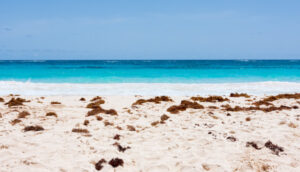












Spent a few afternoons wandering those quiet small coves and there’s something really calming about how empty and untouched it feels compared to the busier spots.