


 Afghanistan : Safety by City
Afghanistan - safety as a country
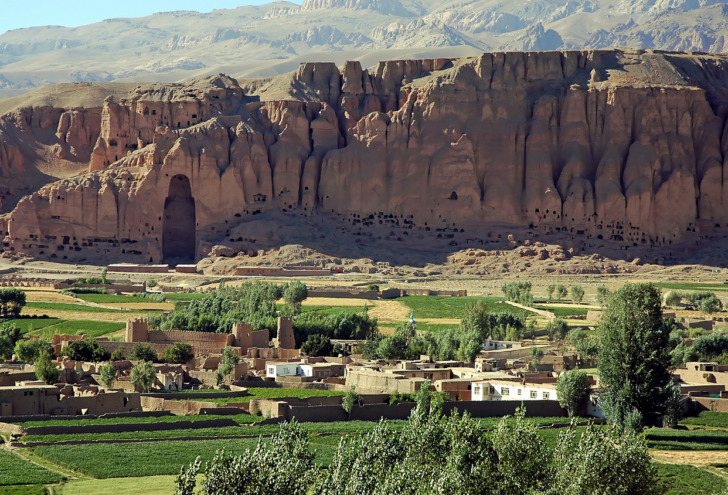
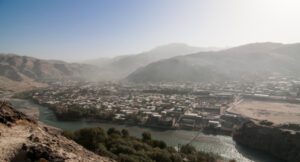
Bamiyan is one of Afghanistan’s most hauntingly beautiful places, sitting high in the central mountains about 180 kilometers west of Kabul.
The city is best known for the empty cliff niches where the giant Buddhas of Bamiyan once stood before they were destroyed in 2001, but the valley is much more than that single tragedy.
It has soft golden cliffs, deep history, Hazara culture, mountain villages, lakes, old caravan-route atmosphere, and some of the most dramatic scenery in the country.
In another part of the world, Bamiyan would be an easy adventure-travel darling.
But this is Afghanistan, and travel safety here is complicated.
Bamiyan may feel calmer than many Afghan cities, but the wider security environment makes it a high-risk destination.
Warnings & Dangers in Bamiyan

OVERALL RISK: HIGH
Bamiyan is often considered one of Afghanistan’s calmer provinces, but tourists should not confuse “calmer” with “safe.” Afghanistan remains a high-risk country for foreign visitors because of terrorism, detention risk, poor emergency support, limited medical care, and unpredictable security conditions. Travel here should only be considered with expert local support, if at all.

TRANSPORT & TAXIS RISK: HIGH
Transport is one of the biggest challenges in Bamiyan. Roads from Kabul can be long, remote, rough, and affected by checkpoints, weather, landslides, and security changes. Local taxis may not meet normal international safety standards. Visitors should avoid independent road travel and use trusted, locally connected drivers arranged through experienced operators.

PICKPOCKETS RISK: MEDIUM
Pickpocketing is not the main safety concern in Bamiyan, but it can still happen in markets, transport areas, and crowded public spaces. Foreigners stand out, and even small amounts of money or electronics can attract attention. Keep valuables hidden, carry only what you need, and avoid displaying cameras, phones, or cash casually.

NATURAL DISASTERS RISK: MEDIUM
Bamiyan’s mountain setting brings natural risks, including earthquakes, winter snow, avalanches, landslides, flash flooding, and difficult road conditions. The weather can change quickly, and remote areas may have limited rescue access. Winter travel is especially challenging, while spring and autumn can still bring sudden cold, rain, and road disruption.

MUGGING RISK: MEDIUM
Street mugging is not the most common danger in Bamiyan, but the consequences of any crime can be more serious because emergency support is limited. Foreign travelers should avoid walking alone after dark, carrying visible valuables, or exploring quiet areas without a guide. The safest approach is structured movement with local knowledge.

TERRORISM RISK: HIGH
Terrorism is a serious risk in Afghanistan, including in places that are promoted as tourist-friendly. Bamiyan was the site of a deadly attack on foreign tourists in May 2024, which showed that even symbolic heritage areas are not immune. Attacks may be targeted or random, and the situation can change quickly.

SCAMS RISK: MEDIUM
Classic tourist scams are less developed in Bamiyan than in major global tourist cities, but travelers may face inflated prices, unclear transport costs, unofficial “guides,” fake permits, or pressure around money and services. The bigger risk is not losing a few dollars, but trusting the wrong person in a high-risk environment.

WOMEN TRAVELERS RISK: HIGH
Women travelers face serious restrictions and cultural challenges in Afghanistan under Taliban rule. Foreign women may experience slightly more flexibility than Afghan women, but movement, clothing, behavior, and interactions are still sensitive. Solo female travel is strongly discouraged. Women should travel only with experienced local support and a clear understanding of current rules.

TAP WATER RISK: MEDIUM
Tap water in Bamiyan should not be treated as automatically safe for foreign visitors. Drink bottled, boiled, or properly filtered water. Avoid ice unless you trust the source, and be careful with raw foods washed in local water. Stomach illness can become a bigger problem here because medical facilities are limited.
Safest Places to Visit in Bamiyan
Bamiyan Buddha Cliffs
The Buddha cliff area is Bamiyan’s most famous attraction and one of the most meaningful historical sites in Afghanistan.
The huge empty niches are powerful, quiet, and unforgettable.
This area is usually visited with guides and is one of the more established tourist stops in the province.
Even so, visitors should not go casually or independently.
Security conditions, local rules, and access can change, so this is a place to visit only with current local guidance.
Shahr-e Gholghola
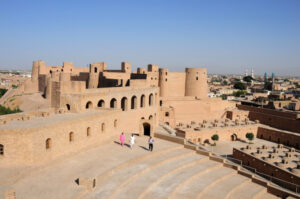
Shahr-e Gholghola, sometimes called the “City of Screams,” is a ruined fortress above the valley.
It offers sweeping views and a strong sense of Bamiyan’s layered history.
From a tourist-interest perspective, it is one of the best places in the area.
From a safety perspective, the main concerns are uneven terrain, exposure, isolation, and the need to avoid wandering away from known paths.
Band-e Amir National Park
Band-e Amir is one of Afghanistan’s natural treasures, with intensely blue lakes surrounded by stark cliffs and highland scenery.
It is often included in Bamiyan itineraries and can be one of the most beautiful places in the country.
The safer way to visit is on a guided day trip with reliable transport, enough fuel, food, water, warm clothing, and a plan for sudden weather or road delays.
Bamiyan Bazaar
The bazaar gives visitors a look at daily life, local food, and Hazara culture.
It can be interesting and relatively calm during the day, especially with a guide.
Keep your profile low, dress conservatively, avoid political conversations, and do not photograph people without permission.
The bazaar is not a place to act like a carefree tourist with expensive gear on display.
Places to Avoid in Bamiyan
Isolated Areas Without a Guide
The biggest mistake in Bamiyan is assuming that quiet means safe.
Empty valleys, side roads, ruins, and remote viewpoints may look peaceful, but they can leave you exposed if something goes wrong.
Avoid exploring outside known routes without a trusted local guide.
In Afghanistan, local knowledge is not a luxury.
It is part of your safety system.
Roads Between Kabul and Bamiyan
The road journey to Bamiyan can be more concerning than the city itself.
Routes may involve checkpoints, rough mountain driving, sudden closures, security incidents, snow, landslides, and limited help if a vehicle breaks down.
Independent road travel is not recommended.
Even experienced travelers should avoid night travel and use drivers who understand current local conditions.
Crowded Public Areas During Sensitive Times
Markets, government buildings, security checkpoints, religious gatherings, and public events can become riskier if tensions rise.
Attacks in Afghanistan may occur in busy public places, and foreigners can draw attention.
Avoid crowded areas during holidays, protests, security operations, or after any local incident.
Keep visits short and purposeful.
Military, Police, and Government Sites
Avoid photographing or lingering around Taliban checkpoints, government buildings, military positions, police stations, and security personnel.
What might feel like innocent curiosity to a tourist can be interpreted very differently.
Do not argue at checkpoints, do not film security forces, and let your local guide handle sensitive conversations.
Remote Lakes and Mountain Roads in Bad Weather
Band-e Amir and the surrounding highlands are stunning, but bad weather can turn a scenic day into a serious problem.
Avoid remote drives during snow, heavy rain, freezing temperatures, or poor visibility.
Roadside assistance is limited, phone coverage may be unreliable, and rescue options are not comparable to developed tourist destinations.
Safety Tips for Traveling to Bamiyan
- Do not travel independently. Bamiyan is not a destination for casual solo wandering, backpacking, or “I’ll figure it out when I arrive” travel. If you go, use a reputable local operator or fixer with current knowledge of security, routes, permits, checkpoints, and local expectations. Independent travel increases your exposure to misunderstandings, delays, crime, and security incidents.
- Check current security before every movement. In Bamiyan, safety can change from week to week or even day to day. A road that was fine yesterday may not be wise tomorrow. Before leaving your hotel, traveling between cities, visiting ruins, or going to Band-e Amir, confirm the current situation with local contacts who actually know what is happening on the ground.
- Keep a very low profile. Do not dress flashy, display expensive cameras, talk loudly about politics, or behave like Afghanistan is a normal adventure playground. Foreigners are noticeable. The safer approach is quiet, respectful, conservative, and low-key. Blend in as much as possible, move with purpose, and avoid drawing attention to your nationality, money, or travel plans.
- Avoid political and religious discussions. This is one of the simplest ways to stay out of trouble. Do not criticize the Taliban, local authorities, religion, gender rules, war history, foreign governments, or security forces. Even casual comments can be misunderstood. Keep conversations friendly and neutral: food, scenery, history, family, weather, and travel are much safer topics.
- Do not photograph people or security sites without permission. Photography is sensitive in Afghanistan. Always ask before photographing people, especially women, children, religious sites, checkpoints, government buildings, or armed personnel. If someone says no, accept it immediately. A photo is never worth a confrontation, confiscated equipment, or a security problem.
- Carry cash, but not too much at once. Card payments and ATMs are limited, so cash is important. At the same time, carrying a large amount visibly is risky. Keep money divided between secure places, carry small notes for daily purchases, and avoid counting cash in public. Your guide or hotel can help you understand fair prices.
- Prepare for weak medical support. Medical facilities in Bamiyan are limited, and serious injuries or illness can become complicated quickly. Bring a personal medical kit, prescription medication, stomach medicine, rehydration salts, basic antibiotics if prescribed by your doctor, and travel insurance that includes emergency evacuation. This is especially important if visiting remote areas.
- Be careful with food and water. Drink bottled, boiled, or filtered water. Eat freshly cooked food served hot, and be careful with salads, ice, and unpeeled fruit. Stomach illness is common for travelers in places with different water and food hygiene standards. In Bamiyan, getting sick can interrupt your trip in a place where comfort and care options are limited.
- Do not travel at night. Night travel is a bad idea in and around Bamiyan. Roads are harder to navigate, checkpoints can be more stressful, vehicle breakdowns are more dangerous, and help is harder to find. Plan movements during daylight, build in extra time, and avoid tight schedules that pressure you into unsafe travel choices.
- Have an exit plan. Before you arrive, know how you would leave if the security situation changes. Keep documents accessible, maintain communication with someone outside Afghanistan, and have backup funds. Do not rely on quick embassy help, because consular support may be extremely limited. In a high-risk destination, planning your exit matters as much as planning your sightseeing.
So... How Safe Is Bamiyan Really?
Bamiyan is one of the most historically important and visually striking places in Afghanistan, but it is not a normal tourist destination.
The honest rating is high risk.
The local atmosphere may feel calmer than Kabul, Kandahar, or some border areas, and Bamiyan has long had a reputation as one of Afghanistan’s more peaceful provinces.
But the broader facts still matter: Afghanistan remains under strict Taliban rule, many governments advise against all travel, emergency services are limited, and terrorist groups remain active.
The May 2024 attack on foreign tourists in Bamiyan was a major warning sign.
It showed that even places marketed as safe for visitors can be targeted.
That attack killed foreign tourists and Afghans in a public setting, which changed the way Bamiyan must be discussed in any serious travel safety guide.
So, is Bamiyan safer than many other parts of Afghanistan?
In some ways, yes.
Is it safe in the way most travelers mean when they ask that question?
No.
This is a destination for highly experienced travelers, journalists, aid workers, specialists, or people with strong local support.
For ordinary tourists, especially families, solo travelers, and first-time visitors to high-risk countries, I would not recommend Bamiyan right now.
How Does Bamiyan Compare?
| City | Safety Index |
|---|---|
| Bamiyan |
25 |
| Jalalabad |
20 |
| Herat |
27 |
| Balkh |
26 |
| Ghazni |
21 |
| Kabul |
10 |
| Kandahar |
35 |
 Minneapolis Minneapolis | 51 |
| Ventura | 76 |
 Puerto Princesa Puerto Princesa | 77 |
 Ubud Ubud | 80 |
 Arequipa Arequipa | 32 |
| Lenexa | 81 |
Useful Information

Visas
Most foreign travelers need a visa to enter Afghanistan, and requirements can change depending on nationality, embassy access, and current Taliban administration rules. Some tour operators help arrange visas through Afghan diplomatic missions or regional hubs. Do not assume visa-free entry is possible. Confirm requirements before booking flights or committing money.

Currency
The local currency is the Afghan afghani. Cash is essential, and US dollars may be useful for exchange or larger payments. Card acceptance is very limited, and reliable ATMs should not be assumed. Bring clean, undamaged notes and exchange money through trusted channels arranged by your hotel, guide, or operator.

Weather
Bamiyan has a highland climate with cold winters, snow, and mild to warm summers. Nights can be chilly even outside winter, especially near lakes and mountain areas. Pack layers, a warm jacket, sturdy shoes, sun protection, and conservative clothing. Winter travel requires serious cold-weather preparation.

Airports
Bamiyan has a small airport, but flight availability can be limited and unreliable. Many travelers reach Bamiyan by road from Kabul, which brings major safety and logistical concerns. Kabul International Airport is the main entry point for Afghanistan, but onward travel should be arranged carefully with current local security advice.

Travel Insurance
Travel insurance for Bamiyan is essential, but many standard policies exclude Afghanistan or exclude travel against government advice. Read the policy carefully before buying. Look for medical evacuation, emergency repatriation, terrorism-related exclusions, kidnapping exclusions, and high-risk destination coverage. Do not assume normal travel insurance will protect you here.
Bamiyan Weather Averages (Temperatures)
Average High/Low Temperature
| Temperature / Month | Jan | Feb | Mar | Apr | May | Jun | Jul | Aug | Sep | Oct | Nov | Dec |
|---|---|---|---|---|---|---|---|---|---|---|---|---|
| High °C |
-5 | -3 | 3 | 12 | 19 | 25 | 27 | 26 | 22 | 16 | 9 | 1 |
| Low °C |
-18 | -17 | -9 | -2 | 2 | 7 | 9 | 8 | 3 | -3 | -9 | -15 |
| High °F |
23 | 27 | 37 | 54 | 66 | 77 | 81 | 79 | 72 | 61 | 48 | 34 |
| Low °F |
-0 | 1 | 16 | 28 | 36 | 45 | 48 | 46 | 37 | 27 | 16 | 5 |
Afghanistan - Safety by City
| City | Safety Index |
|---|---|
| Balkh | 26 |
| Bamiyan | 25 |
| Faizabad | 23 |
| Ghazni | 21 |
| Herat | 27 |
| Jalalabad | 20 |
| Kabul | 10 |
| Kandahar | 35 |
| Kunduz | 18 |





I get why people are drawn to Bamiyan’s scenery, but honestly, the idea of feeling calm there didn’t really match up when I visited, especially with the uneasy vibe under the surface.