 Afghanistan : Safety by City
Afghanistan - safety as a country
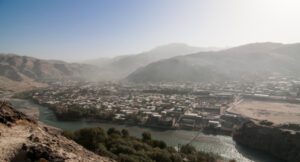
Jalalabad is one of Afghanistan’s most important eastern cities, sitting in Nangarhar Province near the route between Kabul and the Pakistan border at Torkham.
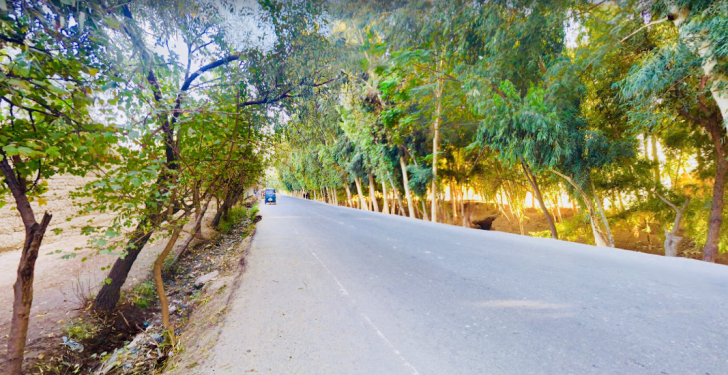
Geographically, it is warmer, greener, and lower than much of central Afghanistan, with citrus groves, mountain views, busy bazaars, and a long history as a trade and transit hub.
The city has cultural depth, strong regional identity, and access to dramatic landscapes, but it is also in one of Afghanistan’s most sensitive security corridors.
Jalalabad is not a casual tourist destination.
Its location near the border, history of militant activity, presence of checkpoints, and limited emergency support make it a high-risk place for foreign travelers, even if daily life continues for locals.
Warnings & Dangers in Jalalabad

OVERALL RISK: HIGH
Jalalabad is a high-risk destination for travelers. The city is in eastern Afghanistan, close to the Pakistan border, and has a history of terrorist attacks, targeted violence, checkpoints, and security operations. Even when the streets seem normal, the wider environment is unpredictable. Foreign tourists should avoid independent travel here.

TRANSPORT & TAXIS RISK: HIGH
Transport risk is high in Jalalabad because road movement can expose travelers to checkpoints, poor driving standards, road accidents, crime, sudden closures, and security incidents. The Kabul-Jalalabad road is especially serious because of terrain, traffic, and security concerns. Visitors should not use random taxis or move without trusted local arrangements.

PICKPOCKETS RISK: MEDIUM
Pickpocketing is not the biggest danger in Jalalabad, but it is still a realistic concern in bazaars, crowded streets, transport areas, and money-changing spots. Foreigners stand out, and phones, cash, watches, and cameras can attract attention. Keep valuables hidden, carry limited cash, and avoid crowded areas without a trusted local guide.

NATURAL DISASTERS RISK: MEDIUM
Jalalabad faces natural risks such as earthquakes, flooding, extreme heat, dust, and road disruption from landslides on surrounding mountain routes. Summer heat can be intense, and medical support is limited compared with developed destinations. The natural-disaster risk is not the top concern, but it can quickly make travel problems worse.

MUGGING RISK: MEDIUM
Street mugging is not the main danger compared with terrorism and kidnapping risks, but robbery can happen, especially if a traveler looks wealthy, lost, or isolated. Avoid walking alone, avoid moving at night, and do not display expensive belongings. In Jalalabad, even a small street-crime incident can become complicated because outside help is limited.

TERRORISM RISK: HIGH
Terrorism risk in Jalalabad is high. Nangarhar has long been associated with militant activity, including Islamic State Khorasan activity and Taliban security operations. Attacks may target authorities, checkpoints, public spaces, religious sites, or foreigners. The risk can shift quickly, and travelers have little control over exposure once they are on the ground.

SCAMS RISK: MEDIUM
Jalalabad is not full of polished tourist scams because it is not a normal tourist city, but visitors can still face inflated prices, fake guides, unreliable drivers, unclear permit demands, bad money exchange, and pressure from people offering “help.” The real danger is trusting the wrong person in a high-risk setting.

WOMEN TRAVELERS RISK: HIGH
Women travelers face serious safety, legal, and cultural restrictions in Jalalabad. Afghanistan under Taliban rule has strict expectations around dress, movement, gender interaction, and behavior. Solo female travel is strongly discouraged. Even foreign women should travel only with experienced local support, conservative clothing, and a clear understanding of current restrictions.

TAP WATER RISK: MEDIUM
Tap water in Jalalabad should not be considered safe for most foreign visitors. Drink bottled, boiled, or properly filtered water. Avoid ice, be careful with raw vegetables, and choose freshly cooked food. Stomach illness can be more serious here because reliable medical care and evacuation options are limited.
Safest Places to Visit in Jalalabad
Central Areas With Local Support
There are no places in Jalalabad that I would describe as “safe” in the normal tourist sense.
The safer approach is to stay in central, familiar areas only when accompanied by trusted local contacts.
If travel is unavoidable, movement should be planned, short, and purposeful.
Do not wander for sightseeing the way you might in Istanbul, Kraków, or Delhi.
Main Bazaar Areas During Daylight
Jalalabad’s bazaars can be interesting because they show the city’s role as a trading hub between Afghanistan and Pakistan.
During daylight, with a local guide, a short visit may be manageable.
The key is to keep a low profile.
Do not film people casually, do not show large amounts of cash, and do not remain in crowded areas longer than necessary.
Gardens and Riverside Areas With Guidance
Jalalabad is known for its warmer climate and greenery, and there are garden and river-adjacent areas around the city that may interest visitors.
These should only be visited with local advice because conditions vary by neighborhood, day, and security situation.
Do not assume that a peaceful-looking area is safe for independent walking.
Historic and Cultural Sites Nearby
Some travelers are interested in the wider Nangarhar region for history, landscape, and culture.
The safest way to approach any nearby site is through a trusted operator who understands current permissions, checkpoints, tribal sensitivities, and road risks.
In this part of Afghanistan, local knowledge is not a nice extra.
It is the safety plan.
Places to Avoid in Jalalabad
Checkpoints and Security Installations
Avoid lingering near checkpoints, government buildings, Taliban facilities, police posts, military positions, and official compounds.
These places can be sensitive, and they may also be targets for attacks.
Never photograph security personnel or installations.
If you pass through a checkpoint, stay calm and let your local contact handle the conversation.
The Kabul-Jalalabad Road Without Expert Arrangements
The road between Kabul and Jalalabad is one of the most important routes in Afghanistan, but it is not a simple tourist drive.
It passes through difficult terrain and has a history of accidents, security incidents, and disruption.
Do not travel this route independently, at night, or with an unknown driver.
Road movement is one of the biggest safety decisions you will make.
Border Routes Toward Torkham
The Torkham border area is strategically important and can become tense quickly because of Afghanistan-Pakistan relations, closures, clashes, smuggling concerns, and heavy traffic.
Travelers should avoid unnecessary border-area movement.
Even if the route is open, it can be stressful, crowded, and unpredictable.
Crowded Religious or Political Gatherings
Avoid large gatherings, public events, political activity, religious processions, and crowded public spaces during sensitive times.
Terrorist attacks in Afghanistan have often targeted crowds, religious communities, and official locations.
Even if an event looks normal, foreign visitors have no good reason to place themselves in the middle of it.
Night Movement Anywhere in the City
Do not move around Jalalabad at night unless it is necessary and arranged by trusted local contacts.
Darkness increases the risks of checkpoints, crime, confusion, road accidents, and mistaken identity.
A place that feels manageable in daylight can become much more dangerous after dark.
Safety Tips for Traveling to Jalalabad
- Do not travel to Jalalabad casually. Jalalabad is not a destination for ordinary tourism right now. This is not the kind of place where you land, book a cheap guesthouse, and explore with a backpack. Travel should only be considered for essential reasons or by highly experienced visitors with serious local support. For most tourists, the safest decision is not to go.
- Use trusted local contacts for every movement. If travel is unavoidable, do not move independently. Use local contacts who understand current security conditions, checkpoints, road closures, local rules, and neighborhood-level risks. A guide in Jalalabad is not just someone who explains history. They help you avoid dangerous misunderstandings and poor route decisions.
- Avoid the Kabul-Jalalabad road at night. Night travel is a bad idea in much of Afghanistan, and this route is no exception. Poor visibility, aggressive driving, checkpoints, breakdowns, and security problems all become more serious after dark. Plan movement only during daylight, and leave extra time so you are not forced into risky timing.
- Keep a very low profile. Do not wear flashy clothing, display expensive cameras, carry visible electronics, or talk loudly in foreign languages in sensitive areas. Foreigners can attract attention. The goal is to move quietly, respectfully, and without creating curiosity. In Jalalabad, standing out is rarely helpful.
- Do not discuss politics, religion, or security. Avoid conversations about the Taliban, foreign governments, Pakistan, the Islamic State, women’s rights, military operations, or local power structures. Even casual opinions can be risky if misunderstood. Keep conversations simple and neutral. Food, weather, family, landscapes, and basic travel topics are safer.
- Do not photograph people without permission. Photography is sensitive in Afghanistan, especially in conservative areas. Never photograph women, children, security forces, checkpoints, government buildings, or religious sites without clear permission. If someone objects, stop immediately. A photo is not worth creating a confrontation.
- Carry cash carefully. Card payments are limited, and cash is necessary, but do not carry large amounts in one place. Keep small notes accessible and larger amounts hidden separately. Avoid exchanging money in chaotic places without local help. Flashing cash in public can attract the wrong kind of attention.
- Prepare for limited medical care. Medical facilities in Jalalabad are not comparable to those in major international cities. Bring your own medication, basic first-aid supplies, stomach medicine, rehydration salts, and any prescriptions you need. If you have a medical condition, Jalalabad is a particularly risky place to be far from high-quality care.
- Be strict with food and water safety. Drink sealed bottled water or properly filtered water. Eat food that is cooked hot and served fresh. Avoid ice, raw salads, and fruit you cannot peel yourself. Food poisoning is unpleasant anywhere, but in a high-risk city with limited medical options, it becomes much more serious.
- Have an exit plan before you arrive. Do not wait for trouble before thinking about how to leave. Know your route out, keep documents accessible, maintain communication with someone outside Afghanistan, and have emergency cash. Embassy or consular support may be limited or unavailable. In a place like Jalalabad, your exit plan is part of your safety plan.
So... How Safe Is Jalalabad Really?
Jalalabad is not safe for ordinary tourism.
That does not mean every street is violent every hour of the day, and it does not mean local people are not living normal daily lives.
It means the margin for error is extremely small for foreign travelers.
The city sits in a sensitive eastern corridor close to Pakistan, in a province that has seen militant activity, terrorist attacks, checkpoint risks, and security operations for years.
The most important safety fact is that the risk is not limited to petty crime.
In many destinations, the traveler’s main concerns are pickpockets, taxi overcharging, bad neighborhoods, or unsafe nightlife.
In Jalalabad, the higher-level risks are terrorism, kidnapping, detention, border instability, road insecurity, and lack of emergency support.
Those risks are difficult for a tourist to manage independently.
There are culturally interesting places in and around Jalalabad, and the city has real historical and regional importance.
But a destination can be interesting and still not advisable.
My honest view is that Jalalabad should be rated high risk.
For most travelers, especially families, solo travelers, women travelers, and inexperienced visitors, it is better avoided until Afghanistan’s security situation changes significantly.
How Does Jalalabad Compare?
| City | Safety Index |
|---|---|
| Jalalabad |
20 |
| Herat |
27 |
| Faizabad |
23 |
| Kabul |
10 |
| Balkh |
26 |
| Ghazni |
21 |
| Bamiyan |
25 |
 Chisinau Chisinau | 72 |
 Fond du Lac Fond du Lac | 64 |
 Halifax Halifax | 79 |
| Guthrie | 84 |
 Victoria Falls Victoria Falls | 60 |
 Busan Busan | 87 |
Useful Information

Visas
Most foreign visitors need a visa to enter Afghanistan, and requirements can change depending on nationality, diplomatic access, and current Taliban administration rules. Do not assume entry is simple. Visas are usually arranged before travel through Afghan diplomatic channels or with help from specialized operators. Confirm everything before paying for flights.

Currency
The local currency is the Afghan afghani. Cash is essential because card payments and reliable ATM access are limited. US dollars may be useful for exchange or larger payments, but notes should be clean and undamaged. Use trusted exchange channels and avoid changing money alone in busy public areas.

Weather
Jalalabad has a hot climate compared with much of Afghanistan. Summers can be very hot, while winters are milder than in Kabul. Pack light but conservative clothing, sun protection, a hat, and sturdy shoes. Women should dress especially conservatively. Dust, heat, and dehydration are real concerns.

Airports
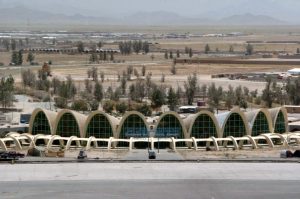
Jalalabad has an airport, but international travelers usually enter Afghanistan through Kabul and then travel by road or limited domestic arrangements. The Kabul-Jalalabad route carries major safety concerns, so airport and road plans should be organized through experienced local contacts. Do not rely on casual same-day transport decisions.

Travel Insurance
Travel insurance is essential, but many standard policies exclude Afghanistan or travel against government advice. Look specifically for coverage that includes emergency medical care, evacuation, terrorism exclusions, kidnapping exclusions, and high-risk destination travel. Read the policy carefully. Normal vacation insurance may not protect you in Jalalabad.
Jalalabad Weather Averages (Temperatures)
Average High/Low Temperature
| Temperature / Month | Jan | Feb | Mar | Apr | May | Jun | Jul | Aug | Sep | Oct | Nov | Dec |
|---|---|---|---|---|---|---|---|---|---|---|---|---|
| High °C |
15 | 17 | 22 | 28 | 34 | 38 | 38 | 37 | 34 | 28 | 22 | 17 |
| Low °C |
4 | 7 | 11 | 16 | 20 | 24 | 27 | 26 | 21 | 15 | 9 | 5 |
| High °F |
59 | 63 | 72 | 82 | 93 | 100 | 100 | 99 | 93 | 82 | 72 | 63 |
| Low °F |
39 | 45 | 52 | 61 | 68 | 75 | 81 | 79 | 70 | 59 | 48 | 41 |
Afghanistan - Safety by City
| City | Safety Index |
|---|---|
| Balkh | 26 |
| Bamiyan | 25 |
| Faizabad | 23 |
| Ghazni | 21 |
| Herat | 27 |
| Jalalabad | 20 |
| Kabul | 10 |
| Kandahar | 35 |
| Kunduz | 18 |