


 Afghanistan : Safety by City
Afghanistan - safety as a country
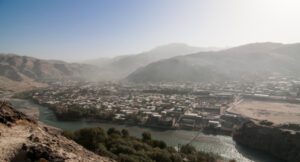
Herat is one of Afghanistan’s most historically important cities, sitting in the country’s west near the border with Iran.
For centuries, it was a major stop on trade routes between Central Asia, Persia, and the Indian subcontinent, and you can still feel that layered history in its blue-tiled mosques, old bazaars, shrines, citadel walls, and Persian-influenced culture.
Herat is often described as one of Afghanistan’s more cultured and visually beautiful cities, and honestly, that reputation makes sense.
It has poetry, architecture, craft traditions, and a kind of faded Silk Road elegance.
But this is not a normal city break destination.
Herat is in Afghanistan, and Afghanistan remains one of the most difficult and risky countries in the world for independent tourism.
The city may be calmer than its worst years, but safe is a very relative word here.
Warnings & Dangers in Herat

OVERALL RISK: HIGH
Herat is not a casual travel destination. The city has historical beauty and periods of day-to-day calm, but Afghanistan’s security environment remains unpredictable. Risks include terrorism, arbitrary detention, checkpoints, limited consular help, poor emergency care, restrictions on behavior, and sudden changes in local enforcement. Only experienced travelers with strong local support should consider going.

TRANSPORT & TAXIS RISK: MEDIUM
Transport inside Herat can be manageable with a trusted local driver, but using random taxis or traveling independently is risky. Road conditions, checkpoints, unclear rules, poor night visibility, and security controls can complicate even short trips. Intercity road travel from Herat is much more dangerous and should not be treated like normal sightseeing transport.

PICKPOCKETS RISK: MEDIUM
Pickpocketing is not the main danger in Herat, but petty theft can happen in markets, crowded streets, transport areas, and busy religious sites. The bigger concern is standing out as a foreigner while carrying phones, cameras, cash, or documents. Keep valuables hidden, carry only what you need, and avoid flashy behavior.

NATURAL DISASTERS RISK: MEDIUM
Western Afghanistan has real earthquake risk, and Herat province has suffered destructive earthquakes in recent years. The region can also face drought, dust, extreme heat, winter cold, and poor infrastructure after severe weather. Buildings may not meet strong safety standards, so know your exits, avoid damaged structures, and take tremors seriously.

MUGGING RISK: MEDIUM
Street mugging is not the most commonly reported tourist danger, partly because ordinary tourism is limited, but robbery can happen. The bigger concern is being targeted because you are visibly foreign, wealthy, or unfamiliar with the area. Avoid walking alone at night, do not display expensive gear, and move with trusted local contacts.

TERRORISM RISK: HIGH
The terrorism risk in Afghanistan remains high, including attacks on public places, religious sites, government-related locations, minorities, checkpoints, and crowded areas. Herat has been less constantly visible in global headlines than Kabul, but it is not immune. Avoid crowds, political activity, security sites, and predictable routines.

SCAMS RISK: MEDIUM
Classic tourist scams are not the biggest problem in Herat because tourism is limited. Still, travelers may face inflated prices, unreliable guides, fake permissions, unofficial fees, or drivers who create problems once the trip has started. Arrange services through trusted local contacts, agree prices clearly, and avoid anyone offering unusually easy access.

WOMEN TRAVELERS RISK: HIGH
Herat is especially difficult for women travelers. Afghanistan has severe restrictions on women’s dress, movement, work, education, and public life, and enforcement can vary suddenly. Foreign women may receive some flexibility, but that does not remove the risk. Conservative dress, local guidance, and careful planning are essential. Solo female travel is strongly discouraged.

TAP WATER RISK: HIGH
Do not drink tap water in Herat. Water quality can be unreliable, and stomach illness is a realistic concern for visitors. Use sealed bottled water, filtered water, or properly boiled water. Also avoid ice, raw foods washed in unsafe water, and street drinks unless you are very confident about hygiene.
Safest Places to Visit in Herat
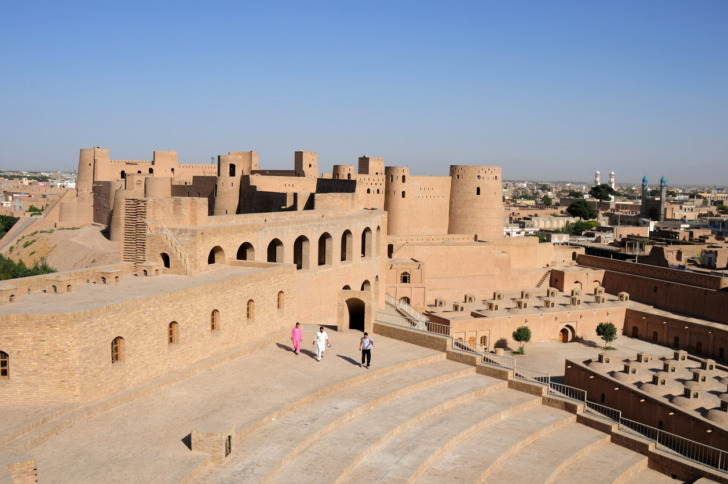
Herat Citadel
The Herat Citadel, also known as the Citadel of Alexander, is one of the city’s most important landmarks and one of the more realistic places for visitors to see with local support.
It is central, recognizable, and historically significant.
Even so, it should be visited in daylight, preferably with a local guide who understands current security conditions, photography rules, and access restrictions.
Friday Mosque of Herat
The Friday Mosque is one of Afghanistan’s architectural treasures, famous for its tilework, courtyards, and long religious history.
It can be a beautiful and meaningful place to visit, but it is still an active religious site.
Dress conservatively, avoid photographing people without permission, and do not visit during crowded prayer times unless your guide says it is appropriate.
Gazar Gah and the Shrine of Khwaja Abdullah Ansari
This shrine complex is another important cultural and spiritual site near Herat.
It is calmer than central bazaars and offers a deeper look at the city’s religious heritage.
As with all religious sites in Afghanistan, behavior matters.
Move quietly, follow local etiquette, and avoid treating the site like a casual tourist attraction.
Established Hotels and Controlled Guesthouses
In Herat, your accommodation is part of your safety plan.
The safest places to spend time are reputable hotels, guesthouses, or compounds used to receiving foreign visitors, NGO workers, business travelers, or guided groups.
A good hotel can help arrange drivers, explain local restrictions, and tell you when it is not wise to go out.
Main Bazaars With a Local Guide
Herat’s bazaars can be interesting, but they should not be explored carelessly.
With a trusted local guide, daytime visits to main commercial streets can be manageable.
Without local support, crowded areas are harder to read and easier to misjudge.
Keep the visit short, low-profile, and respectful.
Places to Avoid in Herat
Border Areas and the Islam Qala Route
The road toward the Iranian border and the Islam Qala crossing is not a sightseeing route.
Border areas can involve smuggling activity, security controls, political tension, unpredictable delays, and limited help if something goes wrong.
Unless you have an essential reason and experienced local support, avoid border travel.
Rural Districts Outside the City
The countryside around Herat may contain historic villages and landscapes, but rural travel is much riskier than staying in central Herat.
Road conditions, checkpoint issues, weak communications, unexploded ordnance concerns, tribal dynamics, and poor emergency access all increase risk.
For tourists, rural wandering is a bad idea.
Demonstrations and Public Gatherings
Avoid protests, political gatherings, religious crowds, funeral processions, and security-related scenes.
Even a small gathering can change quickly, and foreigners should not be nearby when tensions rise.
If you see a crowd forming, leave calmly and immediately.
Do not film it, comment on it, or ask questions in the street.
Government, Taliban, Military, and Police Sites
Do not photograph or linger near government buildings, checkpoints, police posts, military sites, prisons, compounds, airports, or security vehicles.
This can attract serious attention.
In Afghanistan, photography that would seem harmless elsewhere may be interpreted as suspicious.
When in doubt, put the phone away.
Night Travel and Empty Streets
Avoid being out after dark unless it is necessary and arranged through trusted local contacts.
Night travel increases the risk of checkpoint confusion, robbery, harassment, wrong turns, and poor emergency response.
Herat is not a city for spontaneous evening walks, especially for foreigners.
Safety Tips for Traveling to Herat
- Do not travel independently. Herat is not the place to improvise. Independent tourism in Afghanistan carries serious risks, even for experienced travelers. You need trusted local contacts, reliable transport, current security information, and someone who can communicate for you if a checkpoint, official, or local situation becomes complicated. This is not about comfort. It is about basic safety.
- Use a vetted local guide or fixer. A good local guide can make the difference between a controlled visit and a dangerous misunderstanding. They can advise on dress, photography, timing, road conditions, prayer times, local sensitivities, and what areas are best avoided that day. Do not choose the cheapest person you find online. Choose someone with real experience handling foreign visitors.
- Keep your profile low. Do not walk around with expensive cameras, jewelry, designer clothing, visible cash, or loud tourist energy. Herat is not a place where blending in completely is easy, but you can avoid making yourself look like a walking payday. Dress modestly, move quietly, and keep conversations about politics, religion, security, and the Taliban to yourself.
- Follow conservative dress rules. Men should dress modestly, avoiding shorts and sleeveless shirts. Women should dress very conservatively, with loose clothing and a head covering. In Herat, dress is not just a cultural detail. It can become a safety issue. Rules and enforcement may shift, and what felt acceptable yesterday may not be treated the same way today.
- Avoid photography unless clearly allowed. This is one of the biggest mistakes visitors can make. Do not photograph checkpoints, security personnel, government buildings, women, religious gatherings, military sites, or airports. Even photographing streets can create suspicion if someone thinks you are recording sensitive locations. Ask your guide before taking photos, and accept “no” immediately.
- Stay away from crowds. Crowds are unpredictable in Afghanistan. Markets, mosques, religious ceremonies, protests, and public events can become security risks. Terror attacks, panic, enforcement actions, or sudden confrontations are all possible. You do not need to avoid every human being, but you should avoid dense gatherings and never hang around to “see what happens.”
- Plan every movement before leaving your hotel. Know where you are going, who is driving, how long it should take, and what the backup plan is. Avoid random detours. Tell someone your route and expected return time. Keep your phone charged, but do not rely only on mobile service. In Herat, a casual “let’s just walk and explore” attitude can create unnecessary risk.
- Carry documents carefully. Keep your passport, visa, hotel information, emergency contacts, and copies of important documents secure. You may need identification at checkpoints or official encounters. Carrying the original passport may be necessary in some situations, but also keep digital and paper copies separate. Losing documents in Afghanistan can become a serious problem quickly.
- Be extremely careful with political conversations. Do not discuss the Taliban, foreign governments, women’s rights, religion, military history, local politics, or security forces with strangers. Even private conversations can be misunderstood or repeated. Travelers often underestimate how sensitive speech can be in restrictive environments. Your best political opinion in Herat is polite silence.
- Have a real exit plan. Before going to Herat, know how you will leave if the situation changes. Flights can be limited, road routes can become unsafe, and consular support may be weak or unavailable. Do not travel without extra cash, flexible plans, emergency contacts, and insurance that actually covers Afghanistan. If your government tells citizens not to travel, many normal insurance policies may exclude coverage.
So... How Safe Is Herat Really?
Herat is safer than the worst image many outsiders have of Afghanistan, but that does not make it safe in the normal travel sense.
This is the key distinction.
Day-to-day life continues, shops open, people work, families move around, and historic places still stand.
Some travelers do visit Afghanistan under the Taliban and report that certain roads and cities feel calmer than during periods of active war.
But “calmer” is not the same as “safe for tourists.”
The hard facts are that Afghanistan remains under the highest travel warning levels from many governments.
The risks are not theoretical.
Terrorist attacks still happen in the country.
Foreigners can face detention or questioning.
Medical facilities are limited.
Women face severe public restrictions.
Security rules can change suddenly.
Help from embassies may be very limited or unavailable inside Afghanistan.
Herat also has its own added concerns.
Western Afghanistan has earthquake risk, the Iranian border adds movement and security complexity, and recent enforcement around women’s dress has made the environment especially tense for female travelers.
Even if the city feels calm on a given day, the underlying risk remains high.
My honest opinion: Herat is a fascinating city, but it is not suitable for ordinary tourism right now.
It is best reserved for essential travel, specialist visits, humanitarian work, journalism, serious research, or highly experienced travelers using professional local support.
For everyone else, the safer choice is to admire Herat’s history from a distance and wait for a more stable future.
How Does Herat Compare?
| City | Safety Index |
|---|---|
| Herat |
27 |
| Ghazni |
21 |
| Balkh |
26 |
| Faizabad |
23 |
| Jalalabad |
20 |
| Kabul |
10 |
| Kandahar |
35 |
 Luang Prabang Luang Prabang | 75 |
 Hiroshima Hiroshima | 80 |
 Mostar Mostar | 72 |
 Yerevan Yerevan | 70 |
 Holetown Holetown | 88 |
 Maine Maine | 86 |
Useful Information

Visas
Most foreign visitors need a visa to enter Afghanistan. Tourist visa rules have changed in recent years, and an online e-visa system has been introduced for some travelers, usually for short single-entry stays. Requirements, eligibility, entry points, and fees can change quickly, so confirm details before booking. Israeli passport holders are generally not admitted.

Currency
The local currency is the Afghan afghani. Herat is mostly a cash economy, and international cards are not reliable. Bring clean, newer U.S. dollars for exchange, preferably in smaller denominations. Use trusted exchange offices through local contacts, count money carefully, and do not display large amounts of cash in public.

Weather
Herat has hot, dry summers and cold winters. Summer temperatures can feel harsh, especially with dust and limited shade, while winter nights can be very cold. Pack modest, loose clothing, sun protection, a hat, comfortable closed shoes, and layers. Women should bring conservative clothing suitable for strict public dress expectations.

Airports
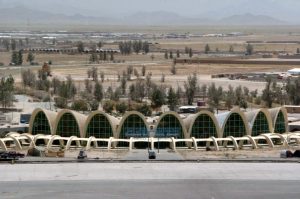
Herat International Airport serves the city, but flight availability can be limited, and schedules may change. Many international arrivals into Afghanistan still route through Kabul first. Airport transfers should be arranged in advance through a trusted hotel, guide, or organization. Do not rely on casual airport taxis or last-minute transport planning.

Travel Insurance
Travel insurance is essential, but Afghanistan is often excluded from standard policies because of official travel warnings. You need specialist coverage that includes high-risk destinations, emergency medical care, evacuation, cancellation, detention-related support if available, and adventure or fieldwork activity if relevant. Read exclusions carefully before paying for anything.
Herat Weather Averages (Temperatures)
Average High/Low Temperature
| Temperature / Month | Jan | Feb | Mar | Apr | May | Jun | Jul | Aug | Sep | Oct | Nov | Dec |
|---|---|---|---|---|---|---|---|---|---|---|---|---|
| High °C |
11 | 14 | 19 | 25 | 32 | 37 | 36 | 35 | 32 | 25 | 16 | 13 |
| Low °C |
-1 | 1 | 6 | 11 | 16 | 20 | 21 | 19 | 14 | 8 | 3 | 0 |
| High °F |
52 | 57 | 66 | 77 | 90 | 99 | 97 | 95 | 90 | 77 | 61 | 55 |
| Low °F |
30 | 34 | 43 | 52 | 61 | 68 | 70 | 66 | 57 | 46 | 37 | 32 |
Afghanistan - Safety by City
| City | Safety Index |
|---|---|
| Balkh | 26 |
| Bamiyan | 25 |
| Faizabad | 23 |
| Ghazni | 21 |
| Herat | 27 |
| Jalalabad | 20 |
| Kabul | 10 |
| Kandahar | 35 |
| Kunduz | 18 |
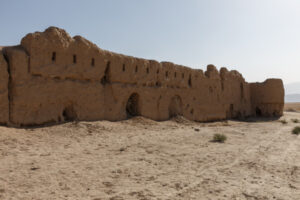



Yeah, because nothing says relaxing vacation like nearly getting lost in a centuries-old bazaar while wondering if you’ll make it out without a problem.