


 France : Safety by City
- Annecy
- Avignon
- Bordeaux
- Cannes
- Chamonix
- Colmar
- Grenoble
- Le Havre
- Lille
- Lyon
- Marseille
- Martinique
- Montpellier
- Nantes
- Nice
- Nimes
- Paris
- Reims
- Rennes
- Strasbourg
- Toulon
- Toulouse
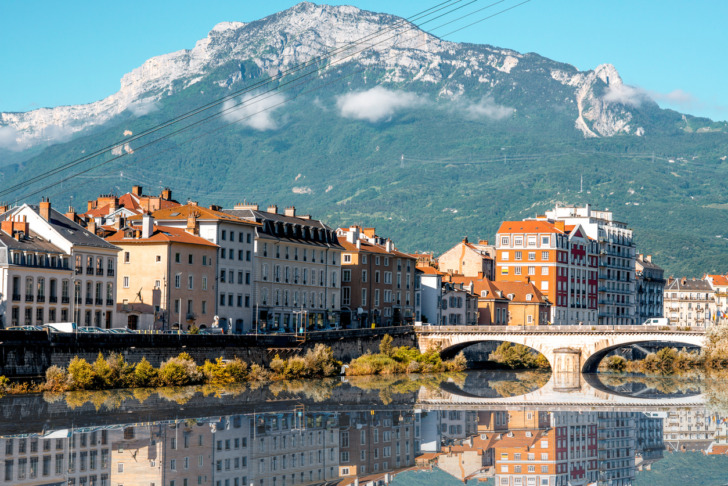
Grenoble is a lively city in southeastern France, sitting in a dramatic valley surrounded by the Alps.
It is often called the “Capital of the Alps” because mountains rise on nearly every side, with easy access to hiking, skiing, cable cars, viewpoints, university life, museums, and nearby resorts.
The city has a younger, more local feel than many polished tourist towns, with students, researchers, cyclists, commuters, and outdoor lovers all mixing in the same streets.
Grenoble is worth visiting, especially if you like mountains, science, history, and day trips into the Alps.
Safety-wise, though, it is not as carefree as smaller alpine towns like Annecy or Chamonix.
Most visitors are fine, but petty theft, transport-area crime, nighttime caution, demonstrations, traffic, and mountain weather all deserve attention.
Warnings & Dangers in Grenoble

OVERALL RISK: MEDIUM
Grenoble is a medium-risk destination compared with many smaller French mountain towns. Most central tourist areas are safe during the day, and violent crime against visitors is not common. The main concerns are petty theft, certain neighborhoods after dark, transport hubs, bike theft, occasional unrest, and mountain-related risks outside the city.

TRANSPORT & TAXIS RISK: LOW
Public transport in Grenoble is generally safe and useful. Trams, buses, trains, taxis, and bike paths connect much of the city. The main risks are pickpockets at stations, crowded trams, late-night waits, and traffic around busy roads. Taxis and ride-hailing are safe, especially when returning late from restaurants or nightlife.

PICKPOCKETS RISK: MEDIUM
Pickpocketing and bag theft can happen in Grenoble, especially around the train station, tram stops, shopping streets, markets, busy squares, and student nightlife areas. The risk is not extreme, but it is higher than in small resort towns. Keep phones, wallets, and bags secure, especially on public transport.

NATURAL DISASTERS RISK: MEDIUM
Grenoble has a medium natural risk because it sits in an alpine valley. Heavy rain, flooding, heatwaves, winter ice, avalanches in nearby mountains, landslides, and sudden weather changes can affect travel. Air quality can also be an issue in the valley during certain weather patterns. Mountain trips require proper planning.

MUGGING RISK: MEDIUM
Mugging is not a daily tourist concern, but the risk is higher than in some quieter French destinations. Avoid poorly lit streets, isolated parks, underpasses, and quiet areas late at night, especially if alone. Use transport after dark if your accommodation is far from the center or station area.

TERRORISM RISK: MEDIUM
Grenoble does not have a special terrorism profile, but France as a whole has a broader security context. Crowded public places, transport hubs, events, and demonstrations deserve normal awareness. For most travelers, petty crime, nightlife safety, traffic, and outdoor risks are more practical concerns.

SCAMS RISK: LOW
Scams are not a major issue in Grenoble. The more realistic problems are occasional overcharging, fake petitions, distraction theft, unclear taxi prices, and poor-value offers around busy tourist or station areas. Check prices before agreeing to services, and be cautious if strangers approach with emotional or urgent stories.

WOMEN TRAVELERS RISK: MEDIUM
Women can travel safely in Grenoble, including solo travelers, but extra nighttime caution is smart. Central areas are comfortable during the day, and public transport is usually fine. After dark, avoid isolated streets, parks, and underpasses; watch your drinks, and use trusted transport if returning alone or staying outside the center.

TAP WATER RISK: LOW
Tap water in Grenoble is safe to drink. Bring a reusable bottle, especially if walking, cycling, hiking, or visiting in summer. The city has good mountain access, but do not assume stream or lake water outside the city is safe without treatment. For hikes, carry enough water or use proper filtration.
Safest Places to Visit in Grenoble
Bastille and Cable Car Area
The Bastille is one of Grenoble’s top attractions and generally safe during the day and early evening.
Visitors can take the famous bubble cable cars from the city center up to the fortress for views over Grenoble and the surrounding mountains.
The main safety issues are steep paths, slippery surfaces after rain, and returning after dark.
Use the cable car or well-marked routes, and avoid isolated hillside paths late at night.
Grenoble City Center
The historic center around Place Grenette, Place Saint-André, and nearby pedestrian streets is safe and lively during the day.
It has restaurants, shops, cafes, museums, and tram access.
In the evening, the main streets remain comfortable, especially around active dining areas.
Watch belongings in crowds and avoid wandering into quiet side streets late at night.
Jardin de Ville
Jardin de Ville is a pleasant central park near the cable car station and old town.
It is safe during the day and useful for a break between sightseeing stops.
Like many urban parks, it is better visited in daylight or early evening rather than late at night.
Keep bags close when sitting or relaxing.
Musée de Grenoble
The Musée de Grenoble is a safe, well-managed cultural stop and one of the city’s best indoor attractions.
The surrounding area is central enough to be practical, with tram access and nearby streets leading back toward the old town.
It is a good option during rain, heat, or if you want a calmer break from the city.
Saint-Laurent District
The Saint-Laurent district along the Isère River is one of Grenoble’s most atmospheric areas, with old streets, restaurants, museums, and access toward the Bastille.
It is generally safe during the day and early evening.
At night, stick to busier riverside and restaurant areas rather than quiet lanes or dark stairways.
Places to Avoid in Grenoble
Train Station Area Late at Night
Grenoble’s train station is useful and generally safe during the day, but the surrounding area deserves caution late at night.
Pickpockets, loitering, and uncomfortable encounters are more likely around transport hubs.
If arriving late, arrange transport to your accommodation instead of wandering with luggage.
Isolated Parks After Dark
Urban parks and green spaces in Grenoble are pleasant during the day, but not ideal late at night.
Poor lighting, empty paths, and limited foot traffic increase the risk of uncomfortable situations.
If you want an evening walk, stay in active central streets or well-lit riverfront areas.
Underpasses and Quiet Side Streets
Avoid unnecessary underpasses, dark shortcuts, and quiet streets late at night, especially if alone.
Grenoble is not a city where tourists need to panic, but it is a place where route choice matters.
A slightly longer, brighter route is better than a shortcut that feels wrong.
Certain Outer Neighborhoods Without a Reason
Most visitors do not need to explore outer residential neighborhoods where safety can vary.
Stick to the center, Bastille area, university-related zones, museums, known restaurants, and transport routes.
If visiting friends, events, or accommodation outside the center, ask locals or hotel staff about the safest way to get there and back.
Mountain Trails in Bad Weather
The mountains around Grenoble are incredible, but do not hike in storms, snow, fog, extreme heat, or poor visibility unless you are properly prepared.
Trail conditions can change quickly.
Avoid closed trails, exposed ridges, and late starts.
The Alps are beautiful, but they are not gentle background decoration.
Safety Tips for Traveling to Grenoble
- Stay near the center if it is your first visit. For first-time visitors, staying near the historic center, tram lines, or the station-side central areas makes Grenoble easier and safer. You will have better access to restaurants, museums, transport, and the cable car. If accommodation is far out, check the neighborhood and late-night transport options before booking.
- Be alert around the train station. Grenoble’s station is practical, but like many European transport hubs, it deserves extra awareness. Keep luggage close, avoid leaving bags unattended, and do not get distracted by people asking for help, money, or signatures. If you arrive late, use a taxi, tram, or pre-planned route rather than improvising with heavy bags.
- Use trams and taxis after dark. Grenoble’s trams are useful and generally safe, but late at night, choose routes carefully and avoid long walks through quiet areas. If you are returning from dinner, nightlife, or a late train, a taxi or ride-hailing option may be worth it. This is especially true if you are alone or staying outside the center.
- Keep your phone secure. Phone theft can happen in busy public areas, especially on trams, at stops, in cafes, and around the station. Do not leave your phone on outdoor tables, hold it loosely near the street, or keep it in an open pocket. Grenoble is not terrifying, but it is still a real city, not a mountain village.
- Watch for bike theft. Grenoble is a cycling city, but bike theft is a known issue. If renting or borrowing a bike, use a strong lock and secure it properly. Do not leave a bike overnight in a random public spot if you can avoid it. For short visits, rental systems or hotel bike storage can be safer.
- Check mountain weather before day trips. Grenoble’s best feature is its mountain access, but weather changes quickly. Before hiking, skiing, or taking a day trip into the Vercors, Chartreuse, or Belledonne ranges, check conditions. Bring layers, water, proper shoes, and a charged phone. A sunny city morning does not guarantee safe mountain weather.
- Wear proper shoes for the Bastille. Walking up or down from the Bastille can be rewarding, but the paths are steep in places and can become slippery after rain. Wear shoes with grip and avoid rushing downhill. If you are tired, short on daylight, or the weather is bad, use the cable car instead.
- Avoid demonstrations and unrest. Grenoble can have protests, strikes, or demonstrations like other French cities. Most are peaceful, but they can disrupt transport or become tense. If you see a large demonstration, avoid the area and choose another route. Do not try to push through crowds or photograph tense situations up close.
- Protect yourself from heat and air-quality dips. Grenoble’s valley setting can make summer heat feel trapped, and air quality can vary during certain weather conditions. In hot periods, drink water, avoid intense midday walks, and seek shade or indoor breaks. If you are sensitive to air pollution, check conditions before long outdoor activity.
- Plan alpine activities realistically. Grenoble makes the mountains look close and easy, but outdoor plans still need respect. Choose hikes that match your fitness, start early, tell someone your route, and do not rely only on phone signal. If skiing or snowboarding nearby, use proper gear and check avalanche or weather information. The safest mountain day is the one you do not overestimate.
So... How Safe Is Grenoble Really?
Grenoble is safe enough for travelers, but it is not as polished or carefree as some smaller Alpine towns.
During the day, the historic center, Bastille, museums, restaurant streets, and main transport routes are generally comfortable.
Most visitors will not experience anything worse than crowded trams, petty theft risk, or a bit of urban grit around the station.
The city does have a medium safety profile because of petty crime, nighttime caution, certain outer areas, and transport-hub awareness.
It is not a place where travelers should be paranoid, but it is a place where they should pay attention.
Secure your belongings, avoid isolated areas late at night, stay near active streets, and use trusted transport when needed.
The other major safety factor is the mountains.
Grenoble is a gateway to serious alpine terrain, and outdoor trips can involve weather, altitude, snow, avalanches, cliffs, and trail conditions.
I would rate Grenoble as medium risk overall, mostly because it combines urban safety concerns with mountain risks.
With good planning, it can be a rewarding, scenic, and practical base for exploring the French Alps.
How Does Grenoble Compare?
| City | Safety Index |
|---|---|
| Grenoble |
68 |
| Montpellier |
48 |
| Toulouse |
57 |
| Lille |
56 |
| Colmar |
86 |
| Lyon |
72 |
| Paris |
70 |
 Islamabad Islamabad | 50 |
 Inverness Inverness | 73 |
 Dhaka Dhaka | 32 |
 Mercer Island Mercer Island | 82 |
| Omaha | 62 |
| Fort Wayne | 68 |
Useful Information

Visas
Grenoble is in France, which is part of the Schengen Area. Many travelers can visit visa-free for up to 90 days in a 180-day period, while others need a Schengen visa before arrival. Your Schengen allowance applies across member countries, so check passport validity and travel dates before booking.

Currency
Grenoble uses the euro. Credit and debit cards are widely accepted in hotels, restaurants, shops, museums, and transport services. Cash is still useful for markets, small cafes, tips, and backup. ATMs are easy to find in central areas, but avoid withdrawing large amounts late at night.

Weather
Grenoble has hot summers, cold winters, and changeable weather because of its alpine location. Summer can feel hot in the valley, while winter brings snow and ice in nearby mountains. Spring and autumn are good for city walks and hiking. Pack layers, comfortable shoes, rain protection, and mountain gear if heading outside the city.

Airports
Grenoble has a small airport used mainly for seasonal and holiday flights, but many travelers arrive through Lyon, Geneva, or sometimes Paris, then continue by train, bus, rental car, or private transfer. Grenoble's train station connects well with regional and national routes, making rail travel a practical option.

Travel Insurance
Travel insurance is recommended for Grenoble, especially if your trip includes skiing, hiking, cycling, rental cars, prepaid hotels, or mountain excursions. Good coverage should include medical care, cancellations, theft, lost luggage, delays, winter sports if relevant, mountain rescue, and weather-related disruptions.
Grenoble Weather Averages (Temperatures)
Average High/Low Temperature
| Temperature / Month | Jan | Feb | Mar | Apr | May | Jun | Jul | Aug | Sep | Oct | Nov | Dec |
|---|---|---|---|---|---|---|---|---|---|---|---|---|
| High °C |
7 | 9 | 13 | 17 | 21 | 24 | 27 | 27 | 22 | 17 | 11 | 7 |
| Low °C |
-1 | -1 | 2 | 4 | 8 | 12 | 14 | 14 | 11 | 7 | 3 | 0 |
| High °F |
45 | 48 | 55 | 63 | 70 | 75 | 81 | 81 | 72 | 63 | 52 | 45 |
| Low °F |
30 | 30 | 36 | 39 | 46 | 54 | 57 | 57 | 52 | 45 | 37 | 32 |
France - Safety by City
| City | Safety Index |
|---|---|
| Annecy | 88 |
| Avignon | 78 |
| Bordeaux | 63 |
| Cannes | 80 |
| Chamonix | 84 |
| Colmar | 86 |
| Grenoble | 68 |
| Le Havre | 63 |
| Lille | 56 |
| Lyon | 72 |
| Marseille | 55 |
| Martinique | 78 |
| Montpellier | 48 |
| Nantes | 56 |
| Nice | 73 |
| Nimes | 65 |
| Paris | 70 |
| Reims | 68 |
| Rennes | 65 |
| Strasbourg | 74 |
| Toulon | 64 |
| Toulouse | 57 |












I once got caught in a sudden mountain downpour there and still loved how cozy the cafes felt after running inside soaked to the bone.
I’ve been around Grenoble a bit and while the mountain views are killer, do you think the crime risk really changes the vibe that much, or is it just something to watch out for like anywhere?