 France : Safety by City
- Annecy
- Avignon
- Bordeaux
- Cannes
- Chamonix
- Colmar
- Grenoble
- Le Havre
- Lille
- Lyon
- Marseille
- Martinique
- Montpellier
- Nantes
- Nice
- Nimes
- Paris
- Reims
- Rennes
- Strasbourg
- Toulon
- Toulouse
Colmar is one of the prettiest towns in eastern France, sitting in Alsace near the German border, between Strasbourg and Mulhouse.
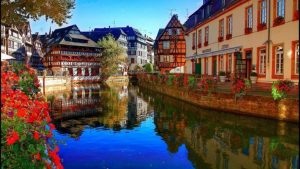
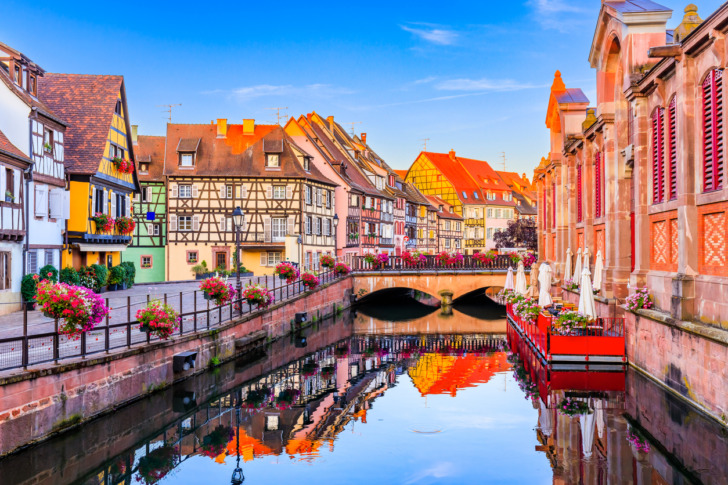
It looks almost unfairly charming: half-timbered houses, flower boxes, canals, cobbled lanes, wine taverns, pastel facades, and a storybook old town that feels like it was designed by someone with a serious weakness for gingerbread houses.
Colmar is also a great base for the Alsace Wine Route, with villages like Eguisheim, Riquewihr, Kaysersberg, and Ribeauvillé nearby.
It is generally very safe, relaxed, clean, and easy to explore on foot.
The main risks are not dramatic ones.
Think pickpockets in crowded areas, Christmas market crowds, train station theft, slippery cobblestones, rental-car break-ins, and the danger of accidentally eating your body weight in cheese and tarte flambée.
Warnings & Dangers in Colmar

OVERALL RISK: LOW
Colmar is a low-risk destination for most travelers. Violent crime is rare, the old town is walkable, and tourist areas feel safe during the day and evening. The main safety issues are petty theft, crowded seasonal events, car break-ins, slippery streets, and travel delays during peak tourist periods.

TRANSPORT & TAXIS RISK: LOW
Transport in Colmar is generally safe. The town is easy to walk, trains connect it with Strasbourg, Basel, Mulhouse, and other Alsace towns, and taxis are safe but limited. If renting a car, be careful with narrow streets, parking rules, and leaving valuables visible at village stops or viewpoints.

PICKPOCKETS RISK: MEDIUM
Pickpocketing is the most realistic crime risk in Colmar. It can happen around the train station, old town, Christmas markets, busy restaurants, and crowded shopping streets. The risk is not extreme, but visitors get distracted by the scenery. Keep bags zipped, phones secure, and wallets out of back pockets.

NATURAL DISASTERS RISK: LOW
Colmar has a low natural disaster risk. The main concerns are heavy rain, winter ice, summer heat, occasional storms, and slippery cobblestones. The wider Alsace region can have weather disruptions, but major natural disasters are not a common tourist concern. Dress for the season and watch your footing in rain or snow.

MUGGING RISK: LOW
Mugging is very rare in Colmar. Central streets, the old town, restaurants, hotels, and main tourist areas are generally safe. Still, avoid quiet lanes, dark parks, and isolated station-area streets late at night if alone. Petty theft is much more likely than violent street crime.

TERRORISM RISK: MEDIUM
Colmar itself is not a major terrorism target, but France has a broader national security context that travelers should be aware of. Crowded public spaces, Christmas markets, transport hubs, and large events deserve normal awareness. For most visitors, theft, crowds, and weather are far more practical concerns than terrorism.

SCAMS RISK: LOW
Scams are uncommon in Colmar. The main issues are tourist pricing, unclear restaurant costs, fake petitions, overpriced souvenirs, or vague tour offers during busy seasons. Most businesses are legitimate and professional. Check menus, confirm prices before tours or taxis, and be cautious with anyone who approaches too aggressively.

WOMEN TRAVELERS RISK: LOW
Colmar is very safe for women travelers, including solo women. The old town is comfortable, well visited, and easy to walk during the day and evening. Normal precautions still apply: avoid isolated streets late at night, watch drinks, use trusted transport if needed, and choose accommodation near the center.

TAP WATER RISK: LOW
Tap water in Colmar is safe to drink. Bring a reusable bottle, especially if you plan to walk all day, visit summer markets, or explore wine-route villages. Restaurants may serve bottled water by default, but there is no safety reason to avoid tap water.
Safest Places to Visit in Colmar
Old Town
Colmar’s old town is the safest and most rewarding place to begin.
Its cobbled streets, half-timbered houses, shops, cafes, bakeries, and wine restaurants make it the heart of the city.
During the day and early evening, it feels lively and very comfortable.
The main thing to watch is your belongings in crowded areas, especially near popular photo spots and restaurant terraces.
Little Venice
Little Venice is Colmar’s most famous canal area and one of the safest places for tourists.
It is charming, photogenic, and usually full of visitors, especially in spring, summer, and the Christmas market season.
The bridges and waterside paths are easy to enjoy, but watch your step on wet cobblestones and keep your phone secure while taking photos.
Unterlinden Museum Area
The area around the Unterlinden Museum is safe, central, and useful for travelers who want culture beyond the postcard streets.
It is close to shops, cafes, and main walking routes.
The museum is also a good indoor option during rain, cold weather, or heavy Christmas market crowds.
Christmas Market Zones
Colmar’s Christmas markets are beautiful and generally safe, with lights, decorations, food stalls, crafts, and a very festive atmosphere.
They are also crowded, which raises the risk of pickpocketing.
Go earlier in the day for a calmer experience.
Carry small cash, keep your phone secure, and avoid bringing unnecessary valuables.
Nearby Wine Villages
Villages like Eguisheim, Riquewihr, Kaysersberg, and Ribeauvillé are generally very safe and make excellent day trips from Colmar.
They are scenic, walkable, and tourist-friendly.
The main concerns are parking, narrow roads, wine tasting before driving, and leaving bags visible in rental cars.
Places to Avoid in Colmar
Train Station Area When Distracted
Colmar’s train station is safe overall, but it is one of the places where travelers should be more alert.
Pickpockets look for people handling luggage, checking platforms, buying tickets, or looking at phones.
Keep bags close, do not leave luggage unattended, and avoid distractions from strangers offering unnecessary help.
Empty Old-Town Lanes Late at Night
The old town is not dangerous, but some narrow lanes become very quiet late at night after restaurants close.
If you are alone, stick to central, well-lit routes back to your hotel.
Colmar is low risk, but dark, empty, unfamiliar streets are never the best place to wander carelessly.
Crowded Christmas Market Bottlenecks
The Christmas markets are one of the best reasons to visit Colmar, but some streets can become packed.
Crowds near food stalls, decorations, bridges, and narrow lanes can make movement slow and theft easier.
Avoid carrying large backpacks, keep valuables close, and visit outside peak evening hours if possible.
Parking Areas With Valuables in the Car
If you are driving the Alsace Wine Route, do not leave luggage, cameras, passports, electronics, or shopping bags visible in the car.
This applies in Colmar, nearby villages, vineyards, viewpoints, and public parking lots.
Car break-ins are not constant, but visible tourist belongings are an unnecessary invitation.
Rural Roads After Wine Tastings
The villages around Colmar are famous for wine, which is wonderful until someone forgets they still need to drive.
Avoid driving after drinking, especially on narrow village roads or in dark, rainy weather.
Use a tour, taxi, designated driver, or stay overnight in a wine village if you plan to taste properly.
Safety Tips for Traveling to Colmar
- Keep your valuables secure in crowds. Colmar is safe, but crowded tourist areas create opportunities for pickpockets. This is especially true in the old town, Little Venice, the train station, markets, and Christmas market streets. Keep your bag zipped and close to your body. Do not put your wallet in a back pocket, and avoid leaving phones on restaurant tables.
- Visit Christmas markets at smarter times. Colmar’s Christmas markets are magical, but they can get very crowded in the evenings and on weekends. If you want a safer, calmer visit, go earlier in the day or on weekdays. You will have more space, better photos, and less chance of bumping through crowds with a cup of hot wine in one hand and your phone in the other.
- Wear proper shoes. Colmar is built for walking, but the old town has cobblestones, uneven paths, bridges, and slippery surfaces in rain or winter. Comfortable shoes with good grip are a smart idea. This matters even more if you are visiting nearby wine villages, where streets can be steep or uneven.
- Be careful at the train station. The train station is useful and safe, but it deserves extra attention. Travelers with luggage are easy targets for distraction theft. Keep your bags where you can see them, avoid letting strangers handle your belongings, and stay alert when buying tickets or boarding trains. The same applies to busy regional trains.
- Do not leave belongings in rental cars. Alsace road trips are popular, and many visitors rent cars to visit villages and vineyards. That is a great idea, but never leave valuables visible. Put bags in the trunk before arriving at stops, not after parking. Better yet, leave passports, laptops, and extra cash at your accommodation.
- Watch your wine tasting and driving. Colmar is surrounded by excellent wine country, and tastings are part of the experience. But the safest plan is to avoid driving after drinking. Use organized tours, public transport where possible, a designated driver, or stay overnight in a village. Alsace wine is charming. A roadside police stop is less charming.
- Check restaurant prices in tourist zones. Colmar is not scammy, but restaurants in prime old-town locations can be more expensive than expected. Check menus before sitting down, especially near Little Venice and the busiest squares. This is not about being cheap. It is about avoiding the “wait, that was how much?” face when the bill arrives.
- Stay aware during festivals and events. Colmar has seasonal events, wine-related celebrations, and very popular Christmas markets. These are safe and enjoyable, but crowds, road closures, and limited accommodation can make travel more stressful. Book early, arrive with patience, and keep your belongings secure during busy event periods.
- Use layers in winter and summer. Colmar can be cold in winter, especially during Christmas market evenings, and warm in summer, especially when walking all day. Dress in layers, bring water in summer, and wear a warm coat, gloves, and scarf in winter. Being comfortable helps you stay alert and enjoy the town more.
- Plan day trips realistically. Colmar is a great base for Strasbourg, Basel, Freiburg, Eguisheim, Riquewihr, Kaysersberg, and other Alsace stops. But do not overpack your day. Parking, traffic, market crowds, and restaurant timing can slow everything down. A slower itinerary is safer, easier, and much more Alsatian anyway. This region is not meant to be sprinted through.
So... How Safe Is Colmar Really?
Colmar is very safe for travelers.
It has low violent crime, a compact old town, strong tourism infrastructure, and a relaxed atmosphere that works well for couples, families, solo travelers, older visitors, wine travelers, and first-time visitors to Alsace.
Most people will feel comfortable walking through the center, eating out, visiting museums, exploring Little Venice, and taking day trips to nearby villages.
The main safety issue is petty theft, especially during crowded times.
Christmas market season is beautiful, but it brings dense crowds and distracted visitors.
The train station is another place to stay alert, mostly because travelers are carrying luggage and checking schedules.
Rental-car safety matters too, especially if you are visiting villages with bags in the car.
I would rate Colmar as low risk overall, with medium risk for pickpocketing during peak crowds and for car break-ins if valuables are visible.
It is not a destination where you need to feel nervous.
Just stay aware in crowds, wear good shoes, secure your belongings, avoid drinking and driving on the wine route, and plan around busy seasons.
Do that, and Colmar is one of the safest and most charming towns in France.
How Does Colmar Compare?
| City | Safety Index |
|---|---|
| Colmar |
86 |
| Toulouse |
57 |
| Marseille |
55 |
| Avignon |
78 |
| Annecy |
88 |
| Rennes |
65 |
| Le Havre |
63 |
 Durban Durban | 38 |
 Fairfield Fairfield | 85 |
| Dalton | 91 |
| Findlay | 78 |
| Boonville | 83 |
| Silver City | 72 |
Useful Information

Visas
Colmar is in France, which is part of the Schengen Area. Many travelers can visit visa-free for up to 90 days in a 180-day period, while others need a Schengen visa before arrival. Your Schengen days count across multiple member countries, so check passport validity and travel dates before booking.

Currency
Colmar uses the euro. Credit and debit cards are widely accepted in hotels, restaurants, shops, museums, and larger businesses. Cash is useful for markets, small bakeries, tips, public toilets, and Christmas market stalls. ATMs are easy to find in the center, but avoid carrying large amounts of cash.

Weather
Colmar has a semi-continental climate with warm summers, cold winters, and relatively dry conditions compared with some nearby regions. Summer is good for walking and wine-route trips, while winter is famous for Christmas markets. Pack layers, comfortable shoes, sunscreen in summer, and warm clothing for winter evenings.

Airports
Colmar does not have a major international airport. The closest useful airports are EuroAirport Basel-Mulhouse-Freiburg and Strasbourg Airport, both roughly 70 kilometers away. Travelers can reach Colmar by train, rental car, bus connections, or private transfer. Basel and Strasbourg are usually the most practical airport choices.

Travel Insurance
Travel insurance is recommended for Colmar, especially if your trip includes flights, trains, rental cars, prepaid hotels, Christmas market travel, or wine-route day trips. Good coverage should include medical care, cancellations, theft, lost luggage, delays, rental-car issues, and weather-related disruptions during winter travel.
Colmar Weather Averages (Temperatures)
Average High/Low Temperature
| Temperature / Month | Jan | Feb | Mar | Apr | May | Jun | Jul | Aug | Sep | Oct | Nov | Dec |
|---|---|---|---|---|---|---|---|---|---|---|---|---|
| High °C |
6 | 8 | 12 | 17 | 21 | 24 | 27 | 26 | 21 | 16 | 9 | 6 |
| Low °C |
-1 | 0 | 2 | 4 | 9 | 13 | 14 | 14 | 10 | 7 | 3 | 0 |
| High °F |
43 | 46 | 54 | 63 | 70 | 75 | 81 | 79 | 70 | 61 | 48 | 43 |
| Low °F |
30 | 32 | 36 | 39 | 48 | 55 | 57 | 57 | 50 | 45 | 37 | 32 |
France - Safety by City
| City | Safety Index |
|---|---|
| Annecy | 88 |
| Avignon | 78 |
| Bordeaux | 63 |
| Cannes | 80 |
| Chamonix | 84 |
| Colmar | 86 |
| Grenoble | 68 |
| Le Havre | 63 |
| Lille | 56 |
| Lyon | 72 |
| Marseille | 55 |
| Martinique | 78 |
| Montpellier | 48 |
| Nantes | 56 |
| Nice | 73 |
| Nimes | 65 |
| Paris | 70 |
| Reims | 68 |
| Rennes | 65 |
| Strasbourg | 74 |
| Toulon | 64 |
| Toulouse | 57 |