


 Netherlands : Safety by City
Netherlands - safety as a country
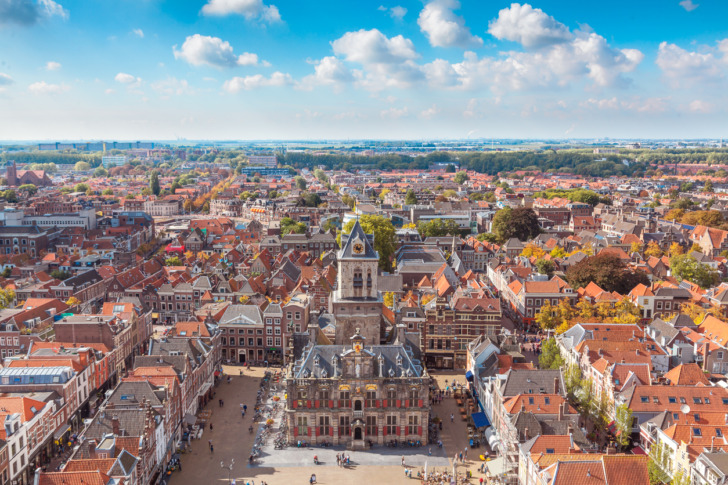
Delft is one of those Dutch cities that feels like it was designed by someone who loved canals, church towers, bicycles, and cozy café terraces a little too much.
Located in South Holland between Rotterdam and The Hague, Delft is famous for its blue-and-white pottery, its connection to painter Johannes Vermeer, its historic old town, and TU Delft, one of Europe’s major technical universities.
It is smaller and calmer than Amsterdam, but it still has plenty of character: leaning canal houses, cobbled lanes, market squares, museums, and bike-filled streets that look almost too picturesque to be real.
For travelers, Delft is generally very safe, easy to walk around, and wonderfully relaxed, though petty theft and bike-related chaos still deserve attention.
Warnings & Dangers in Delft

OVERALL RISK: LOW
Delft is a safe destination by European standards and feels especially manageable because of its compact size. Violent crime is uncommon, tourist areas are well maintained, and most visits are trouble-free. The biggest risks are petty theft, bicycle accidents, and normal city-center caution at night.

TRANSPORT & TAXIS RISK: LOW
Public transport in and around Delft is reliable, safe, and easy to use. Trains connect Delft with Rotterdam, The Hague, Amsterdam, and Schiphol Airport. Taxis are generally safe but can be expensive, so use official taxis or ride-hailing apps. Watch for cyclists before stepping into streets or bike lanes.

PICKPOCKETS RISK: MEDIUM
Pickpocketing is not rampant in Delft, but it can happen around the train station, busy shopping streets, markets, and crowded events. Delft attracts day-trippers, students, and international visitors, which creates the usual opportunity for petty theft. Keep bags closed and avoid leaving phones on café tables.

NATURAL DISASTERS RISK: LOW
Delft does not face earthquakes, hurricanes, or extreme natural disaster risks. The main environmental concern is water management, since the Netherlands is low-lying and flood-conscious. The Dutch infrastructure is excellent, so travelers are unlikely to experience serious disruption, though heavy rain can make cycling and walking less pleasant.

MUGGING RISK: LOW
Muggings are rare in Delft, especially in the historic center and main tourist zones. The city is generally calm, even at night. Still, avoid isolated parks, poorly lit streets, and deserted paths after dark, especially if you are walking alone or unfamiliar with the area.

TERRORISM RISK: MEDIUM
The Netherlands maintains awareness of terrorism risks, especially in public spaces, transport hubs, and crowded events. Delft itself is not a major target compared with Amsterdam, Rotterdam, or The Hague, but it is close to larger cities. Stay alert in busy areas and follow local instructions during emergencies.

SCAMS RISK: LOW
Delft is not known for aggressive tourist scams. Most businesses are straightforward, prices are usually clear, and the city does not have the high-pressure tourist hustle found in some larger destinations. Watch out for overcharging by unofficial taxis, fake petitions, or distraction tactics in crowded areas.

WOMEN TRAVELERS RISK: LOW
Delft is a very comfortable city for women travelers, including solo travelers. Streets are generally safe, public transport is dependable, and harassment is not a major issue. Normal precautions still apply: avoid isolated routes late at night, watch your drink, and use official transport when returning after dark.

TAP WATER RISK: LOW
Tap water in Delft is safe to drink and of excellent quality. Bring a reusable bottle and refill it at your accommodation or cafés when possible. Bottled water is unnecessary for safety reasons, though some restaurants may charge for water or prefer serving bottled options.
Safest Places to Visit in Delft
Markt Square
The Markt is the heart of Delft and one of the safest, liveliest places to start exploring.
It is framed by the Nieuwe Kerk on one side and the City Hall on the other, with cafés, shops, and plenty of foot traffic throughout the day.
Because it is central and busy, it feels comfortable even for first-time visitors.
Pickpocketing is still possible in crowds, but the atmosphere is relaxed and tourist-friendly.
Oude Delft and the Canal Streets
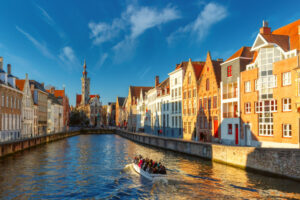
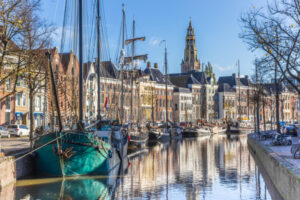
Oude Delft is one of the prettiest areas in the city, lined with historic buildings, bridges, and quiet canals.
It is safe for walking, photography, and slow wandering.
The main thing to watch for is the uneven pavement and cyclists appearing quickly from side streets.
This is a place where the danger is less “crime thriller” and more “I tripped while admiring a 17th-century façade.”
Royal Delft Museum Area
The Royal Delft Museum is slightly outside the densest part of the old town, but it remains a safe and worthwhile stop.
It is a good area for travelers interested in Delft Blue ceramics and Dutch craftsmanship.
Walking there during the day is easy, though some visitors may prefer public transport or a short taxi ride in bad weather.
TU Delft and the Botanical Garden
The university area has a youthful, international feel and is generally safe.
The TU Delft Botanical Garden is peaceful and pleasant, especially during spring and summer.
It is not the most atmospheric part of Delft for old-world charm, but it is a safe area for daytime exploring.
Places to Avoid in Delft
Around Delft Station Late at Night
Delft Station is modern and generally safe, but like many transport hubs, it deserves extra attention after dark.
The concern is not usually violent crime, but petty theft, drunk behavior, or feeling uncomfortable when the area is quieter.
Keep your phone and wallet secure, and avoid lingering unnecessarily late at night.
Quiet Industrial or Business Areas
Parts of Delft outside the old town can feel empty after working hours, especially business parks, industrial stretches, and less residential roads.
These are not major danger zones, but they are not places most tourists need to wander around at night.
Stick to well-lit routes, public transport stops, and busier streets.
Isolated Parks and Canal Paths After Dark
Delft has pleasant green spaces and waterside paths, but some become very quiet in the evening.
If you are alone, unfamiliar with the city, or returning from dinner, choose main streets instead of empty shortcuts.
This is especially useful in winter, when it gets dark early and streets can feel deserted.
Crowded Markets and Event Areas
The Markt, shopping streets, and festival areas are safe overall, but crowds create pickpocketing opportunities.
Be careful during markets, holidays, student events, and busy weekends.
Avoid placing bags on the backs of chairs, leaving phones on tables, or walking with open backpacks.
Safety Tips for Traveling to Delft
- Respect the bike lanes. Delft is a cycling city, and bike lanes are not decorative red sidewalks for tourists. Locals ride quickly and confidently, and they expect pedestrians to stay out of their path. Before crossing, look both ways, then look again, because bikes can seem to appear out of nowhere. This is one of the most practical safety tips for Delft. You are much more likely to have a close call with a bicycle than with a criminal.
- Keep valuables secure near the train station. Delft Station is safe, but it is also one of the places where travelers are more distracted. You might be checking train times, dragging luggage, or looking at your phone for directions. That is exactly when petty theft becomes easier. Keep your wallet in a front pocket or zipped bag, and do not place your phone on top of your suitcase.
- Use public transport confidently. Delft is well connected by train, tram, and bus, making it easy to visit nearby cities without renting a car. Trains to The Hague and Rotterdam are frequent, and Schiphol Airport is reachable by rail. Public transport is safe, but keep an eye on your belongings during busy periods, especially if traveling with luggage.
- Be careful on cobblestones and canal edges. The old town is beautiful, but the streets can be uneven. Cobblestones, narrow sidewalks, rain-slick bridges, and canal edges require attention. Comfortable shoes are a smart choice. If you are walking at night or after a few drinks, take extra care near canals and steps, since a simple slip can ruin a trip faster than any safety warning.
- Do not leave bags unattended in cafés. Delft has cozy cafés where it is tempting to settle in and relax completely. That is part of the charm. Still, keep your bag where you can see it, not dangling behind your chair. Petty thieves prefer easy opportunities, and unattended bags in busy restaurants or terraces are exactly that.
- Choose central accommodation if it is your first visit. For first-time travelers, staying near the historic center, Markt, Oude Delft, or the station makes life easier. You will be closer to restaurants, attractions, transport, and well-lit streets. Delft is small, so the convenience is worth it, especially if you plan to return late from The Hague, Rotterdam, or Amsterdam.
- Watch your alcohol intake around student nightlife. Delft is a university city, so you may see lively student nightlife, especially around bars and social areas. The atmosphere is generally friendly, but alcohol can make any city less predictable. Keep your drink in sight, travel back with someone when possible, and do not accept drinks from strangers unless you watched them being prepared.
- Prepare for rain and wind. The weather in Delft can change quickly. Rain is common, and wind can make cycling or walking less comfortable. Pack a light rain jacket rather than relying only on an umbrella, which can be annoying on narrow streets. Wet cobblestones and tram tracks can also be slippery, so slow down and choose shoes with grip.
- Use card payments, but keep a backup. The Netherlands is very card-friendly, and many places prefer cards. Still, keep a small amount of cash for emergencies, small purchases, or rare situations where your card does not work. Use ATMs inside banks or well-lit areas. Avoid exchanging money at poor-rate tourist counters unless you have no other option.
- Take normal big-city precautions on day trips. Many Delft visitors also visit Rotterdam, The Hague, Leiden, or Amsterdam. Delft may feel calm, but nearby larger cities have busier stations and more pickpocketing risk. If you use Delft as a base, adjust your awareness depending on where you go. Amsterdam’s tourist zones and major train stations require more caution than Delft’s quiet canal streets.
So... How Safe Is Delft Really?
Delft is genuinely safe for travelers, and in many ways it is one of the easier Dutch cities to enjoy without stress.
It has the charm of a historic destination without the intensity of Amsterdam, and it is small enough that visitors can navigate it comfortably on foot.
Violent crime is uncommon, public transport is dependable, and tourist areas are active, clean, and well maintained.
The main safety issue is petty crime, especially pickpocketing and bag theft around transport areas, crowds, cafés, and markets.
This is not unique to Delft, and the risk is manageable with basic awareness.
Another practical hazard is traffic flow, especially bicycles.
Dutch cycling culture is efficient and fast, and visitors who wander into bike lanes without looking can create real danger for themselves and others.
For solo travelers, families, older travelers, and women travelers, Delft is a very approachable destination.
At night, the historic center remains fairly safe, though quieter streets, station surroundings, and isolated paths deserve the same caution you would use in any European city.
Overall, Delft is a low-risk destination where the biggest challenge may be resisting the urge to photograph every bridge, canal, and blue-tiled souvenir shop.
How Does Delft Compare?
| City | Safety Index |
|---|---|
| Delft |
88 |
| The Hague |
90 |
| Eindhoven |
85 |
| Rotterdam |
63 |
| Groningen |
85 |
| Maastricht |
87 |
| Utrecht |
88 |
 Arinsal Arinsal | 92 |
 Pennsylvania Pennsylvania | 59 |
| Summerville | 78 |
 Krakow Krakow | 75 |
| Medina | 71 |
 Jasper Jasper | 90 |
Useful Information

Visas
Delft is in the Netherlands, part of the Schengen Area. Many tourists from the United States, Canada, the United Kingdom, Australia, and several other countries can visit visa-free for up to 90 days within a 180-day period. Travelers who need a Schengen visa should apply before arrival through the appropriate Dutch consulate or visa center.

Currency
The currency in Delft is the euro. Cards are widely accepted, and contactless payment is common. Use bank ATMs for cash withdrawals and avoid poor exchange rates at airports or tourist exchange counters. It is smart to carry a small amount of cash, but Delft is mostly easy to manage with cards.

Weather
Delft has a mild, damp climate with cool winters, comfortable summers, and frequent rain throughout the year. Pack layers, a light waterproof jacket, and comfortable walking shoes. Spring and early autumn are especially pleasant, but even summer travelers should prepare for sudden showers and breezy canal-side walks.

Airports
The most convenient airports for Delft are Amsterdam Schiphol Airport and Rotterdam The Hague Airport. Schiphol has more international flights and direct train connections toward Delft, while Rotterdam The Hague Airport is closer but smaller. From either airport, trains, buses, taxis, and ride-hailing options make reaching the city straightforward.

Travel Insurance
Travel insurance is a smart choice for Delft, even though the city is safe. A good policy can cover medical issues, trip delays, lost luggage, theft, and cancellations. If you plan to cycle, take day trips, or travel through multiple Dutch cities, insurance adds useful protection and peace of mind.
Delft Weather Averages (Temperatures)
Average High/Low Temperature
| Temperature / Month | Jan | Feb | Mar | Apr | May | Jun | Jul | Aug | Sep | Oct | Nov | Dec |
|---|---|---|---|---|---|---|---|---|---|---|---|---|
| High °C |
6 | 7 | 10 | 13 | 15 | 19 | 21 | 21 | 19 | 15 | 11 | 8 |
| Low °C |
3 | 3 | 5 | 7 | 10 | 13 | 16 | 16 | 14 | 11 | 8 | 5 |
| High °F |
43 | 45 | 50 | 55 | 59 | 66 | 70 | 70 | 66 | 59 | 52 | 46 |
| Low °F |
37 | 37 | 41 | 45 | 50 | 55 | 61 | 61 | 57 | 52 | 46 | 41 |
Netherlands - Safety by City
| City | Safety Index |
|---|---|
| Amsterdam | 78 |
| Delft | 88 |
| Eindhoven | 85 |
| Groningen | 85 |
| Maastricht | 87 |
| Rotterdam | 63 |
| The Hague | 90 |
| Utrecht | 88 |
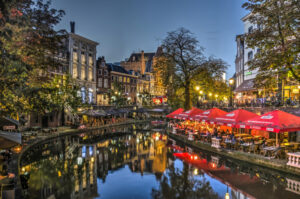














Is there a particular café terrace you’d say has the best vibe for just chilling and people-watching?