 France : Safety by City
- Annecy
- Avignon
- Bordeaux
- Cannes
- Chamonix
- Colmar
- Grenoble
- Le Havre
- Lille
- Lyon
- Marseille
- Martinique
- Montpellier
- Nantes
- Nice
- Nimes
- Paris
- Reims
- Rennes
- Strasbourg
- Toulon
- Toulouse
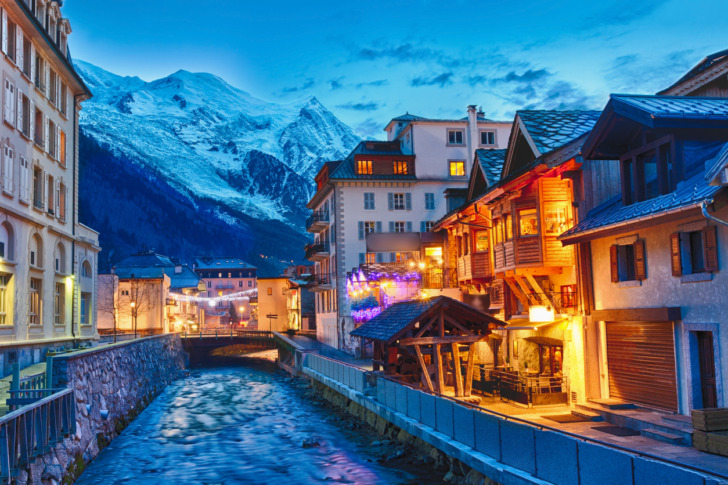
Chamonix is one of the most legendary mountain towns in Europe, sitting in the French Alps near the borders of Switzerland and Italy.
Officially called Chamonix-Mont-Blanc, it lies beneath Mont Blanc, the highest mountain in Western Europe, and has been attracting climbers, skiers, hikers, and adventure travelers for generations.
This is not a sleepy Alpine village with a few pretty chalets.
Chamonix is a serious outdoor destination with glaciers, cable cars, steep trails, extreme ski routes, mountaineering history, and some of the most dramatic scenery in France.
It is generally very safe from a crime point of view, but the mountains are no joke.
The main safety risks are avalanches, falls, altitude, weather changes, skiing accidents, hiking mistakes, road conditions, and tourists underestimating the terrain.
Warnings & Dangers in Chamonix

OVERALL RISK: LOW
Chamonix is a low-risk destination for ordinary town visits, sightseeing, restaurants, and marked activities. Violent crime is rare, the town is organized, and tourism infrastructure is excellent. The risk rises sharply for off-piste skiing, glacier travel, mountaineering, and high-altitude routes without proper equipment or guides.

TRANSPORT & TAXIS RISK: MEDIUM
Transport risk is medium because mountain roads can be affected by snow, ice, fog, traffic, and winter conditions. Local buses, trains, cable cars, and shuttles are generally safe. Driving into Chamonix in peak ski season can be stressful, especially during storms, weekends, or holiday arrival days.

PICKPOCKETS RISK: LOW
Pickpocketing is not a major issue in Chamonix, but petty theft can happen in busy areas, lift stations, bars, restaurants, hotels, and rental shops. Gear theft is more realistic than classic street pickpocketing. Keep skis, boards, helmets, bags, and electronics secured.

NATURAL DISASTERS RISK: MEDIUM
Chamonix has a medium natural hazard risk because it is surrounded by serious Alpine terrain. Avalanches, rockfall, storms, glacier crevasses, landslides, heavy snow, heat-related snow instability, and sudden weather changes can affect travel. The town is safe, but the mountains require real respect.

MUGGING RISK: LOW
Mugging is rare in Chamonix. The town center is generally safe, even in the evening. The bigger late-night risks are alcohol-related falls, icy sidewalks, poor visibility, and walking back to accommodation in cold weather. Use a taxi or shuttle if staying outside the center.

TERRORISM RISK: LOW
The terrorism risk in Chamonix is low. It is a mountain resort town rather than a major political or financial target. Visitors should still stay aware in crowded transport hubs, large events, and busy lift stations, but terrorism is not a major concern for most travelers here.

SCAMS RISK: LOW
Scams are uncommon in Chamonix. Most businesses are professional, and pricing is usually clear. Still, travelers should be cautious with unofficial accommodation listings, suspiciously cheap ski passes, unclear guiding services, or secondhand gear offers. Book major activities through reputable providers.

WOMEN TRAVELERS RISK: LOW
Chamonix is generally safe for women travelers, including solo travelers. The town, hotels, restaurants, lifts, and main walking areas are comfortable and tourist-friendly. Women should still use normal caution at night, avoid isolated paths after dark, and be careful in nightlife or shared accommodation settings.

TAP WATER RISK: LOW
Tap water in Chamonix is safe to drink. Bring a refillable bottle, especially for hiking, skiing, and long sightseeing days. At altitude and in cold weather, dehydration can happen faster than expected. Carry water even if the air feels cool.
Safest Places to Visit in Chamonix
Chamonix Town Center
Chamonix town center is one of the safest and easiest places for travelers.
It is walkable, lively, and full of restaurants, cafes, shops, hotels, gear stores, and mountain views.
During the day and evening, it feels comfortable and well used.
In winter, watch for icy sidewalks, snow piles, and slippery crossings.
Aiguille du Midi Cable Car
The Aiguille du Midi cable car is one of Chamonix’s most famous experiences and is safe when used as a sightseeing attraction.
The lifts and viewing platforms are managed, structured, and popular.
The main issue is altitude.
Move slowly, dress warmly, and be aware that some visitors feel lightheaded at the top.
Montenvers and Mer de Glace
The Montenvers train to the Mer de Glace area is a safe and classic Chamonix outing.
It offers glacier views, mountain scenery, and a structured visitor experience.
Stairs and paths can be tiring, so wear good shoes and check conditions before visiting in winter or bad weather.
Les Houches
Les Houches, just down the valley, is often calmer than central Chamonix and is a good choice for families, beginner skiers, and travelers who want a softer mountain experience.
It is safe, scenic, and well connected by local transport.
It is also a more relaxed base during peak periods.
Marked Ski Areas
Chamonix’s marked ski areas are generally safe when visitors stay within their ability level and follow signs.
Areas like Brévent-Flégère, Le Tour, Les Houches, and Grands Montets have patrolled terrain, lifts, signage, and managed runs.
The risk changes completely if you leave marked pistes or ignore closures.
Places to Avoid in Chamonix
Off-Piste Terrain Without a Guide
Chamonix is famous for off-piste skiing, but it is also one of the worst places to fake confidence.
Avoid off-piste terrain unless you have avalanche gear, training, route knowledge, and appropriate conditions.
If you are unsure, hire a qualified guide.
The mountains here are serious.
Glaciers Without Proper Equipment
Glacier travel is not casual hiking.
Crevasses, unstable snow bridges, ice, and changing conditions make glaciers dangerous without training and equipment.
Avoid walking onto glaciers without a rope team, guide, crampons, and knowledge.
The scenery is tempting, but the risk is real.
High Trails During Bad Weather
Avoid exposed hiking routes when storms, fog, ice, high winds, or heavy rain are forecast.
Chamonix weather can change quickly, and visibility can disappear fast.
A route that feels easy in sunshine can become dangerous when clouds drop or temperatures fall.
Closed Ski Runs and Lift Areas
Do not enter closed pistes, duck ropes, or hike into closed lift areas.
Closures usually mean avalanche danger, poor coverage, maintenance, unstable snow, or other hazards.
In a place like Chamonix, signs are not decorative.
They are there because people can get hurt.
Quiet Paths After Dark in Winter
The town is safe, but dark winter paths can be icy, cold, and isolated.
Avoid walking alone on poorly lit trails or shortcuts after drinking.
Stick to lit streets, use buses or taxis, and wear shoes with grip if going out at night.
Safety Tips for Traveling to Chamonix
- Respect the mountain more than your itinerary. Chamonix is beautiful, but the weather, snowpack, and terrain decide what is safe, not your travel schedule. If lifts close, guides cancel, or trails are marked unsafe, do not force the plan. There is always another cafe, viewpoint, walk, or lower-altitude option.
- Hire a guide for serious terrain. If you want to ski off-piste, cross glaciers, climb, attempt alpine routes, or do the Vallée Blanche, hire a qualified mountain guide. Chamonix has world-class guides for a reason. The terrain is complex, conditions change quickly, and a good guide can turn a risky idea into a much safer adventure.
- Check avalanche conditions in winter. Avalanche risk is one of the most important safety issues in Chamonix. Even experienced skiers can get into trouble if they ignore the forecast. If you are staying on marked pistes, the risk is much lower. If you go beyond them, avalanche training, beacon, shovel, probe, and partner skills are essential.
- Dress in layers. Mountain weather changes fast. A sunny village morning can become freezing, windy, or snowy at altitude. Wear layers, waterproof outerwear, gloves, warm socks, and proper footwear. For Aiguille du Midi, dress much warmer than you would in town. The temperature difference can be dramatic.
- Be honest about your fitness. Chamonix attracts strong athletes, which can make normal travelers feel like they should casually hike, ski, or climb harder routes than they should. Do not compete with the town vibe. Choose trails, pistes, and activities that match your fitness and experience. Turning back is not failure. It is good judgment.
- Watch your alcohol in winter. Après-ski is part of the fun, but alcohol and icy streets are a terrible combination. Many injuries happen after the skiing is over, not on the mountain. If you are drinking, plan your ride back, wear decent shoes, and avoid shortcuts through snowy or dark paths.
- Secure your gear. Skis, snowboards, helmets, poles, boots, and bikes can be expensive. Do not leave gear unattended outside bars, restaurants, or rental shops for long periods. Use locks where available and store equipment properly at your accommodation. Gear theft is uncommon but not impossible.
- Prepare for altitude. Aiguille du Midi reaches high altitude quickly by cable car. Some visitors feel dizzy, short of breath, or lightheaded. Move slowly, avoid rushing up stairs, hydrate, and descend if you feel unwell. People with heart, lung, or serious medical conditions should be extra cautious.
- Use proper shoes around town. This sounds basic, but it matters. Chamonix streets can be icy, wet, snowy, or uneven. Wear shoes or boots with grip, especially in winter. Fancy smooth-soled shoes are a brilliant way to meet the pavement faster than planned.
- Get activity-specific travel insurance. Standard travel insurance may not cover skiing, off-piste skiing, mountaineering, glacier travel, climbing, mountain biking, or rescue. Check the policy carefully before you go. Mountain rescue, medical care, evacuation, and gear loss can be expensive. Chamonix is safe, but Alpine mistakes can cost a lot.
So... How Safe Is Chamonix Really?
Chamonix is very safe if you are talking about crime.
The town is orderly, tourist-friendly, and well-managed.
Visitors can comfortably enjoy restaurants, shops, cable cars, scenic walks, hotels, and marked ski areas without feeling unsafe.
Violent crime is rare, and most travelers never deal with anything worse than high prices, slippery sidewalks, or sore legs.
But Chamonix is not a normal resort town.
It is a gateway to serious Alpine terrain.
The safety level changes dramatically depending on what you do.
A coffee in town, a walk along the river, and a ride up a cable car are low-risk activities.
Off-piste skiing, glacier travel, mountaineering, and high-altitude hiking are not low-risk unless you have the right skills, gear, weather conditions, and local guidance.
This is the key to understanding Chamonix: the town is safe, but the mountains are powerful.
The most common serious problems are not caused by crime.
They come from avalanches, falls, sudden weather, altitude, poor equipment, and people overestimating themselves.
So, how safe is Chamonix really?
Low risk for ordinary travel, medium to high risk for serious mountain activities, depending entirely on preparation and choices.
How Does Chamonix Compare?
| City | Safety Index |
|---|---|
| Chamonix |
84 |
| Cannes |
80 |
| Montpellier |
48 |
| Annecy |
88 |
| Toulon |
64 |
| Toulouse |
57 |
| Lille |
56 |
 Bandar Seri Begawan Bandar Seri Begawan | 91 |
 New Glarus New Glarus | 83 |
 Ghazni Ghazni | 21 |
 Mogilev Mogilev | 53 |
| Baker | 74 |
 Yangshuo Yangshuo | 77 |
Useful Information

Visas
Chamonix is in France, which is part of the Schengen Area. Many travelers can visit visa-free for up to 90 days within a 180-day period, depending on nationality. Others need a Schengen visa before arrival. Check passport validity, entry rules, and travel dates before booking.

Currency
Chamonix uses the euro. Credit and debit cards are widely accepted in hotels, restaurants, shops, lift offices, and rental stores. Cash is still useful for small purchases, tips, lockers, markets, and backup. Chamonix is expensive, especially during ski season and summer peak periods.

Weather
Chamonix has cold, snowy winters and mild summers, but mountain weather changes quickly year-round. Pack layers, waterproof clothing, comfortable shoes, sunglasses, and sun protection. At altitude, it can be much colder than in town. Winter visitors need warm gear and proper footwear for ice and snow.

Airports
The most common airport for Chamonix is Geneva Airport in Switzerland, about 1 to 1.5 hours away by road, depending on traffic and weather. Travelers usually reach Chamonix by shuttle, private transfer, rental car, or bus. Lyon and Milan are also possible but farther.

Travel Insurance
Travel insurance is strongly recommended for Chamonix, especially if you plan to ski, snowboard, hike, climb, bike, or take part in guided mountain activities. Make sure your policy covers medical care, emergency rescue, cancellations, delays, lost luggage, and the exact activities you plan to do.
Chamonix Weather Averages (Temperatures)
Average High/Low Temperature
| Temperature / Month | Jan | Feb | Mar | Apr | May | Jun | Jul | Aug | Sep | Oct | Nov | Dec |
|---|---|---|---|---|---|---|---|---|---|---|---|---|
| High °C |
-3 | 0 | 3 | 7 | 12 | 17 | 20 | 20 | 16 | 11 | 4 | -2 |
| Low °C |
-11 | -9 | -7 | -4 | 0 | 4 | 7 | 6 | 4 | 0 | -4 | -9 |
| High °F |
27 | 32 | 37 | 45 | 54 | 63 | 68 | 68 | 61 | 52 | 39 | 28 |
| Low °F |
12 | 16 | 19 | 25 | 32 | 39 | 45 | 43 | 39 | 32 | 25 | 16 |
France - Safety by City
| City | Safety Index |
|---|---|
| Annecy | 88 |
| Avignon | 78 |
| Bordeaux | 63 |
| Cannes | 80 |
| Chamonix | 84 |
| Colmar | 86 |
| Grenoble | 68 |
| Le Havre | 63 |
| Lille | 56 |
| Lyon | 72 |
| Marseille | 55 |
| Martinique | 78 |
| Montpellier | 48 |
| Nantes | 56 |
| Nice | 73 |
| Nimes | 65 |
| Paris | 70 |
| Reims | 68 |
| Rennes | 65 |
| Strasbourg | 74 |
| Toulon | 64 |
| Toulouse | 57 |