


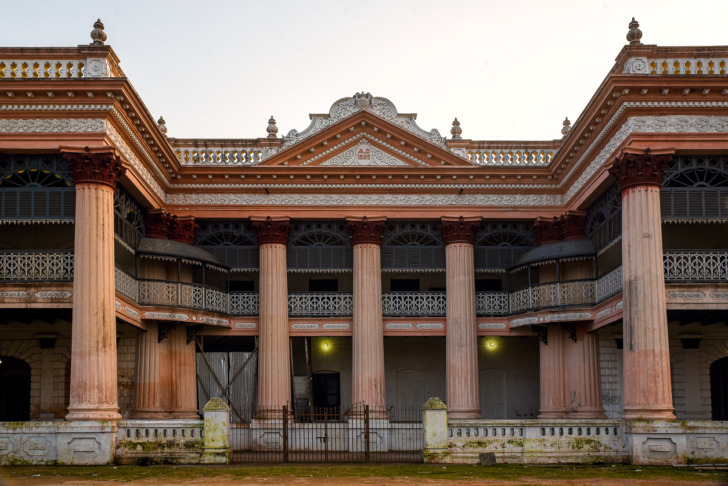
 Bangladesh : Safety by City
Bangladesh - safety as a country
Rajshahi sits beside the Padma River in northwestern Bangladesh, close to the Indian border and far from the relentless pace of Dhaka.
Known as the “Silk City” and famous for mangoes, universities, historic mosques, and archaeological treasures, Rajshahi is one of Bangladesh’s most interesting regional cities.
It also has a noticeably greener and calmer personality than the capital, with riverside promenades, tree-lined university grounds, museums, and easy access to places such as Puthia and Bagha.
For travelers, Rajshahi can provide a more relaxed introduction to everyday Bangladesh.
However, the country’s current political environment, terrorism concerns, difficult traffic, extreme heat, unsafe drinking water, and seasonal flooding mean visitors still need to plan carefully.
Rajshahi itself is generally manageable, but I would not treat it as a completely carefree destination.
Warnings & Dangers in Rajshahi

OVERALL RISK: MEDIUM
Rajshahi is generally calmer than Dhaka and violent crime targeting foreign tourists is uncommon. However, Bangladesh currently requires increased caution because of political unrest, terrorism concerns, demonstrations, crime, and transportation risks. Avoid political gatherings, use trusted transportation, and remain alert to sudden changes in local conditions.

TRANSPORT & TAXIS RISK: MEDIUM
Road travel is one of Rajshahi’s more realistic risks. Rickshaws, auto-rickshaws, motorcycles, buses, bicycles, pedestrians, and cars frequently share crowded roads. Driving standards may feel unpredictable. Use reputable transport, wear seat belts when available, and avoid long road journeys after dark.

PICKPOCKETS RISK: MEDIUM
Pickpocketing and phone theft can occur around markets, railway stations, bus terminals, busy shopping streets, festivals, and public gatherings. Foreign visitors may attract attention simply by looking unfamiliar. Carry limited cash, keep your phone discreet, and use a zipped crossbody bag rather than an open backpack pocket.

NATURAL DISASTERS RISK: MEDIUM
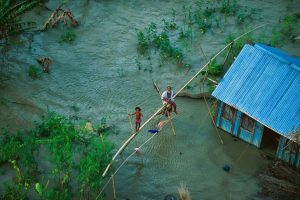
Rajshahi is vulnerable to extreme heat, severe thunderstorms, seasonal flooding, lightning, and river-related hazards. The Padma can rise significantly during the monsoon. Summer temperatures can also become intense. Check weather conditions before river visits or rural excursions and avoid flooded roads, unstable embankments, and exposed areas during storms.

MUGGING RISK: MEDIUM
Muggings are not an everyday experience for tourists, but robbery does occur in Bangladeshi cities. Risk increases on deserted streets, around transport areas, and after dark. Avoid displaying expensive phones, cameras, watches, or large amounts of money, and do not physically resist if confronted during a robbery.

TERRORISM RISK: MEDIUM
Bangladesh continues to face a terrorism threat, including the possibility of attacks on public places, religious sites, government buildings, political events, and security forces. Rajshahi is not considered the country’s primary terrorism hotspot, but visitors should remain alert and avoid large political or religious gatherings when security appears tense.

SCAMS RISK: MEDIUM
Scams in Rajshahi are usually relatively minor. Visitors may encounter inflated auto-rickshaw fares, unofficial guides, poor exchange rates, or exaggerated prices when someone realizes they are foreign. Agree on fares before leaving, ask your hotel about reasonable prices, and avoid strangers offering unusually complicated assistance.

WOMEN TRAVELERS RISK: MEDIUM
Women can visit Rajshahi, but solo travelers should take more precautions than they would in many Western or East Asian destinations. Conservative clothing is recommended, particularly outside major hotels. Avoid isolated areas after dark, use trusted transportation, and expect occasional staring or unwanted attention.

TAP WATER RISK: HIGH
Do not drink untreated tap water in Rajshahi. Use factory-sealed bottled water, properly boiled water, or a reliable filtration system. Travelers should also be cautious with ice, uncooked vegetables, street drinks, and fruit that has already been peeled. Food and waterborne illness can disrupt a trip very quickly.
Safest Places to Visit in Rajshahi
Varendra Research Museum
The Varendra Research Museum is one of Rajshahi’s best attractions and among the easiest places for visitors to explore safely.
Its collections cover archaeology, Hindu and Buddhist sculpture, manuscripts, coins, and the history of Bengal.
The museum is in an established urban area and is best visited during regular opening hours.
Use a rickshaw, auto-rickshaw, or hotel-arranged vehicle to reach it and keep valuables secured while moving through surrounding streets.
Rajshahi University Campus
Rajshahi University has one of the greenest and most pleasant campuses in Bangladesh.
Wide paths, trees, academic buildings, ponds, sculptures, and open spaces make it a popular place for walking.
The campus is generally comfortable during daylight when students and staff are present.
Avoid demonstrations, student political gatherings, or large crowds if tensions develop.
Universities in Bangladesh can occasionally become centers of political activity, so leave if the atmosphere changes.
Padma Riverfront and T-Badh
Rajshahi’s Padma River waterfront is one of the city’s most enjoyable areas, especially around T-Badh and other popular embankment sections.
Locals gather here for walking, conversation, snacks, sunsets, and river views.
Visit while other people are around and avoid standing on unstable banks or venturing close to high water.
During the monsoon, conditions along the river can change considerably.
Puthia Temple Complex
Puthia, roughly 25 to 30 kilometers east of Rajshahi, contains one of Bangladesh’s most impressive collections of historic Hindu temples and palaces.
The Govinda Temple, Shiva Temple, and Puthia Rajbari make it one of the region’s best cultural excursions.
Visit during daylight with a reliable driver or organized guide.
Dress respectfully, ask before photographing people, and plan to return to Rajshahi before dark.
Bagha Mosque
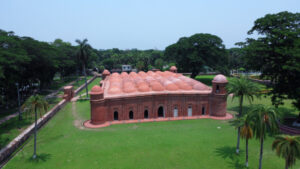
Bagha Mosque lies roughly 35 kilometers southeast of Rajshahi and dates to the early sixteenth century.
Its terracotta decoration makes it one of the region’s most interesting Islamic monuments.
The site is generally peaceful, but it remains an active religious location.
Dress modestly, remove shoes where required, avoid interrupting prayers, and arrange dependable transportation for the round trip.
Places to Avoid in Rajshahi
Political Demonstrations and Rallies
This is the clearest category to avoid.
Political demonstrations in Bangladesh can become violent with little warning, even when they begin peacefully.
Roadblocks, vandalism, clashes, and attacks on security forces have occurred.
If you see banners, chanting crowds, unusually heavy police deployments, or roads being blocked, move away immediately rather than stopping to watch.
Bus Terminals Late at Night
Busy bus areas can become chaotic, particularly when travelers arrive carrying luggage.
Pickpocketing, overcharging, aggressive transport offers, and confusion are more likely in these environments.
Arrive during daylight when possible.
If a bus reaches Rajshahi late, arrange a driver through your hotel instead of wandering around looking for transportation with your luggage.
Isolated Padma Riverbanks After Dark
The populated riverfront can be enjoyable in the evening, but deserted embankments and remote riverbank sections should be avoided after crowds leave.
The concerns include theft, poor lighting, unstable ground, and limited assistance if something goes wrong.
Stay around established public areas and return by trusted transport.
Railway and Industrial Areas at Night
Rajshahi Railway Station itself is useful and normally busy, but railway yards, workshops, warehouses, and peripheral industrial streets are not sightseeing destinations.
Avoid wandering behind the station or through empty commercial areas at night.
Keep bags secured when arriving or departing by train.
Flooded or Eroded River Areas
During the monsoon, avoid flooded roads, damaged embankments, fast-moving water, and riverbanks showing signs of erosion.
Water can conceal holes, broken pavement, electrical hazards, and unexpectedly strong currents.
Do not follow locals into floodwater simply because they appear comfortable crossing it.
Safety Tips for Traveling to Rajshahi
- Stay away from all political gatherings. Political rallies are one of the most unpredictable risks in Bangladesh. Even gatherings that appear peaceful can escalate quickly. Do not stop to take photographs or videos. If shops begin closing, transport disappears, police arrive in large numbers, or crowds gather, return to your accommodation and monitor local conditions.
- Use trusted transportation. Ask your hotel to arrange cars, auto-rickshaws, or drivers whenever possible. For shorter trips, agree on the fare before leaving. For excursions to Puthia or Bagha, hiring a reliable driver for the entire journey is safer and easier than trying to connect multiple unfamiliar local services.
- Be extremely careful crossing roads. Traffic is one of the risks visitors notice immediately. Vehicles may approach from unexpected directions and pedestrian right-of-way is not always respected. Cross with locals when possible, wait for genuine gaps in traffic, and never assume a bus, motorcycle, or auto-rickshaw will stop because you stepped onto the road.
- Drink only safe water. Use sealed bottled water or properly purified water. Check that bottle caps are intact before drinking. Be cautious with ice, fresh juice, uncooked salads, and sliced fruit sold outside established restaurants. Choose freshly prepared meals served hot, particularly during your first few days.
- Dress relatively conservatively. Rajshahi is more traditional than many international tourist destinations. Lightweight clothes are necessary because of the heat, but covering shoulders and knees helps reduce attention and shows respect. Women in particular may feel more comfortable in loose-fitting clothing, especially when visiting mosques, markets, and rural communities.
- Carry less cash than you think you need. Bangladesh remains cash-oriented, but carrying everything at once is unnecessary. Keep your daily spending money separate from emergency funds. Do not pull out large stacks of notes in public. Keep your passport, backup cards, and larger cash reserves secured at your hotel when possible.
- Prepare seriously for the heat. Rajshahi is among the hotter parts of Bangladesh. Temperatures before the monsoon can become extreme, and high humidity adds to the strain. Carry water, use sunscreen, wear a hat, and reduce outdoor sightseeing during the hottest afternoon hours. Seek air conditioning or shade if you begin feeling weak or dizzy.
- Take river conditions seriously. The Padma is central to Rajshahi’s identity, but it is a major river rather than a landscaped urban pond. Currents, water levels, erosion, mud, and boat conditions can change. Avoid swimming unless reliable local advice says conditions are safe, and use life jackets when traveling by boat.
- Keep your phone discreet. Using an expensive smartphone while standing beside traffic or in a crowded market makes theft easier. Step into a hotel, restaurant, or shop when you need to check maps. Carry your phone in a secure pocket rather than loosely in your hand, particularly at stations and markets.
- Have a backup plan for transportation disruptions. Strikes, demonstrations, severe weather, flooding, and political events can disrupt buses, trains, roads, and domestic flights. Do not schedule an international departure immediately after a long overland journey from Rajshahi. Give yourself extra time, keep emergency cash, and confirm transport again shortly before departure.
So... How Safe Is Rajshahi Really?
Rajshahi is one of the more manageable large cities in Bangladesh from a traveler’s perspective.
It is less crowded and intense than Dhaka, and its attractions are centered around museums, university grounds, historical sites, mango-growing countryside, and the Padma River rather than nightlife or dense tourist districts.
That does not mean it deserves a low-risk rating right now.
Bangladesh continues to experience a sensitive political environment following the major unrest of 2024 and subsequent political changes.
National elections were held in February 2026, but demonstrations and political rallies can still become violent.
Travelers should therefore pay attention to events nationwide even when Rajshahi itself feels calm.
Crime is another concern, although foreigners are not generally targeted solely because they are foreign.
Pickpocketing, robbery, burglary, assault, and phone theft occur in Bangladeshi cities.
The best protection is fairly straightforward: stay in established accommodation, travel during daylight, avoid empty streets at night, secure valuables, and use trusted drivers.
For the average visitor, road safety and health may actually be more immediate dangers.
Traffic is unpredictable, untreated drinking water is unsafe, extreme heat can become severe, and mosquito-borne illnesses occur in Bangladesh.
Rajshahi also sits beside the Padma, so monsoon conditions deserve respect.
Flooding and river erosion can affect surrounding communities and roads.
My assessment is that Rajshahi is medium risk overall.
It can be visited successfully, but it rewards travelers who stay informed, plan transportation carefully, and do not treat Bangladesh like an easy, highly developed tourist destination.
How Does Rajshahi Compare?
| City | Safety Index |
|---|---|
| Rajshahi |
68 |
| Cox’s Bazar |
55 |
| Srimangal |
68 |
| Chattogram |
61 |
| Dhaka |
32 |
| Sylhet |
64 |
| Khulna |
66 |
 Lake City Lake City | 72 |
| Ironwood | 83 |
| Incline Village | 78 |
 La Massana La Massana | 93 |
| Natchez | 68 |
| Defiance | 75 |
Useful Information

Visas
Most foreign visitors need a Bangladeshi visa. Eligible nationalities may qualify for a visa on arrival, but approval is not guaranteed, so obtaining a visa before departure is safer. Fees vary significantly by nationality. Travelers generally need a passport valid for at least six months, accommodation details, sufficient funds, and proof of onward travel.

Currency
Rajshahi uses the Bangladeshi taka. Cash remains important for rickshaws, auto-rickshaws, markets, restaurants, and smaller businesses, although larger hotels may accept cards. Use ATMs attached to reputable banks and carry smaller notes. Avoid unofficial currency dealers and divide your cash between separate secure locations.

Weather
Rajshahi has very hot summers, a humid monsoon, and relatively mild winters. April and May can bring extreme heat, while June through September sees much of the seasonal rain. November through February is generally more comfortable. Pack lightweight clothing, sunscreen, insect repellent, rain protection, and modest layers for religious sites.

Airports
Shah Makhdum Airport serves Rajshahi and has domestic flights connecting the city with Dhaka. The flight itself is roughly an hour, making it the fastest option from the capital. International travelers usually arrive through Hazrat Shahjalal International Airport in Dhaka and continue by domestic flight, train, bus, or private vehicle.

Travel Insurance
Travel insurance is strongly recommended for Rajshahi. Choose a policy covering medical treatment, emergency evacuation, theft, cancellations, political disruption, and transportation delays. Check whether civil unrest is excluded. Medical facilities outside Dhaka may have limited capabilities, so coverage for transfer to a better-equipped hospital is particularly valuable.
Rajshahi Weather Averages (Temperatures)
Average High/Low Temperature
| Temperature / Month | Jan | Feb | Mar | Apr | May | Jun | Jul | Aug | Sep | Oct | Nov | Dec |
|---|---|---|---|---|---|---|---|---|---|---|---|---|
| High °C |
26 | 29 | 35 | 38 | 36 | 35 | 33 | 32 | 32 | 31 | 30 | 27 |
| Low °C |
15 | 17 | 22 | 25 | 27 | 28 | 27 | 26 | 26 | 24 | 20 | 16 |
| High °F |
79 | 84 | 95 | 100 | 97 | 95 | 91 | 90 | 90 | 88 | 86 | 81 |
| Low °F |
59 | 63 | 72 | 77 | 81 | 82 | 81 | 79 | 79 | 75 | 68 | 61 |
Bangladesh - Safety by City
| City | Safety Index |
|---|---|
| Chattogram | 61 |
| Cox’s Bazar | 55 |
| Dhaka | 32 |
| Khulna | 66 |
| Rajshahi | 68 |
| Srimangal | 68 |
| Sylhet | 64 |
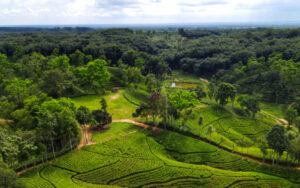
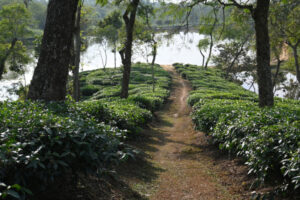












Spent a hot afternoon wandering the tree-lined paths near the university and it really felt like a breath of fresh air compared to the chaos back in Dhaka.