


 Afghanistan : Safety by City
Afghanistan - safety as a country
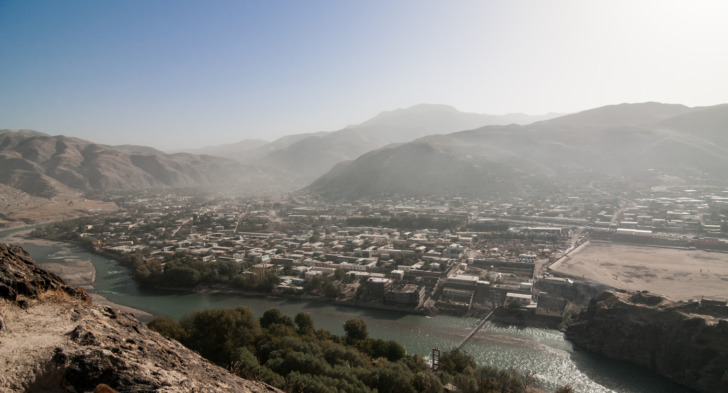
Faizabad, also written as Fayzabad, is the capital of Badakhshan Province in northeastern Afghanistan.
It sits beside the Kokcha River, surrounded by mountains, valleys, and some of the most dramatic scenery in the country.
Historically, this part of Afghanistan has been tied to trade routes, lapis lazuli, the Pamir region, and the long road toward the Wakhan Corridor.
On paper, Faizabad sounds like a dream for adventurous travelers: remote, mountainous, historic, and far from the usual tourist trail.
But this is Afghanistan, and that changes the safety conversation completely.
Faizabad may feel calmer than Kabul or other more politically central cities, but it is still in a high-risk country with terrorism threats, detention concerns, poor emergency support, dangerous roads, and serious natural hazards.
This is not a casual backpacking stop.
Warnings & Dangers in Faizabad

OVERALL RISK: HIGH
Faizabad is high risk for tourists because it is in Afghanistan, where the security environment remains unpredictable. The city may be quieter than larger Afghan cities, but travelers still face risks from terrorism, arbitrary detention, kidnapping, checkpoints, poor medical care, road danger, and very limited consular support.

TRANSPORT & TAXIS RISK: HIGH
Transport is one of the biggest concerns in Faizabad. Local movement should only be arranged through trusted contacts, hotels, or experienced guides. Roads in Badakhshan can be rough, remote, weather-damaged, and difficult to navigate. Intercity travel, mountain routes, and night travel are especially risky.

PICKPOCKETS RISK: MEDIUM
Pickpocketing is not the main danger in Faizabad, but petty theft can happen in bazaars, transport areas, and crowded streets. A foreign visitor may stand out quickly, which can increase attention. Keep cash hidden, avoid displaying phones or cameras, and do not carry unnecessary valuables.

NATURAL DISASTERS RISK: HIGH
Badakhshan is one of Afghanistan’s most hazard-prone regions. Earthquakes, landslides, floods, avalanches, heavy snow, rockfall, and road washouts are all realistic concerns. Mountain weather can change fast, and emergency response can be limited. In Faizabad, natural risk deserves almost as much attention as security risk.

MUGGING RISK: MEDIUM
Street mugging is possible but not the most common concern for travelers. The larger risk is being targeted because you are foreign, visibly wealthy, or moving without local support. Avoid walking alone, especially after dark. Keep routes planned and do not explore quiet areas casually.

TERRORISM RISK: HIGH
Terrorism remains a serious risk across Afghanistan. Attacks may target public places, religious sites, government-linked areas, security forces, checkpoints, minority communities, and crowded gatherings. Faizabad is remote, but remote does not mean immune. Avoid crowds, official buildings, political activity, and predictable travel routines.

SCAMS RISK: MEDIUM
Faizabad does not have a developed tourist-scam scene because tourism is limited. Still, travelers can face inflated prices, unreliable guides, fake permissions, unofficial “fees,” or transport problems that become expensive once started. Arrange everything through trusted contacts and confirm prices before moving.

WOMEN TRAVELERS RISK: HIGH
Faizabad is very challenging for women travelers. Afghanistan has strict restrictions on women’s dress, movement, education, work, and public behavior. Foreign women may sometimes be treated differently, but they are not free from risk. Solo female travel is strongly discouraged, and conservative dress is essential.

TAP WATER RISK: HIGH
Do not drink tap water in Faizabad. Water quality may be unreliable, and stomach illness is a realistic concern for visitors. Use sealed bottled water, boiled water, or properly filtered water. Avoid ice, raw foods washed in unsafe water, and street drinks unless hygiene is very clear.
Safest Places to Visit in Faizabad
Central Faizabad in Daylight
The safest part of Faizabad for visitors is the central area during daylight, especially if you are moving with a trusted local guide.
This is where you are more likely to find shops, guesthouses, small restaurants, administrative buildings, and basic services.
It is not “safe” in the normal tourist-city sense, but it is more manageable than isolated outskirts or mountain roads.
Main Bazaars With Local Support
Faizabad’s bazaars are among the most interesting parts of the city because they show daily life in Badakhshan: trade, food, fabrics, household goods, local produce, and the movement of people from nearby valleys.
A short daytime visit with a local guide can be worthwhile.
Do not wander alone, do not flash money, and be careful with photography.
Kokcha River Views
The Kokcha River gives Faizabad much of its character.
River views can be beautiful, especially with the mountains around the city, but visitors should enjoy them from safe, populated areas.
Avoid unstable banks, isolated riverside paths, and low-lying areas during heavy rain or flood season.
Trusted Guesthouses and Hotels
In Faizabad, accommodation is not just a place to sleep.
It is part of your safety setup.
A reliable hotel or guesthouse can help arrange local drivers, explain current conditions, and warn you if an area is unsafe.
Choose places used to hosting outsiders, aid workers, business visitors, or official travelers.
Daylight Cultural Stops
Faizabad has mosques, shrines, local parks, markets, and traditional neighborhoods that may be interesting for careful visitors.
These should be visited in daylight, with local guidance, and with respect for local customs.
The goal should be quiet observation, not loud sightseeing.
In Afghanistan, the safer traveler is the low-profile traveler.
Places to Avoid in Faizabad
Remote Roads Outside the City
Avoid remote roads outside Faizabad unless travel is essential and arranged by experienced local contacts.
Badakhshan’s roads can be dangerous because of poor surfaces, landslides, weather, checkpoints, weak communications, and limited emergency support.
A short-looking route on a map can become a serious problem on the ground.
Border Routes and Mountain Corridors
Badakhshan borders Tajikistan, Pakistan, and China, and some routes lead toward the Wakhan region.
These areas may sound fascinating, but border travel is complicated and risky.
Permits, security controls, weather, road closures, and local dynamics can change quickly.
Do not treat border routes as scenic drives.
Government and Security Sites
Avoid lingering near government buildings, police posts, military areas, checkpoints, prisons, official compounds, and airport facilities.
Do not photograph them.
In Afghanistan, taking pictures of sensitive sites can create serious suspicion very quickly, even if your intentions are harmless.
Crowds, Protests, and Religious Gatherings
Public gatherings should be avoided.
This includes political events, protests, funerals, large religious ceremonies, and security-related crowds.
Crowds can become targets, attract enforcement, or turn chaotic.
If you see a gathering forming, leave calmly and do not stop to film it.
Nighttime Streets and Outskirts
Faizabad is not a city for night wandering.
Streets can be poorly lit, transport options limited, and security dynamics harder to read after dark.
Avoid walking alone at night, especially near outskirts, riverbanks, quiet streets, and transport areas.
Plan to be back at your accommodation before evening unless locals advise otherwise.
Safety Tips for Traveling to Faizabad
- Do not travel to Faizabad independently. This is the most important rule. Faizabad is remote, and Afghanistan is not a destination where independent travel works the way it does in Central Asia, the Balkans, or the Caucasus. You need local support, language help, transport arrangements, and up-to-date security information. Without that, even a simple mistake can become serious.
- Use a trusted local guide or fixer. A proper local guide can tell you which areas are calm, which roads are open, when not to go out, and how to behave at checkpoints. They can also help with cultural rules, photography, dress, and negotiations. Do not choose someone only because they are cheap. In Faizabad, reliability is worth more than saving a few dollars.
- Keep your movements planned. Spontaneous wandering is a bad idea in Faizabad. Before leaving your accommodation, know where you are going, who is driving, how long it should take, and what your backup plan is. Tell someone your route and expected return time. Avoid unnecessary detours, especially outside the city center.
- Avoid all night travel. Night travel in Badakhshan is risky because of poor lighting, bad roads, checkpoints, weather, robbery concerns, and limited emergency response. Even if locals travel at night, that does not mean it is smart for a foreign visitor. Plan your day so you are back before dark.
- Dress very conservatively. Modest clothing is essential. Men should avoid shorts, sleeveless shirts, and flashy outfits. Women should wear loose, full-coverage clothing and a head covering. Conservative dress is not just about being polite. In Afghanistan, it can affect how you are treated and whether you attract unwanted attention.
- Be extremely careful with photos. Do not photograph checkpoints, security forces, government buildings, women, airports, military sites, or official vehicles. Even normal street photography can be misunderstood. Always ask your guide first. If someone says no, put the camera away immediately. A photo is not worth questioning or detention.
- Prepare for natural hazards. Badakhshan is mountainous and vulnerable to earthquakes, floods, landslides, avalanches, snow, and road closures. Check local conditions before any road trip. Avoid riverbanks during heavy rain, do not enter damaged buildings, and do not assume mountain roads will remain passable. Carry warm clothing even outside deep winter.
- Keep a low profile. Do not display expensive phones, cameras, jewelry, watches, large cash, or branded travel gear. Avoid loud behavior, political conversations, and anything that makes you look like an easy target. The best approach in Faizabad is quiet, respectful, and forgettable. That may sound boring, but boring is good in high-risk places.
- Carry documents carefully. Keep your passport, visa, accommodation details, emergency contacts, and paper copies of key documents organized. You may need identification at checkpoints or official encounters. Keep digital copies too, but do not rely only on your phone. Losing documents in Afghanistan can become a major problem fast.
- Have a real evacuation and insurance plan. Before going to Faizabad, know how you would leave if flights stop, roads close, or security conditions change. Standard travel insurance may not cover Afghanistan, so you need specialist high-risk coverage. Make sure it includes medical evacuation, emergency assistance, cancellation, and security-related disruptions. Do not assume help will be easy to reach.
So... How Safe Is Faizabad Really?
Faizabad is not safe in the normal travel sense.
It may be quieter than Afghanistan’s largest cities, and parts of daily life may appear calm, but the risk level remains high because of the country’s wider security, legal, medical, and infrastructure problems.
This is the kind of place where a traveler can have a peaceful morning in a bazaar and still be in a serious-risk environment overall.
The data picture is clear: Afghanistan remains one of the highest-risk countries for foreign visitors.
The main threats include terrorism, kidnapping, arbitrary detention, armed conflict, poor medical access, crime, and sudden restrictions imposed by local authorities.
In Faizabad specifically, you also need to add remote geography, weak transport infrastructure, mountain roads, harsh winters, landslides, flooding, earthquakes, and limited emergency response.
That combination makes Faizabad a specialist destination, not a normal vacation choice.
It may appeal to experienced travelers, researchers, aid workers, journalists, or people with family or essential business in Badakhshan.
But for the average tourist, it is too risky.
My honest take: Faizabad is fascinating, scenic, and culturally important, but it is not a place I would recommend for casual travel right now.
If you go anyway, go with serious preparation, trusted local support, conservative behavior, flexible plans, and a clear exit route.
How Does Faizabad Compare?
| City | Safety Index |
|---|---|
| Faizabad |
23 |
| Ghazni |
21 |
| Herat |
27 |
| Kunduz |
18 |
| Balkh |
26 |
| Kandahar |
35 |
| Kabul |
10 |
 Memphis Memphis | 54 |
 Cordoba Cordoba | 61 |
| Cape Girardeau | 72 |
| Carmel | 88 |
| Jamestown | 54 |
| Brookhaven | 71 |
Useful Information

Visas
Most foreign visitors need a visa for Afghanistan. A short-stay e-visa system has been introduced, including tourist visa options, but eligibility, documents, fees, and approval times can change. Many tourist visas are issued for short single-entry stays, often around 30 days. Apply before travel and confirm current rules carefully.

Currency
The local currency is the Afghan afghani. Faizabad is mostly cash-based, and international cards are not dependable. Bring clean, newer U.S. dollars for exchange through trusted money changers or contacts. Carry small denominations, avoid displaying cash, and keep backup money separate from your main wallet.

Weather
Faizabad has a continental mountain climate, with warm summers and cold, snowy winters. Spring and winter bring more precipitation, and mountain roads can be affected by snow, mud, landslides, or flooding. Pack layers, warm clothing, sturdy shoes, sun protection, and conservative clothing suitable for local expectations.

Airports
Faizabad Airport serves the city with limited domestic flight options, usually dependent on current conditions and schedules. Many travelers would need to route through Kabul first, then continue by air or difficult road travel. Airport transfers should be arranged before arrival through trusted local contacts, not improvised on the spot.

Travel Insurance
Travel insurance is essential, but ordinary policies often exclude Afghanistan because of high-risk travel warnings. You need specialist coverage that includes emergency medical care, evacuation, cancellation, lost documents, security disruption, and possibly detention-related assistance. Read exclusions carefully, because a cheap policy may be useless in Faizabad.
Faizabad Weather Averages (Temperatures)
Average High/Low Temperature
| Temperature / Month | Jan | Feb | Mar | Apr | May | Jun | Jul | Aug | Sep | Oct | Nov | Dec |
|---|---|---|---|---|---|---|---|---|---|---|---|---|
| High °C |
2 | 4 | 11 | 18 | 24 | 29 | 32 | 31 | 27 | 20 | 13 | 6 |
| Low °C |
-6 | -4 | 1 | 7 | 11 | 15 | 17 | 16 | 12 | 7 | 2 | -3 |
| High °F |
36 | 39 | 52 | 64 | 75 | 84 | 90 | 88 | 81 | 68 | 55 | 43 |
| Low °F |
21 | 25 | 34 | 45 | 52 | 59 | 63 | 61 | 54 | 45 | 36 | 27 |
Afghanistan - Safety by City
| City | Safety Index |
|---|---|
| Balkh | 26 |
| Bamiyan | 25 |
| Faizabad | 23 |
| Ghazni | 21 |
| Herat | 27 |
| Jalalabad | 20 |
| Kabul | 10 |
| Kandahar | 35 |
| Kunduz | 18 |
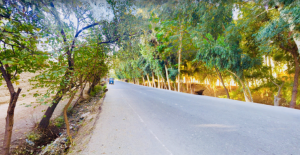












I was hoping for a quiet escape but the rocky mountain roads and the constant tension made it hard to really relax there.
I once thought the mountains around Faizabad would be the perfect escape, but after a rough trip on those narrow, rocky roads, I quickly learned it’s not as laid-back as it looks on a map.