


 Spain : Safety by City
- Alicante
- Barcelona
- Bilbao
- Cadiz
- Canary Islands
- Granada
- Ibiza
- Lanzarote
- Las Palmas
- Madrid
- Malaga
- Murcia
- Palma de Mallorca
- Pamplona
- Salamanca
- San Sebastian
- Seville
- Tenerife
- Valencia
- Zaragoza
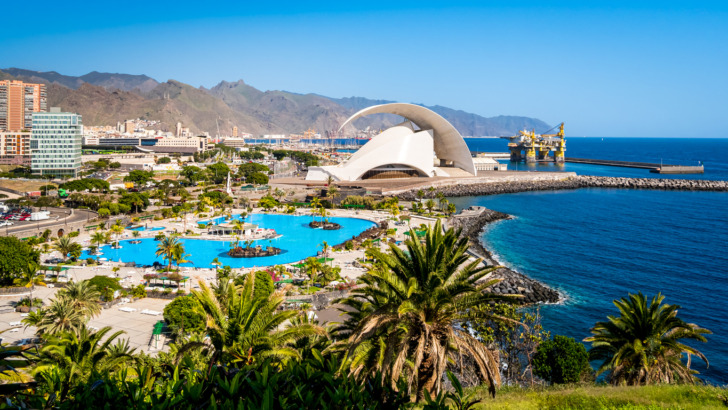
Tenerife is the largest of Spain’s Canary Islands, sitting in the Atlantic Ocean off the northwest coast of Africa.
It is one of those places that somehow fits several vacations into one island: sunny resort beaches in the south, dramatic volcanic landscapes in Teide National Park, lush green mountains in Anaga, colonial towns like La Laguna, black-sand beaches, whale-watching trips, water parks, hiking routes, and nightlife in areas like Playa de las Américas.
Tenerife is generally very safe for tourists, especially in the main resort towns and organized attractions.
But it is still an island with real risks: pickpockets, rental-car break-ins, ocean currents, mountain weather, heat, hiking accidents, alcohol-related incidents, and occasional scams.
The good news is that most problems are avoidable with basic awareness and decent planning.
Warnings & Dangers in Tenerife

OVERALL RISK: LOW
Tenerife is a low-risk destination for most travelers. Violent crime is uncommon, tourist infrastructure is strong, and resort areas are well managed. The main concerns are petty theft, beach safety, rental-car break-ins, nightlife issues, and hiking mistakes. Visitors who use normal precautions should feel comfortable across most of the island.

TRANSPORT & TAXIS RISK: LOW
Transport in Tenerife is generally safe. Taxis are regulated, buses connect many towns, and rental cars are useful for exploring the island. The main risks are winding mountain roads, limited parking in busy areas, and unfamiliar driving conditions. Be extra careful on roads through Anaga, Masca, and Teide National Park.

PICKPOCKETS RISK: MEDIUM
Pickpocketing is the most realistic crime risk for tourists. It can happen in crowded beaches, markets, nightlife areas, bus stations, shopping streets, and busy viewpoints. Keep phones and wallets secure, avoid leaving bags unattended, and be careful in tourist-heavy areas like Playa de las Américas, Los Cristianos, and Santa Cruz.

NATURAL DISASTERS RISK: MEDIUM
Tenerife has a medium natural risk because it is a volcanic island with mountains, cliffs, strong sun, rough seas, and occasional extreme weather. Mount Teide is an active volcano, though major disruption is rare. More practical risks include heat, wildfires, landslides, high winds, calima dust, and sudden weather changes in mountain areas.

MUGGING RISK: LOW
Mugging is rare in Tenerife, especially in main resort zones and tourist towns. Still, avoid dark shortcuts, isolated beaches, and quiet streets late at night, especially after drinking. Petty theft is much more common than violent robbery. Use trusted taxis or walk in groups after nightlife.

TERRORISM RISK: LOW
The terrorism risk in Tenerife is low. Tourists are far more likely to deal with petty theft, ocean conditions, transport issues, or weather than terrorism. Normal awareness around airports, big events, nightlife zones, and crowded public places is enough for most visitors.

SCAMS RISK: MEDIUM
Scams are not extreme, but tourist-targeted tricks can happen. Watch for overpriced taxis, fake petitions, pushy timeshare offers, unclear excursion pricing, beach vendors, and restaurant bill surprises in busy resort zones. Confirm prices before agreeing to tours, boat trips, car rentals, and nightlife promotions.

WOMEN TRAVELERS RISK: LOW
Tenerife is generally safe for women travelers, including solo women. Resort areas, beaches, towns, and public transport are usually comfortable. Normal precautions still apply: watch drinks, avoid isolated streets or beaches at night, use trusted transport after drinking, and choose well-reviewed accommodation in active areas.

TAP WATER RISK: LOW
Tap water in Tenerife is generally safe to drink, though many visitors prefer bottled water because the taste can vary by area. For brushing teeth and basic use, tap water is fine. Carry water during hikes, beach days, and drives through remote areas, because heat and sun exposure can dehydrate you quickly.
Safest Places to Visit in Tenerife
Costa Adeje
Costa Adeje is one of the safest and most polished resort areas in Tenerife.
It has upscale hotels, beaches, restaurants, shopping centers, beach clubs, and family-friendly attractions.
The area is clean, organized, and easy to navigate.
The main risks are petty theft around beaches and restaurants, sun exposure, and expensive tourist pricing.
It is a great base for families, couples, and first-time visitors.
Los Cristianos
Los Cristianos is a busy but safe resort town with beaches, ferry connections, restaurants, shops, and a relaxed promenade.
It is popular with families and older travelers, and it has a more practical feel than some nightlife-heavy areas.
Watch belongings near the beach, port, and crowded cafes, but overall, it is one of the easier places to stay.
La Laguna
San Cristóbal de La Laguna is one of Tenerife’s most charming towns, known for colorful colonial buildings, pedestrian streets, cafes, and a historic center.
It is generally safe during the day and evening, with a more local and cultural feel than the southern resorts.
Bring a light layer, as it can be cooler and cloudier than the coast.
Teide National Park
Teide National Park is safe when visited with proper planning.
The volcanic landscapes are spectacular, and the main roads, viewpoints, and cable car areas are well managed.
The risks are altitude, sun exposure, sudden weather changes, and hiking beyond your ability.
Bring layers, sunscreen, water, and check cable car or trail conditions before going.
Puerto de la Cruz
Puerto de la Cruz is a safe and attractive town on the north coast, with botanical gardens, black-sand beaches, plazas, restaurants, and the famous Lago Martiánez pools.
It is a good choice for travelers who want a more traditional town feel.
The ocean can be rougher on the north coast, so pay close attention to swimming warnings.
Places to Avoid in Tenerife
Isolated Beaches After Dark
Tenerife’s beaches are safe during the day, but quiet beaches after dark are not ideal.
The risks include theft, poor lighting, rough water, alcohol-related problems, and lack of nearby help.
If you want an evening by the sea, stay near active promenades, restaurants, hotels, or well-lit resort areas.
Rough Ocean Areas
Some Tenerife beaches have strong currents, rocks, sudden drop-offs, and rough Atlantic waves.
This is especially true in parts of the north and around wilder coastal areas.
Avoid swimming where red flags are posted or where locals are not swimming.
Do not underestimate the Atlantic just because the weather is sunny.
Remote Mountain Roads in Bad Weather
Roads around Masca, Anaga, and Teide can be narrow, steep, winding, and foggy.
Avoid driving these routes if you are nervous behind the wheel or if conditions are poor.
Take your time, avoid stopping in unsafe places for photos, and do not attempt remote roads after dark unless necessary.
Nightlife Areas When Very Drunk
Playa de las Américas and parts of the southern resort zone have bars, clubs, promoters, and late-night crowds.
These areas are not necessarily dangerous, but alcohol increases the chance of theft, arguments, drink spiking, and bad transport choices.
Watch your drink, stay with friends, and know how you are getting back.
Cars Parked at Viewpoints With Valuables Inside
Rental-car break-ins can happen at beaches, trailheads, viewpoints, and tourist stops.
Do not leave bags, cameras, passports, electronics, or jackets visible in your vehicle.
Hide items before arriving or leave them at your accommodation.
A scenic viewpoint is not a storage locker.
Safety Tips for Traveling to Tenerife
- Watch your belongings in tourist zones. The most common tourist safety issue in Tenerife is petty theft. Keep your phone, wallet, and bag secure in crowded resort areas, beaches, markets, bus stations, and nightlife streets. Do not leave phones on restaurant tables or bags hanging loosely from chairs. Tenerife is safe, but distracted tourists still make easy targets.
- Respect beach flags. Beach flags matter. A red flag means do not swim, and a yellow flag means conditions require caution. Tenerife’s ocean can be rough, especially on the north coast and at wilder beaches. Strong currents can surprise even confident swimmers. If in doubt, swim at beaches with lifeguards and stay close to shore.
- Do not leave valuables in rental cars. This is one of the biggest practical safety tips for Tenerife. Rental cars are useful, but visible belongings can attract thieves. Keep luggage, cameras, laptops, passports, and bags out of sight. Store items before you arrive at a stop, not while parked at the viewpoint. Better yet, travel light for day trips.
- Plan mountain drives carefully. Tenerife’s mountain roads are beautiful but not always easy. Masca, Anaga, and Teide routes can be steep, narrow, and full of sharp turns. Drive slowly, use pullouts safely, and avoid rushing. If you are not comfortable driving mountain roads, take an organized tour instead.
- Bring layers for Mount Teide. Teide National Park can be much cooler than the coast, especially at higher elevations. Many visitors leave a warm beach area and arrive in wind, cold, or strong sun at altitude. Bring a jacket, water, sunscreen, sunglasses, and comfortable shoes. Also, move slowly if you feel the altitude.
- Be careful with alcohol and nightlife. Tenerife has a fun nightlife scene, especially in the south. Most nights out are fine, but alcohol makes theft, arguments, drink spiking, and bad decisions more likely. Watch your drink, avoid accepting open drinks from strangers, and plan your way back before the night gets late.
- Use regulated taxis or reputable transport. Taxis in Tenerife are generally safe and regulated. Buses are also useful for many routes. For airport transfers, late-night rides, and day trips, use official taxis, hotel transport, or reputable companies. If renting a car, check insurance details, photograph the vehicle, and understand fuel and damage policies.
- Stay hydrated and protect yourself from the sun. Tenerife has strong sun, especially in the south and at altitude. Use sunscreen, sunglasses, a hat, and drink plenty of water. Wind can make the heat feel less intense, which tricks people into burning. Hiking, beach days, and boat trips all require more water than you think.
- Check conditions before hiking. Tenerife has excellent hiking, from Anaga forests to volcanic trails near Teide. Conditions vary by altitude, weather, and terrain. Wear proper shoes, carry water, avoid starting late, and do not hike closed trails. For remote routes, tell someone your plan and download offline maps.
- Avoid pushy sales pitches. Timeshare offers, excursion sellers, fake discounts, and nightlife promoters can be annoying in busy resort zones. If you are not interested, say no clearly and keep walking. Do not hand over money for vague tours or deals that sound too good. Tenerife has plenty of legitimate operators, so there is no need to feel pressured.
So... How Safe Is Tenerife Really?
Tenerife is one of the safer and more comfortable island destinations in Europe.
It has strong tourism infrastructure, good roads, regulated taxis, reliable medical services, busy resort areas, and a generally relaxed atmosphere.
Most visitors will feel safe in places like Costa Adeje, Los Cristianos, Puerto de la Cruz, La Laguna, Santa Cruz, and the main beach zones.
The most realistic problems are petty theft, beach hazards, rental-car break-ins, nightlife issues, and outdoor mistakes.
Tenerife’s natural variety is part of what makes it special, but it also means visitors need to adapt.
A beach day, a mountain drive, a volcano visit, and a forest hike all require different precautions.
The island is safe, but it is not risk-free.
I would rate Tenerife as low risk overall, with medium risk for ocean activities, mountain driving, and careless nightlife.
Stay in a good area, keep valuables secure, respect beach flags, use proper gear for hikes, and plan Teide or Anaga trips carefully.
Do that, and Tenerife is a very safe, scenic, and easy island to enjoy.
How Does Tenerife Compare?
| City | Safety Index |
|---|---|
| Tenerife |
82 |
| Zaragoza |
79 |
| Barcelona |
65 |
| San Sebastian |
56 |
| Palma de Mallorca |
57 |
| Alicante |
77 |
| Canary Islands |
81 |
 Cartersville Cartersville | 78 |
| Port Clinton | 76 |
| Racine | 70 |
| Logan | 78 |
 Panglao Panglao | 79 |
 Sofia Sofia | 70 |
Useful Information

Visas
Tenerife is part of Spain and the Schengen Area. Many travelers can visit visa-free for up to 90 days in a 180-day period, while others need a Schengen visa before arrival. Your Schengen days count across other member countries too, so check your passport validity and allowed stay before traveling.

Currency
Tenerife uses the euro. Credit and debit cards are widely accepted in hotels, restaurants, shops, attractions, and rental agencies. Cash is still useful for small cafes, markets, tips, buses, and beach services. ATMs are easy to find in tourist areas, but avoid machines with poor exchange rates or high fees.

Weather
Tenerife has mild, sunny weather for most of the year, but conditions vary by region and altitude. The south is usually warmer and drier, while the north is greener and cloudier. Teide can be cold, especially at higher elevations. Pack beachwear, sunscreen, comfortable shoes, and layers for mountain trips.

Airports
Tenerife has 2 airports: Tenerife South Airport and Tenerife North Airport. Tenerife South is the main airport for many international holiday flights and is convenient for Costa Adeje, Los Cristianos, and Playa de las Américas. Tenerife North is better for Santa Cruz, La Laguna, Puerto de la Cruz, and inter-island connections. Taxis, buses, transfers, and rental cars are available.

Travel Insurance
Travel insurance is recommended for Tenerife, especially if you plan to hike, take boat trips, do water sports, rent a car, or book prepaid hotels. Good coverage should include medical care, cancellations, theft, lost luggage, delays, rental-car issues, and outdoor activities. Check exclusions if you plan to dive, paraglide, or do advanced hiking.
Tenerife Weather Averages (Temperatures)
Average High/Low Temperature
| Temperature / Month | Jan | Feb | Mar | Apr | May | Jun | Jul | Aug | Sep | Oct | Nov | Dec |
|---|---|---|---|---|---|---|---|---|---|---|---|---|
| High °C |
21 | 21 | 22 | 23 | 24 | 26 | 28 | 29 | 28 | 26 | 24 | 22 |
| Low °C |
15 | 15 | 16 | 17 | 18 | 20 | 21 | 22 | 22 | 20 | 18 | 16 |
| High °F |
70 | 70 | 72 | 73 | 75 | 79 | 82 | 84 | 82 | 79 | 75 | 72 |
| Low °F |
59 | 59 | 61 | 63 | 64 | 68 | 70 | 72 | 72 | 68 | 64 | 61 |
Spain - Safety by City
| City | Safety Index |
|---|---|
| Alicante | 77 |
| Barcelona | 65 |
| Bilbao | 52 |
| Cadiz | 74 |
| Canary Islands | 81 |
| Granada | 72 |
| Ibiza | 82 |
| Lanzarote | 84 |
| Las Palmas | 74 |
| Madrid | 70 |
| Malaga | 78 |
| Murcia | 83 |
| Palma de Mallorca | 57 |
| Pamplona | 81 |
| Salamanca | 59 |
| San Sebastian | 56 |
| Seville | 75 |
| Tenerife | 82 |
| Valencia | 72 |
| Zaragoza | 79 |












Have you checked out any of the hiking trails in Anaga? The air there felt so fresh and cool, way different from the busy beaches.